







Question: What's woring with this? I'm getting an error message No journal entry required, accumulated depreciation factory, cost of gods sold, factory overhead, finished goods inventory,
What's woring with this? I'm getting an error message


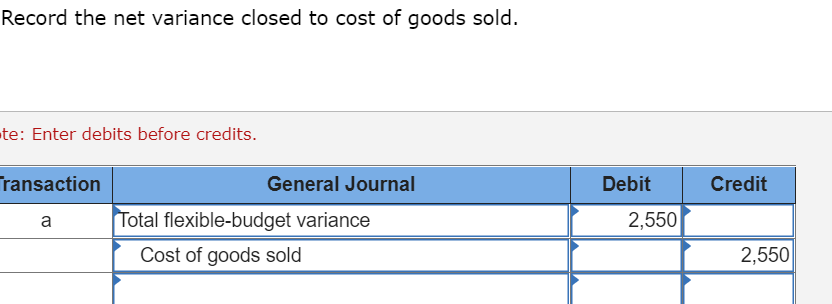
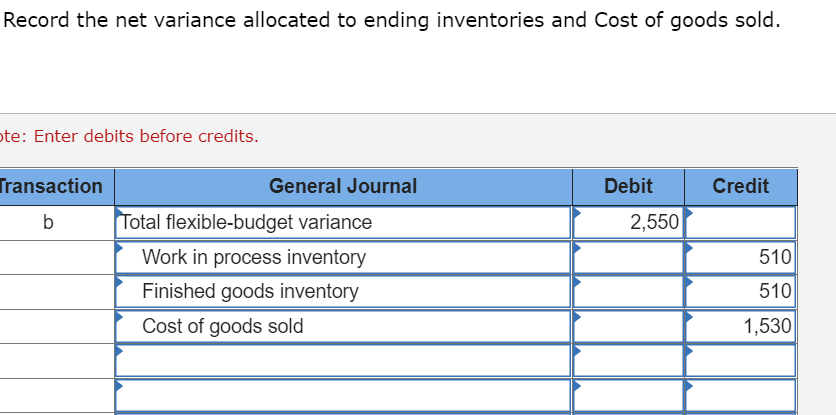
No journal entry required, accumulated depreciation factory, cost of gods sold, factory overhead, finished goods inventory, fixed overhead spending variance, production volume variance, salaries payable, total flexible-budget variance, utilities payable, variable overhead efficiency variance, variable overhead spending variance, work-in-process inventory
Patel and Sons Inc. uses a standard cost system to apply factory overhead costs to units produced. Practical capacity for the plant is defined as 50,100 machine hours per year, which represents 25,050 units of output. Annual budgeted fixed factory overhead costs are $250,500 and the budgeted variable factory overhead cost rate is $2.00 per unit. Factory overhead costs are applied on the basis of standard machine hours allowed for units produced. Budgeted and actual output for the year was 18,500 units, which took 39,100 machine hours. Actual fixed factory overhead costs for the year amounted to $246,100 while the actual variable overhead cost per unit was $1.90. Based on the information provided above, provide an appropriate end-of-year closing entry for each of the following two independent situations: (a) the net factory overhead cost variance is closed entirely to Cost of Goods Sold (CSG), and (b) the net factory overhead variance is allocated among WIP Inventory, Finished Goods Inventory, and CGS using the following percentages: 20\%, 20\%, and 60\%, respectively. (Do not round intermediate calculations. Round your final answers to nearest whole dollar amount. If required for a transaction/event, select "No journal entry required" in the first account field.) Record the net variance closed to cost of goods sold. te: Enter debits before credits. Record the net variance allocated to ending inventories and Cost of goods sold. Enter debits before credits. Patel and Sons Inc. uses a standard cost system to apply factory overhead costs to units produced. Practical capacity for the plant is defined as 50,100 machine hours per year, which represents 25,050 units of output. Annual budgeted fixed factory overhead costs are $250,500 and the budgeted variable factory overhead cost rate is $2.00 per unit. Factory overhead costs are applied on the basis of standard machine hours allowed for units produced. Budgeted and actual output for the year was 18,500 units, which took 39,100 machine hours. Actual fixed factory overhead costs for the year amounted to $246,100 while the actual variable overhead cost per unit was $1.90. Based on the information provided above, provide an appropriate end-of-year closing entry for each of the following two independent situations: (a) the net factory overhead cost variance is closed entirely to Cost of Goods Sold (CSG), and (b) the net factory overhead variance is allocated among WIP Inventory, Finished Goods Inventory, and CGS using the following percentages: 20\%, 20\%, and 60\%, respectively. (Do not round intermediate calculations. Round your final answers to nearest whole dollar amount. If required for a transaction/event, select "No journal entry required" in the first account field.) Record the net variance closed to cost of goods sold. te: Enter debits before credits. Record the net variance allocated to ending inventories and Cost of goods sold. Enter debits before credits
Step by Step Solution
There are 3 Steps involved in it

Get step-by-step solutions from verified subject matter experts
 Study Help