







Question: Write a one-page executive summary and recommendation based on your thoughts about questions below What are the difficulties and challenges faced by a store manager
Write a one-page executive summary and recommendation based on your thoughts about questions below
- What are the difficulties and challenges faced by a store manager when placing orders forbakery products. What are the top factors that a store manager has to consider in the decision process?
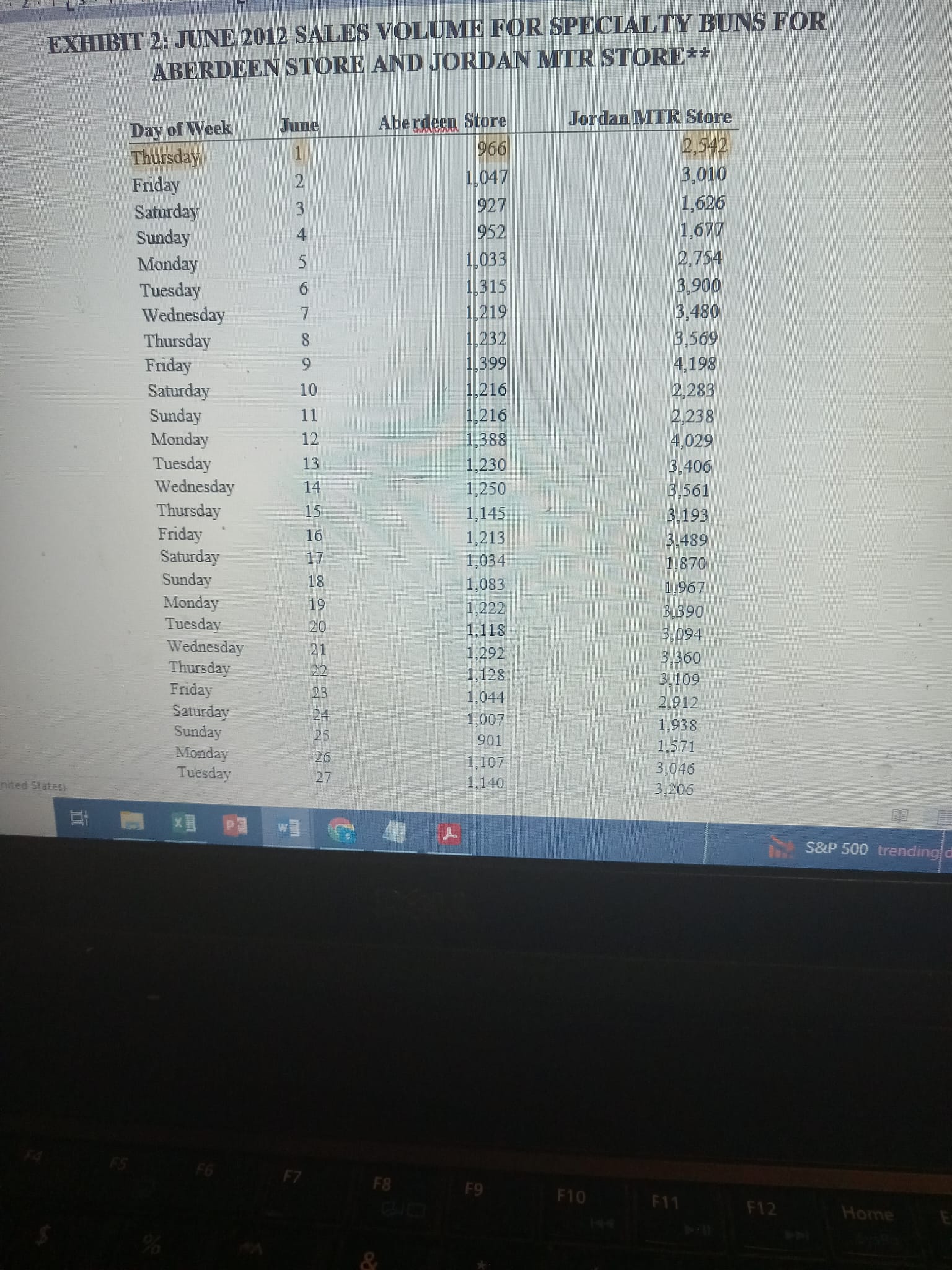
- Given the historic sales data, what is the optimal order quantity? And anticipated results?
- Currently a 5% product return rate is given to store mangers. What other elements should be included and considered when elevating the performance of store managers? And why?
Note: please write in a holistic way instead of answering questions. You are presenting to the CEO of the company who does not understand any model. Include your analysis in an Appendix if necessary.
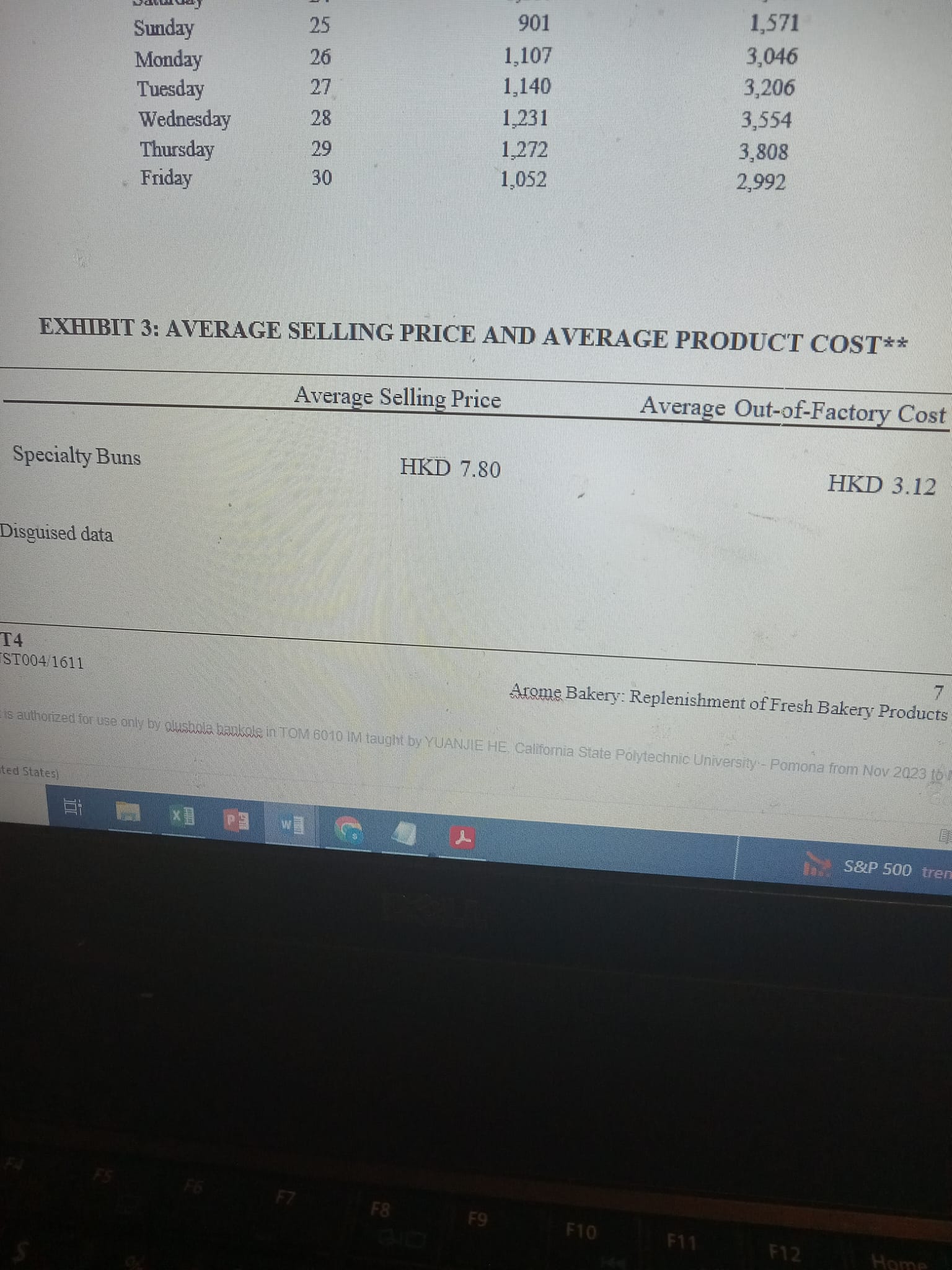
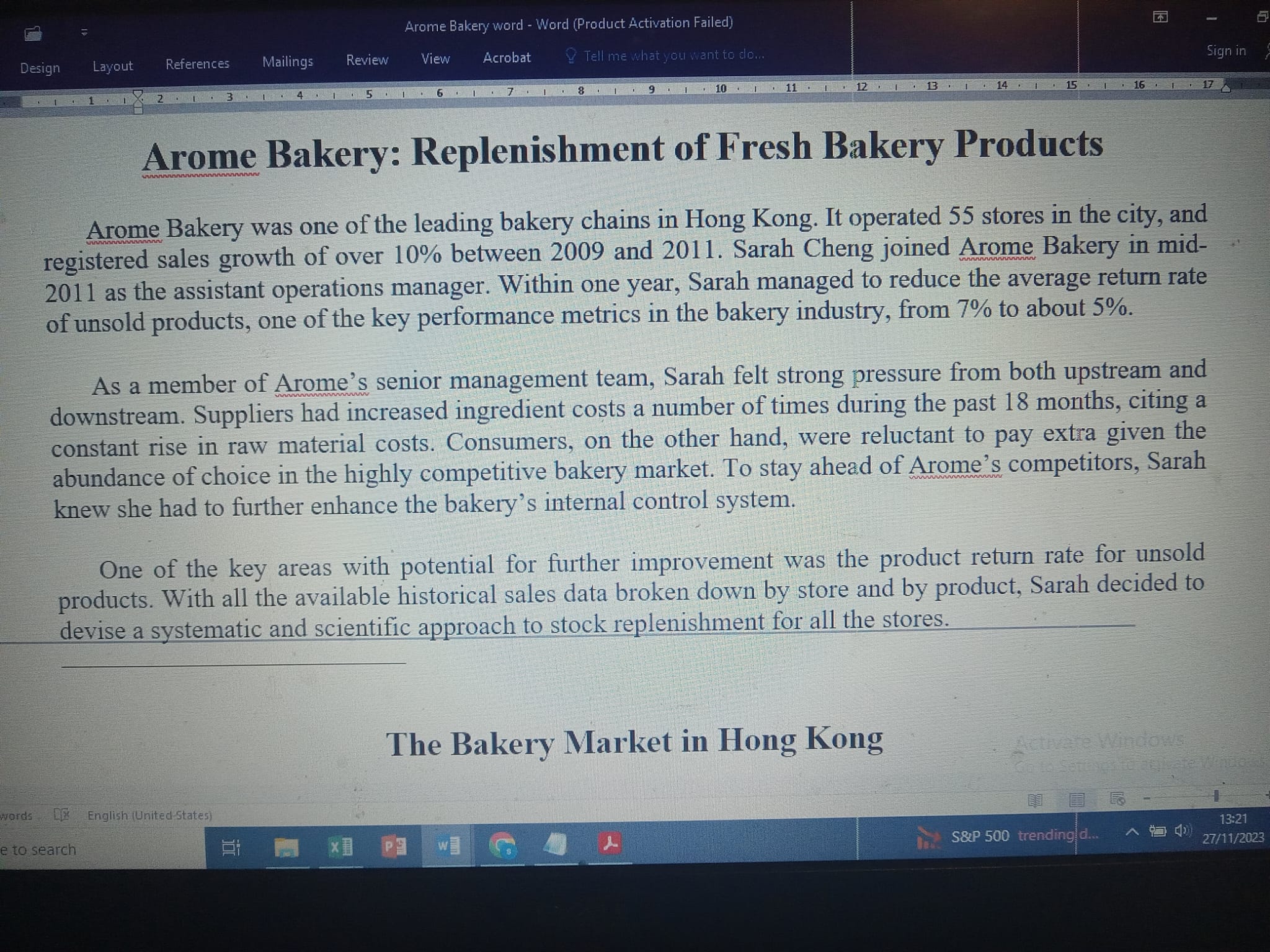
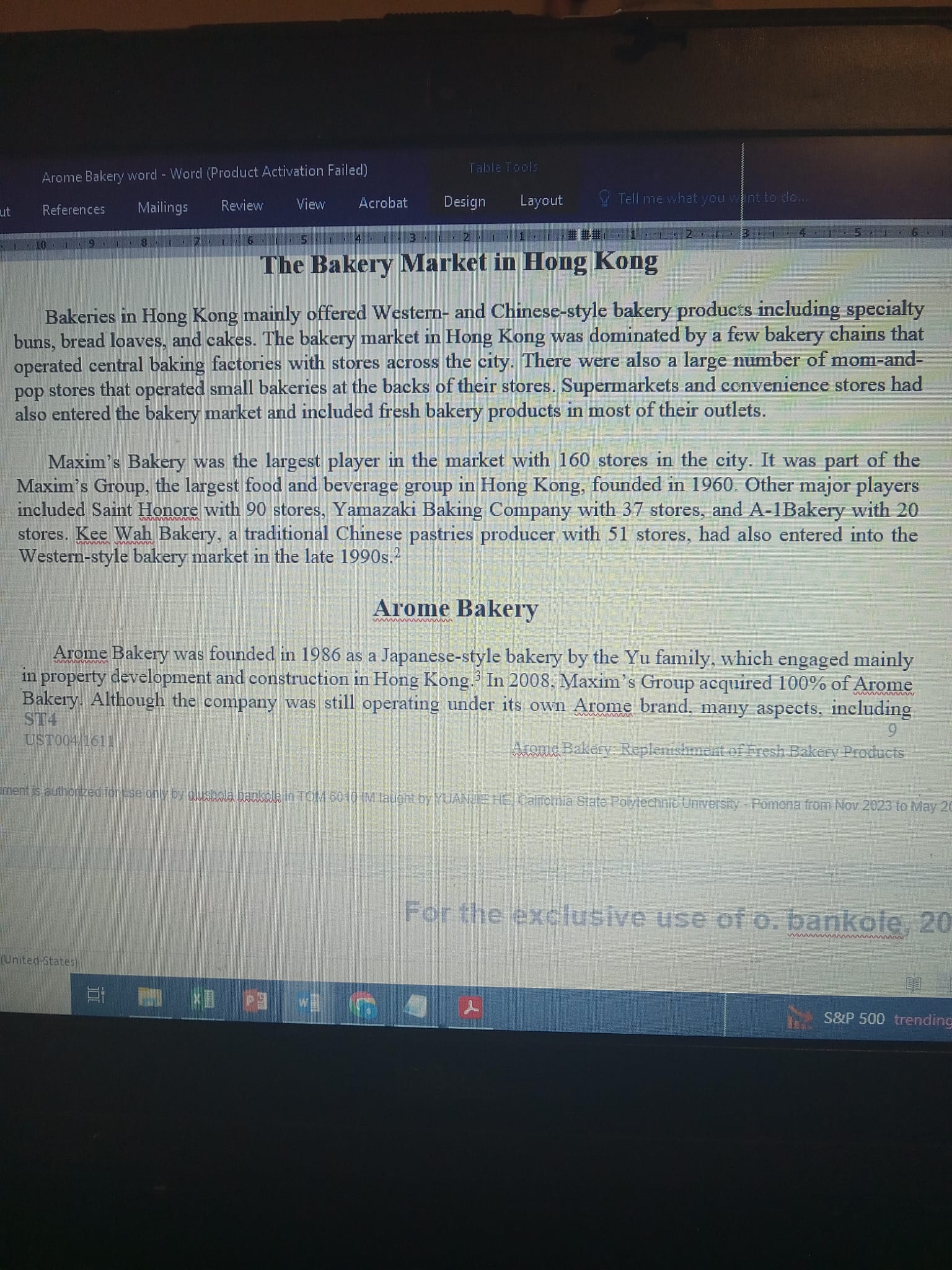
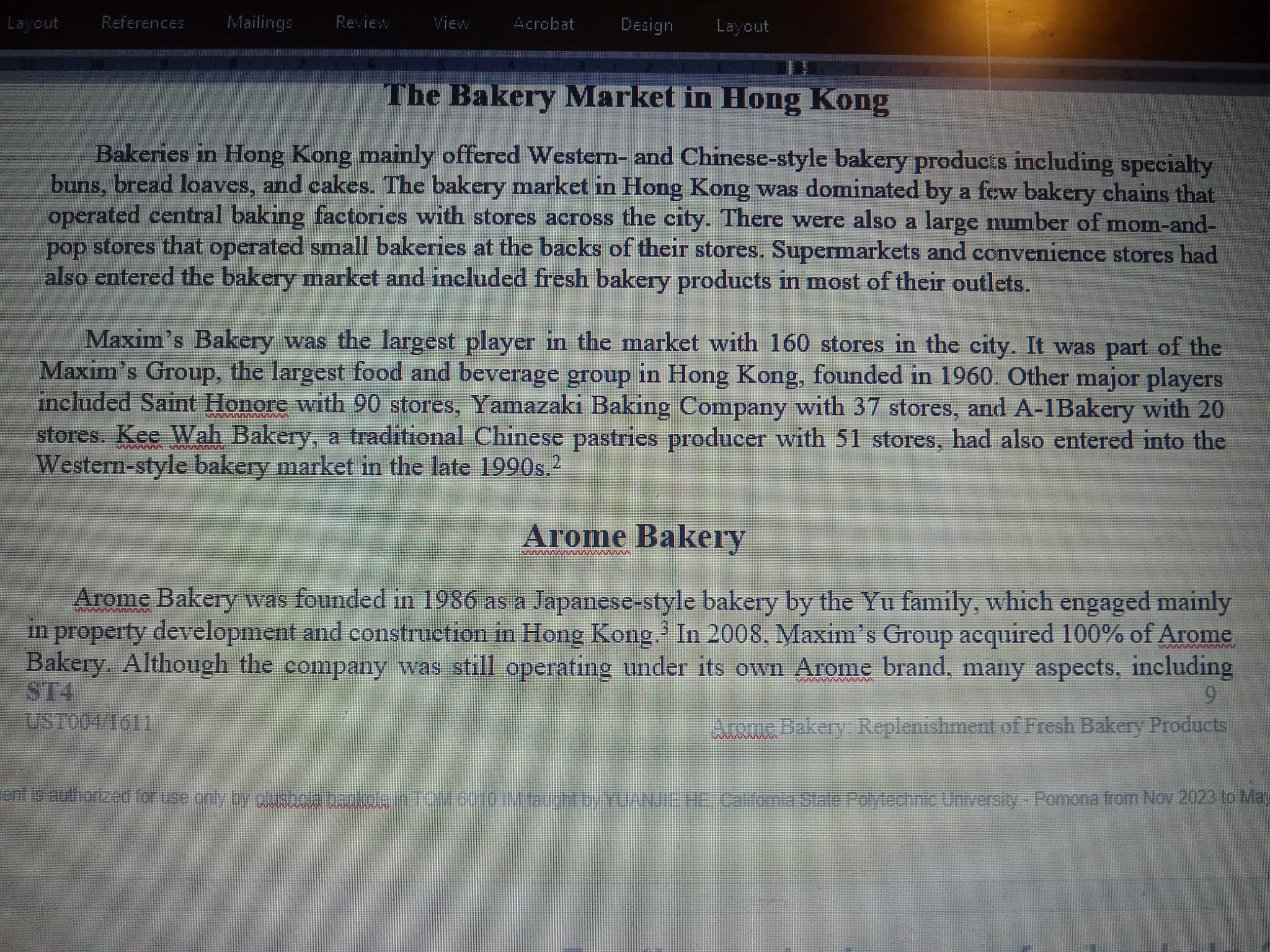
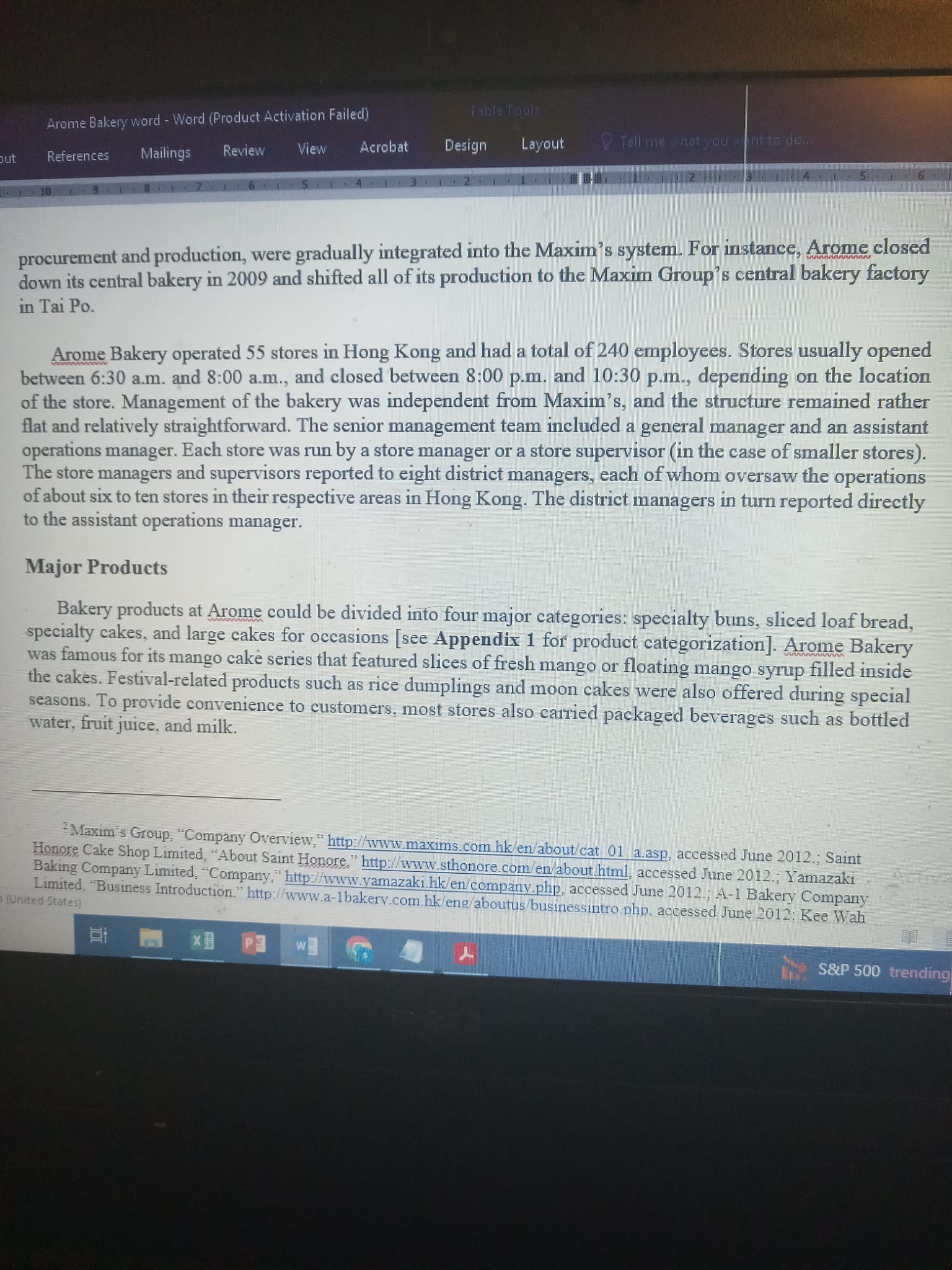
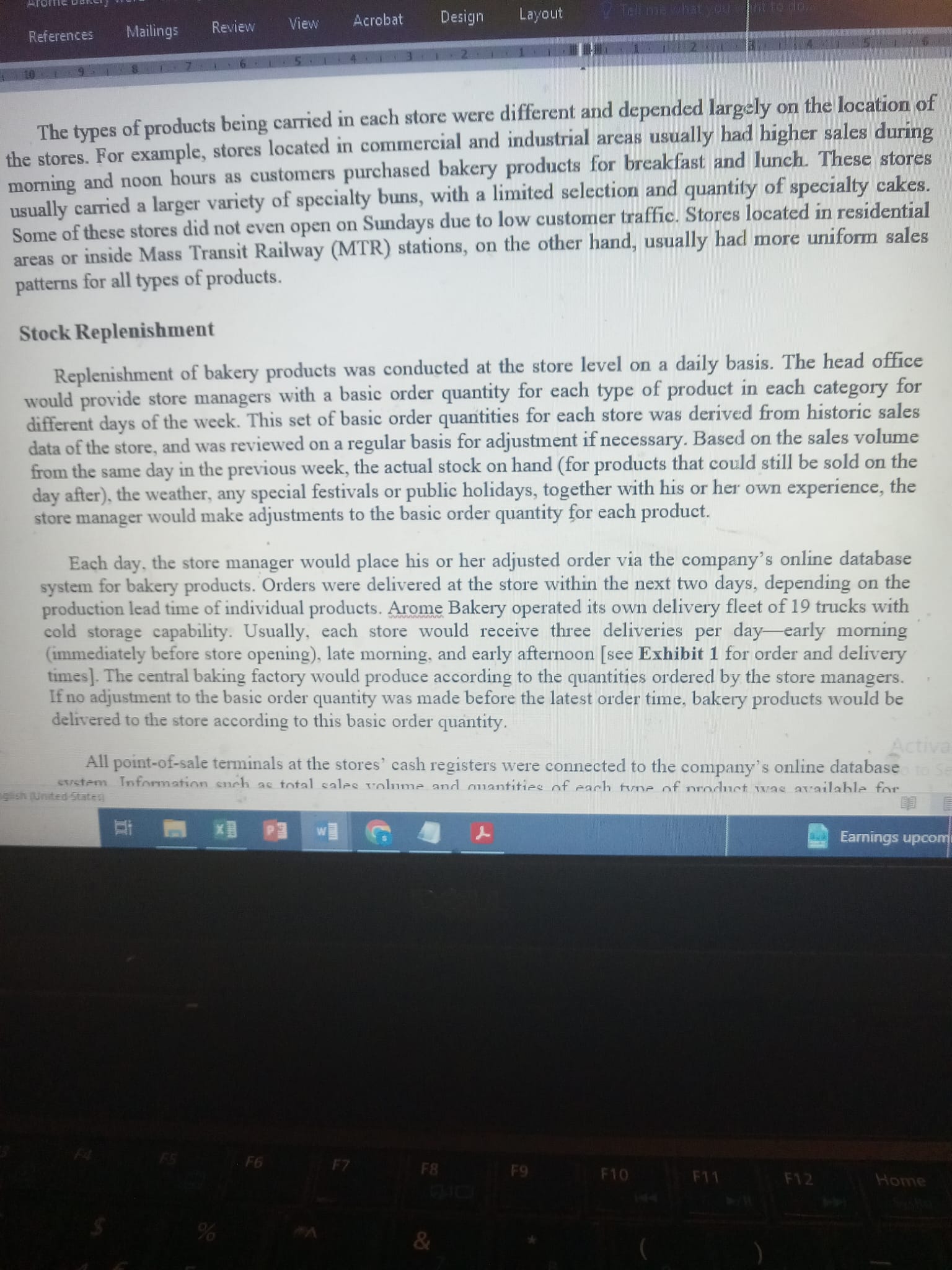
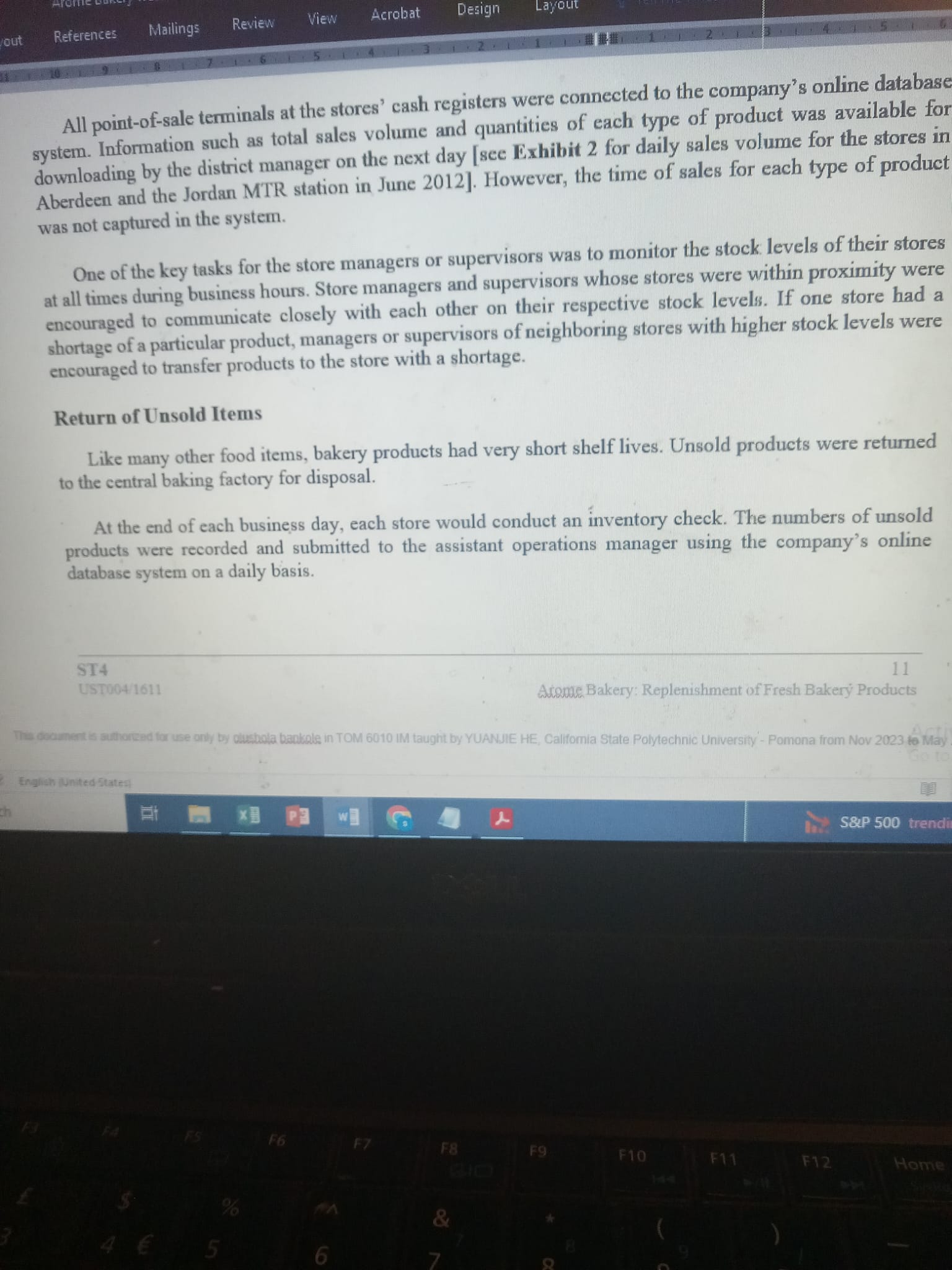
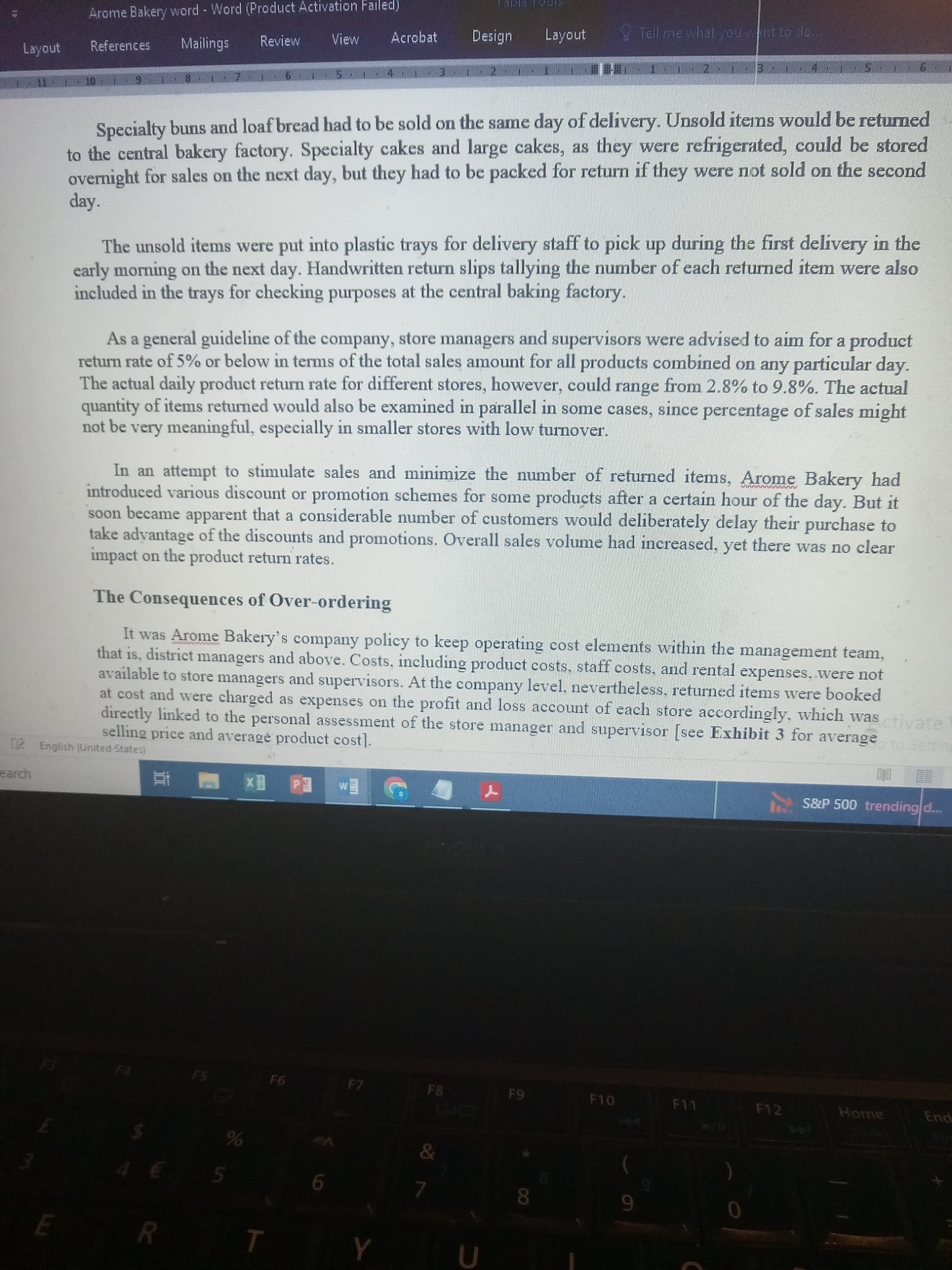
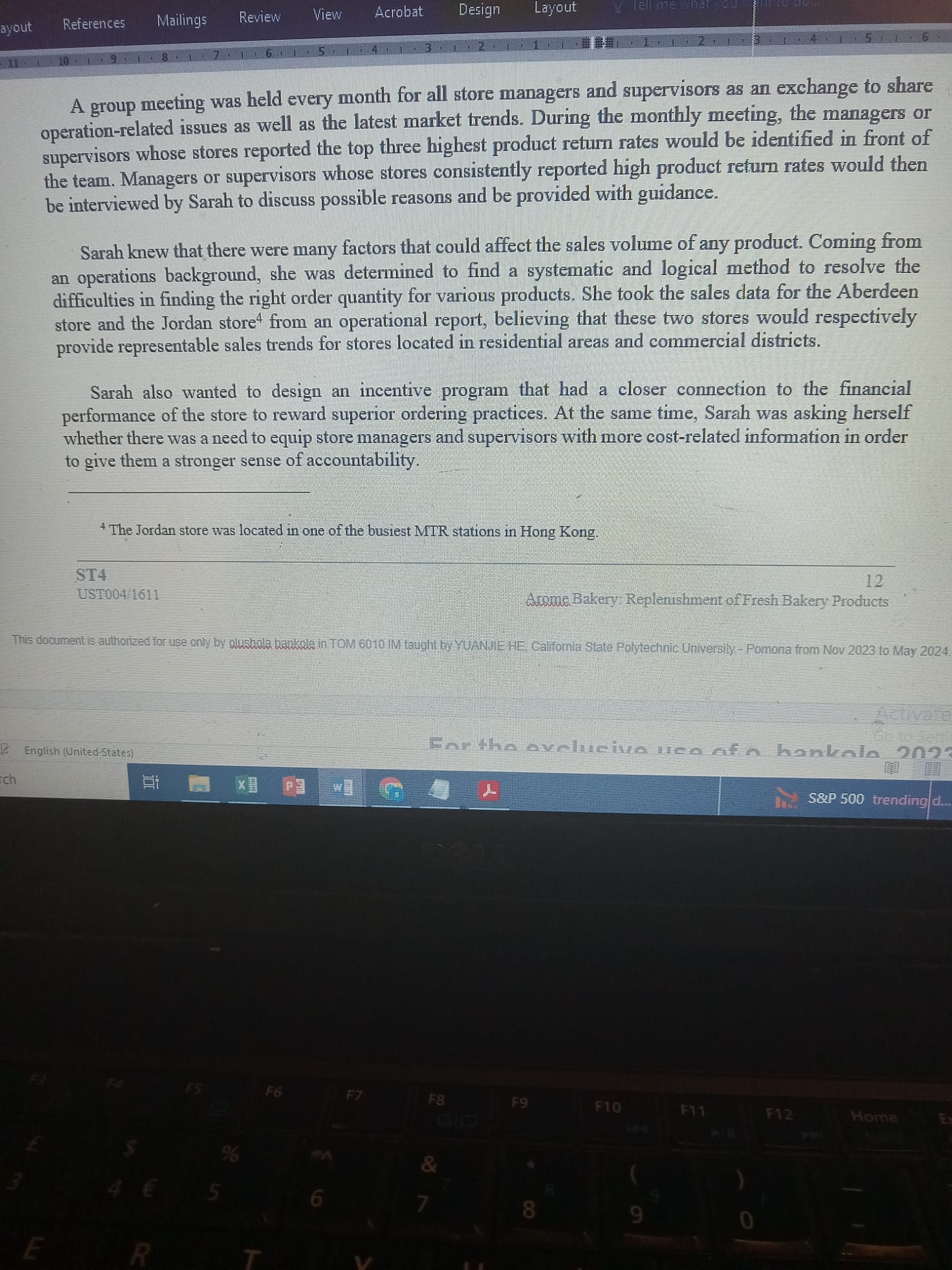
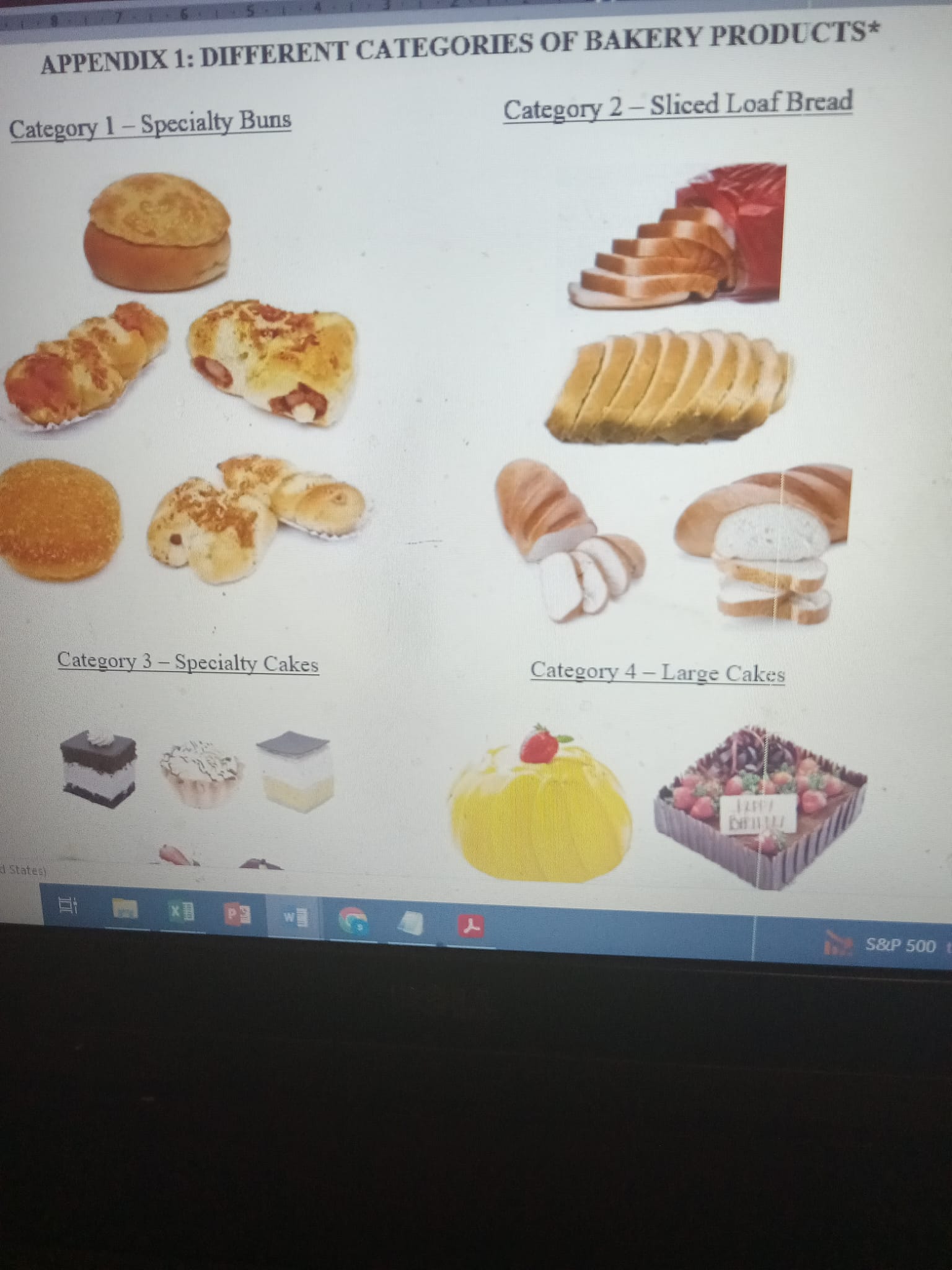
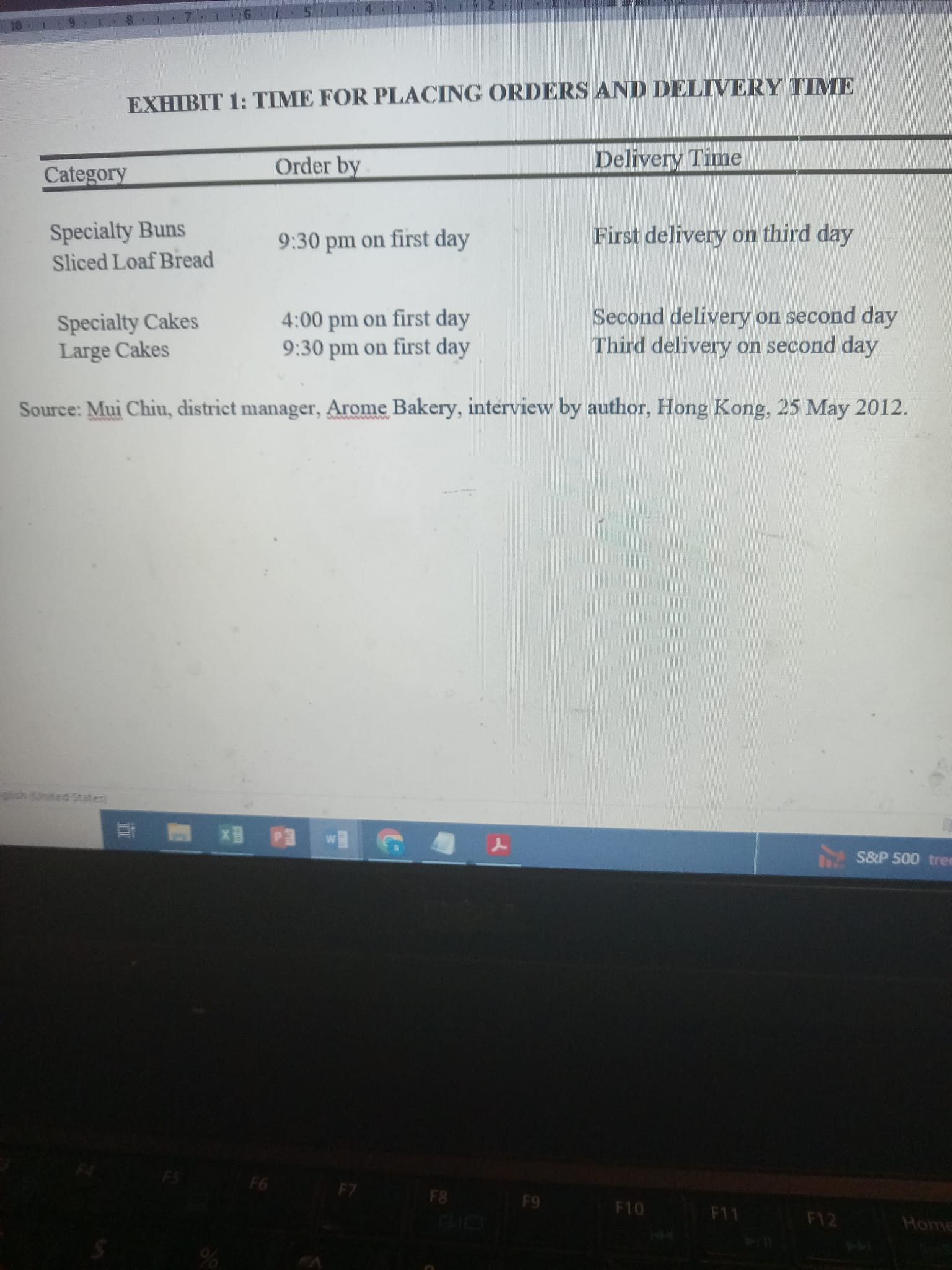
EXHIBIT 3: AVERAGE SELLING PRICE AND AVERAGE PRODUCT COST*** T4 ST004 1611 Arome Bakery: Replenishment of Fresh Bakery Products Arome Bakery: Replenishment of Fresh Bakery Products Arome Bakery was one of the leading bakery chains in Hong Kong. It operated 55 stores in the city, and registered sales growth of over 10% between 2009 and 2011. Sarah Cheng joined Arome Bakery in mid2011 as the assistant operations manager. Within one year, Sarah managed to reduce the average return rate of unsold products, one of the key performance metrics in the bakery industry, from 7% to about 5%. As a member of Arome's senior management team, Sarah felt strong pressure from both upstream and downstream. Suppliers had increased ingredient costs a number of times during the past 18 months, citing a constant rise in raw material costs. Consumers, on the other hand, were reluctant to pay extra given the abundance of choice in the highly competitive bakery market. To stay ahead of Arome's competitors, Sarah knew she had to further enhance the bakery's internal control system. One of the key areas with potential for further improvement was the product return rate for unsold products. With all the available historical sales data broken down by store and by product, Sarah decided to devise a systematic and scientific approach to stock replenishment for all the stores. The Bakery Market in Hong Kong Bakeries in Hong Kong mainly offered Western- and Chinese-style bakery products including specialty buns, bread loaves, and cakes. The bakery market in Hong Kong was dominated by a few bakery chains that operated central baking factories with stores across the city. There were also a large number of mom-andpop stores that operated small bakeries at the backs of their stores. Supermarkets and convenience stores had also entered the bakery market and included fresh bakery products in most of their outlets. Maxim's Bakery was the largest player in the market with 160 stores in the city. It was part of the Maxim's Group, the largest food and beverage group in Hong Kong, founded in 1960. Other major players included Saint Honore with 90 stores, Yamazaki Baking Company with 37 stores, and A-1Bakery with 20 stores. Kee Wah Bakery, a traditional Chinese pastries producer with 51 stores, had also entered into the Western-style bakery market in the late 1990 s. 2 Arome Bakery Arome Bakery was founded in 1986 as a Japanese-style bakery by the Yu family, which engaged mainly in property development and construction in Hong Kong. 3 In 2008, Maxim's Group acquired 100% of Arome Bakery. Although the company was still operating under its own Arome brand, many aspects, including ST4 4 UST004 1611 Arome Bakery: Replenishment of Fresh Bakery Products Iment is authorized for use only by chushola Dankole in TOM 6010 M M taught by YUANUE HE, Califomia State Polytechnic University - Pomona from Nov 2023 to May 2 For the exclusive use of 0 . bankole, 20 The Bakery Market in Hong Kong Bakeries in Hong Kong mainly offered Western- and Chinese-style bakery products including specialty buns, bread loaves, and cakes. The bakery market in Hong Kong was dominated by a few bakery chains that operated central baking factories with stores across the city. There were also a large number of mom-andpop stores that operated small bakeries at the backs of their stores. Supermarkets and convenience stores had also entered the bakery market and included fresh bakery products in most of their outlets. Maxim's Bakery was the largest player in the market with 160 stores in the city. It was part of the Maxim's Group, the largest food and beverage group in Hong Kong, founded in 1960. Other major players included Saint Honore with 90 stores, Yamazaki Baking Company with 37 stores, and A-1Bakery with 20 stores. Kee Wah Bakery, a traditional Chinese pastries producer with 51 stores, had also entered into the Western-style bakery market in the late 1990s.2 Arome Bakery Arome Bakery was founded in 1986 as a Japanese-style bakery by the Yu family, which engaged mainly in property development and construction in Hong Kong. 3 In 2008, Maxim's Group acquired 100% of Arome Bakery. Although the company was still operating under its own Arome brand, many aspects, including SI4 UST004/1611 Arome Bakery: Replenishment of Fresh Bakery Products procurement and production, were gradually integrated into the Maxim's system. For instance, Arome closed down its central bakery in 2009 and shifted all of its production to the Maxim Group's central bakery factory in Tai Po. Arome Bakery operated 55 stores in Hong Kong and had a total of 240 employees. Stores usually opened between 6:30 a.m. and 8:00 a.m., and closed between 8:00 p.m. and 10:30 p.m., depending on the location of the store. Management of the bakery was independent from Maxim's, and the structure remained rather flat and relatively straightforward. The senior management team included a general manager and an assistant operations manager. Each store was run by a store manager or a store supervisor (in the case of smaller stores). The store managers and supervisors reported to eight district managers, each of whom oversaw the operations of about six to ten stores in their respective areas in Hong Kong. The district managers in turn reported directly to the assistant operations manager. Major Products Bakery products at Arome could be divided into four major categories: specialty buns, sliced loaf bread, specialty cakes, and large cakes for occasions [see Appendix 1 for product categorization]. Arome Bakery was famous for its mango cake series that featured slices of fresh mango or floating mango syrup filled inside the cakes. Festival-related products such as rice dumplings and moon cakes were also offered during special seasons. To provide convenience to customers, most stores also carried packaged beverages such as bottled water, fruit juice, and milk. 2Maxim's Group, "Company Overview," http://www.maxims.com.hk/en/about/cat 01 a.asp, accessed June 2012; Saint Honore Cake Shop Limited, "About Saint Honore." http///www. sthonore.com/en/about.html, accessed June 2012; Yamazaki Limited, The types of products being carried in each store were different and depended largely on the location of the stores. For example, stores located in commercial and industrial areas usually had higher sales during morning and noon hours as customers purchased bakery products for breakfast and lunch. These stores usually carried a larger variety of specialty buns, with a limited selection and quantity of specialty cakes. Some of these stores did not even open on Sundays due to low customer traffic. Stores located in residential areas or inside Mass Transit Railway (MTR) stations, on the other hand, usually had more uniform sales patterns for all types of products. Stock Replenishment Replenishment of bakery products was conducted at the store level on a daily basis. The head office would provide store managers with a basic order quantity for each type of product in each category for different days of the week. This set of basic order quantities for each store was derived from historic sales data of the store, and was reviewed on a regular basis for adjustment if necessary. Based on the sales volume from the same day in the previous week, the actual stock on hand (for products that could still be sold on the day after), the weather, any special festivals or public holidays, together with his or her own experience, the store manager would make adjustments to the basic order quantity for each product. Each day, the store manager would place his or her adjusted order via the company's online database system for bakery products. Orders were delivered at the store within the next two days, depending on the production lead time of individual products. Arome Bakery operated its own delivery fleet of 19 trucks with cold storage capability. Usually, each store would receive three deliveries per day-early morning (immediately before store opening), late morning, and early afternoon [see Exhibit 1 for order and delivery times]. The central baking factory would produce according to the quantities ordered by the store managers. If no adjustment to the basic order quantity was made before the latest order time, bakery products would be delivered to the store according to this basic order quantity. All point-of-sale terminals at the stores' cash registers were connected to the company's online database All point-of-sale terminals at the stores' cash registers were connected to the company's online database system. Information such as total sales volume and quantities of each type of product was available for downloading by the district manager on the next day [see Exhibit 2 for daily sales volume for the stores in Aberdeen and the Jordan MTR station in June 2012]. However, the time of sales for each type of product was not captured in the system. One of the key tasks for the store managers or supervisors was to monitor the stock levels of their stores at all times during business hours. Store managers and supervisors whose stores were within proximity were encouraged to communicate closely with each other on their respective stock levels. If one store had a shortage of a particular product, managers or supervisors of neighboring stores with higher stock levels were encouraged to transfer products to the store with a shortage. Return of Unsold Items Like many other food items, bakery products had very short shelf lives. Unsold products were returned to the central baking factory for disposal. At the end of each business day, each store would conduct an inventory check. The numbers of unsold products were recorded and submitted to the assistant operations manager using the company's online database system on a daily basis. Specialty buns and loaf bread had to be sold on the same day of delivery. Unsold items would be returned to the central bakery factory. Specialty cakes and large cakes, as they were refrigerated, could be stored overnight for sales on the next day, but they had to be packed for return if they were not sold on the second day. The unsold items were put into plastic trays for delivery staff to pick up during the first delivery in the early morning on the next day. Handwritten return slips tallying the number of each returned item were also included in the trays for checking purposes at the central baking factory. As a general guideline of the company, store managers and supervisors were advised to aim for a product return rate of 5% or below in terms of the total sales amount for all products combined on any particular day. The actual daily product return rate for different stores, however, could range from 2.8% to 9.8%. The actual quantity of items returned would also be examined in parallel in some cases, since percentage of sales might not be very meaningful, especially in smaller stores with low turnover. In an attempt to stimulate sales and minimize the number of returned items, Arome Bakery had introduced various discount or promotion schemes for some products after a certain hour of the day. But it soon became apparent that a considerable number of customers would deliberately delay their purchase to take advantage of the discounts and promotions. Overall sales volume had increased, yet there was no clear impact on the product return rates. The Consequences of Over-ordering It was Arome Bakery's company policy to keep operating cost elements within the management team, that is, district managers and above. Costs, including product costs, staff costs, and rental expenses, were not available to store managers and supervisors. At the company level, nevertheless, returned items were booked at cost and were charged as expenses on the profit and loss account of each store accordingly, which was directly linked to the personal assessment of the store manager and supervisor [see Exhibit 3 for average selling price and average product cost]. A group meeting was held every month for all store managers and supervisors as an exchange to share operation-related issues as well as the latest market trends. During the monthly meeting, the managers or supervisors whose stores reported the top three highest product return rates would be identified in front of the team. Managers or supervisors whose stores consistently reported high product return rates would then be interviewed by Sarah to discuss possible reasons and be provided with guidance. Sarah knew that there were many factors that could affect the sales volume of any product. Coming from an operations background, she was determined to find a systematic and logical method to resolve the difficulties in finding the right order quantity for various products. She took the sales data for the Aberdeen store and the Jordan store 4 from an operational report, believing that these two stores would respectively provide representable sales trends for stores located in residential areas and commercial districts. Sarah also wanted to design an incentive program that had a closer connection to the financial performance of the store to reward superior ordering practices. At the same time, Sarah was asking herself whether there was a need to equip store managers and supervisors with more cost-related information in order to give them a stronger sense of accountability. 4 The Jordan store was located in one of the busiest MTR stations in Hong Kong. ST4 UST00411611 12 Arome Bakery: Replenishment of Fresh Bakery Products English (United States) TFCORIES OF BAKERY PRODUCTS* EXHIBIT 1: TIME FOR PLACING ORDERS AND DELIVERY TIME Source: Mui Chiu, district manager, Arome Bakery, interview by author, Hong Kong, 25 May 2012. EXHIBIT 2: JUNE 2012 SALES VOLUME FOR SPECIALTY BUNS FOR ABERDEEN STORE AND JORDAN MTR STORE
Step by Step Solution
There are 3 Steps involved in it

Get step-by-step solutions from verified subject matter experts
 Study Help