Question: WRITING YOUR TREATMENT: SOME GUIDELINES FOR A SHORT DOCUMENTARY After you have completed your project analysis (program needs analysis) and researched the topic, it's now
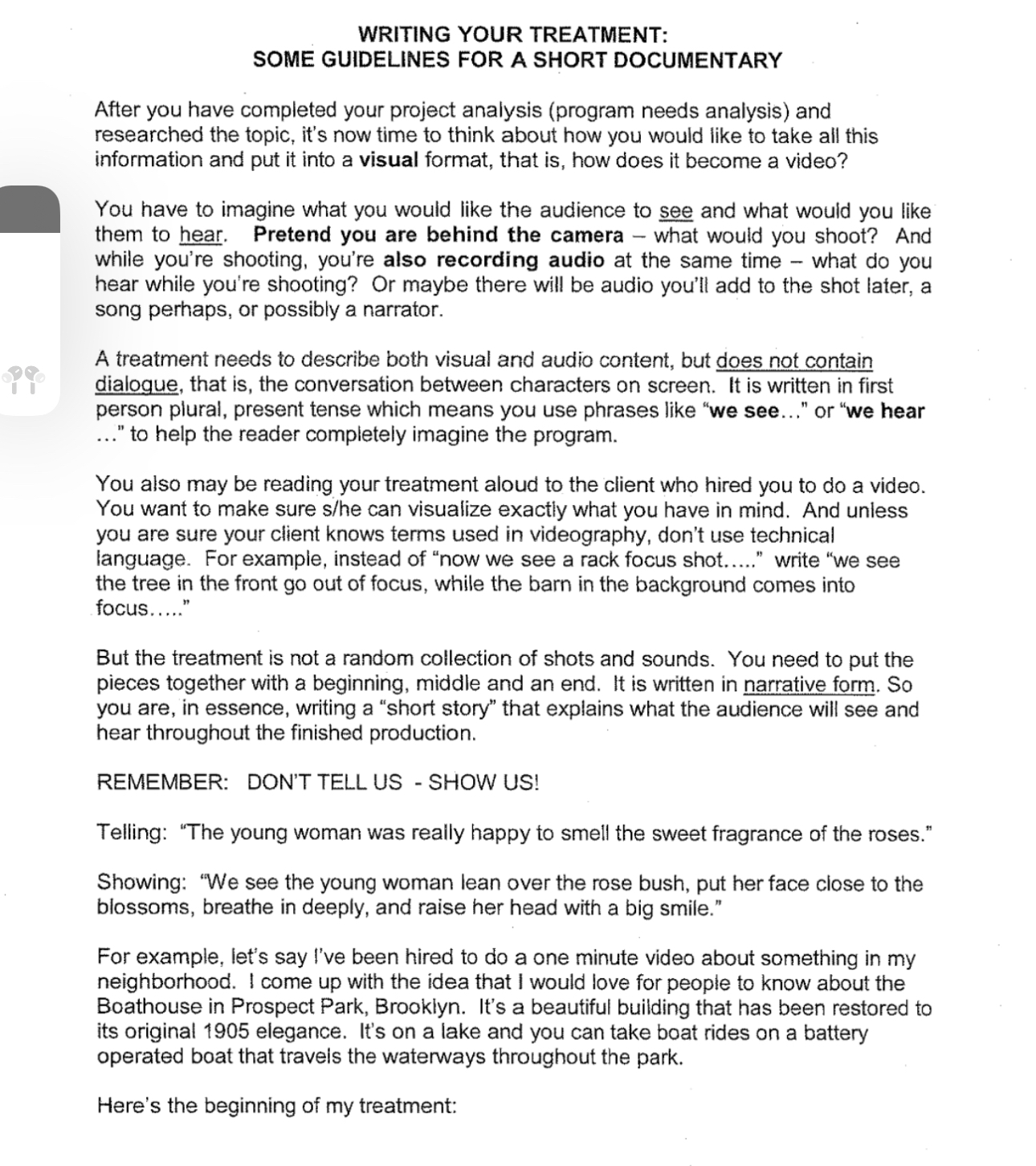
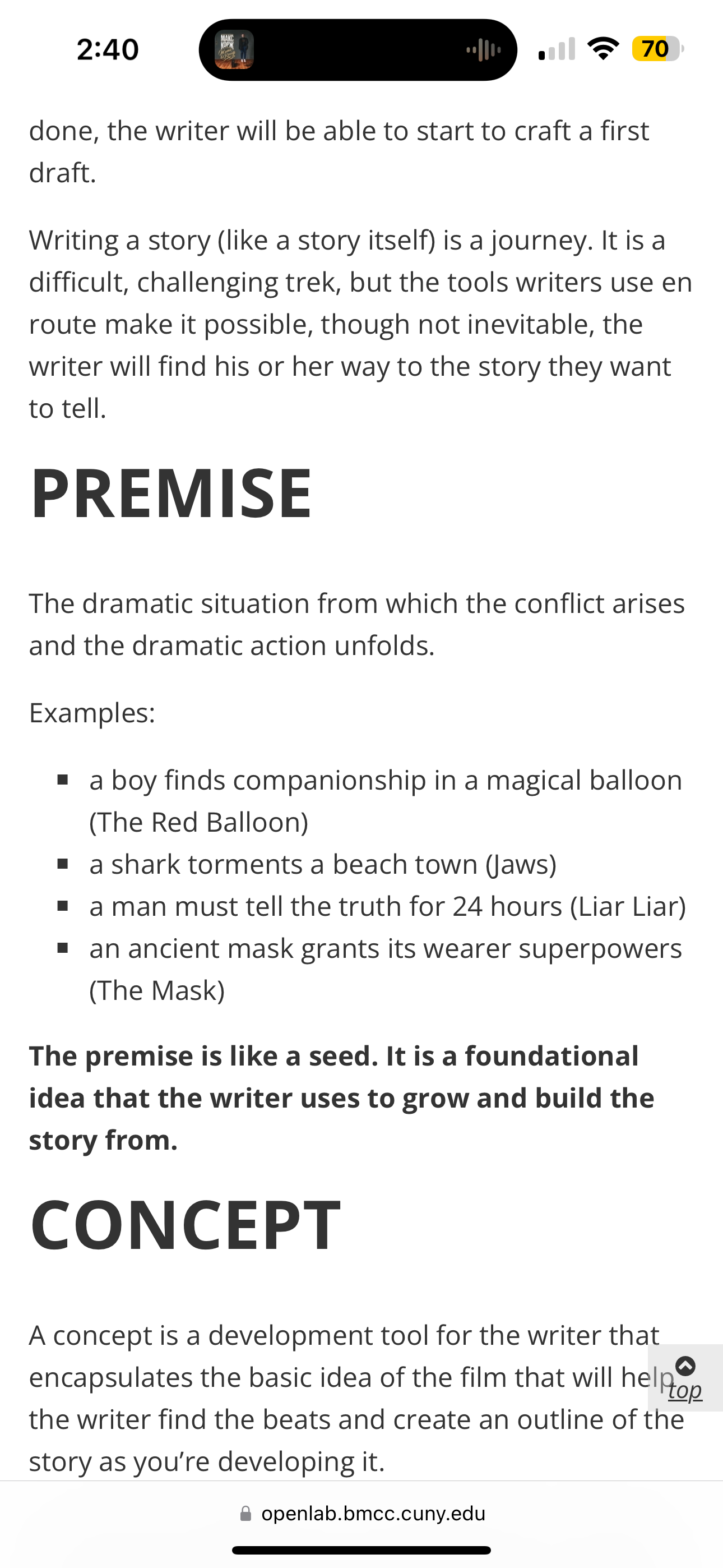
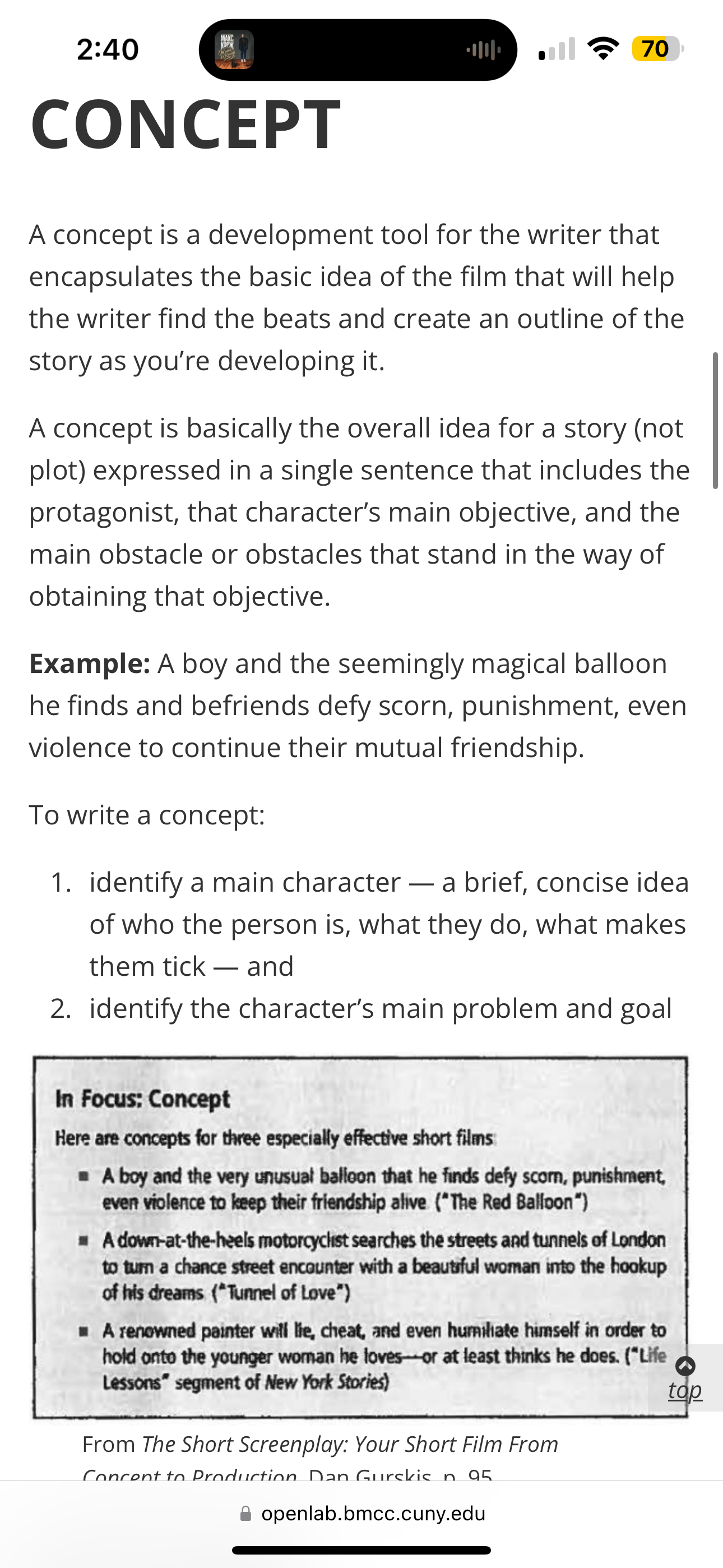
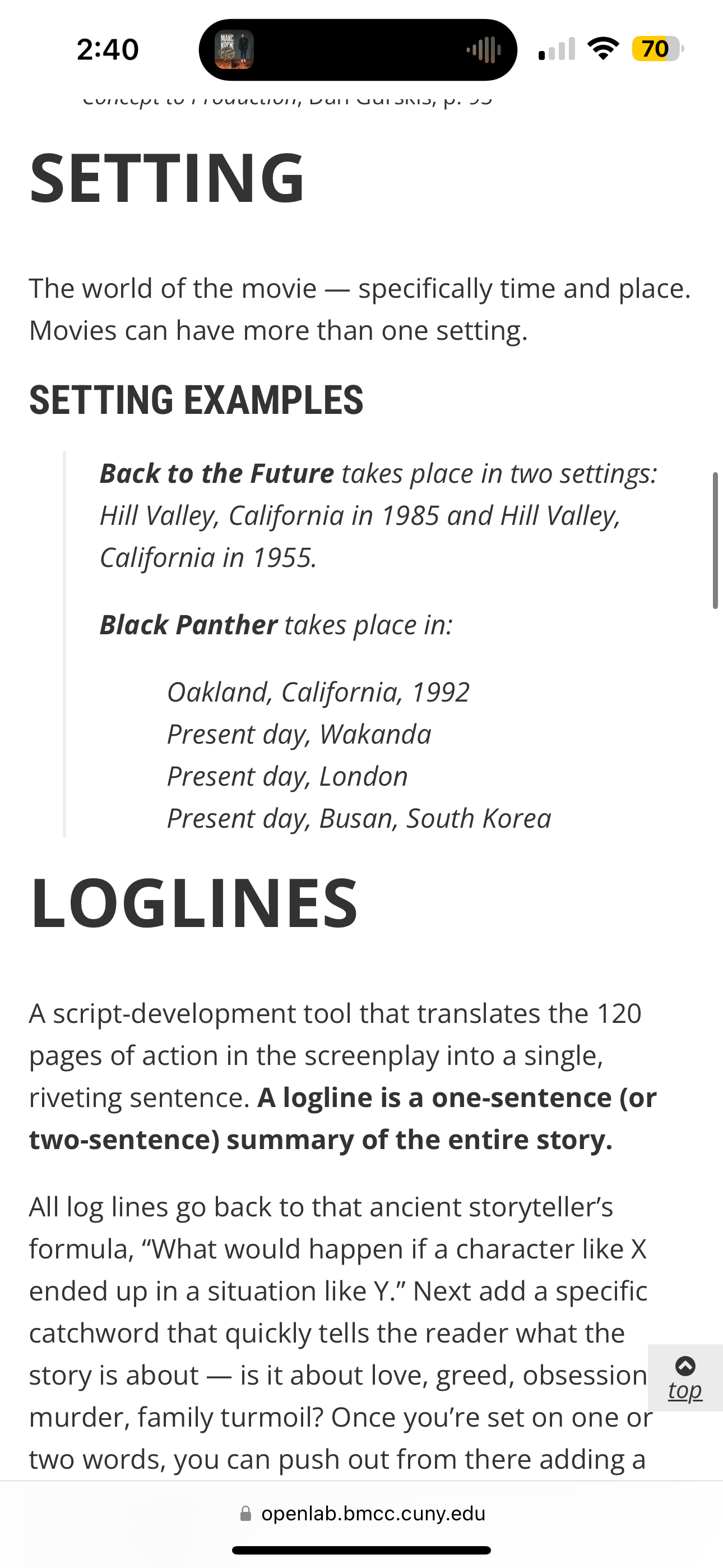
WRITING YOUR TREATMENT: SOME GUIDELINES FOR A SHORT DOCUMENTARY After you have completed your project analysis (program needs analysis) and researched the topic, it's now time to think about how you would like to take all this information and put it into a visual format, that is, how does it become a video? You have to imagine what you would like the audience to see and what would you like them to hear. Pretend you are behind the camera what would you shoot? And while you're shooting, you're also recording audio at the same time what do you hear while you're shooting? Or maybe there will be audio you'll add to the shot later, a song perhaps, or possibly a narrator. A treatment needs to describe both visual and audio content, but does not contain dialogue, that is, the conversation between characters on screen. It is written in first person plural, present tense which means you use phrases like \"we see..." or \"we hear ..." to help the reader completely imagine the program. You also may be reading your treatment aloud to the client who hired you to do a video. You want to make sure s/he can visualize exactly what you have in mind. And unless you are sure your client knows terms used in videography, don't use technical language. For example, instead of \"now we see a rack focus shot....." write \"we see the tree in the front go out of focus, while the barn in the background comes into focus.....\" But the treatment is not a random collection of shots and sounds. You need to put the pieces together with a beginning, middle and an end. It is written in narrative form. So you are, in essence, writing a \"short story\" that explains what the audience will see and hear throughout the finished production. REMEMBER: DON'T TELL US - SHOW US! Telling: \"The young woman was reaily happy to smell the sweet fragrance of the roses.\" Showing: \"We see the young woman lean over the rose bush, put her face close to the blossoms, breathe in deeply, and raise her head with a big smile.\" For example, let's say I've been hired to do a one minute video about something in my neighborhood. | come up with the idea that | would love for peopie to know about the Boathouse in Prospect Park, Brooklyn. It's a beautiful building that has been restored fo its original 1905 elegance. It's on a lake and you can take boat rides on a battery operated boat that traveis the waterways throughout the park. Here's the beginning of my treatment: done, the writer will be able to start to craft a first draft. Writing a story (like a story itself) is a journey. It is a difficult, challenging trek, but the tools writers use en route make it possible, though not inevitable, the writer will find his or her way to the story they want to tell. PREMISE The dramatic situation from which the conflict arises and the dramatic action unfolds. Examples: = a3 boy finds companionship in a magical balloon (The Red Balloon) = 3 shark torments a beach town (Jaws) = 3 man must tell the truth for 24 hours (Liar Liar) = an ancient mask grants its wearer superpowers (The Mask) The premise is like a seed. It is a foundational idea that the writer uses to grow and build the story from. CONCEPT A concept is a development tool for the writer that encapsulates the basic idea of the film that will helg_oop the writer find the beats and create an outline of the story as you're developing it. @ openlab.bmcc.cuny.edu CONCEPT A concept is a development tool for the writer that encapsulates the basic idea of the film that will help the writer find the beats and create an outline of the story as you're developing it. A concept is basically the overall idea for a story (not plot) expressed in a single sentence that includes the protagonist, that character''s main objective, and the main obstacle or obstacles that stand in the way of obtaining that objective. Example: A boy and the seemingly magical balloon he finds and befriends defy scorn, punishment, even violence to continue their mutual friendship. To write a concept: 1. identify a main character a brief, concise idea of who the person is, what they do, what makes them tick and 2. identify the character''s main problem and goal in Focus: Concept Here are concepts for three especially effective short films = A boy and the very unusual balloon that he finds defy scom, punishment, even violence to keep their friendship alive (\"The Red Balioon) A down-at-the-heels motorcychst searches the streets and tunnels of London to tum a chance street encaunter with a beautsful woman into the hookup of his dreams ("Tunnel of Love\") u A renowned painter will lie, cheat, and even humiliate himself in order to hold onto the younger woman he lovesor at least thinks he does. ("Life Lessons\" segment of New York Stories) From The Short Screenplay: Your Short Film From (nnront tn Pradiirtinn Nan (Glirckic n QR @ openlab.bmcc.cuny.edu 2:40 all 70 LUFILLNL LV I IVUULLIVII, BUII GUIJAIS , N. JO SETTING The world of the movie - specifically time and place. Movies can have more than one setting. SETTING EXAMPLES Back to the Future takes place in two settings: Hill Valley, California in 1985 and Hill Valley, California in 1955. Black Panther takes place in: Oakland, California, 1992 Present day, Wakanda Present day, London Present day, Busan, South Korea LOGLINES A script-development tool that translates the 120 pages of action in the screenplay into a single, riveting sentence. A logline is a one-sentence (or two-sentence) summary of the entire story. All log lines go back to that ancient storyteller's formula, "What would happen if a character like X ended up in a situation like Y." Next add a specific catchword that quickly tells the reader what the story is about - is it about love, greed, obsession top murder, family turmoil? Once you're set on one or two words, you can push out from there adding a openlab.bmcc.cuny.edu
Step by Step Solution
There are 3 Steps involved in it
1 Expert Approved Answer
Step: 1 Unlock
Question Has Been Solved by an Expert!
Get step-by-step solutions from verified subject matter experts
Step: 2 Unlock
Step: 3 Unlock
Students Have Also Explored These Related Business Writing Questions!









 Study Help