







Question: 1. What type(s) of controlfeedforward, concurrent, or feedbackdo you think would have been most useful in this situation? Explain your choice(s). 2. Using Exhibit, explain
1. What type(s) of control—feedforward, concurrent, or feedback—do you think would have been most useful in this situation? Explain your choice(s).
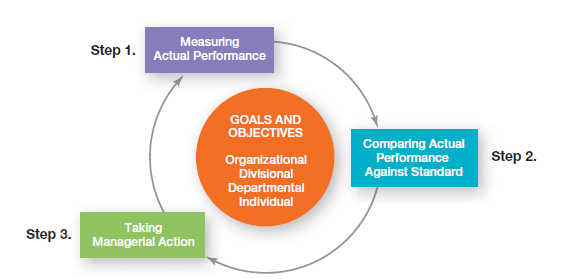
2. Using Exhibit, explain what BP could have done better.
3. Why do you think company employees ignored the red flags? How could such behavior be changed in the future?
4. What could other organizations learn from BP’s mistakes?
When all is said and done, which may not be for many years, it’s likely to be one of the worst environmental disasters, if not the worst, in U.S. history. When British Petroleum’s (BP) Deepwater Horizon off-shore rig in the Gulf of Mexico exploded in a ball of flames on April 20, 2010, killing 11 employees, it set in motion frantic efforts to stop the flow of oil and to initiate the long and arduous cleanup process. Although the impacts of the explosion and oil spill were felt most intensely by businesses and residents along the coast and by coastal wildlife, those of us inland who watched the disaster unfold were also stunned and dismayed by what we saw happening. What led to this disaster and what can BP do to ensure that the likelihood of it ever happening again is minimized?
Measuring Actual Performance Step 1. GOALS AND OBJECTIVES Comparing Actual Performance Step 2. Organizational Divisional Against Standard Departmental Individual Taking Managerial Action Step 3.
Step by Step Solution
3.39 Rating (168 Votes )
There are 3 Steps involved in it
1 The explanations for the failure of the Deepwater Horizon point to a number of deficiencies in control systems Feedforward control could have been u... View full answer

Get step-by-step solutions from verified subject matter experts
Document Format (1 attachment)

216-B-M-L-C (100).docx
120 KBs Word File
 Study Help