







Question: For the following problems, the table holds C code functions. Assume that the first function listed in the table is called first. You will be
For the following problems, the table holds C code functions. Assume that the first function listed in the table is called first. You will be asked to translate these C code routines into MIPS assembly.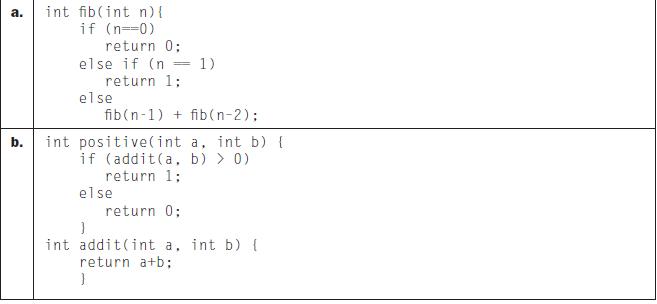
Functions can often be implemented by compilers “in-line.” An in-line function is when the body of the function is copied into the program space, allowing the overhead of the function call to be eliminated. Implement an “in-line” version of the the C code in the table in MIPS assembly. What is the reduction in the total number of MIPS assembly instructions needed to complete the function? Assume that the C variable n is initialized to 5.
a. b. int fib(int n) { if (n=-0) int return 0; else if (n = 1) return 1; else fib(n-1) + fib(n-2); positive(int if (addit(a, b) > 0) return 1; else return 0; } int addit(int a, int b) { return a+b; } a, int b) {
Step by Step Solution
3.42 Rating (152 Votes )
There are 3 Steps involved in it
First lets start with the C code given in the image and work on translating the logic into MIPS asse... View full answer

Get step-by-step solutions from verified subject matter experts
 Study Help