







Question: In Section 6.2.3, we made the comment Perception is reality. How does this play in the valuation of a tangible versus intangible asset? 6.2.3 Politics
In Section 6.2.3, we made the comment "Perception is reality." How does this play in the valuation of a tangible versus intangible asset?
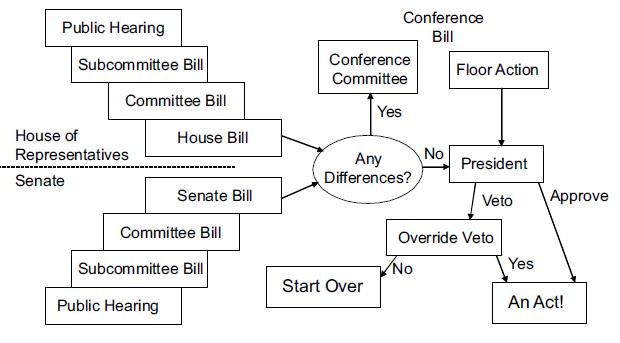
6.2.3 Politics to explore Our roadmap for this chapter would not be complete without underscoring three fundamental facets of wealth creation: (a) The concepts in this chapter have perishable aspects related to current and anticipated changes in the law, (b) new administrations may choose to be more or less vigilant about enforcing that laws are already on the books, and (c) if you create a lot of wealth through intellectual property, expect and plan on litigation. We often hear that "perception is reality." This, and "you get what you negotiate, not what is fair," apply to just about every intangible asset transaction! Figure 6.2 illustrates that laws generally do not arise from engineering "first principles" but rather involve a political, negotiated process. Because this process is not perfect, unintended consequences are common! The intellectual property field is not exempt and continues to undergo a radical transformation related to the passage of S.23, the Leahy-Smith America Invents Act. Many "truths" prior to the Act are affected and evolve in the years ahead. Sullivan's How our laws are made [12] sheds light on how you can improve the process. "Jump in, the water is fine."
Step by Step Solution
3.40 Rating (166 Votes )
There are 3 Steps involved in it

Get step-by-step solutions from verified subject matter experts
 Study Help