







Question: We conducted a second regression analysis on the data from the previous exercise. In addition to depression at year 1, we included a second independent
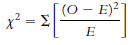
a. From this software output, write the regression equation.
b. As the first independent variable, depression at year 1, increases by 1 point, what happens to the predicted score on anxiety at year 3?
c. As the second independent variable, anxiety at year 1, increases by 1 point, what happens to the predicted score on anxiety at year 3?
d. Compare the predictive utility of depression at year 1 using the regression equation in the previous exercise and using the regression equation you just wrote in part (a) of this exercise. In which regression equation is depression at year 1 a better predictor? Given that we€™re using the same sample, is depression at year 1 actually better at predicting anxiety at year 3 in one regression equation versus the other? Why do you think there€™s a difference?
e. The accompanying table is the correlation matrix for the three variables. As you can see, all three are highly correlated with one another. If we look at the intersection of each pair of variables, the number next to €œPearson correlation€ is the correlation coefficient. For example, the correlation between €œAnxiety year 1€ and €œDepression year 1€ is .549. Which two variables show the strongest correlation? How might this explain the fact that depression at year 1 seems to be a better predictor when it€™s the only independent variable than when anxiety at year 1 also is included? What does this tell us about the importance of including third variables in the regression analyses when possible?
f. Let€™s say you want to add a fourth independent variable. You have to choose among three possible independent variables: (1) a variable highly correlated with both independent variables and the dependent variable, (2) a variable highly correlated with the dependent variable but not correlated with either independent variable, and (3) a variable not correlated with either of the independent variables or with the dependent variable. Which of the three variables is likely to make the multiple regression equation better? That is, which is likely to increase the proportionate reduction in error? Explain.
(0 - E) x 6D N(N? 1) 's = 1 -
Step by Step Solution
3.29 Rating (167 Votes )
There are 3 Steps involved in it
a Y 17038 0013X 1 0307X 2 or predicted year 3 anxiety 17038 0013 year 1 depression 0307 year 1 anxiety b As depression increases by 1 point predicted ... View full answer

Get step-by-step solutions from verified subject matter experts
Document Format (2 attachments)

1421_60547789c8a31_650285.pdf
180 KBs PDF File

1421_60547789c8a31_650285.docx
120 KBs Word File
 Study Help