



Question: 1) Consider a current of 4 A flowing through two resistors connected in serial. The resistances of two resistors are 25 and 55 Ohms. What


1)
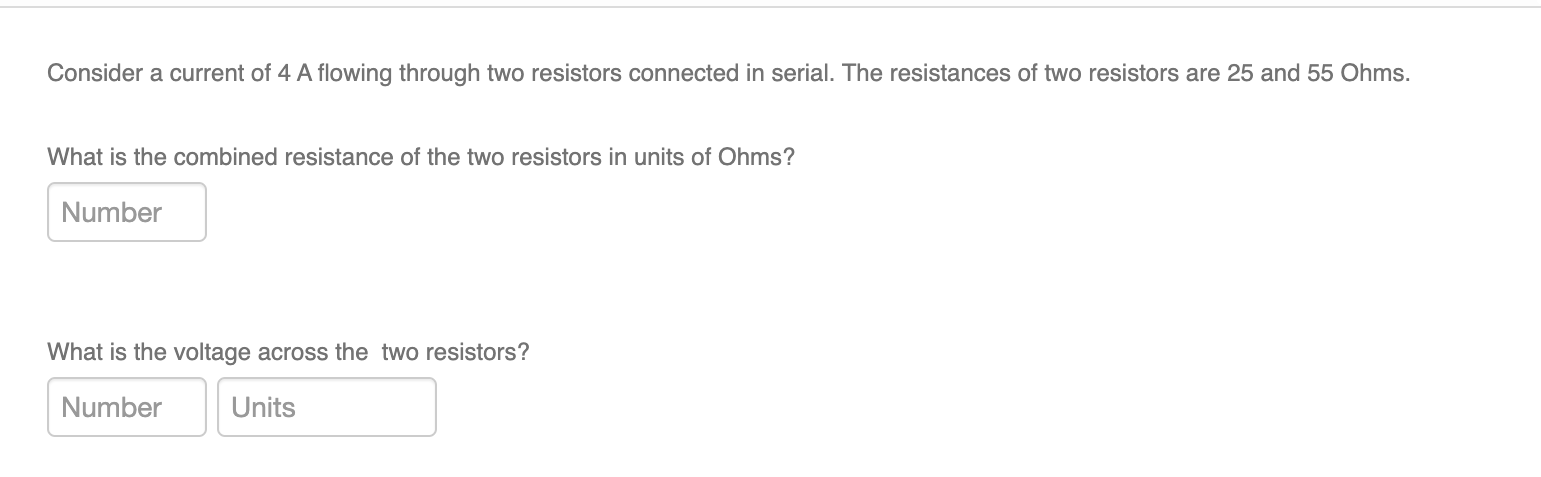
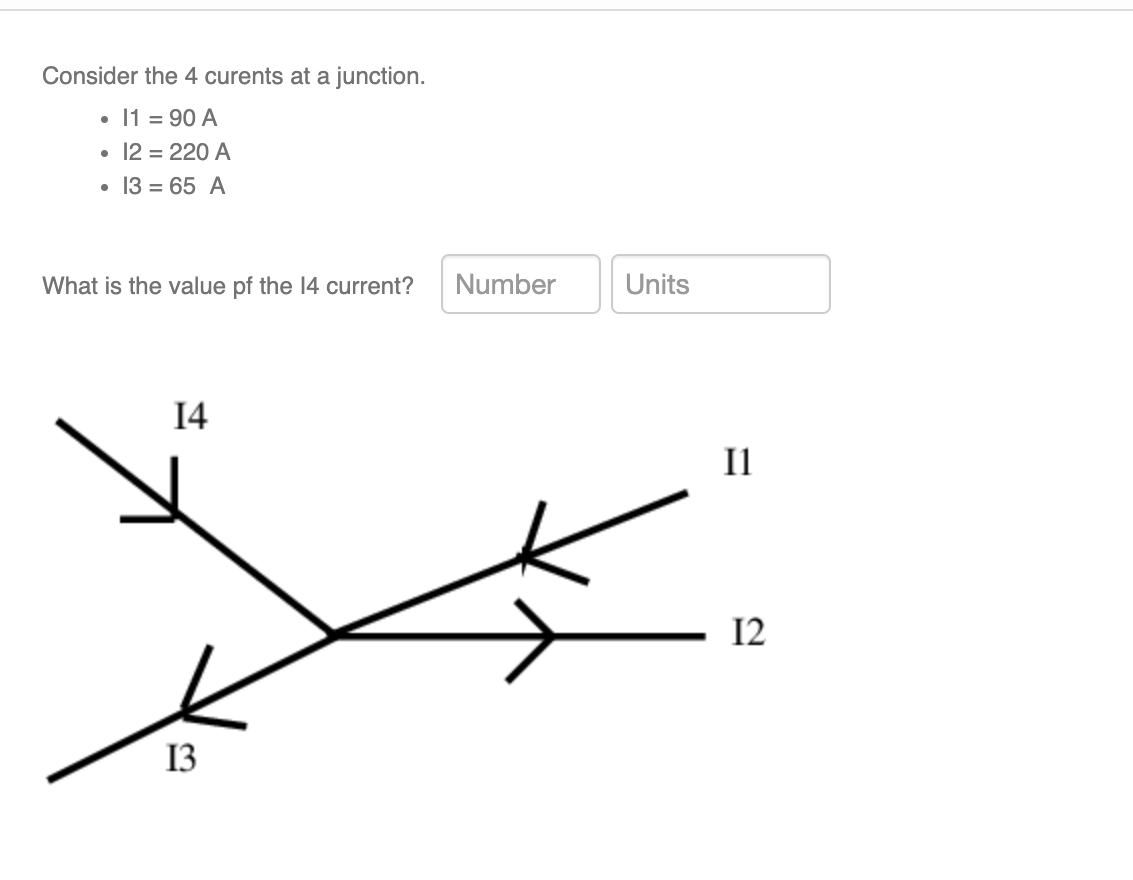

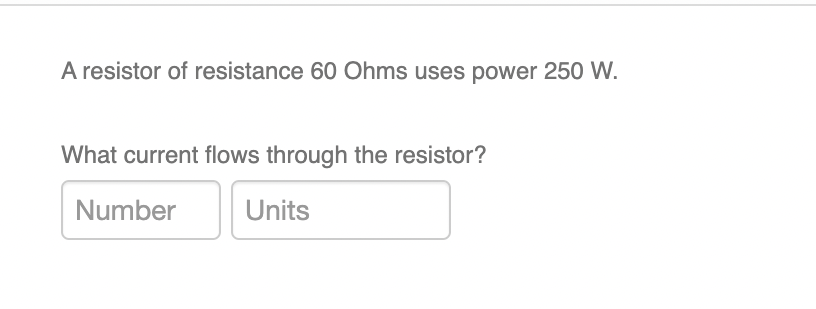

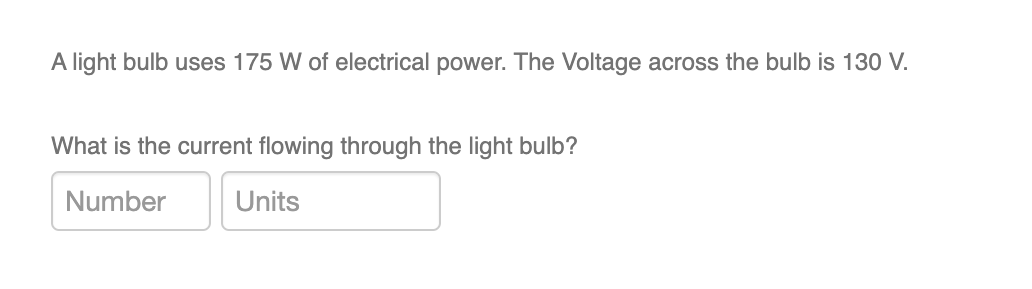
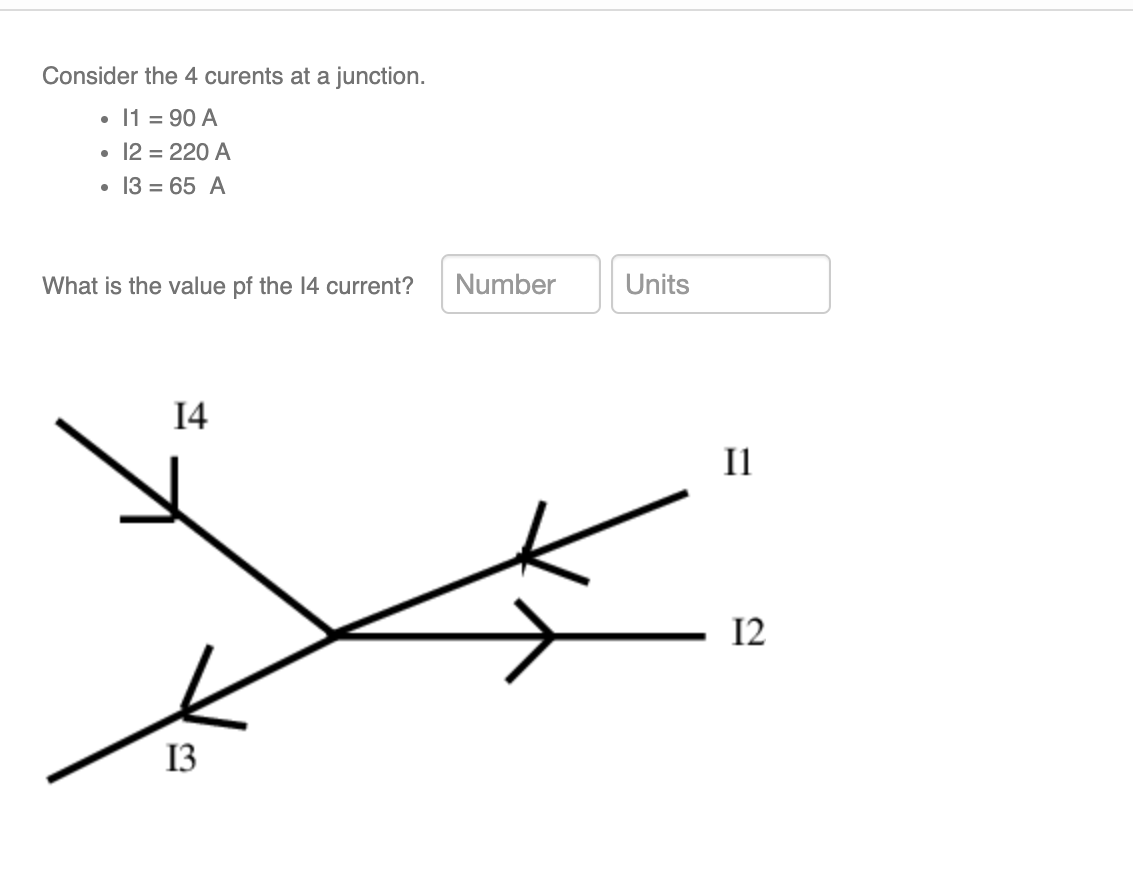
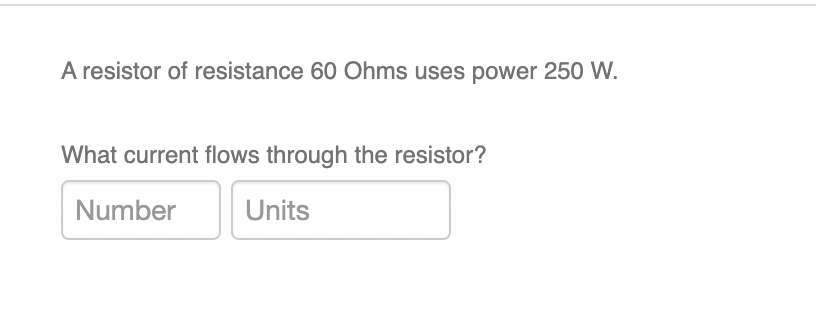
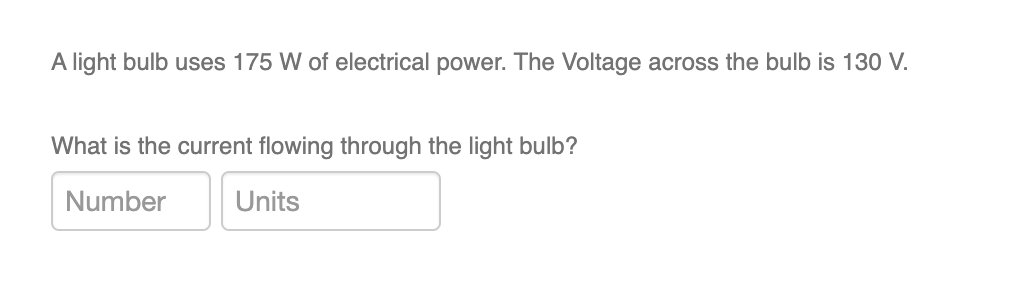
Consider a current of 4 A flowing through two resistors connected in serial. The resistances of two resistors are 25 and 55 Ohms. What is the combined resistance of the two resistors in units of Ohms? Number What is the voltage across the two resistors? Number Units Consider the 4 curents at a junction. . I1 =90A . I2=220A . l3=65 A What is the value pf the I4 current? l4 13 Number Units 11 12 A current of 190 A runs through a resistor of resistance of 140 Ohm. What is the Voltage accross the resistor? Number Units A resistor of resistance 60 Ohms uses power 250 W. What current flows through the resistor? Number Units A resistor with resistance 290 Ohms is in parallel with a resistor with resistance 500 Ohms What is the total resistance of this mini-circuit? Number A light bulb uses 175 W of electrical power. The Voltage across the bulb is 130 V. What is the current flowing through the light bulb? Number Units
Step by Step Solution
There are 3 Steps involved in it

Get step-by-step solutions from verified subject matter experts