



Question: 1. It has long been theorized that mating preferences in many animal groups are driven by a need for offspring to survive and pass on
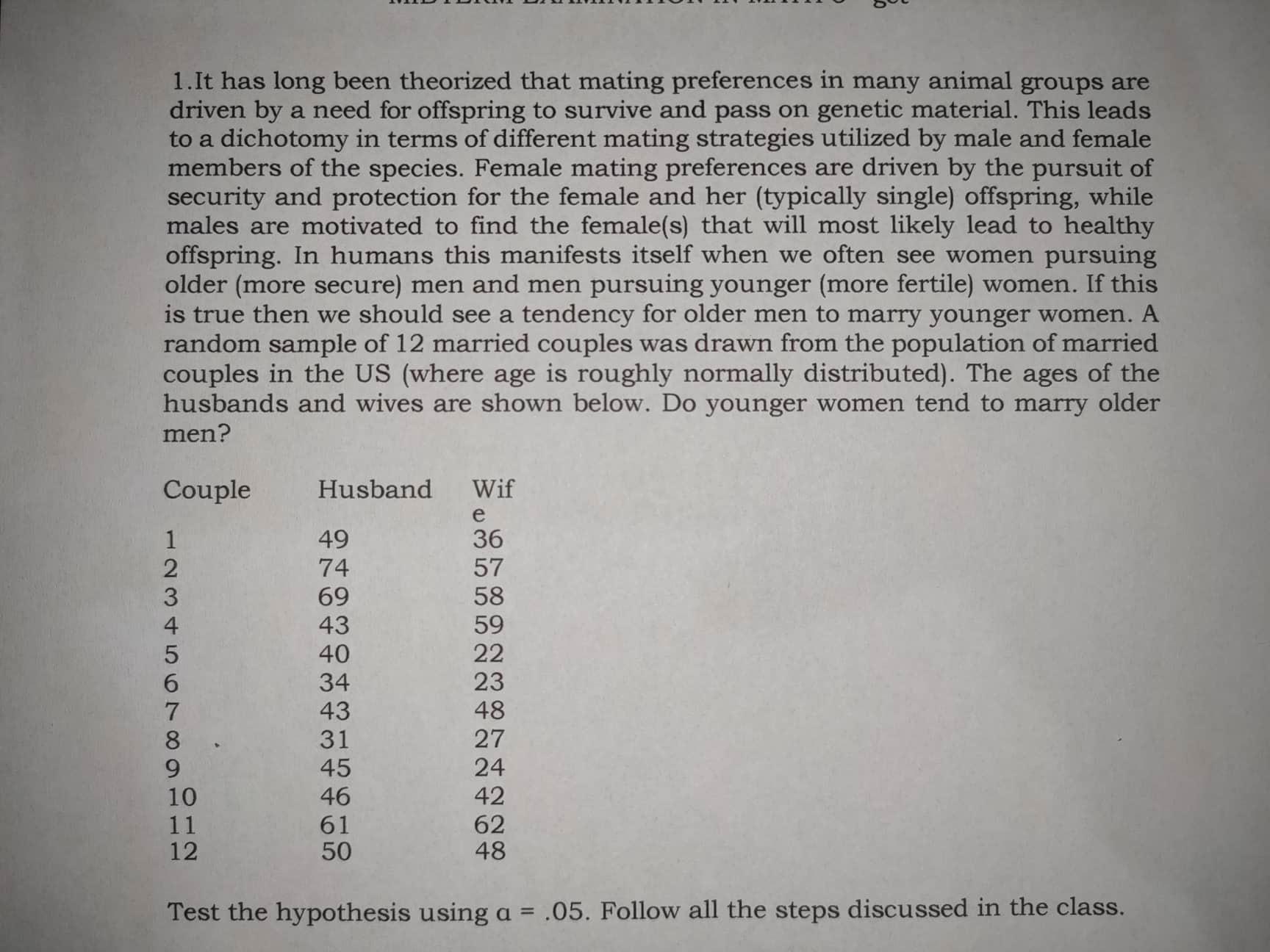
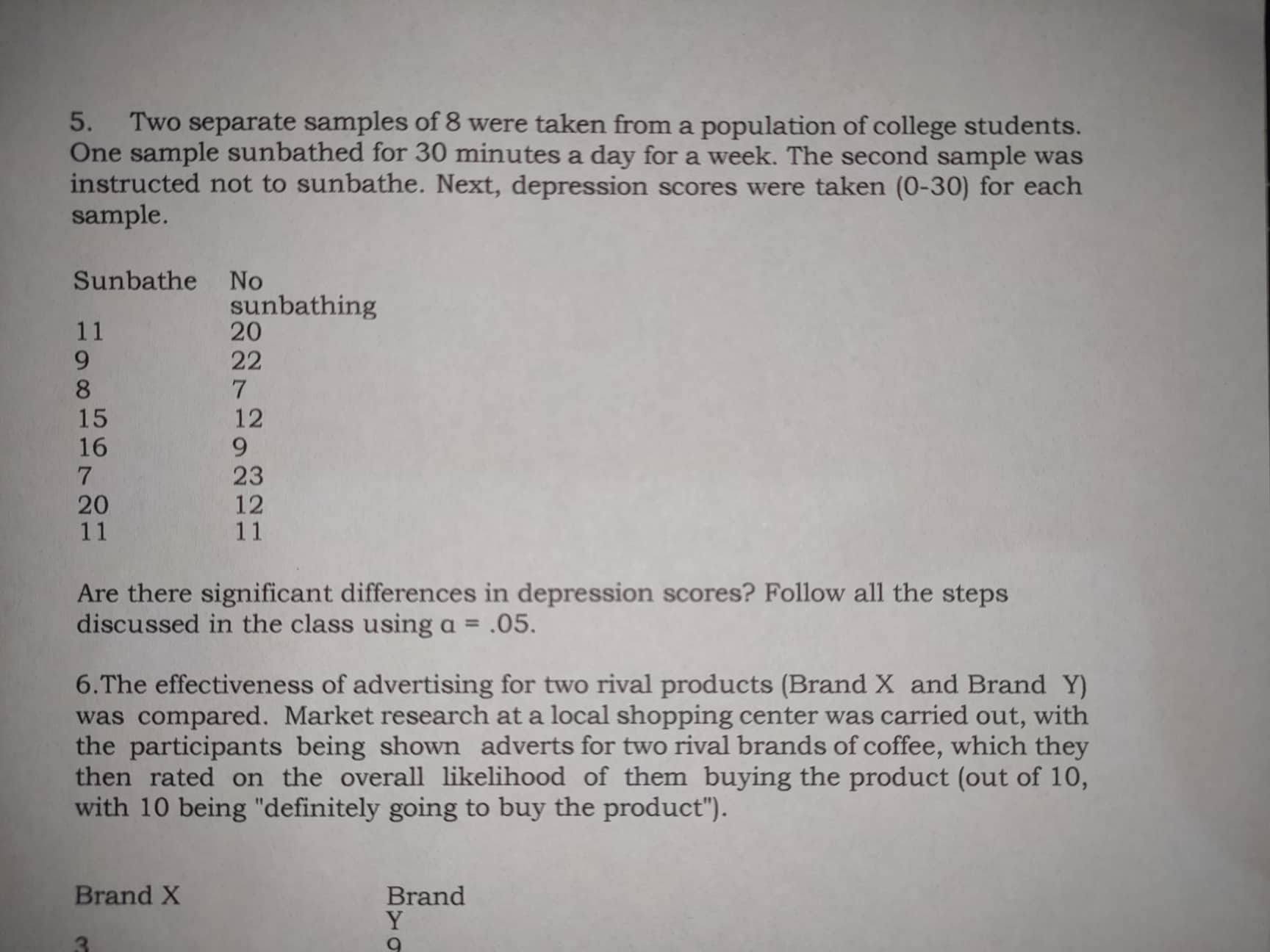
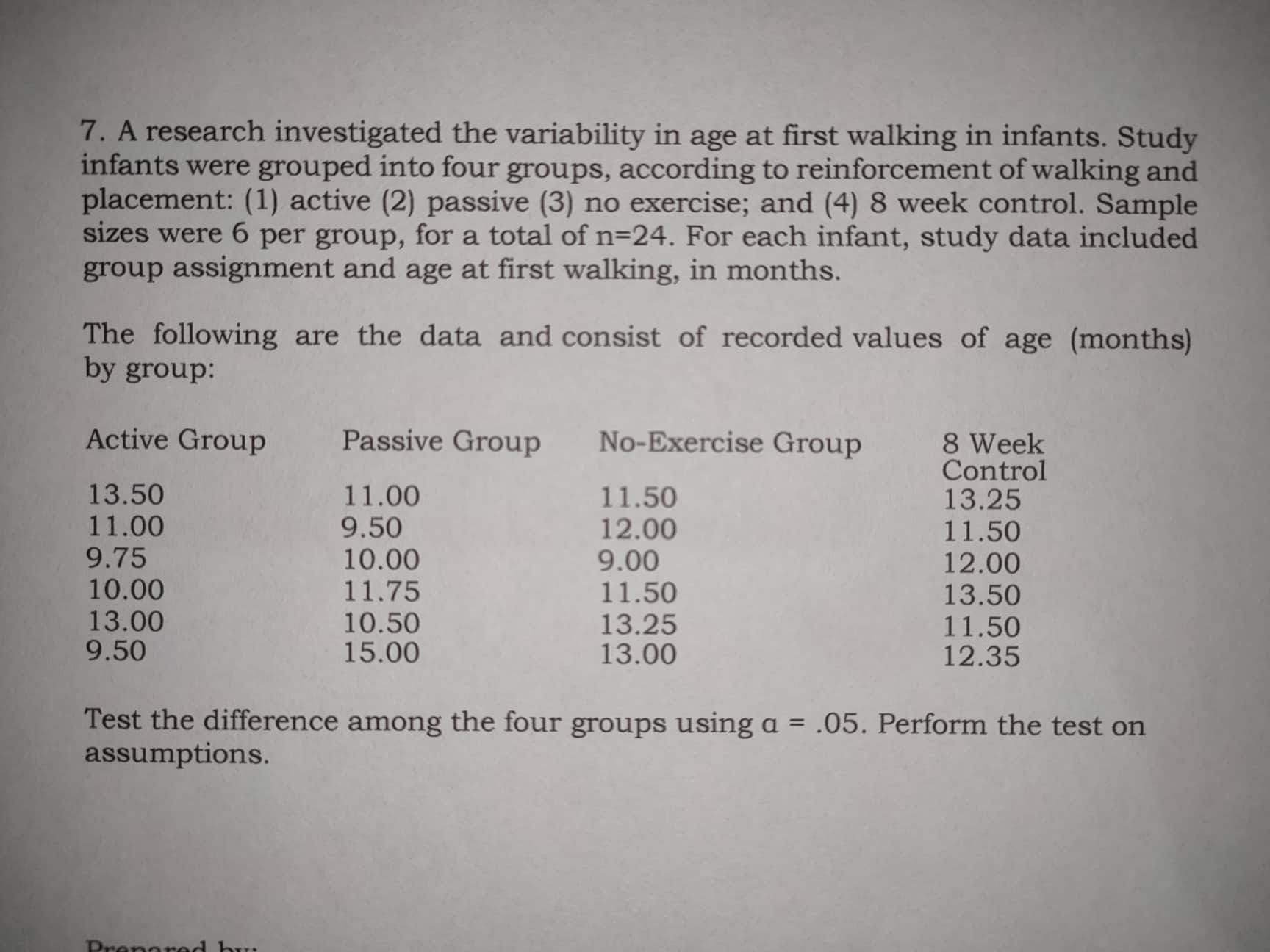

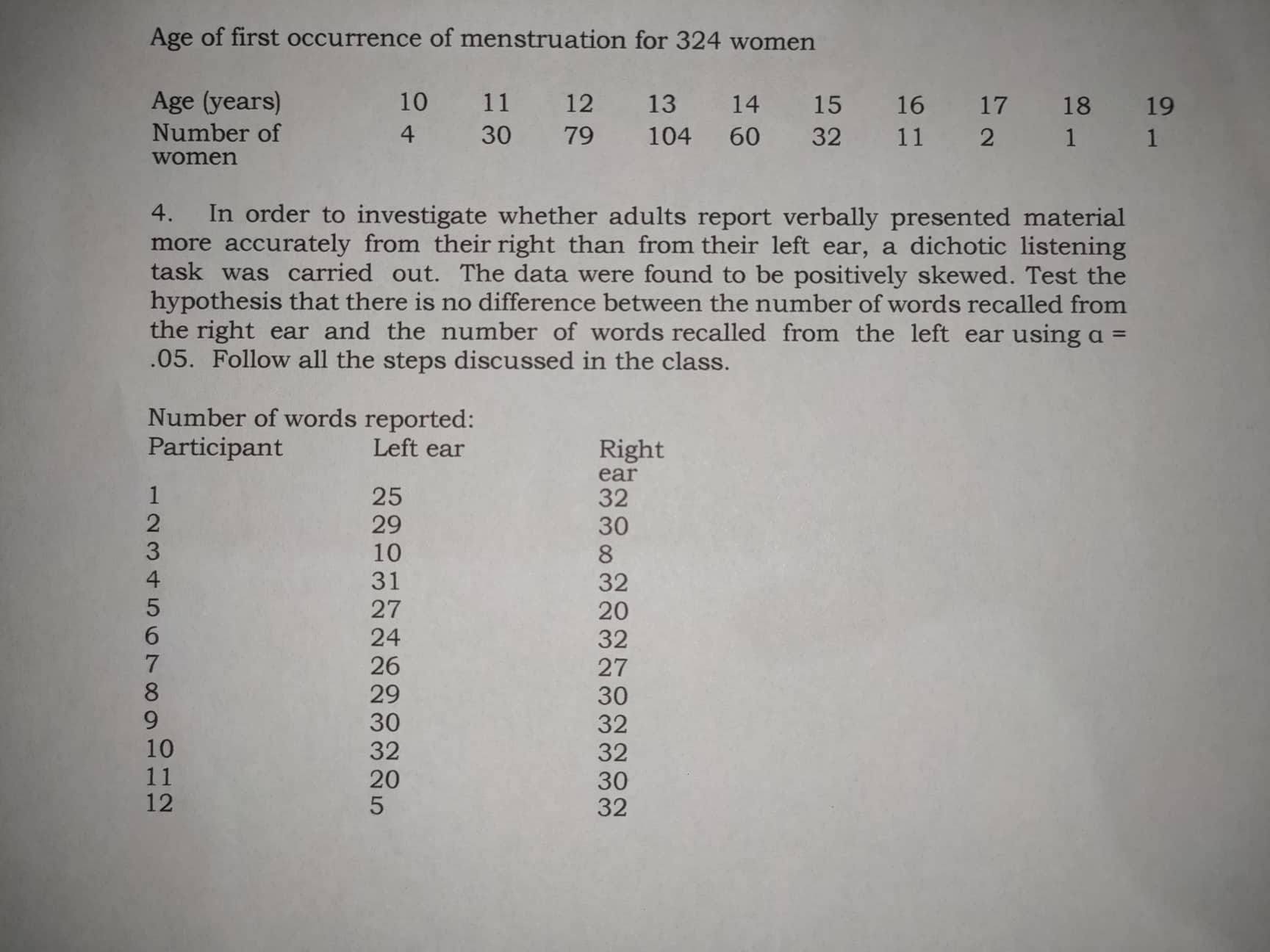
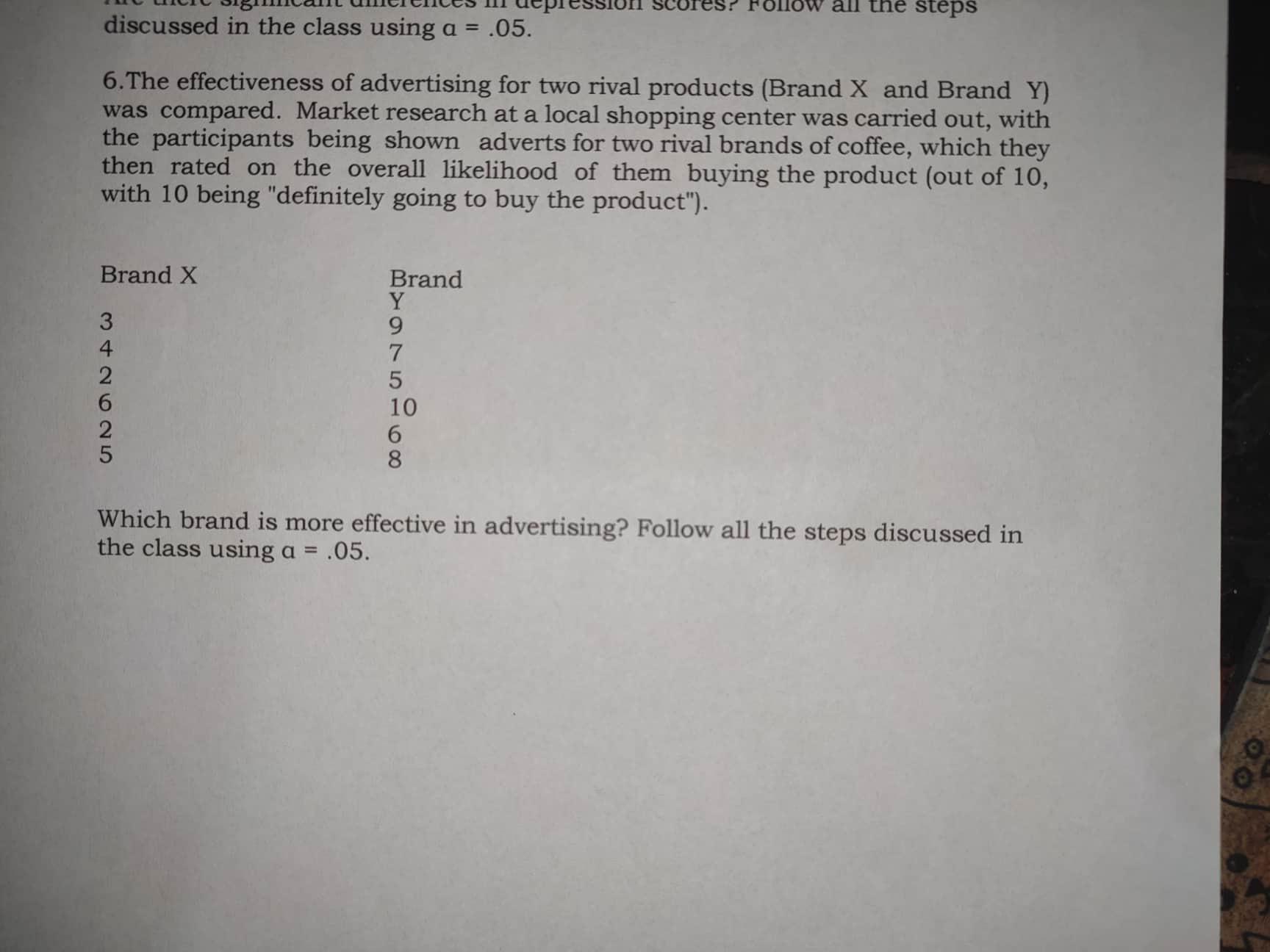
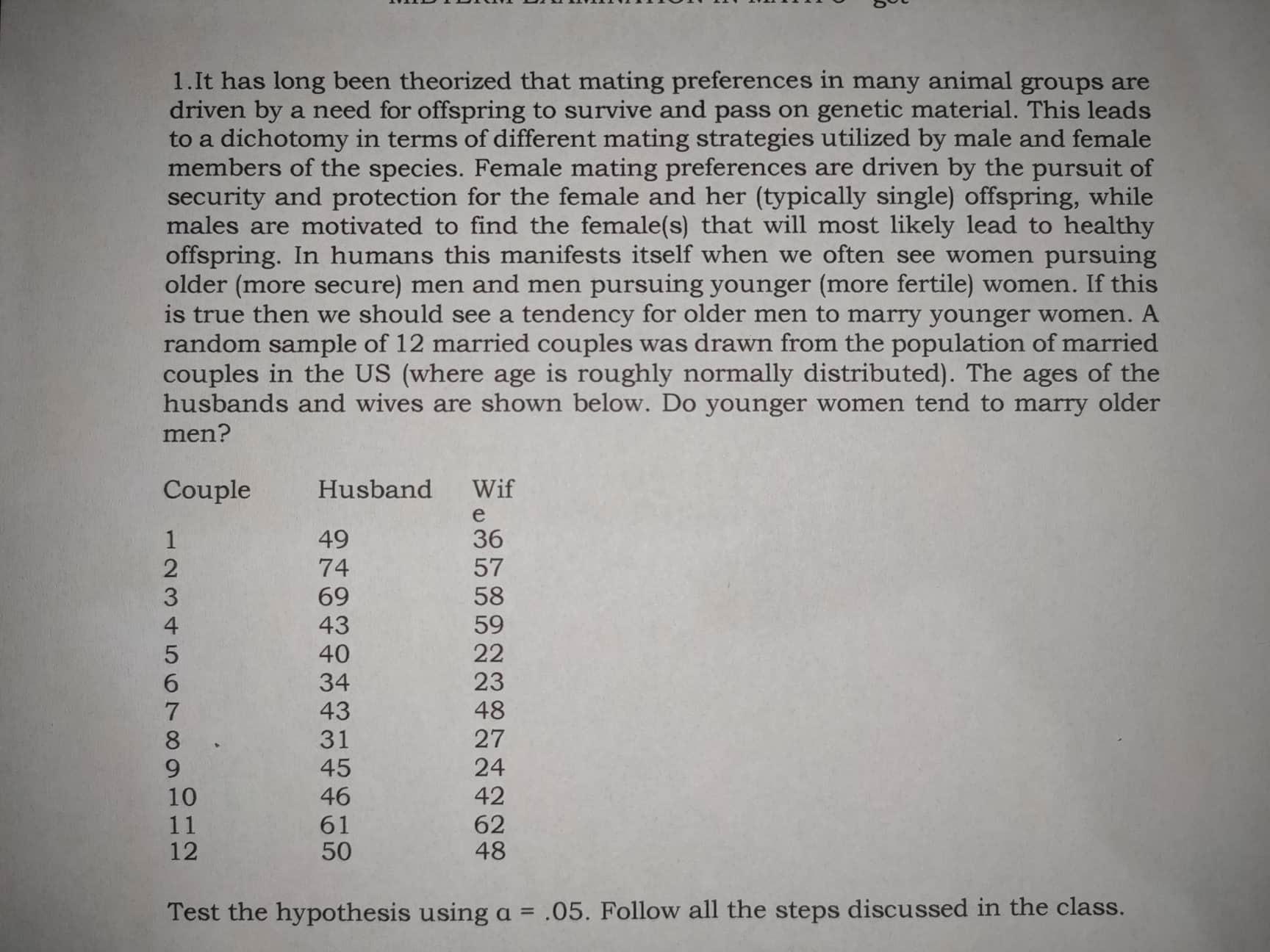
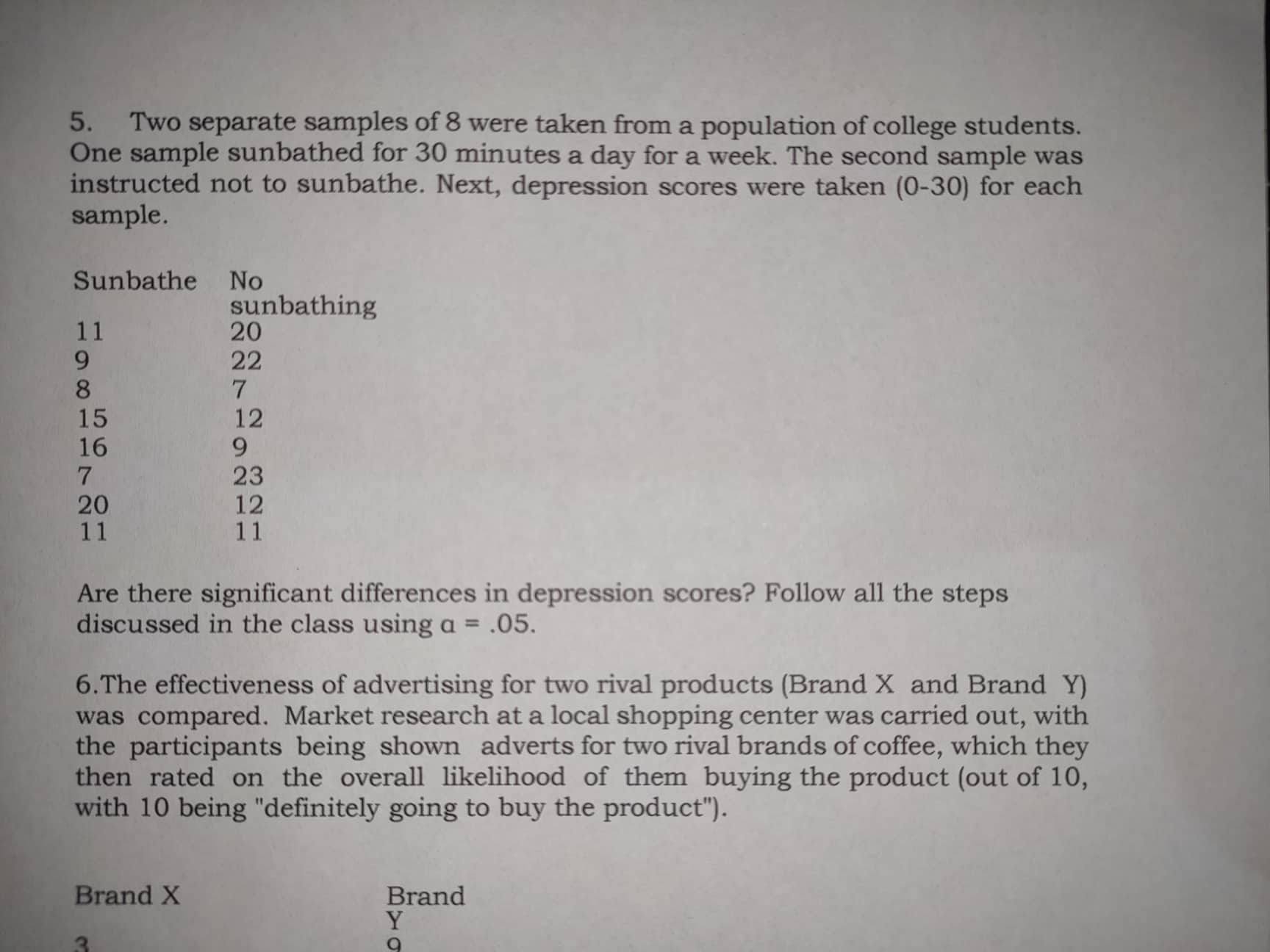
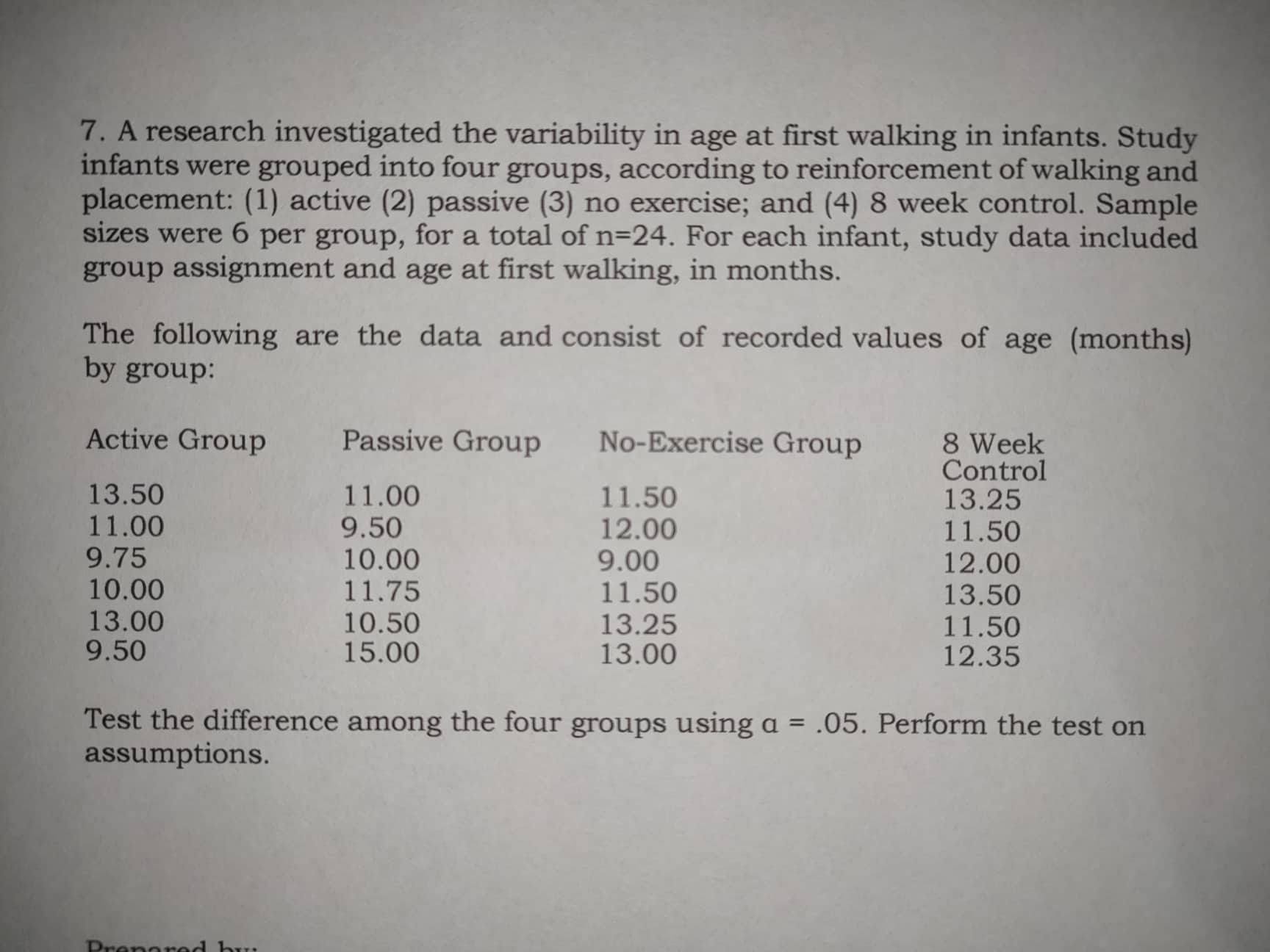

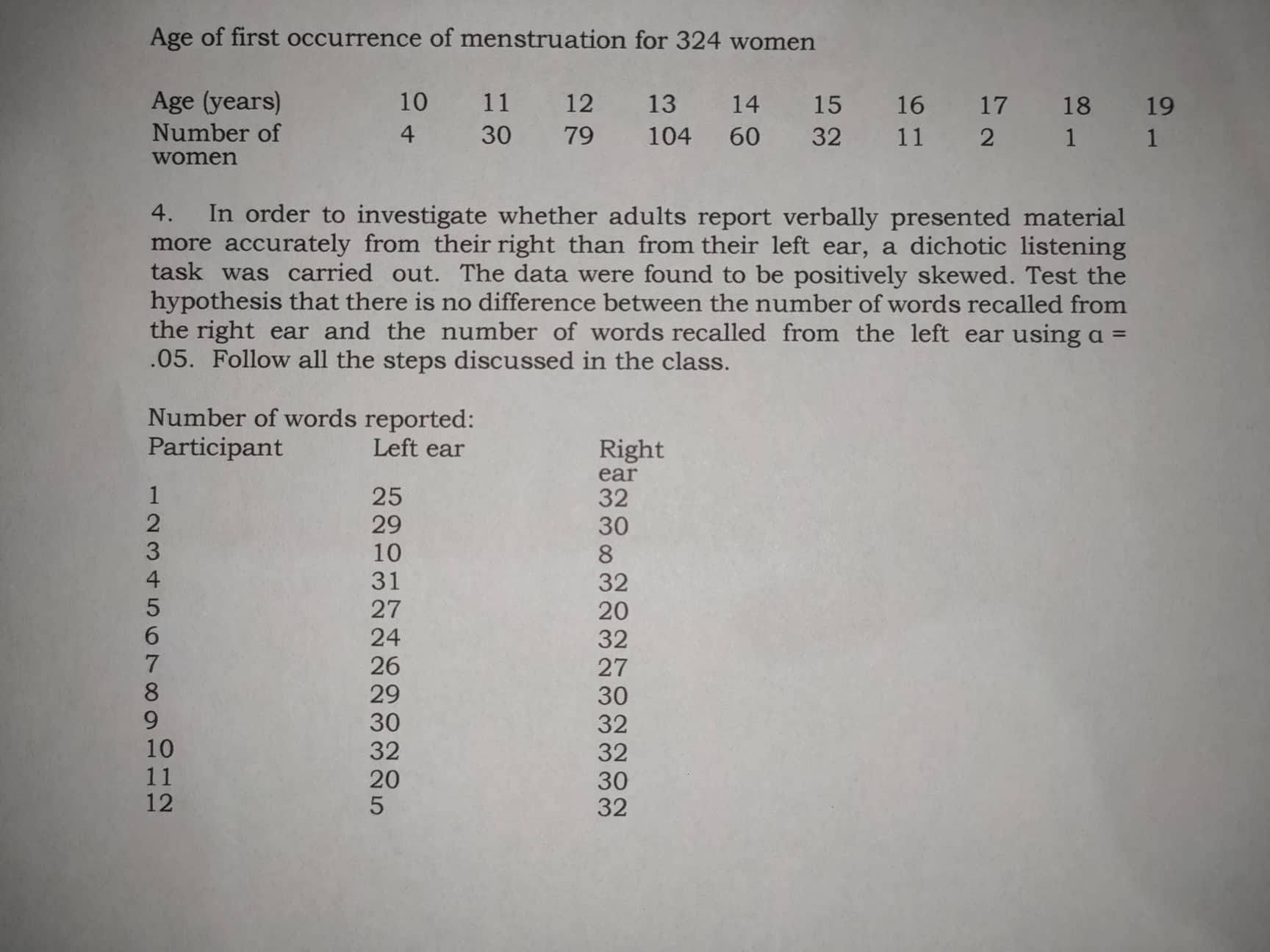
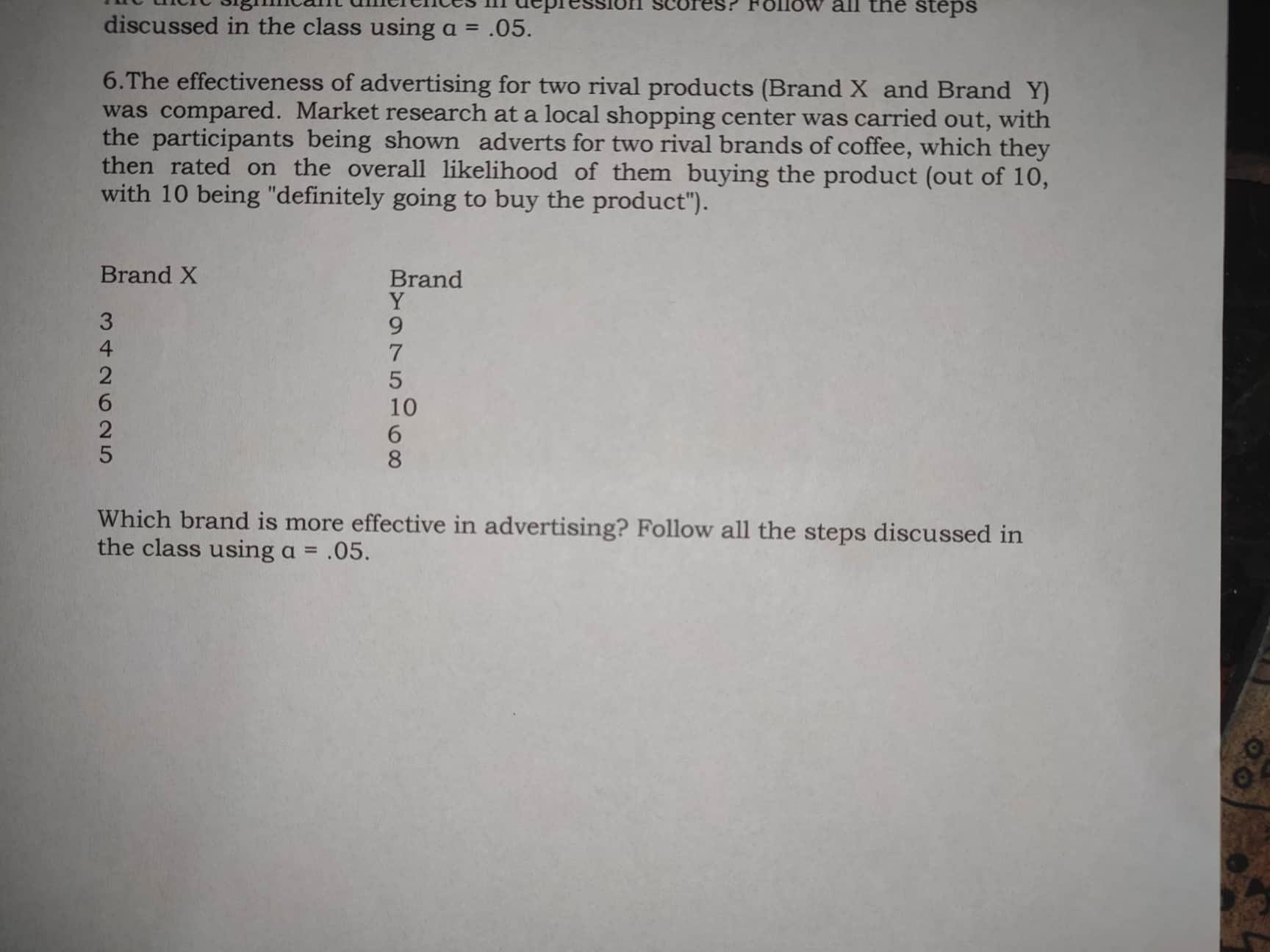
1. It has long been theorized that mating preferences in many animal groups are driven by a need for offspring to survive and pass on genetic material. This leads to a dichotomy in terms of different mating strategies utilized by male and female members of the species. Female mating preferences are driven by the pursuit of security and protection for the female and her (typically single) offspring, while males are motivated to find the female(s) that will most likely lead to healthy offspring. In humans this manifests itself when we often see women pursuing older (more secure) men and men pursuing younger (more fertile) women. If this is true then we should see a tendency for older men to marry younger women. A random sample of 12 married couples was drawn from the population of married couples in the US (where age is roughly normally distributed). The ages of the husbands and wives are shown below. Do younger women tend to marry older men? Couple Husband Wif e 49 36 74 57 69 58 43 59 6 00 VOUIA WNH 40 22 34 23 43 48 31 27 45 24 10 46 42 11 61 62 12 50 48 Test the hypothesis using a = .05. Follow all the steps discussed in the class.5. Two separate samples of 8 were taken from a population of college students. One sample sunbathed for 30 minutes a day for a week. The second sample was instructed not to sunbathe. Next, depression scores were taken (0-30) for each sample. Sunbathe No sunbathing 11 20 9 22 8 7 15 12 16 9 7 23 20 12 1 1 11 Are there significant differences in depression scores? Follow all the steps discussed in the class using a = .05. 6. The effectiveness of advertising for two rival products (Brand X and Brand Y) was compared. Market research at a local shopping center was carried out, with the participants being shown adverts for two rival brands of coffee, which they then rated on the overall likelihood of them buying the product (out of 10, with 10 being "definitely going to buy the product"). Brand X Brand Y7. A research investigated the variability in age at first walking in infants. Study infants were grouped into four groups, according to reinforcement of walking and placement: (1) active (2) passive (3) no exercise; and (4) 8 week control. Sample sizes were 6 per group, for a total of n=24. For each infant, study data included group assignment and age at first walking, in months. The following are the data and consist of recorded values of age (months) by group: Active Group Passive Group No-Exercise Group 8 Week Control 13.50 11.00 11.50 13.25 11.00 9.50 12.00 1 1.50 9.75 10.00 9.00 12.00 10.00 11.75 11.50 13.50 13.00 10.50 13.25 11.50 9.50 15.00 13.00 12.35 Test the difference among the four groups using a = .05. Perform the test on assumptions.2. Data shows the average yield of the farm is 4.54 MT/hectare. They decide to test a new organic fertilizer on a smaller sample of farms and observe the new yield for 12 different farms in metric tons per hectare. 3.52, 4.51, 4.56, 5.20, 4.58, 3.22, 2.19, 3.53, 4.41, 3.19, 4.16, 3.96 Did the new fertilizer work? Test the hypothesis using a = .05. Follow all the steps discussed in the class. 3. The table below shows the age of first occurrence of menstruation for 324 women. Test the null hypothesis that this data came from a normal distribution using a = .05. Follow all the steps discussed in the class.Age of first occurrence of menstruation for 324 women Age (years) 10 11 12 13 14 15 16 17 18 19 Number of 4 30 79 104 60 32 11 2 1 1 women 4. In order to investigate whether adults report verbally presented material more accurately from their right than from their left ear, a dichotic listening task was carried out. The data were found to be positively skewed. Test the hypothesis that there is no difference between the number of words recalled from the right ear and the number of words recalled from the left ear using a = .05. Follow all the steps discussed in the class. Number of words reported: Participant Left ear Right ear 25 32 29 30 10 8 31 32 27 20 24 32 26 27 29 30 30 32 32 32 20 30 12 5 32teps discussed in the class using a = .05. 6. The effectiveness of advertising for two rival products (Brand X and Brand Y) was compared. Market research at a local shopping center was carried out, with the participants being shown adverts for two rival brands of coffee, which they then rated on the overall likelihood of them buying the product (out of 10, with 10 being "definitely going to buy the product"). Brand X Brand K 9 7 5 UINONAW 10 6 8 Which brand is more effective in advertising? Follow all the steps discussed in the class using a = .05
Step by Step Solution
There are 3 Steps involved in it

Get step-by-step solutions from verified subject matter experts