







Question: 1. Read: All the previous FOUR Case Group Discussion posts ( 2. Complete: Use recordings in Individual Case Group Worksheets to integrate, synthesize, and as
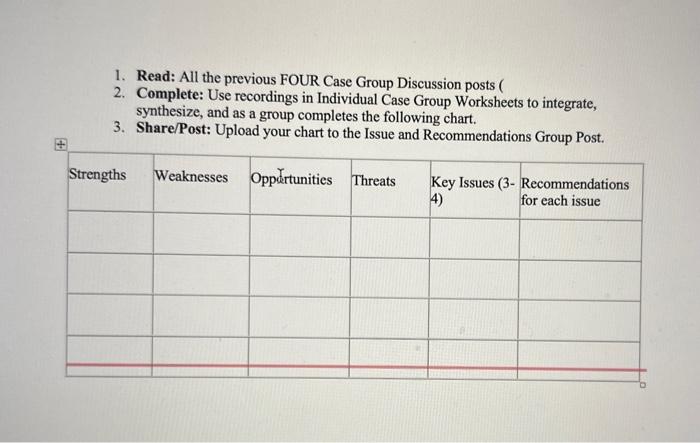
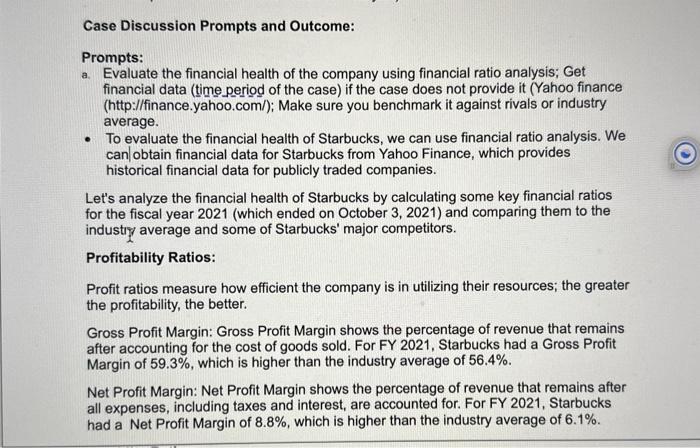
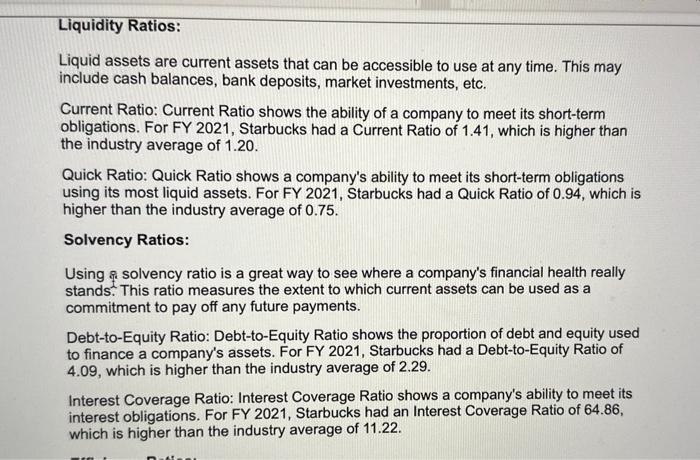
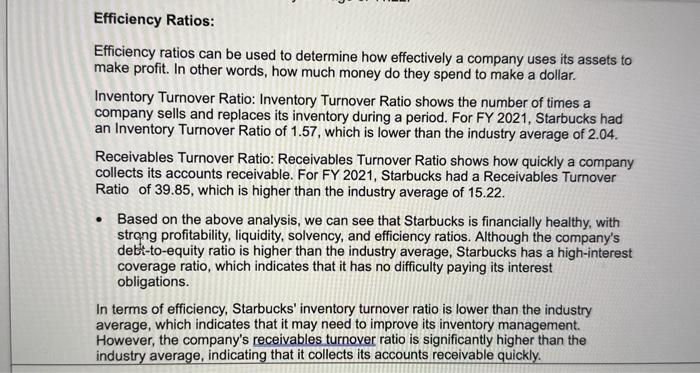
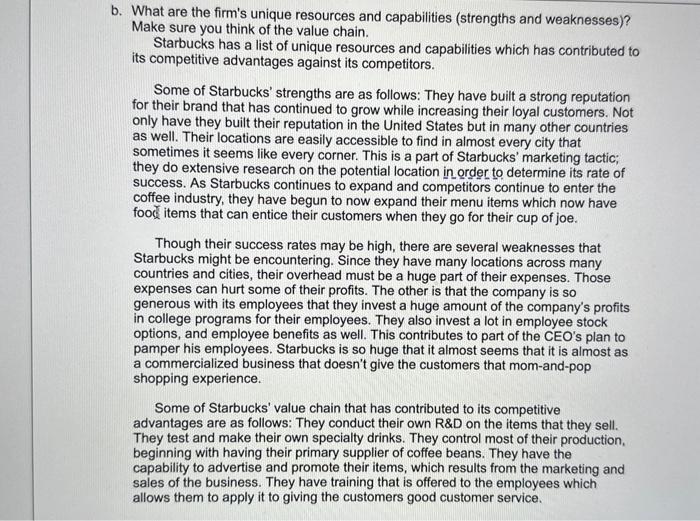
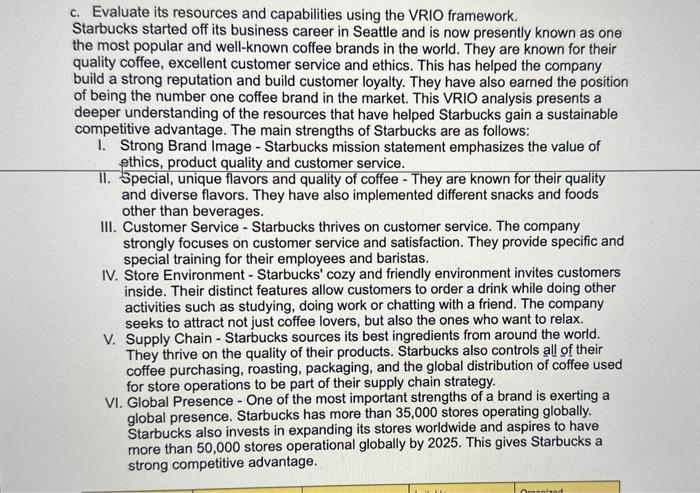
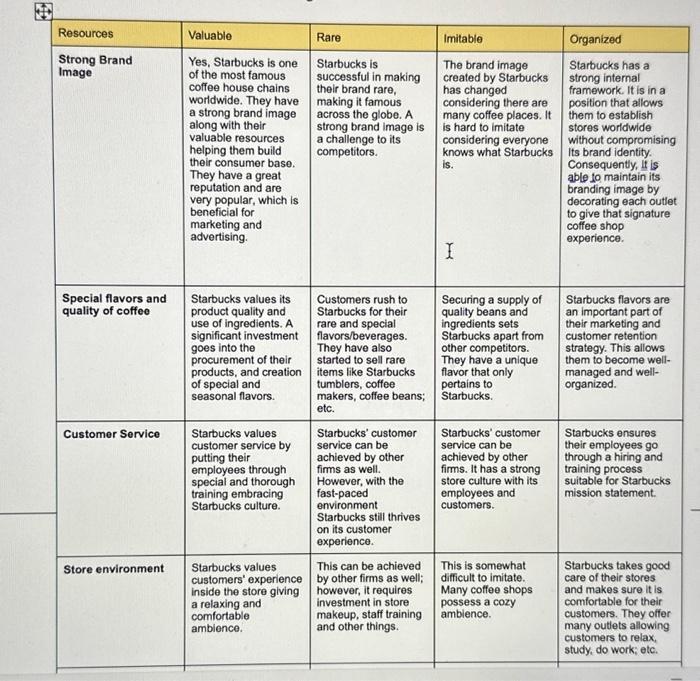
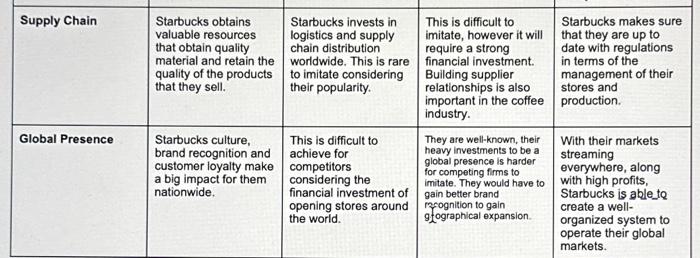
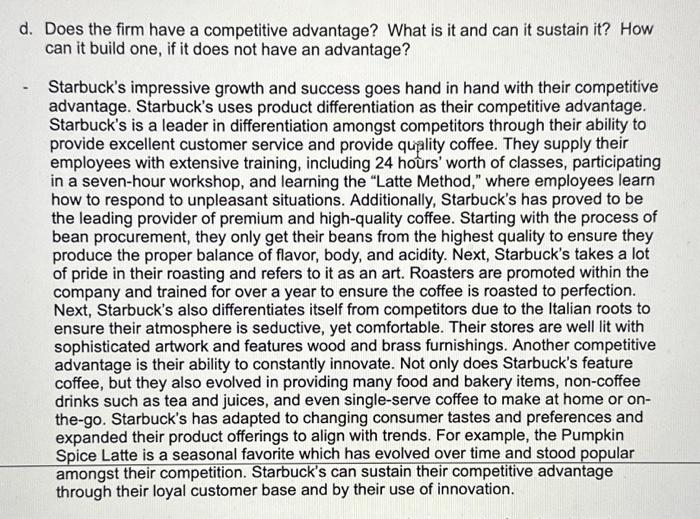
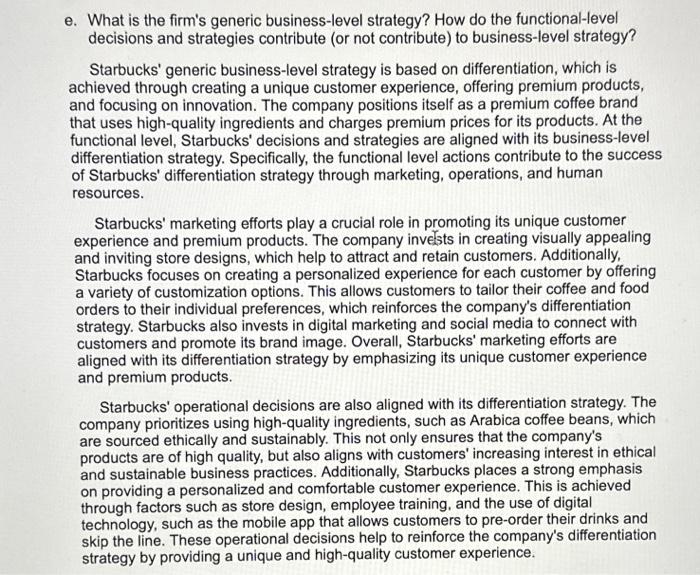
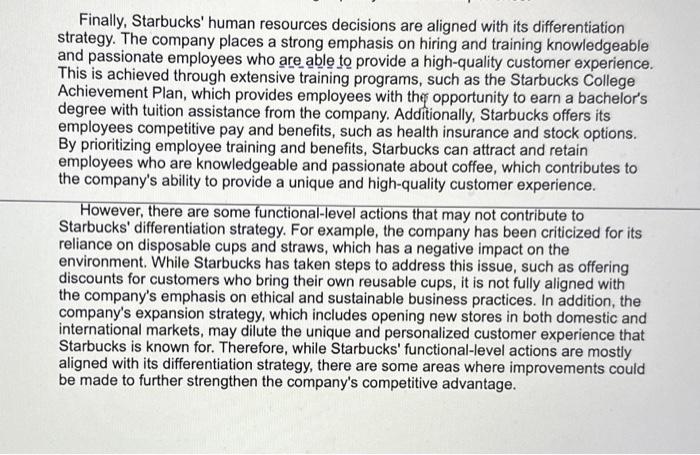
1. Read: All the previous FOUR Case Group Discussion posts ( 2. Complete: Use recordings in Individual Case Group Worksheets to integrate, synthesize, and as a group completes the following chart. 3. Share/Post: Upload your chart to the Issue and Recommendations Group Post. Case Discussion Prompts and Outcome: Prompts: a. Evaluate the financial health of the company using financial ratio analysis; Get financial data (time period of the case) if the case does not provide it (Yahoo finance (http://finance.yahoo.com/); Make sure you benchmark it against rivals or industry average. - To evaluate the financial health of Starbucks, we can use financial ratio analysis. We can|obtain financial data for Starbucks from Yahoo Finance, which provides historical financial data for publicly traded companies. Let's analyze the financial health of Starbucks by calculating some key financial ratios for the fiscal year 2021 (which ended on October 3,2021 ) and comparing them to the industiy average and some of Starbucks' major competitors. Profitability Ratios: Profit ratios measure how efficient the company is in utilizing their resources; the greater the profitability, the better. Gross Profit Margin: Gross Profit Margin shows the percentage of revenue that remains after accounting for the cost of goods sold. For FY 2021, Starbucks had a Gross Profit Margin of 59.3%, which is higher than the industry average of 56.4%. Net Profit Margin: Net Profit Margin shows the percentage of revenue that remains after all expenses, including taxes and interest, are accounted for. For FY 2021, Starbucks had a Net Profit Margin of 8.8%, which is higher than the industry average of 6.1%. Liquid assets are current assets that can be accessible to use at any time. This may include cash balances, bank deposits, market investments, etc. Current Ratio: Current Ratio shows the ability of a company to meet its short-term obligations. For FY 2021, Starbucks had a Current Ratio of 1.41, which is higher than the industry average of 1.20 . Quick Ratio: Quick Ratio shows a company's ability to meet its short-term obligations using its most liquid assets. For FY 2021, Starbucks had a Quick Ratio of 0.94 , which is higher than the industry average of 0.75 . Solvency Ratios: Using q solvency ratio is a great way to see where a company's financial health really stands. This ratio measures the extent to which current assets can be used as a commitment to pay off any future payments. Debt-to-Equity Ratio: Debt-to-Equity Ratio shows the proportion of debt and equity used to finance a company's assets. For FY 2021, Starbucks had a Debt-to-Equity Ratio of 4.09 , which is higher than the industry average of 2.29 . Interest Coverage Ratio: Interest Coverage Ratio shows a company's ability to meet its interest obligations. For FY 2021, Starbucks had an Interest Coverage Ratio of 64.86 , which is higher than the industry average of 11.22 . Efficiency Ratios: Efficiency ratios can be used to determine how effectively a company uses its assets to make profit. In other words, how much money do they spend to make a dollar. Inventory Turnover Ratio: Inventory Turnover Ratio shows the number of times a company sells and replaces its inventory during a period. For FY 2021 , Starbucks had an Inventory Turnover Ratio of 1.57, which is lower than the industry average of 2.04 . Receivables Turnover Ratio: Receivables Turnover Ratio shows how quickly a company collects its accounts receivable. For FY 2021, Starbucks had a Receivables Turnover Ratio of 39.85 , which is higher than the industry average of 15.22 . - Based on the above analysis, we can see that Starbucks is financially healthy, with strong profitability, liquidity, solvency, and efficiency ratios. Although the company's debt-to-equity ratio is higher than the industry average, Starbucks has a high-interest coverage ratio, which indicates that it has no difficulty paying its interest obligations. In terms of efficiency, Starbucks' inventory turnover ratio is lower than the industry average, which indicates that it may need to improve its inventory management. However, the company's receivables turnover ratio is significantly higher than the industry average, indicating that it collects its accounts receivable quickly. What are the firm's unique resources and capabilities (strengths and weaknesses)? Make sure you think of the value chain. Starbucks has a list of unique resources and capabilities which has contributed to its competitive advantages against its competitors. Some of Starbucks' strengths are as follows: They have built a strong reputation for their brand that has continued to grow while increasing their loyal customers. Not only have they built their reputation in the United States but in many other countries as well. Their locations are easily accessible to find in almost every city that sometimes it seems like every corner. This is a part of Starbucks' marketing tactic; they do extensive research on the potential location in order to determine its rate of success. As Starbucks continues to expand and competitors continue to enter the coffee industry, they have begun to now expand their menu items which now have food items that can entice their customers when they go for their cup of joe. Though their success rates may be high, there are several weaknesses that Starbucks might be encountering. Since they have many locations across many countries and cities, their overhead must be a huge part of their expenses. Those expenses can hurt some of their profits. The other is that the company is so generous with its employees that they invest a huge amount of the company's profits in college programs for their employees. They also invest a lot in employee stock options, and employee benefits as well. This contributes to part of the CEO's plan to pamper his employees. Starbucks is so huge that it almost seems that it is almost as a commercialized business that doesn't give the customers that mom-and-pop shopping experience. Some of Starbucks' value chain that has contributed to its competitive advantages are as follows: They conduct their own R\&D on the items that they sell. They test and make their own specialty drinks. They control most of their production. beginning with having their primary supplier of coffee beans. They have the capability to advertise and promote their items, which results from the marketing and sales of the business. They have training that is offered to the employees which allows them to apply it to giving the customers good customer service. c. Evaluate its resources and capabilities using the VRIO framework. Starbucks started off its business career in Seattle and is now presently known as one the most popular and well-known coffee brands in the world. They are known for their quality coffee, excellent customer service and ethics. This has helped the company build a strong reputation and build customer loyalty. They have also earned the position of being the number one coffee brand in the market. This VRIO analysis presents a deeper understanding of the resources that have helped Starbucks gain a sustainable competitive advantage. The main strengths of Starbucks are as follows: I. Strong Brand Image - Starbucks mission statement emphasizes the value of pthics, product quality and customer service. II. special, unique flavors and quality of coffee - They are known for their quality and diverse flavors. They have also implemented different snacks and foods other than beverages. III. Customer Service - Starbucks thrives on customer service. The company strongly focuses on customer service and satisfaction. They provide specific and special training for their employees and baristas. IV. Store Environment - Starbucks' cozy and friendly environment invites customers inside. Their distinct features allow customers to order a drink while doing other activities such as studying, doing work or chatting with a friend. The company seeks to attract not just coffee lovers, but also the ones who want to relax. V. Supply Chain - Starbucks sources its best ingredients from around the world. They thrive on the quality of their products. Starbucks also controls all of their coffee purchasing, roasting, packaging, and the global distribution of coffee used for store operations to be part of their supply chain strategy. VI. Global Presence - One of the most important strengths of a brand is exerting a global presence. Starbucks has more than 35,000 stores operating globally. Starbucks also invests in expanding its stores worldwide and aspires to have more than 50,000 stores operational globally by 2025 . This gives Starbucks a strong competitive advantage. Does the firm have a competitive advantage? What is it and can it sustain it? How can it build one, if it does not have an advantage? Starbuck's impressive growth and success goes hand in hand with their competitive advantage. Starbuck's uses product differentiation as their competitive advantage. Starbuck's is a leader in differentiation amongst competitors through their ability to provide excellent customer service and provide quality coffee. They supply their employees with extensive training, including 24 hours' worth of classes, participating in a seven-hour workshop, and learning the "Latte Method," where employees learn how to respond to unpleasant situations. Additionally, Starbuck's has proved to be the leading provider of premium and high-quality coffee. Starting with the process of bean procurement, they only get their beans from the highest quality to ensure they produce the proper balance of flavor, body, and acidity. Next, Starbuck's takes a lot of pride in their roasting and refers to it as an art. Roasters are promoted within the company and trained for over a year to ensure the coffee is roasted to perfection. Next, Starbuck's also differentiates itself from competitors due to the Italian roots to ensure their atmosphere is seductive, yet comfortable. Their stores are well lit with sophisticated artwork and features wood and brass furnishings. Another competitive advantage is their ability to constantly innovate. Not only does Starbuck's feature coffee, but they also evolved in providing many food and bakery items, non-coffee drinks such as tea and juices, and even single-serve coffee to make at home or onthe-go. Starbuck's has adapted to changing consumer tastes and preferences and expanded their product offerings to align with trends. For example, the Pumpkin Spice Latte is a seasonal favorite which has evolved over time and stood popular amongst their competition. Starbuck's can sustain their competitive advantage through their loyal customer base and by their use of innovation. e. What is the firm's generic business-level strategy? How do the functional-level decisions and strategies contribute (or not contribute) to business-level strategy? Starbucks' generic business-level strategy is based on differentiation, which is achieved through creating a unique customer experience, offering premium products, and focusing on innovation. The company positions itself as a premium coffee brand that uses high-quality ingredients and charges premium prices for its products. At the functional level, Starbucks' decisions and strategies are aligned with its business-level differentiation strategy. Specifically, the functional level actions contribute to the success of Starbucks' differentiation strategy through marketing, operations, and human resources. Starbucks' marketing efforts play a crucial role in promoting its unique customer experience and premium products. The company invelsts in creating visually appealing and inviting store designs, which help to attract and retain customers. Additionally, Starbucks focuses on creating a personalized experience for each customer by offering a variety of customization options. This allows customers to tailor their coffee and food orders to their individual preferences, which reinforces the company's differentiation strategy. Starbucks also invests in digital marketing and social media to connect with customers and promote its brand image. Overall, Starbucks' marketing efforts are aligned with its differentiation strategy by emphasizing its unique customer experience and premium products. Starbucks' operational decisions are also aligned with its differentiation strategy. The company prioritizes using high-quality ingredients, such as Arabica coffee beans, which are sourced ethically and sustainably. This not only ensures that the company's products are of high quality, but also aligns with customers' increasing interest in ethical and sustainable business practices. Additionally, Starbucks places a strong emphasis on providing a personalized and comfortable customer experience. This is achieved through factors such as store design, employee training, and the use of digital technology, such as the mobile app that allows customers to pre-order their drinks and skip the line. These operational decisions help to reinforce the company's differentiation strategy by providing a unique and high-quality customer experience. Finally, Starbucks' human resources decisions are aligned with its differentiation strategy. The company places a strong emphasis on hiring and training knowledgeable and passionate employees who are able to provide a high-quality customer experience. This is achieved through extensive training programs, such as the Starbucks College Achievement Plan, which provides employees with the opportunity to earn a bachelor's degree with tuition assistance from the company. Additionally, Starbucks offers its employees competitive pay and benefits, such as health insurance and stock options. By prioritizing employee training and benefits, Starbucks can attract and retain employees who are knowledgeable and passionate about coffee, which contributes to the company's ability to provide a unique and high-quality customer experience. However, there are some functional-level actions that may not contribute to Starbucks' differentiation strategy. For example, the company has been criticized for its reliance on disposable cups and straws, which has a negative impact on the environment. While Starbucks has taken steps to address this issue, such as offering discounts for customers who bring their own reusable cups, it is not fully aligned with the company's emphasis on ethical and sustainable business practices. In addition, the company's expansion strategy, which includes opening new stores in both domestic and international markets, may dilute the unique and personalized customer experience that Starbucks is known for. Therefore, while Starbucks' functional-level actions are mostly aligned with its differentiation strategy, there are some areas where improvements could be made to further strengthen the company's competitive advantage
Step by Step Solution
There are 3 Steps involved in it

Get step-by-step solutions from verified subject matter experts
 Study Help