Question: 1. Using concepts and theories from Block 1, explore how the marketing and operations functions are integrated at IKEA. You should consider what might be
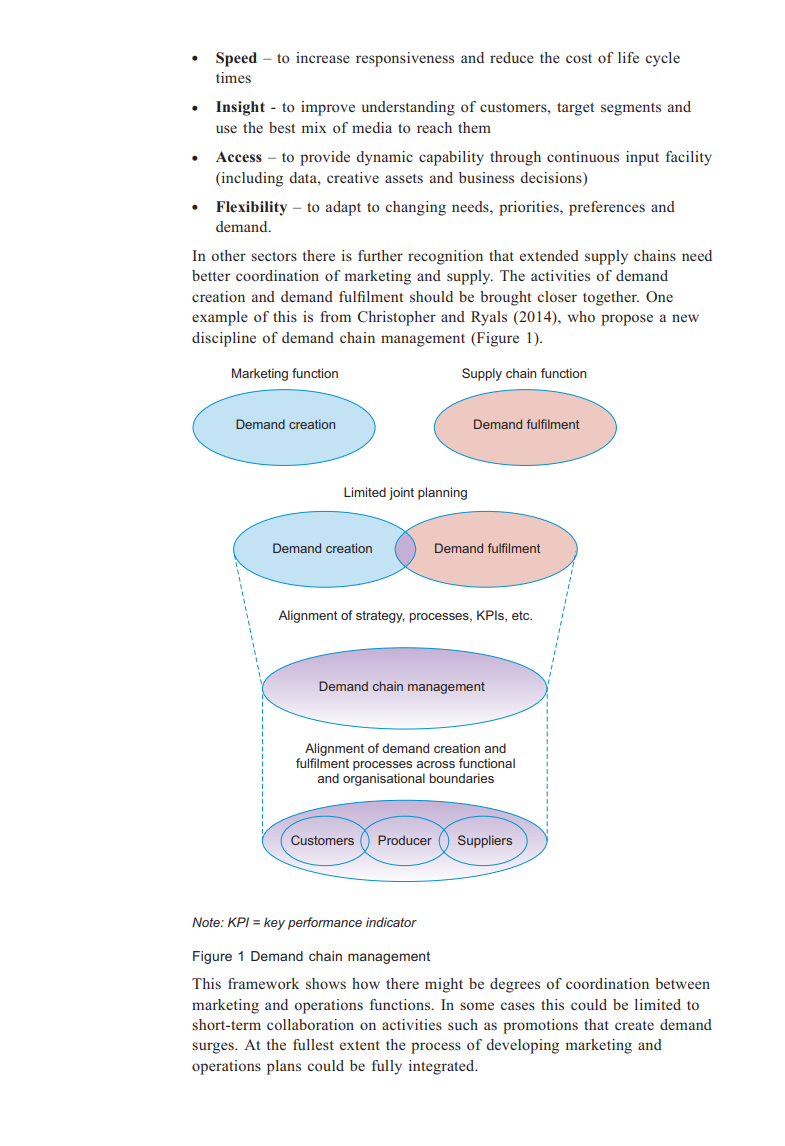
1. Using concepts and theories from Block 1, explore how the marketing and operations functions are integrated at IKEA. You should consider what might be some of the challenges IKEA faces in maintaining a consistent and integrated business strategy. (20 marks) 1 Flat-pack pioneers IKEA is associated with products that are simple, low cost but also stylish. This has given IKEA a very broad appeal to different groups of consumers and ensured that IKEA products appealed in both the business and consumer markets. Starting as early as 1956, the company were the pioneers of flat-pack furniture. This offered a great solution for all sorts of customers who were looking for stylish high quality furniture at an affordable price. The flat-pack approach to furniture design allows IKEA to reduce costs across the supply chain, from initial design, standardised manufacturing of components, to transport costs and warehousing. Part of the approach to cost saving is in store location. IKEA stores are commonly built on the outskirts of cities where business rates and operational costs are cheaper and customers can park easily. Due to the way IKEA produces and sells its furniture it has also ensured that it is readily available and convenient. Conventional furniture makers often only begin production once an order has been placed by a customer. This means that it can often take several weeks for delivery. By contrast, IKEA's products are instantly available in their stores and easy to transport home in customers' own vehicles. The flat-pack business model has continued to be beneficial for IKEA as it allows a further significant cost saving at the end of the value chain. Effectively, IKEA have outsourced the highly costly assembly part of the value chain directly to customers who are willing to trade the extra work of self-assembly for a large saving on the retail price they pay. This helps IKEA maintain high profits. The IKEA business model is reliant on a highly effective approach to procurement. With 31 trading service offices of procurement staff in 26 countries, IKEA sources from over 1400 worldwide suppliers. With the bulk purchasing power behind IKEA and the large procurement team it is able to negotiate prices between 20% and 40% lower than any of its competitors. Over time, IKEA has demonstrated that it can successfully manage global suppliers while also maintaining the quality of its products, key to maintaining its brand reputation. The network of service offices is crucial to their global procurement activity, as each office is geographically spread out so that they can cultivate strong working relationships with all local suppliers, wherever in the world they happen to be. IKEA staff also visit all of the suppliers on a regular basis, not only to continue to build relationships with their suppliers but also to build on their quality control processes. As part of this, IKEA is a strong believer that it should only work with ethical suppliers and as such it inspects the working conditions and the social conditions surrounding the factories, ensuring it adds value to the local communities it works with. Some 66 per cent of IKEAs products are sourced from Europe. However, to keep costs down IKEA's largest supplier is China, which provides 18% of all IKEA products. Production of a single product is spread across multiple suppliers and optimised in order to reduce prices. IKEA also purchases raw materials and hardware in bulk, which is sold to its suppliers to help them keep the final cost down. IKEA's supply chain is supported by cutting-edge IT infrastructure. The complexity of the supplier network and the large range of products has meant that over time IKEA has found it necessary to develop its own systems. This is more expensive than buying standard IT systems to manage its stocks. However, this does mean it can manage the demands of stores and ensure effective distribution of its stock between them. Ensuring that nothing stays in storage for long is key to keeping IKEAs inventory costs low as everything is built to shelf rather than built to order like most other furniture manufacturers. Speed - to increase responsiveness and reduce the cost of life cycle times . Insight - to improve understanding of customers, target segments and use the best mix of media to reach them Access to provide dynamic capability through continuous input facility (including data, creative assets and business decisions) Flexibility to adapt to changing needs, priorities, preferences and demand. In other sectors there is further recognition that extended supply chains need better coordination of marketing and supply. The activities of demand creation and demand fulfilment should be brought closer together. One example of this is from Christopher and Ryals (2014), who propose a new discipline of demand chain management (Figure 1). Marketing function Supply chain function Demand creation Demand fulfilment Limited joint planning Demand creation Demand fulfilment Alignment of strategy, processes, KPIs, etc. Demand chain management Alignment of demand creation and fulfilment processes across functional and organisational boundaries Customers Producer Suppliers Note: KPI = key performance indicator Figure 1 Demand chain management This framework shows how there might be degrees of coordination between marketing and operations functions. In some cases this could be limited to short-term collaboration on activities such as promotions that create demand surges. At the fullest extent the process of developing marketing and operations plans could be fully integrated









 Study Help