Question: 12 082 points References Eelow is information regarding the capital structure of Micro Advantage Incorporated On the basis of this information you are asked to
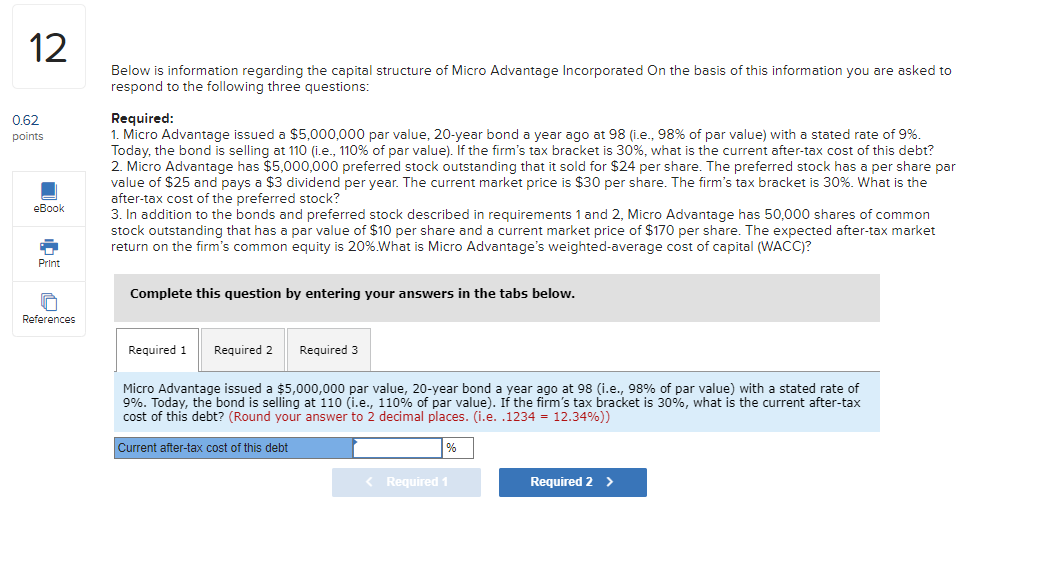
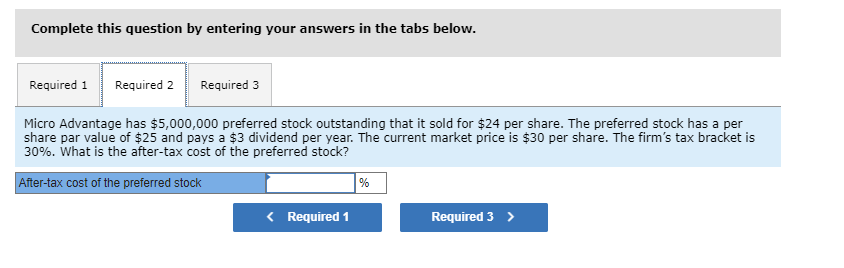
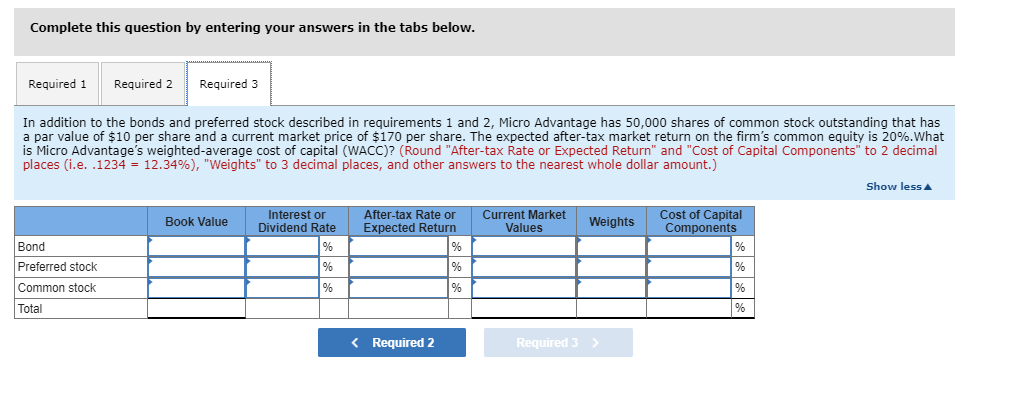
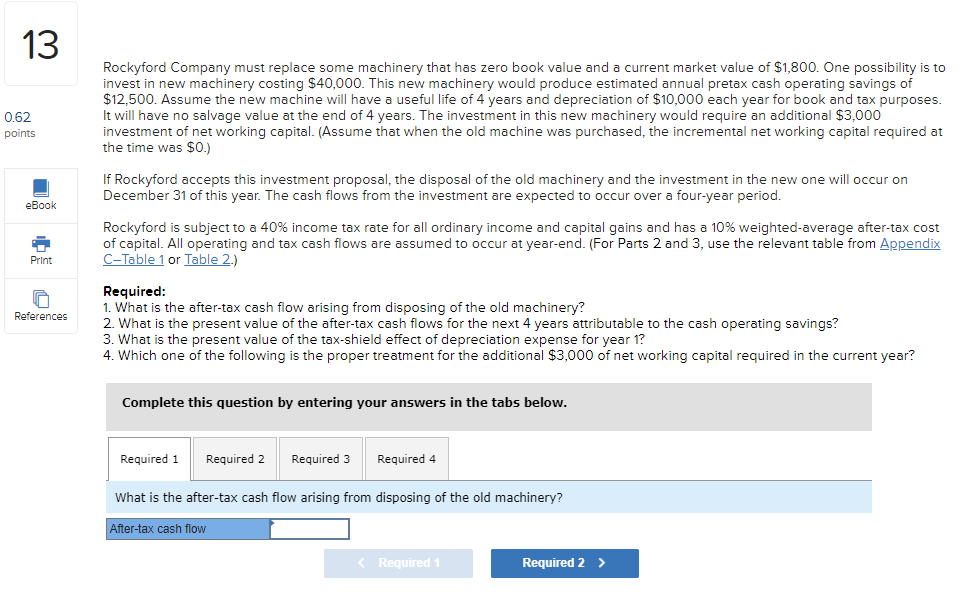
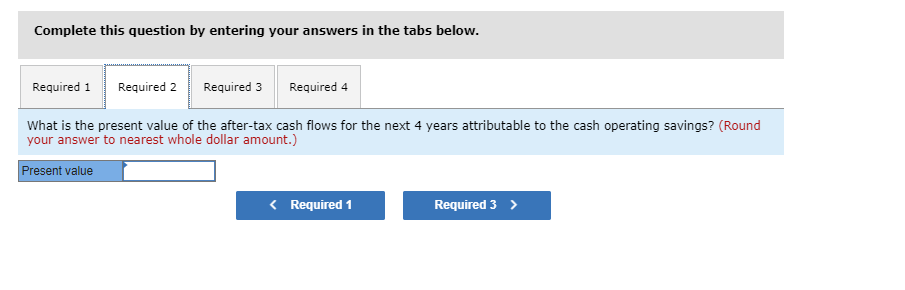
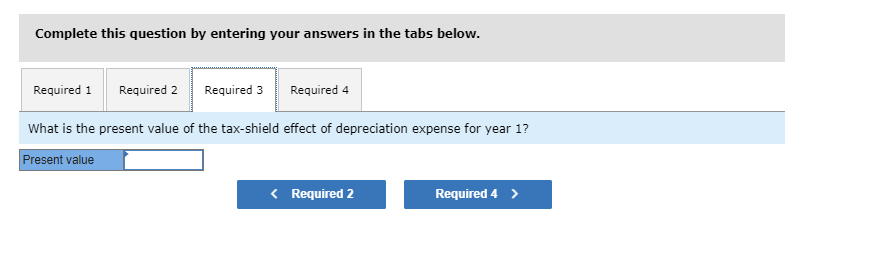
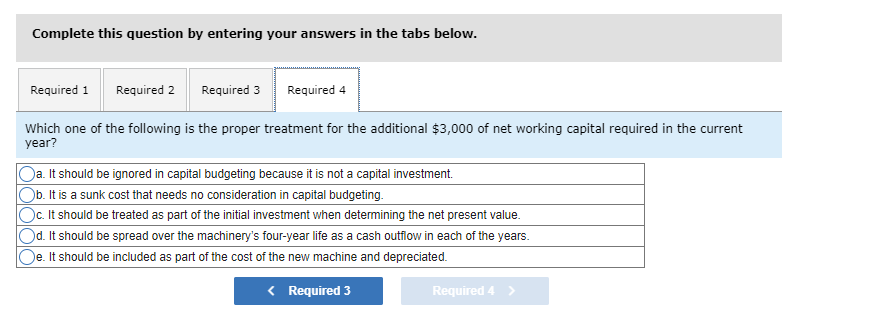
12 082 points References Eelow is information regarding the capital structure of Micro Advantage Incorporated On the basis of this information you are asked to respond to the following three questions: Required: 1. Micro Advantage issued a $5,000,000 par value, 20-year bond a year ago at 98 (i.e, 98% of par value) with a stated rate of 9%. Today, the bond is selling at 110 ({i.e., 110% of par value). If the firm's tax bracket is 30%, what is the current after-tax cost of this debt? 2. Micre Advantage has $5,000,000 preferred stock outstanding that it sold for $24 per share. The preferred stock has a per share par value of $25 and pays a $3 dividend per year. The current market price is $30 per share. The firm's tax bracket is 30%. What is the after-tax cost of the preferred stock? 3. In addition to the bonds and preferred stock described in requirements 1and 2, Micro Advantage has 50,000 shares of common stock outstanding that has a par value of $10 per share and a current market price of $170 per share. The expected after-tax market return on the firm's common equity is 20% What is Micro Advantage's weighted-average cost of capital (WACC)? Complete this question by entering your answers in the tabs below. Required 1 Required 2 Required 3 Micro Advantage issued a $5,000,000 par value, 20-year bond a year ago at 98 (i.e., 98% of par value) with a stated rate of 9%, Today, the bond is selling at 110 (i.e., 110% of par value). If the firm''s tax bracket is 309, what is the current after-tax cost of this debt? (Round your answer to 2 decimal places. (i.e. .1234 = 12.34%)) (Curent aferax costortniscent [ % | Required 2 > Complete this question by entering your answers in the tabs below. Required 1 Required 2 Required 3 Micro Advantage has $5,000,000 preferred stock outstanding that it sold for $24 per share. The preferred stock has a per share par value of $25 and pays a $3 dividend per year. The current market price is $30 per share. The firm's tax bracket is 30%. What is the after-tax cost of the preferred stock? [ % L T | Required 3 > Complete this guestion by entering your answers in the tabs below. Reguired 1 Required 2 Required 3 In addition to the bonds and preferred stock described in requirements 1 and 2, Micro Advantage has 50,000 shares of common stock outstanding that has a par value of $10 per share and a current market price of $170 per share. The expected after-tax market return on the firm's common equity is 20%.What is Micro Advantage's weighted-average cost of capital (WACC)? (Round "After-tax Rate or Expected Return\" and "Cost of Capital Components\" to 2 decimal places (i.e. .1234 = 12.34%), "Weights" to 3 decimal places, and other answers to the nearest whole dollar amount.) Show less & Preferred stock Common stock Pl F ] 13 062 points eBaok g Print References Rockyford Company must replace some machinery that has zero book value and a current market value of $1,800. One possibility is 1o invest in new machinery costing $40,000. This new machinery would produce estimated annual pretax cash operating savings of $12,500. Assume the new machine will have a useful life of 4 years and depreciation of $10,000 each year for book and 1ax purposes. It will have no salvage value at the end of 4 years. The investment in this new machinery would require an additional 53,000 investment of net working capital. (Assume that when the old machine was purchased, the incremental net working capital reguired at the time was 0)) If Rockyford accepts this investment proposal, the disposal of the old machinery and the investment in the new one will occur on December 31 of this year. The cash flows from the investment are expected to occur over a four-year period. Rockyford is subject to a 40% income tax rate for all ordinary income and capital gains and has a 10% weighted-average after-tax cost of capital. All operating and tax cash flows are assumed to occur at year-end. (For Parts 2 and 3, use the relevant table from Appendix CTable 1 or Table 2) Required: 1. What is the after-tax cash flow arising from disposing of the old machinery? 2. What is the present value of the after-tax cash flows for the next 4 years attributable to the cash operating savings? 3. What is the present value of the tax-shield effect of depreciation expense for year 17 4. Which one of the following is the proper treatment for the additional $3,000 of net working capital required in the current year? Complete this guestion by entering your answers in the tabs below. Required 1 Required 2 Required 3 Required 4 What is the after-tax cash flow arising from disposing of the old machinery? Required 2 > Complete this question by entering your answers in the tabs below. Required 1 Required 2 Required 3 Required 4 What is the present value of the after-tax cash flows for the next 4 years attributable to the cash operating savings? (Round your answer to nearest whole dollar amount.) Required 1 Required 3 > Complete this question by entering your answers in the tabs below. Required 1 Required 2 Required 3 Required 4 What is the present value of the tax-shield effect of depreciation expense for year 1? Complete this question by entering your answers in the tabs below. Required 1 Required 2 Required 3 Required 4 Which one of the following is the proper treatment for the additional $3,000 of net working capital required in the current year? a. It should be ignored in capital budgeting because it is not a capital investment. O)b. It is a sunk cost that needs no consideration in capital budgeting. c. It should be treated as part of the initial investment when determining the net present value. O)d. It should be spread over the machinery's four-year life as a cash outflow in each of the years. e. It should be included as part of the cost of the new machine and depreciated.
Step by Step Solution
There are 3 Steps involved in it
1 Expert Approved Answer
Step: 1 Unlock
Question Has Been Solved by an Expert!
Get step-by-step solutions from verified subject matter experts
Step: 2 Unlock
Step: 3 Unlock
Students Have Also Explored These Related Finance Questions!









 Study Help