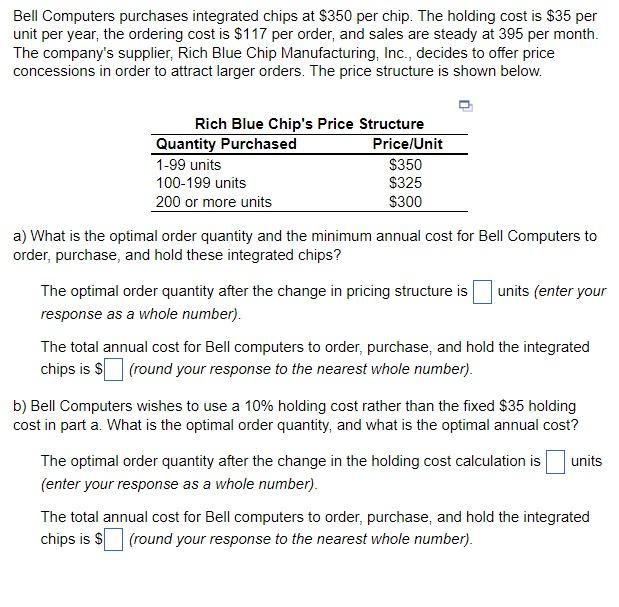
Question: 2 3) Bell Computers purchases integrated chips at $350 per chip. The holding cost is $35 per unit per year, the ordering cost is $117
2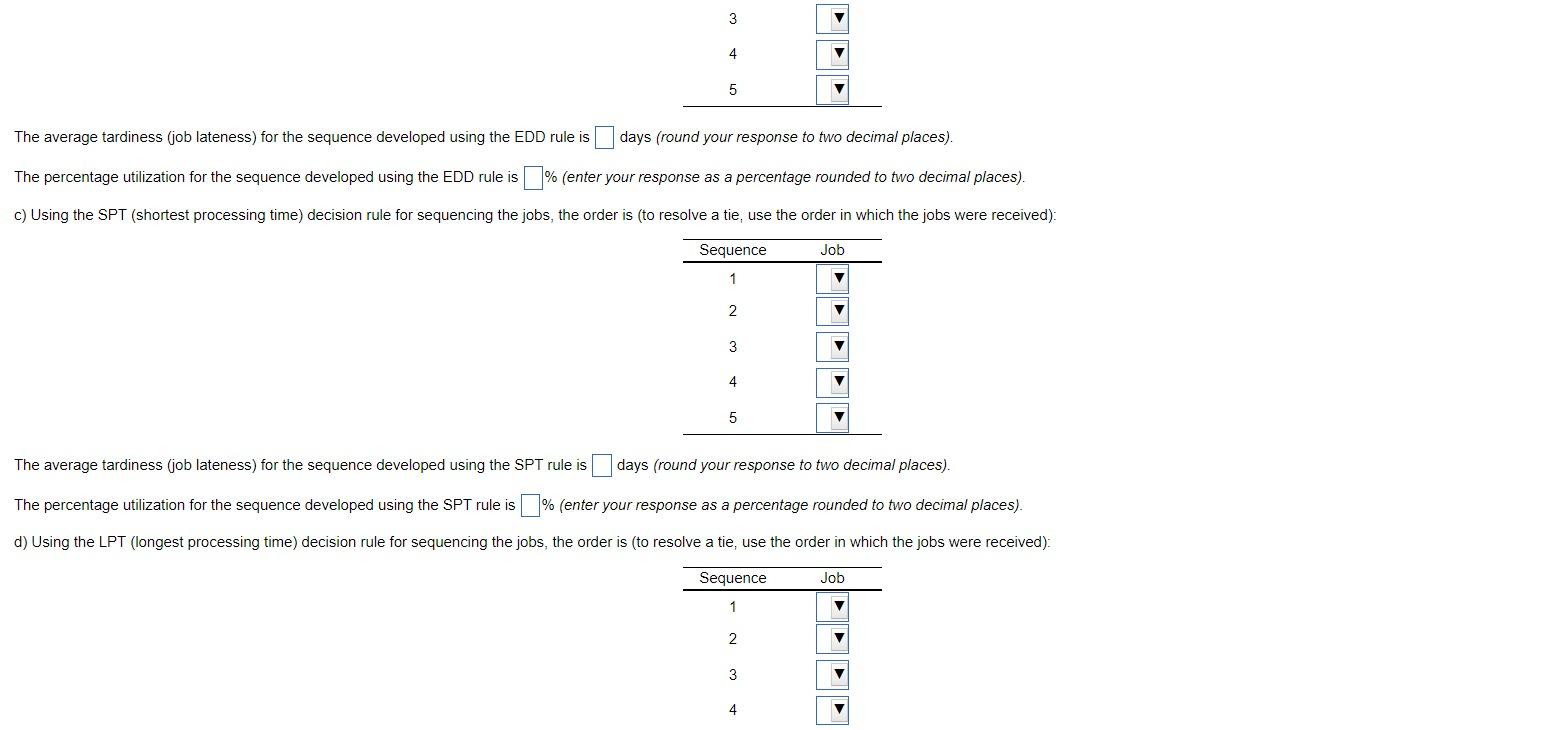
3)
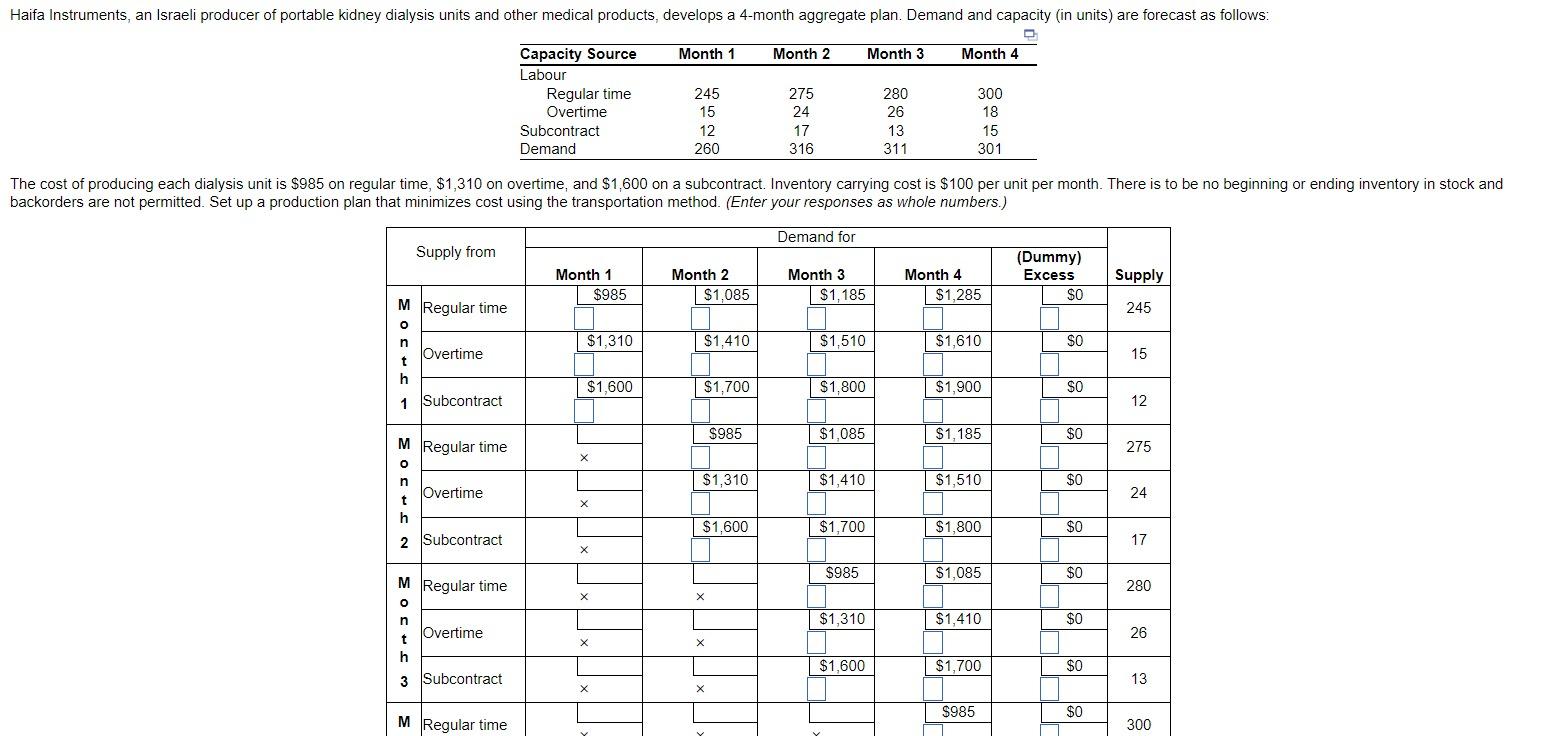
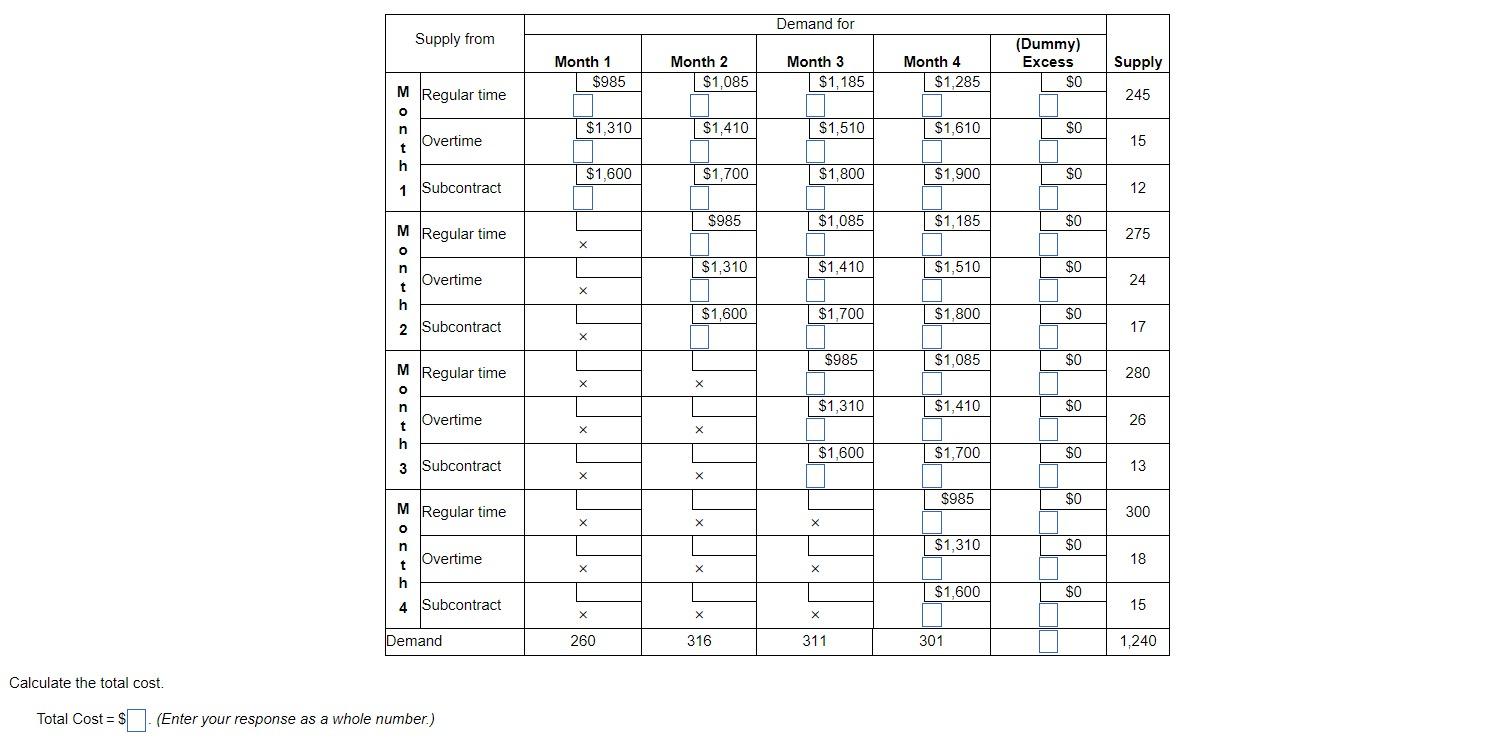
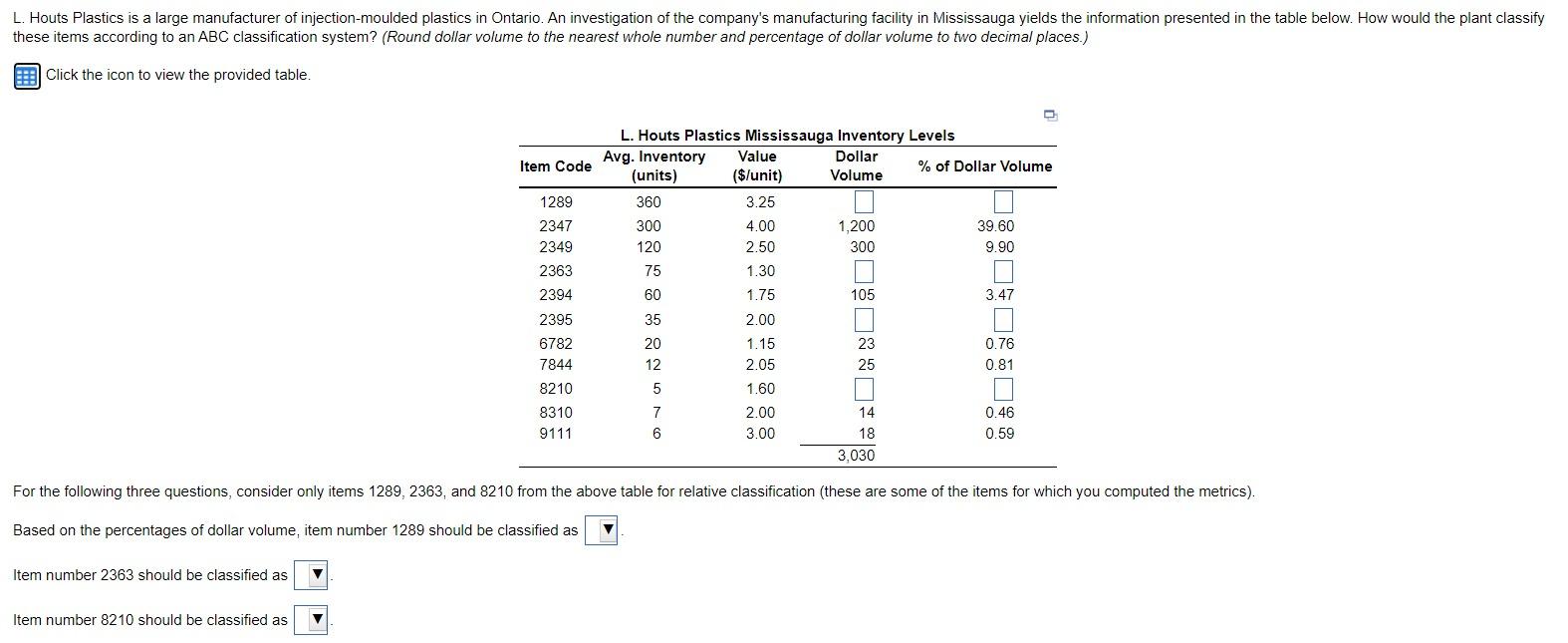
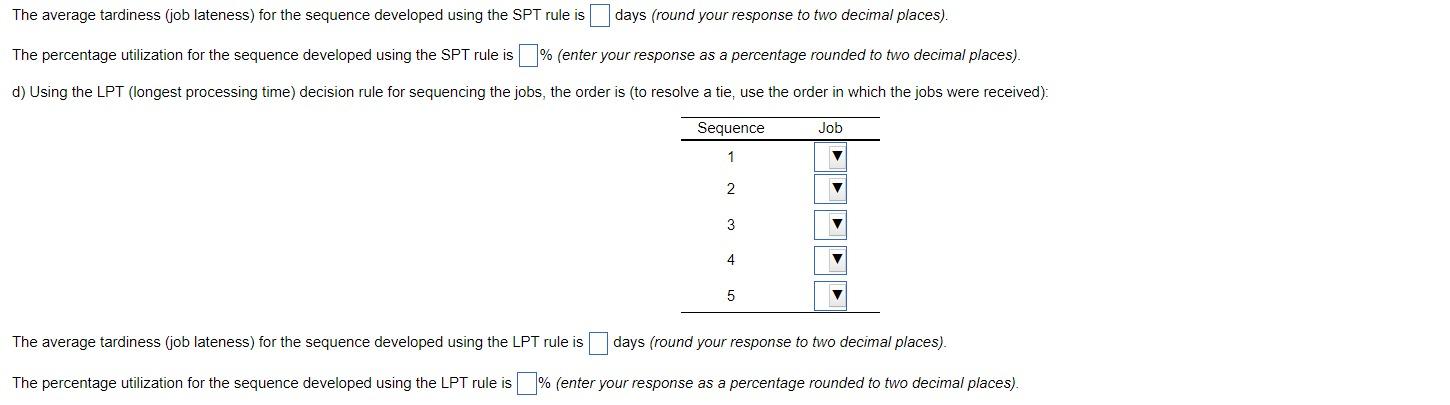
Bell Computers purchases integrated chips at $350 per chip. The holding cost is $35 per unit per year, the ordering cost is $117 per order, and sales are steady at 395 per month. The company's supplier, Rich Blue Chip Manufacturing, Inc., decides to offer price concessions in order to attract larger orders. The price structure is shown below. a) What is the optimal order quantity and the minimum annual cost for Bell Computers to order, purchase, and hold these integrated chips? The optimal order quantity after the change in pricing structure is units (enter your response as a whole number). The total annual cost for Bell computers to order, purchase, and hold the integrated chips is $ (round your response to the nearest whole number). b) Bell Computers wishes to use a 10% holding cost rather than the fixed $35 holding cost in part a. What is the optimal order quantity, and what is the optimal annual cost? The optimal order quantity after the change in the holding cost calculation is units (enter your response as a whole number). The total annual cost for Bell computers to order, purchase, and hold the integrated chips is $ (round your response to the nearest whole number). The average tardiness (job lateness) for the sequence developed using the EDD rule is days (round your response to two decimal places). The percentage utilization for the sequence developed using the EDD rule is % (enter your response as a percentage rounded to two decimal places). c) Using the SPT (shortest processing time) decision rule for sequencing the jobs, the order is (to resolve a tie, use the order in which the jobs were received): \begin{tabular}{cr} \hline Sequence & Job \\ \hline 1 & \\ 2 & \\ 3 & \\ 4 & \\ 5 & \\ \hline \end{tabular} The average tardiness (job lateness) for the sequence developed using the SPT rule is days (round your response to two decimal places). The percentage utilization for the sequence developed using the SPT rule is % (enter your response as a percentage rounded to two decimal places). d) Using the LPT (longest processing time) decision rule for sequencing the jobs, the order is (to resolve a tie, use the order in which the jobs were received): \begin{tabular}{cr} \hline Sequence & Job \\ \hline 1 & \\ 2 & \\ 3 & \\ 4 & \end{tabular} The average tardiness (job lateness) for the sequence developed using the SPT rule is days (round your response to two decimal places). The percentage utilization for the sequence developed using the SPT rule is % (enter your response as a percentage rounded to two decimal places). d) Using the LPT (longest processing time) decision rule for sequencing the jobs, the order is (to resolve a tie, use the order in which the jobs were received): The average tardiness (job lateness) for the sequence developed using the LPT rule is days (round your response to two decimal places). The percentage utilization for the sequence developed using the LPT rule is % (enter your response as a percentage rounded to two decimal places). Haifa Instruments, an Israeli producer of portable kidney dialysis units and other medical products, develops a 4-month aggregate plan. Demand and capacity (in units) are forecast as follows: \begin{tabular}{lcccc} \hline Capacity Source & Month 1 & Month 2 & Month 3 & Month 4 \\ \hline Labour & & & & \\ Regular time & 245 & 275 & 280 & 300 \\ Overtime & 15 & 24 & 26 & 18 \\ Subcontract & 12 & 17 & 13 & 15 \\ Demand & 260 & 316 & 311 & 301 \\ \hline \end{tabular} backorders are not permitted. Set up a production plan that minimizes cost using the transportation method. (Enter your responses as whole numbers.) Calculate the total cost. Total Cost =$ (Enter your response as a whole number.) these items according to an ABC classification system? (Round dollar volume to the nearest whole number and percentage of dollar volume to two decimal places.) Click the icon to view the provided table. For the following three questions, consider only items 1289,2363 , and 8210 from the above table for relative classification (these are some of the items for which you computed the metrics). Based on the percentages of dollar volume, item number 1289 should be classified as Item number 2363 should be classified as Item number 8210 should be classified as









 Study Help