







Question: 7. Correcting for negative externalities - Taxes versus tradablepermits Nuclear facilities emit radioactive waste as a waste product. This generates a cost to society that
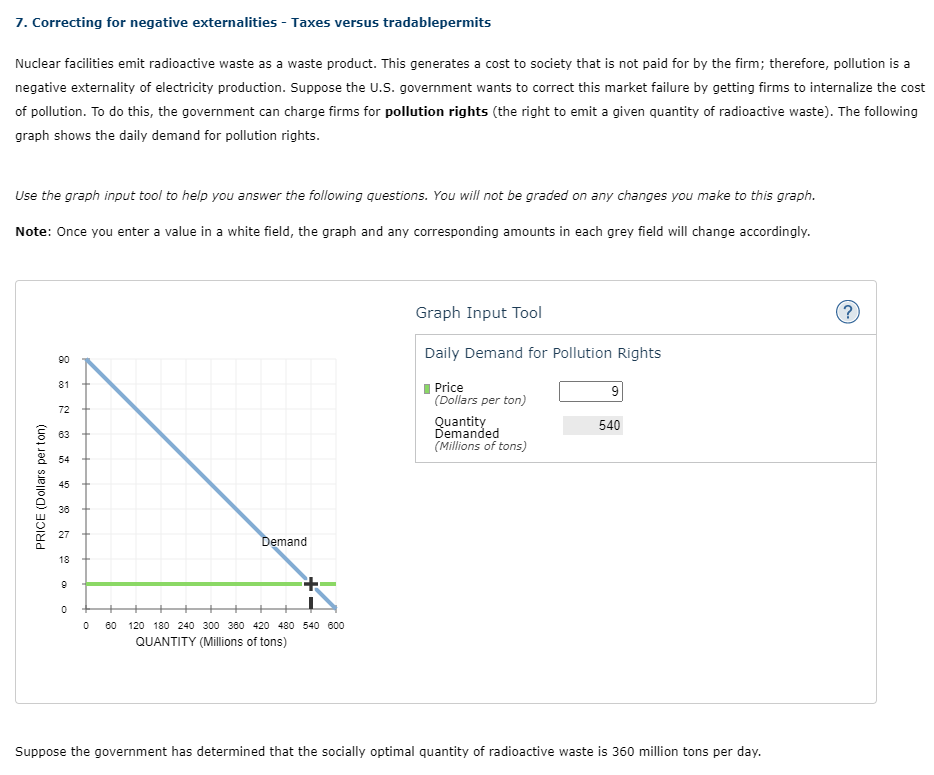
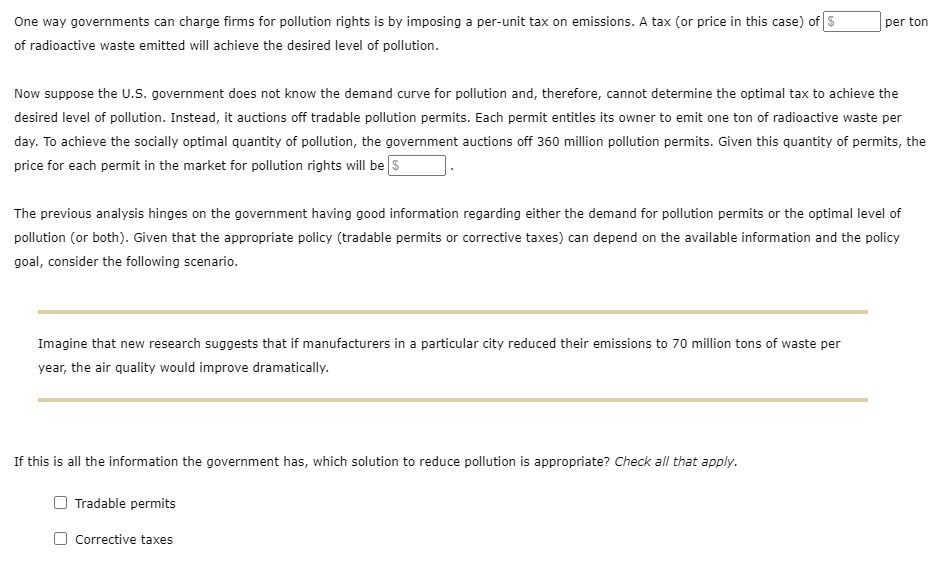
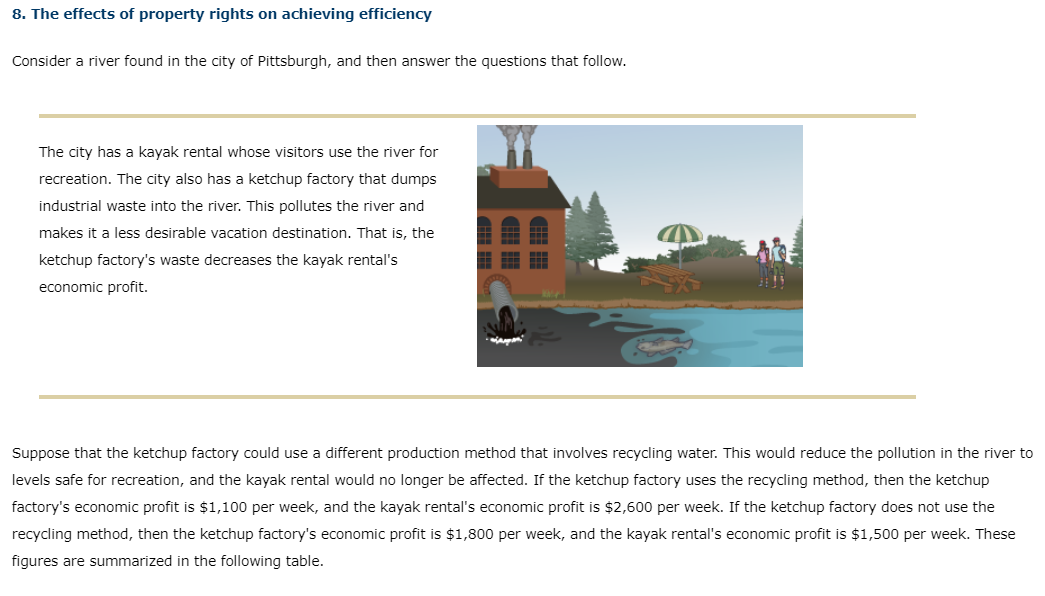
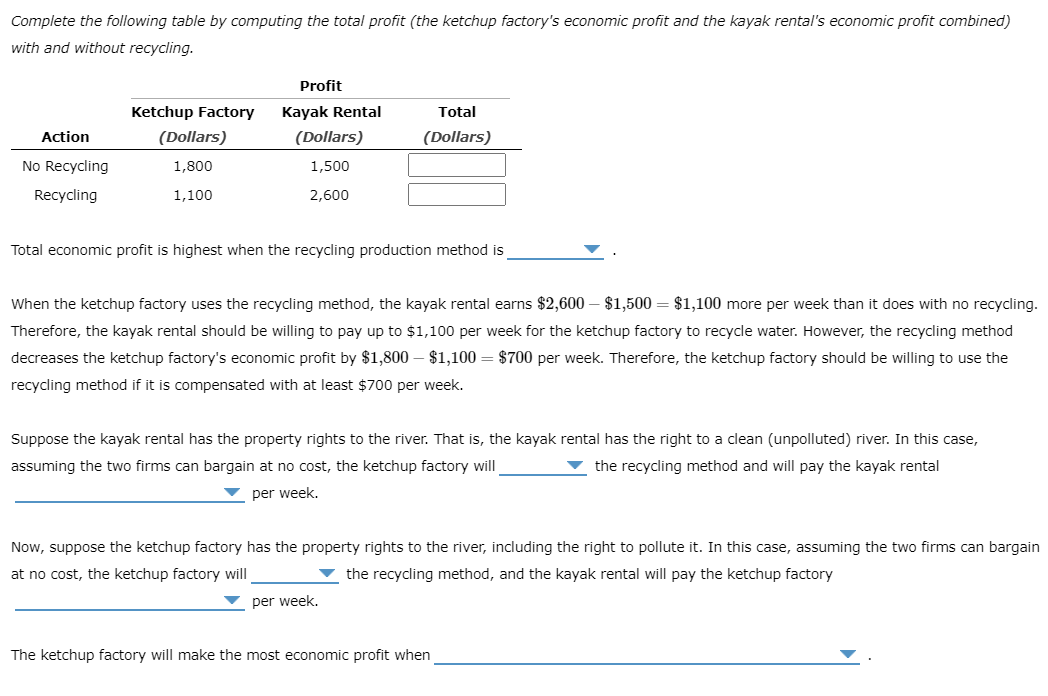


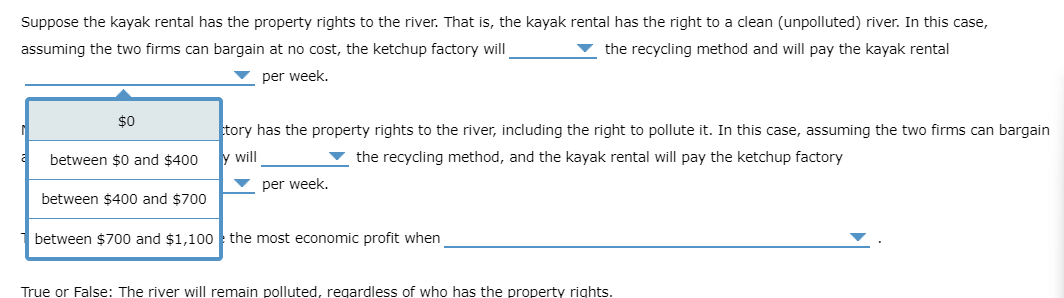

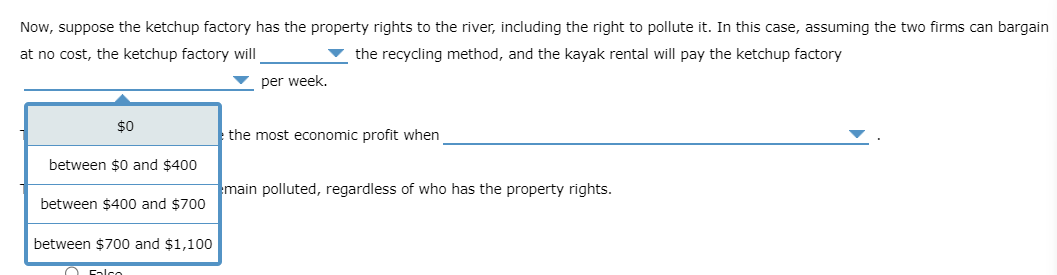
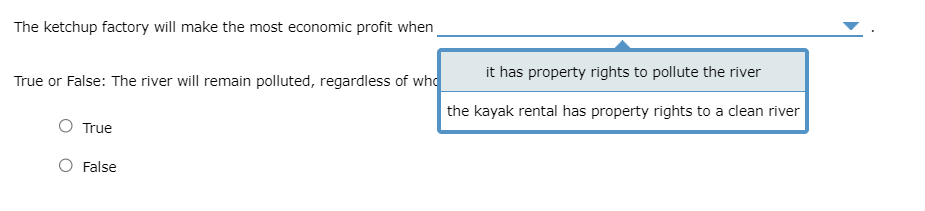
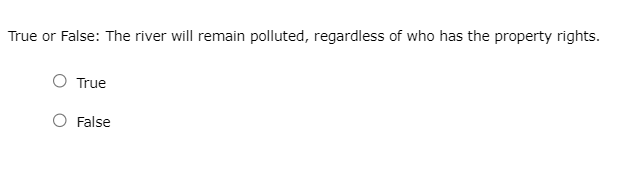
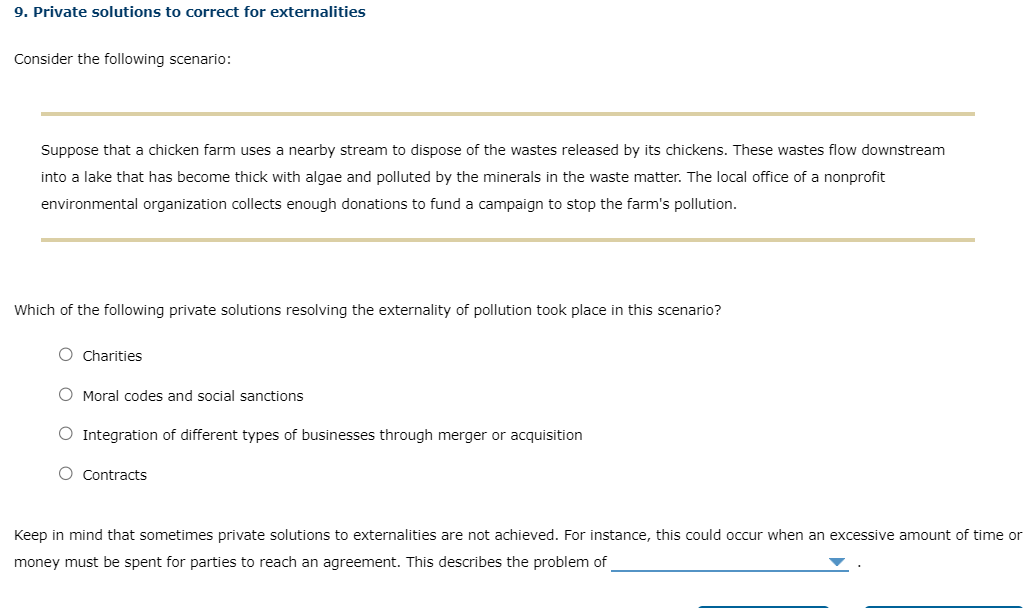
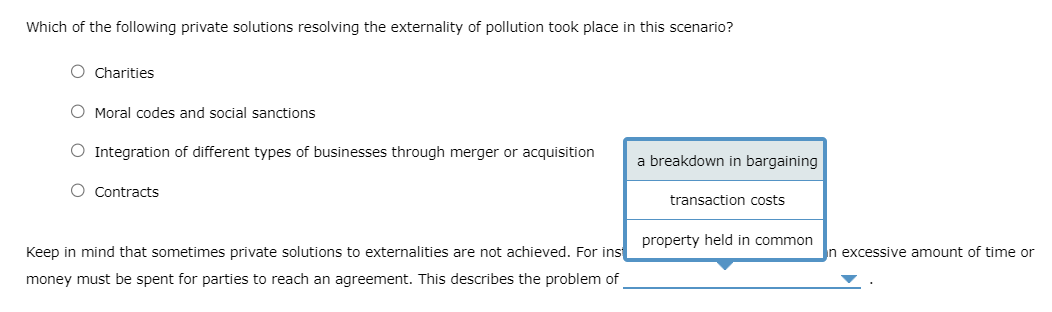
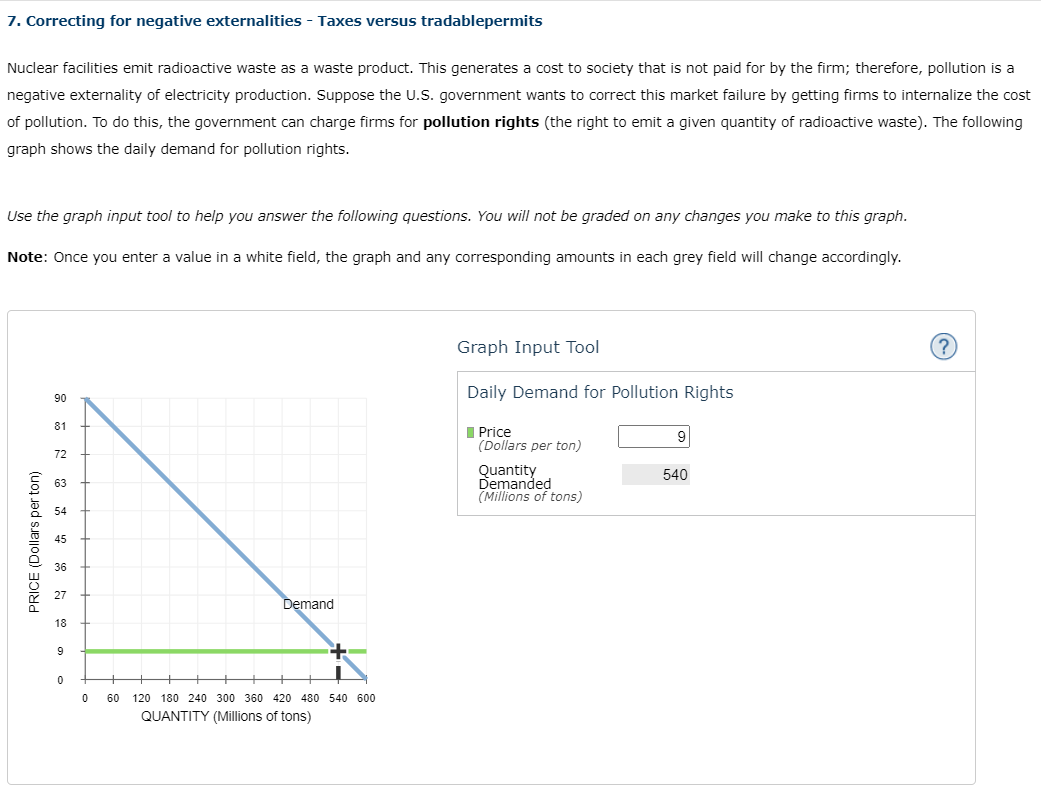
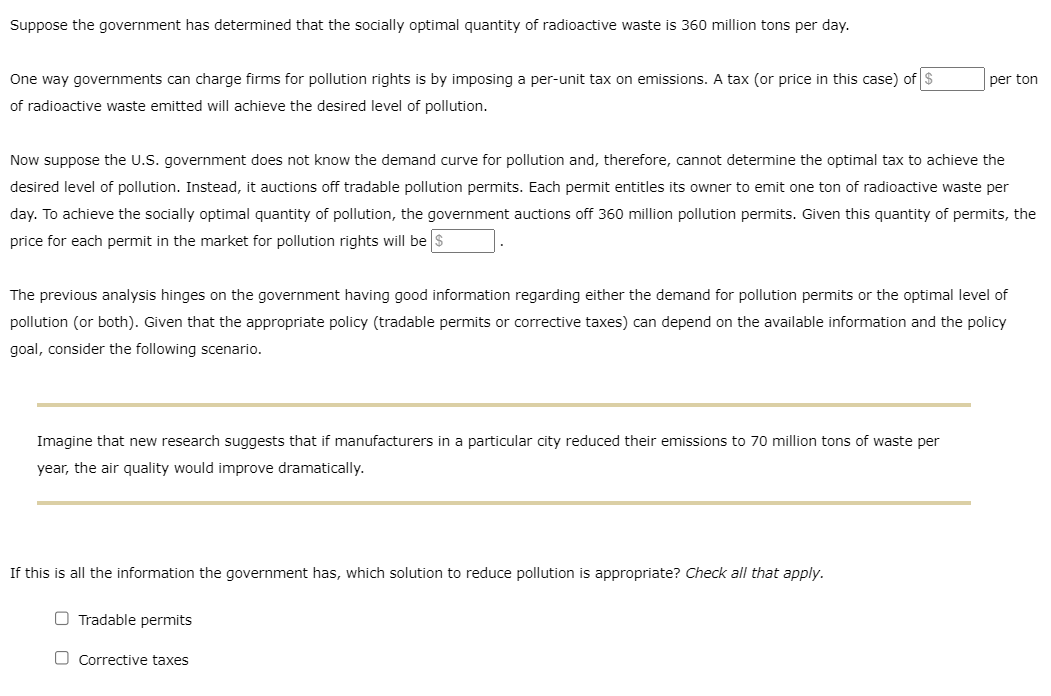
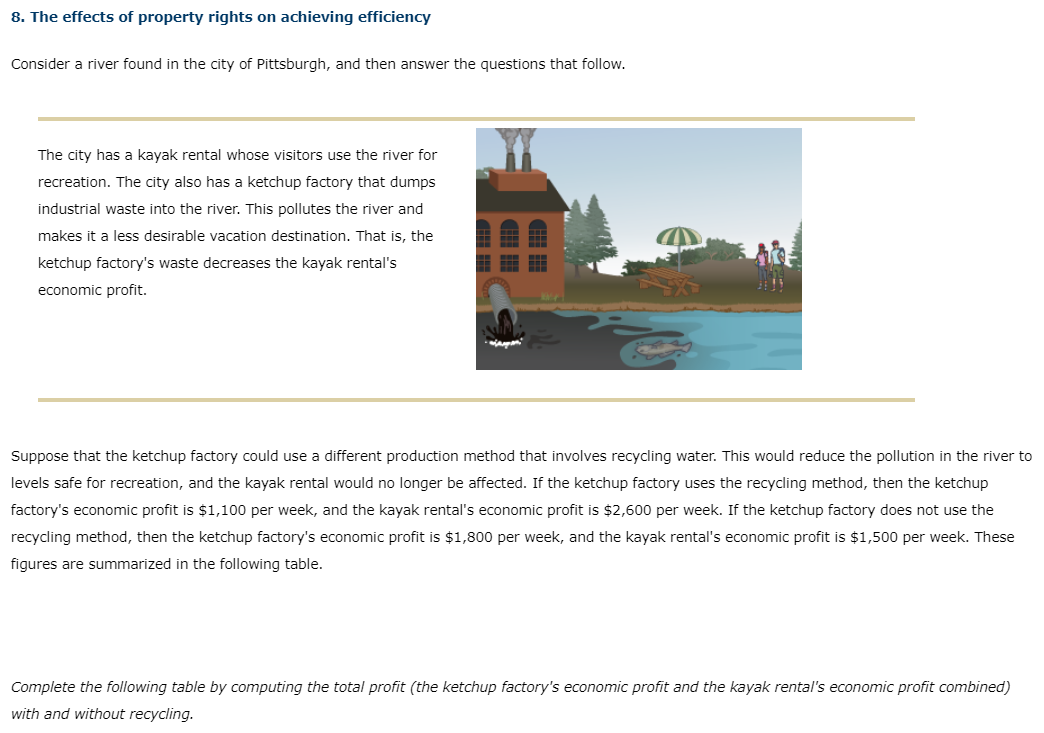
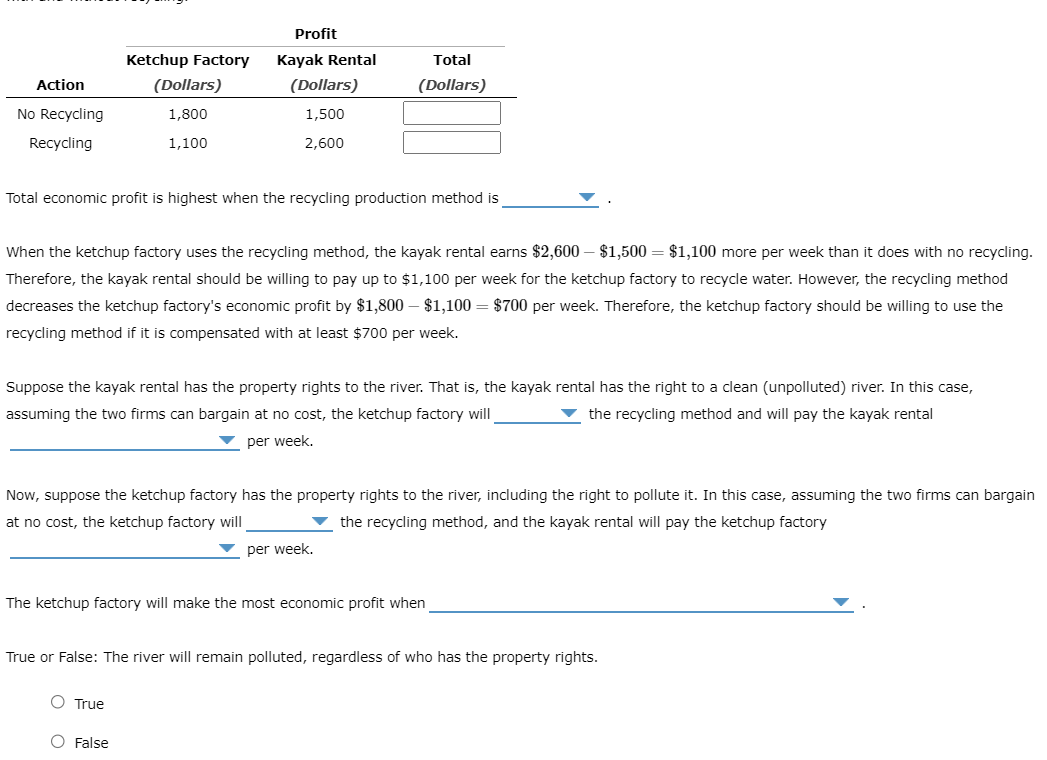

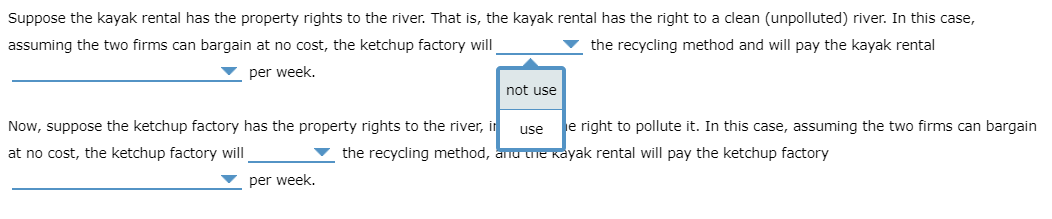
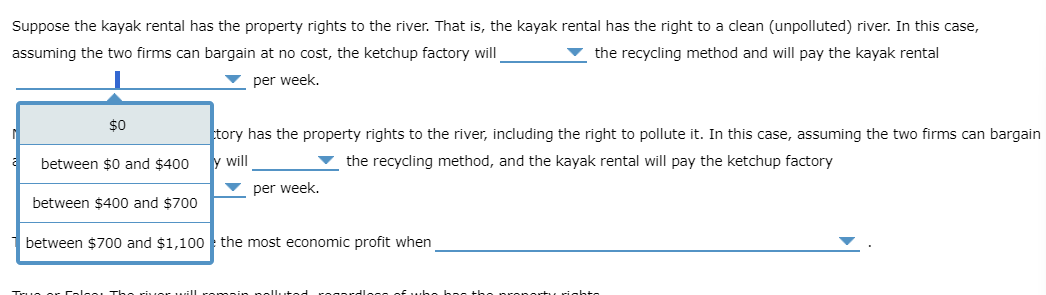

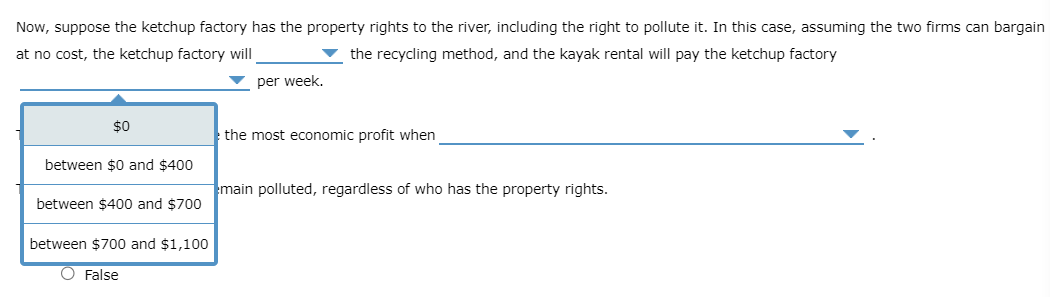
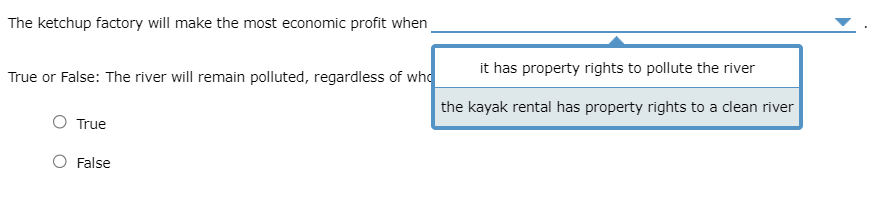
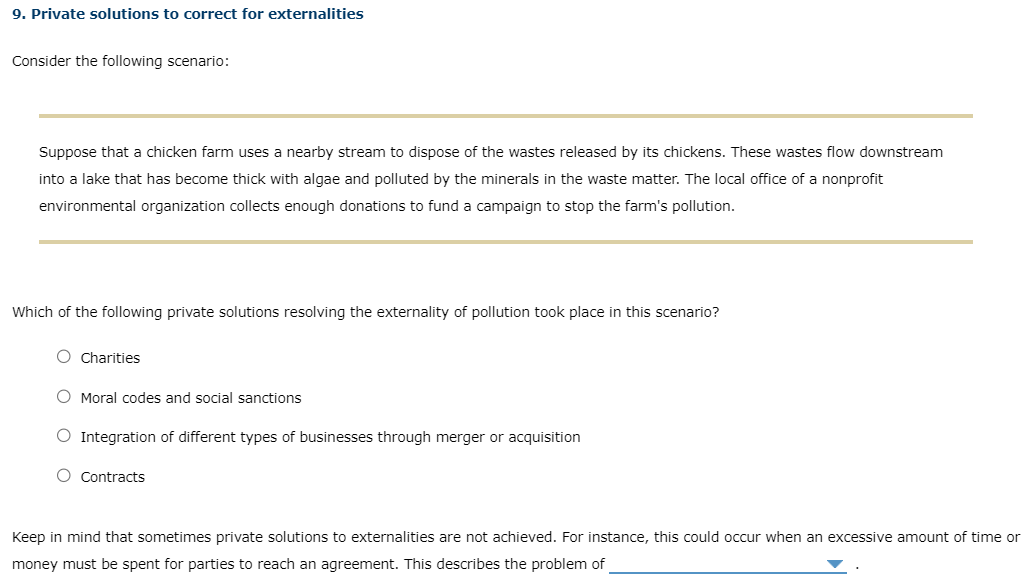
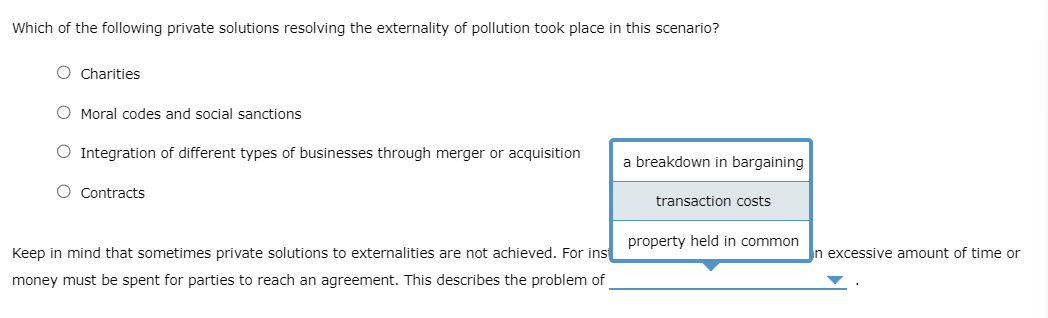
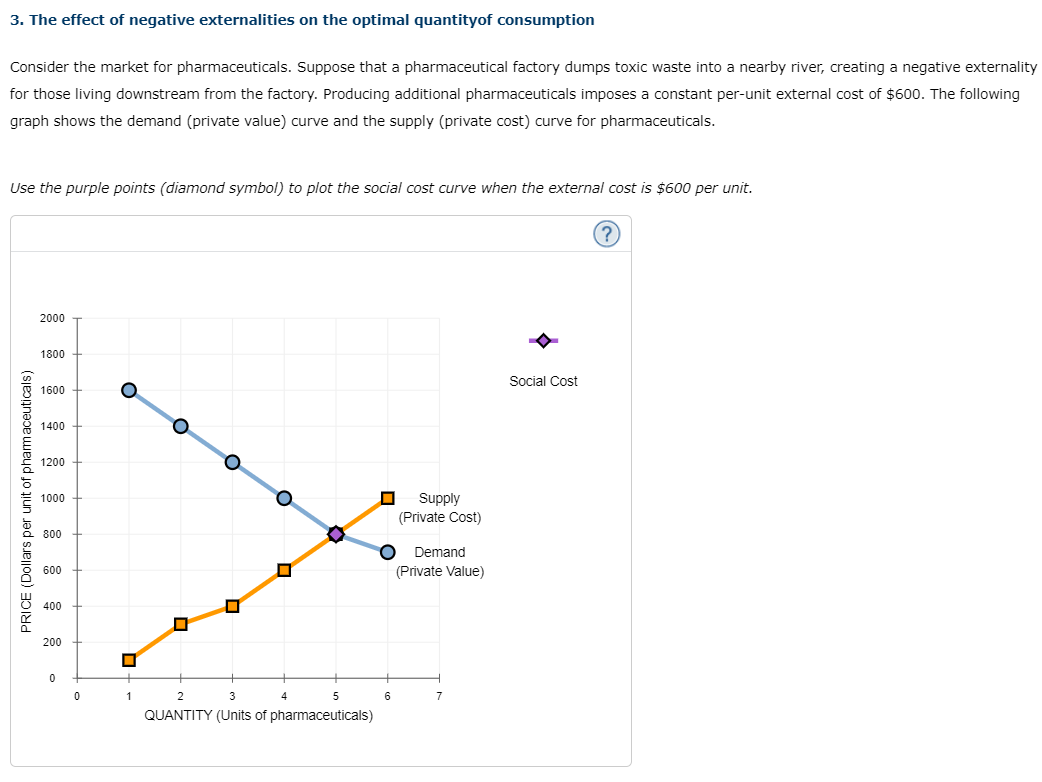

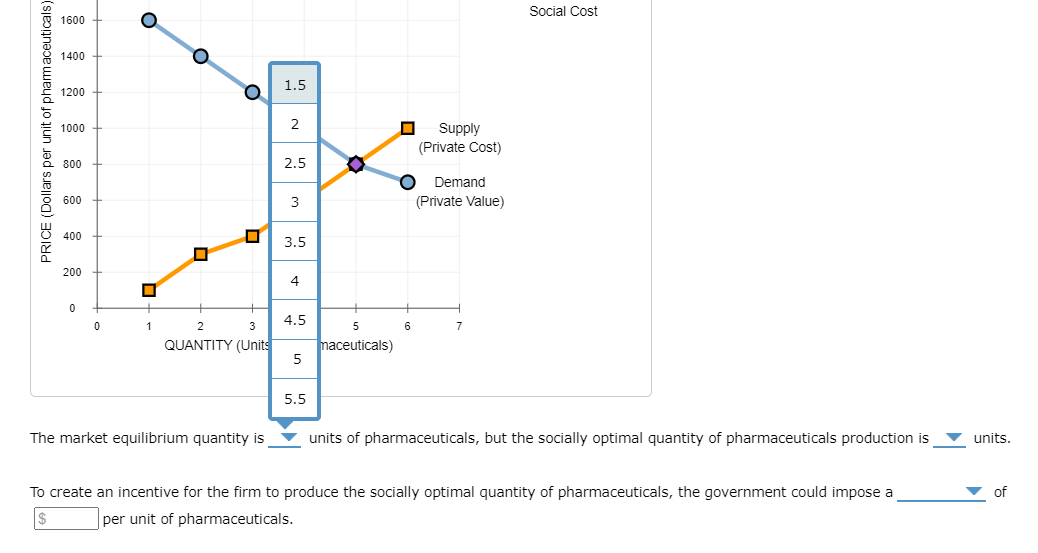
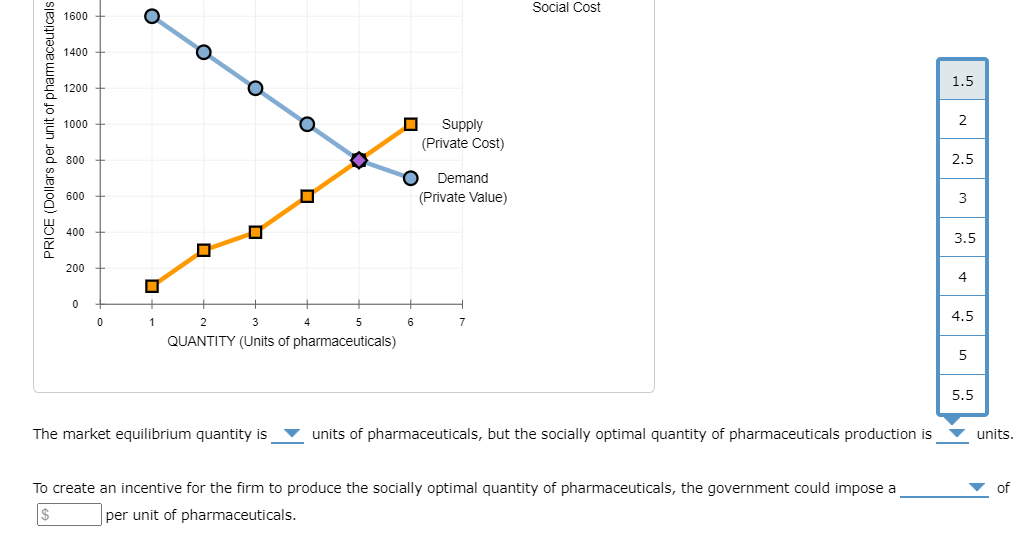
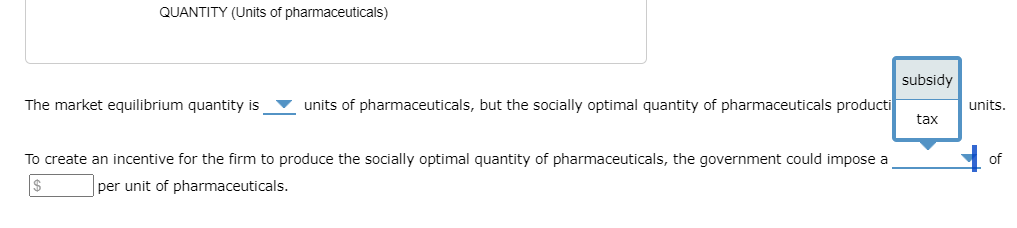
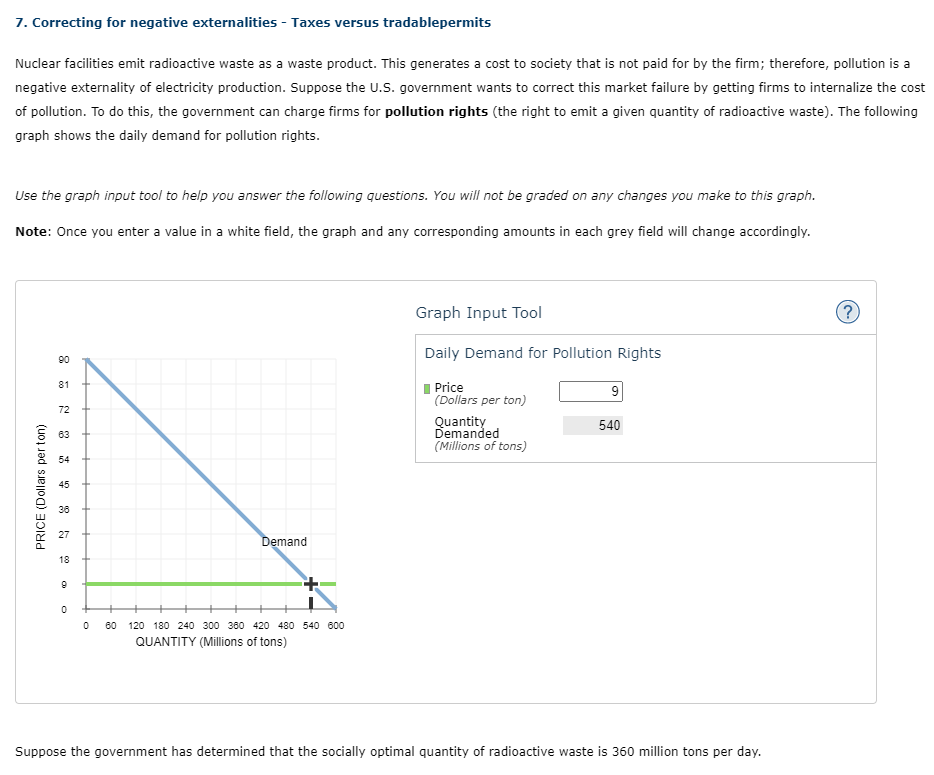
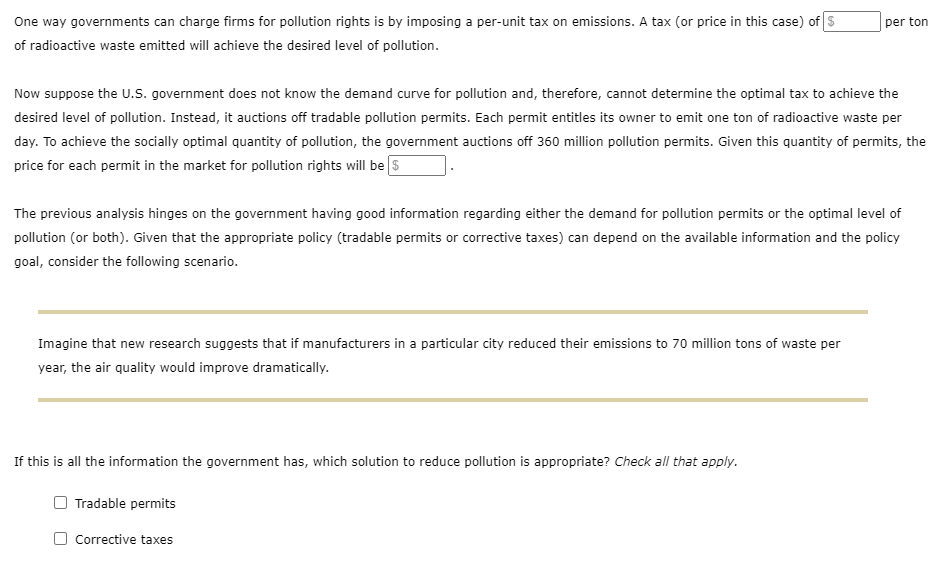
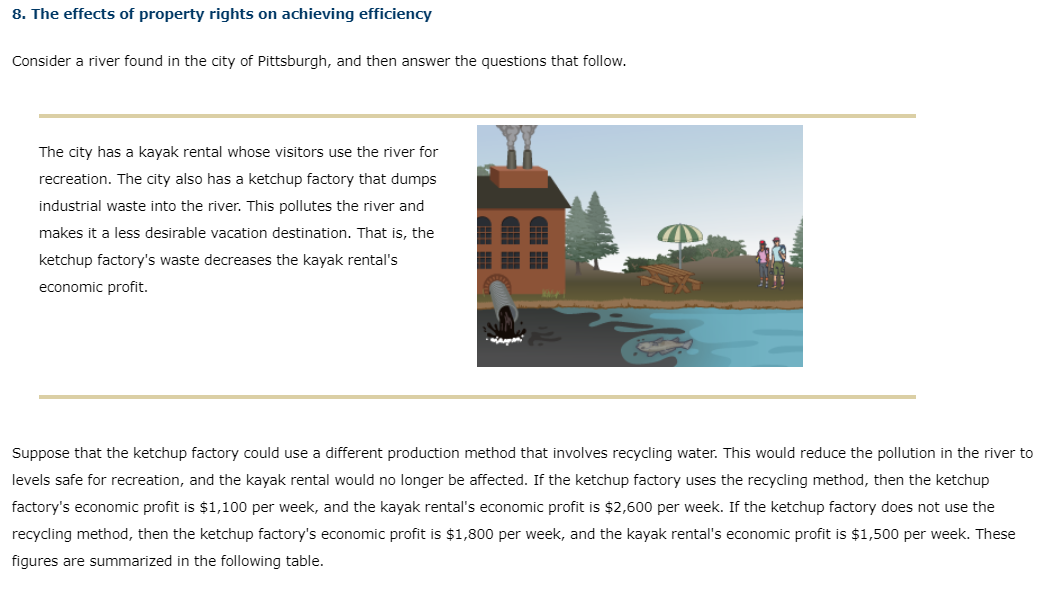
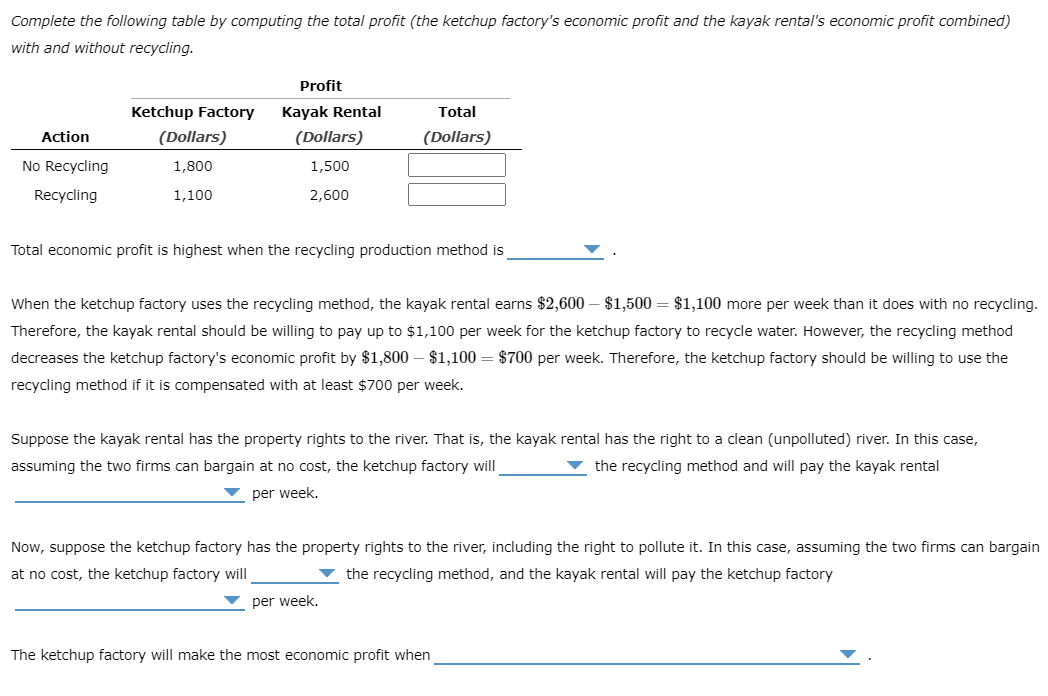


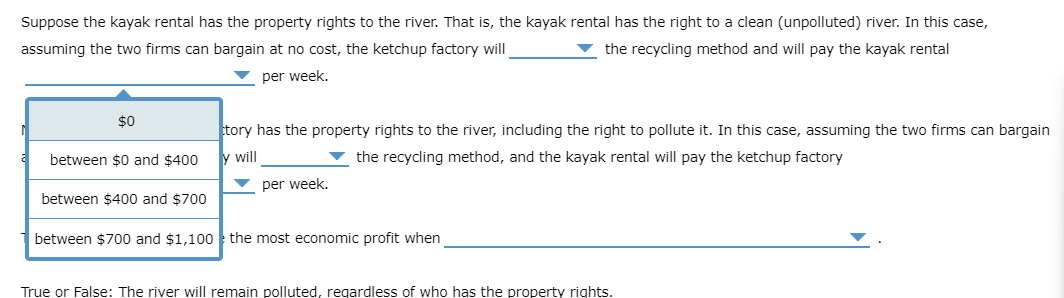

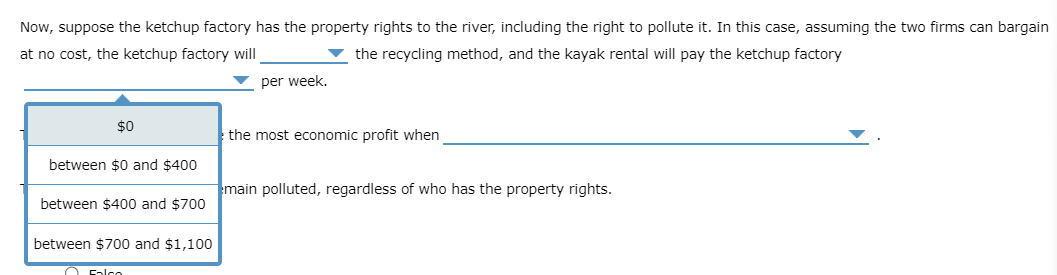
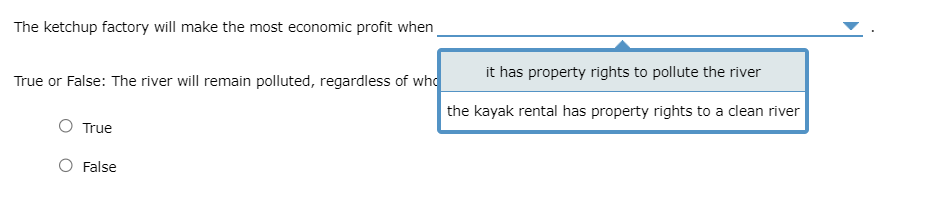
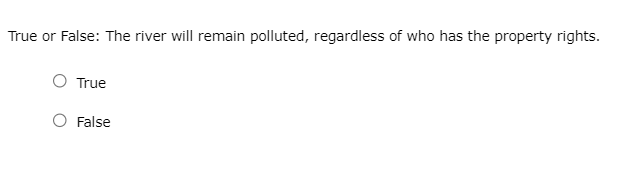
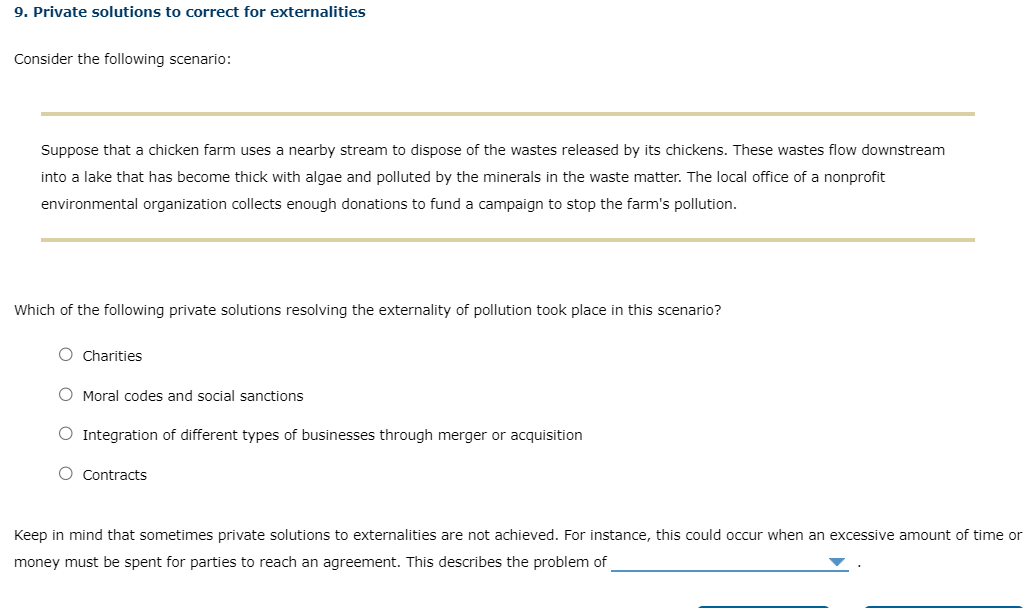
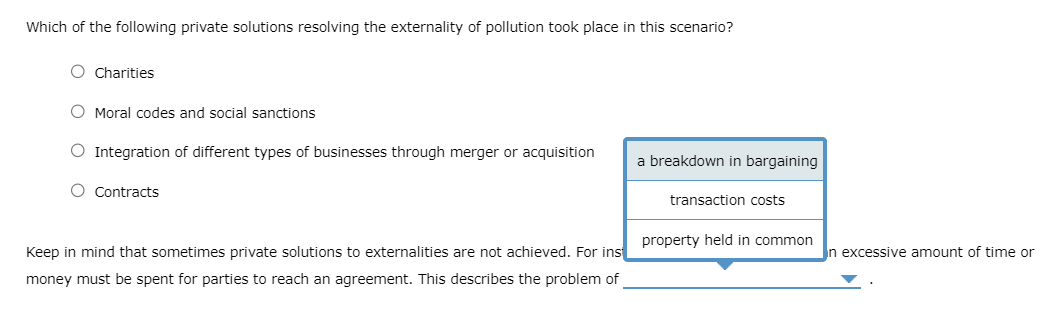
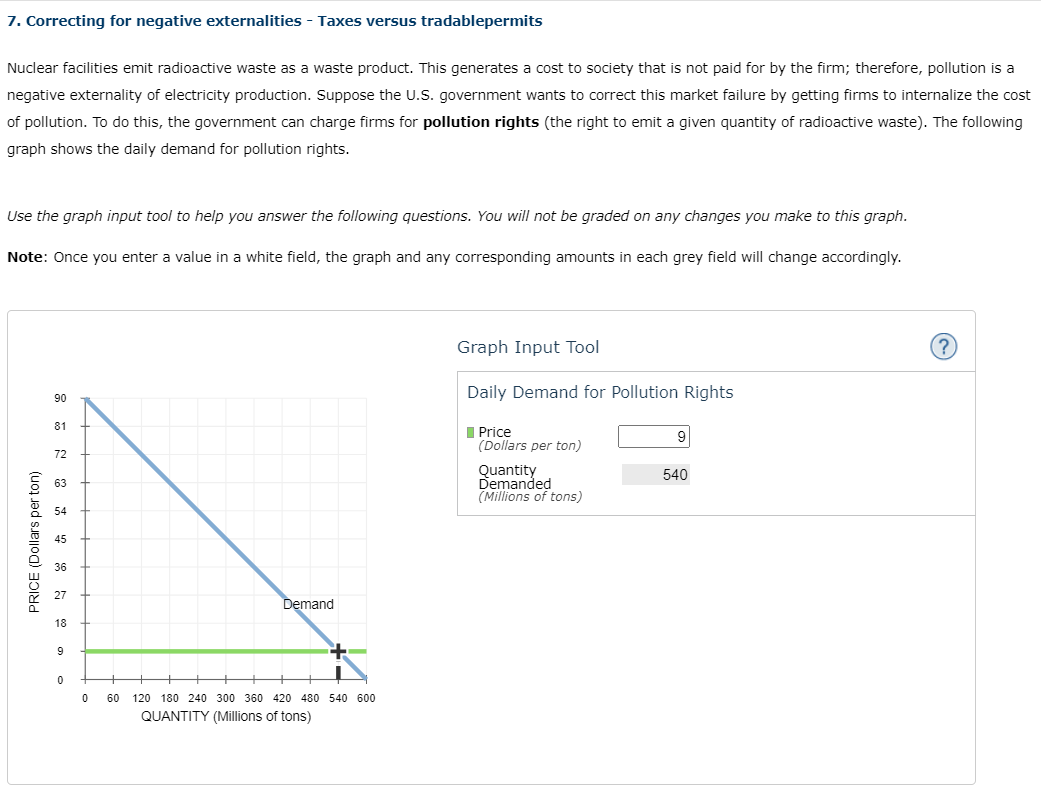
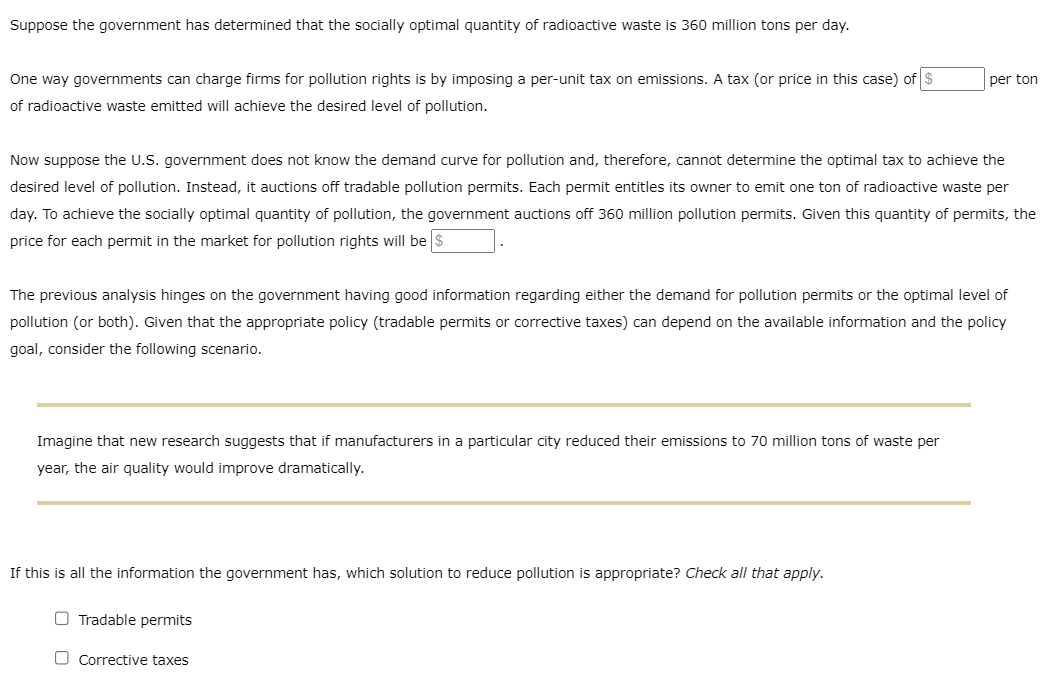
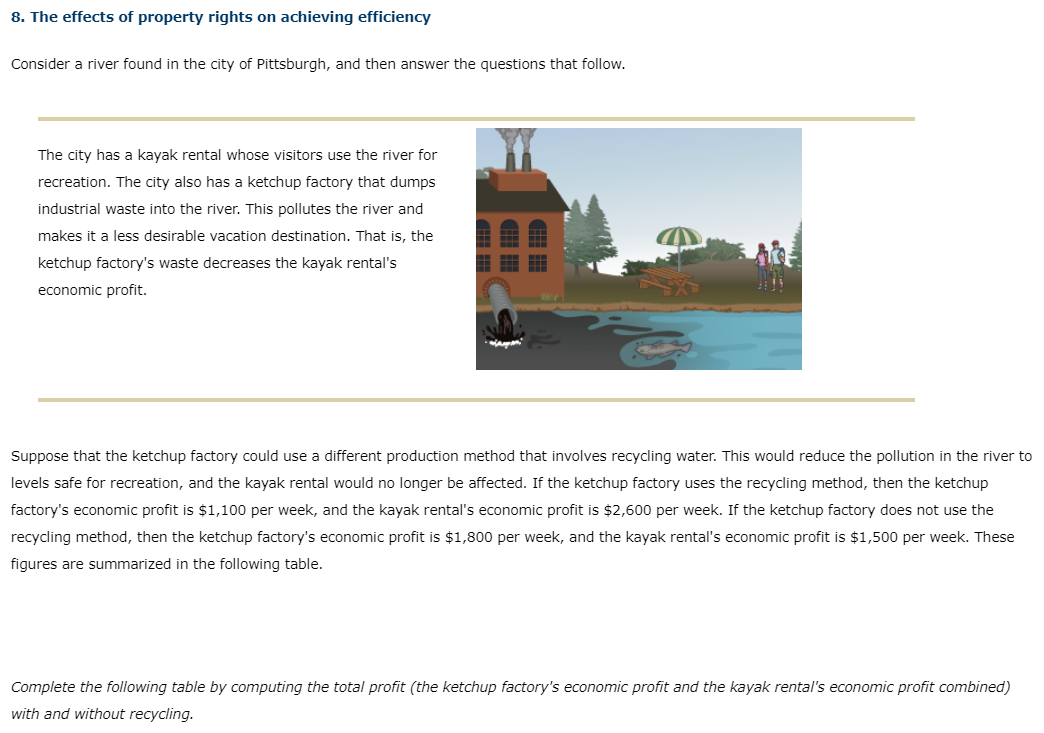
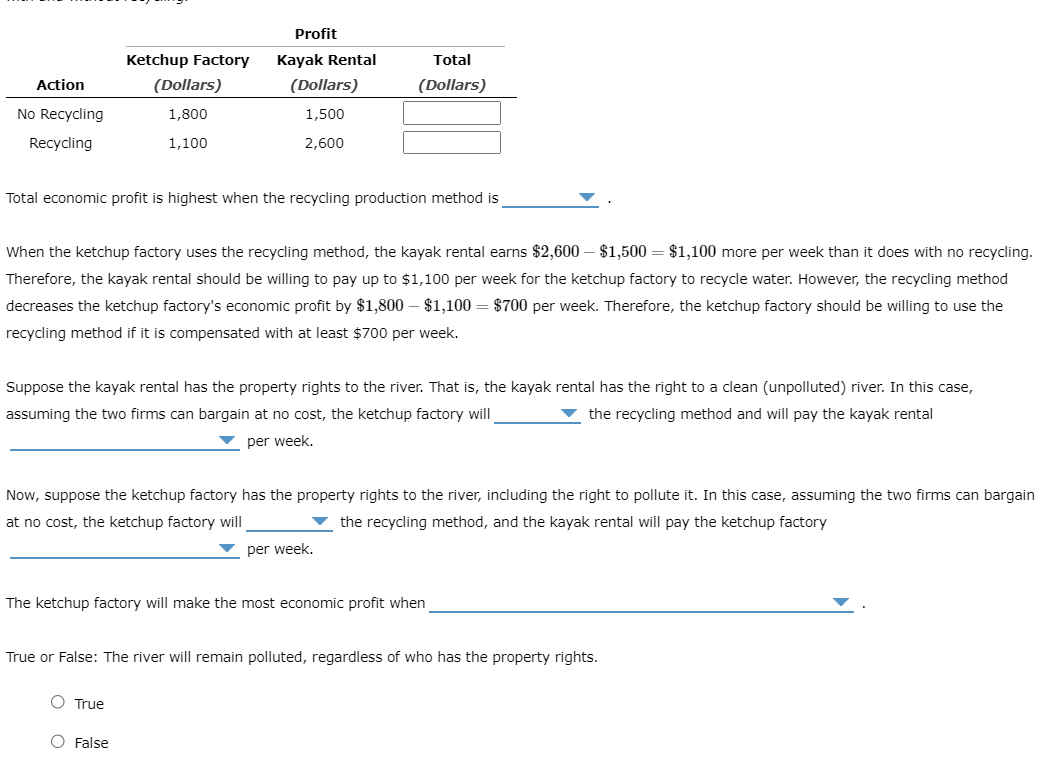

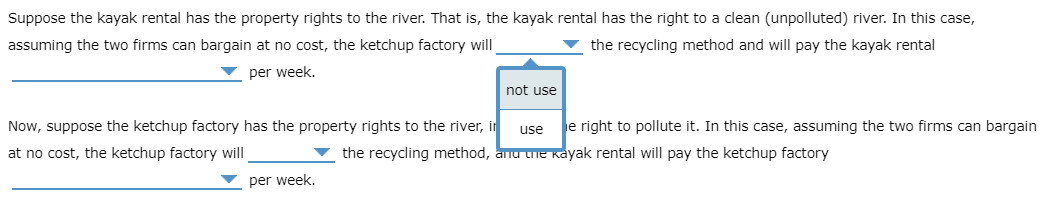
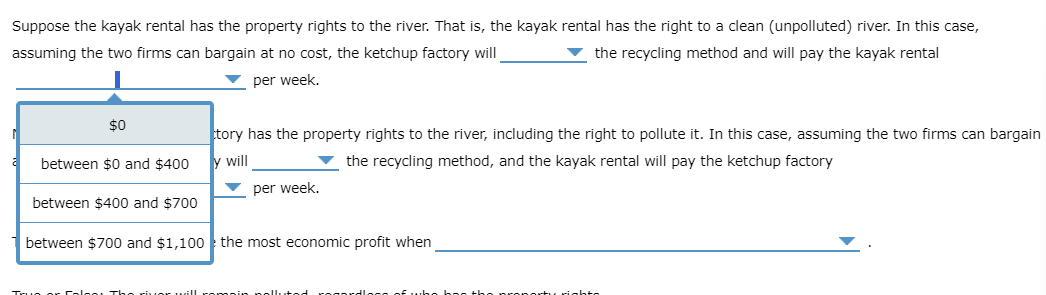

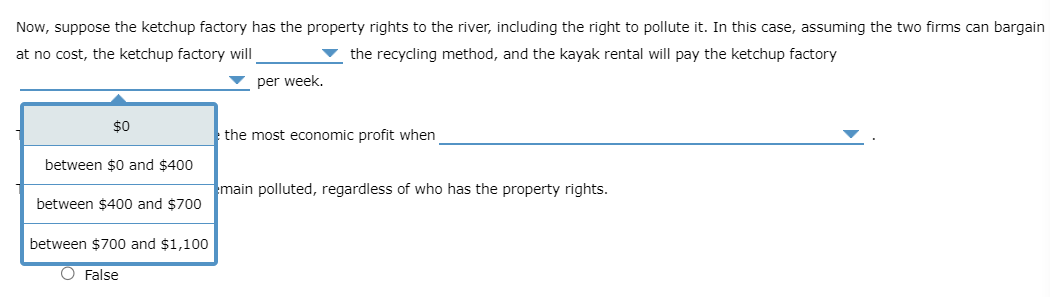
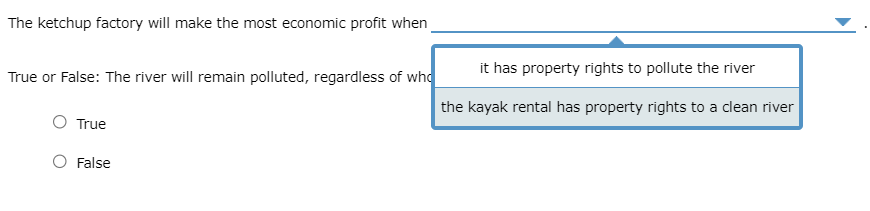
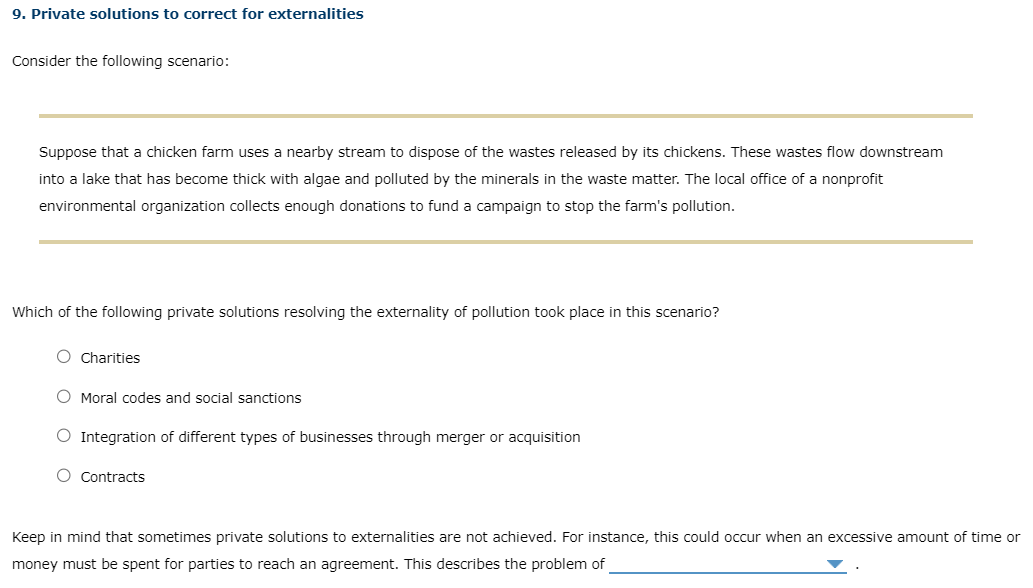
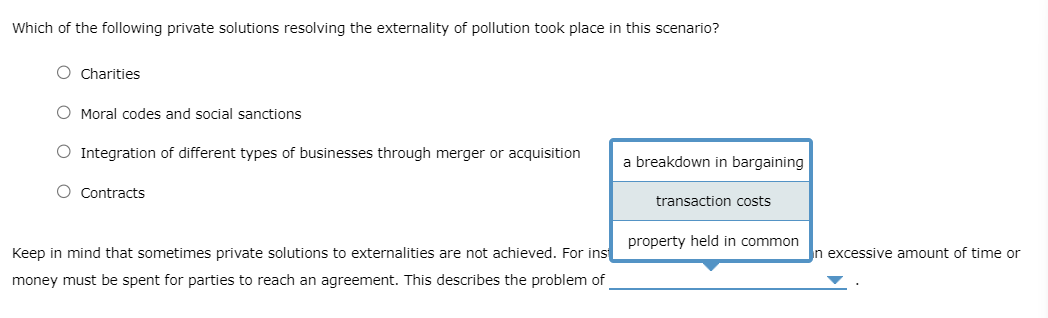
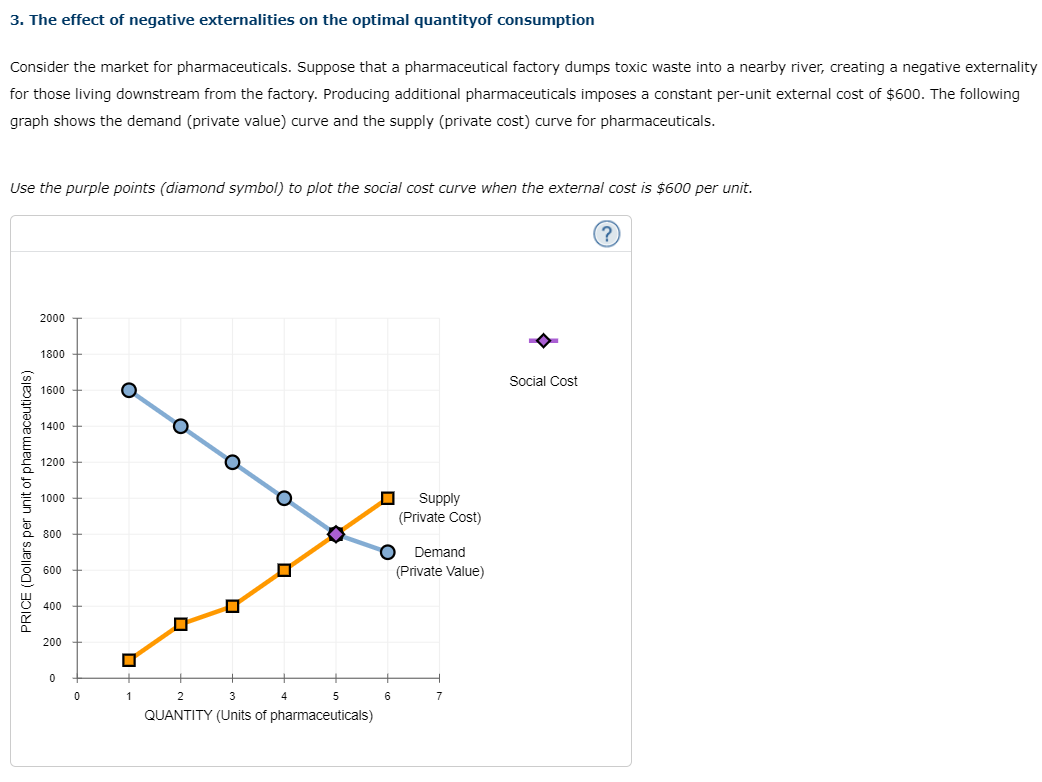

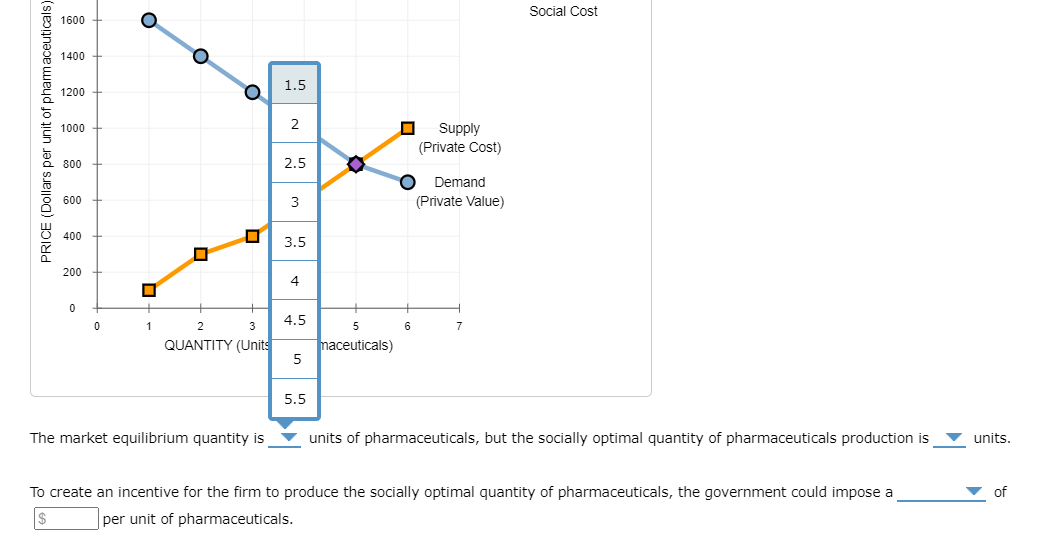
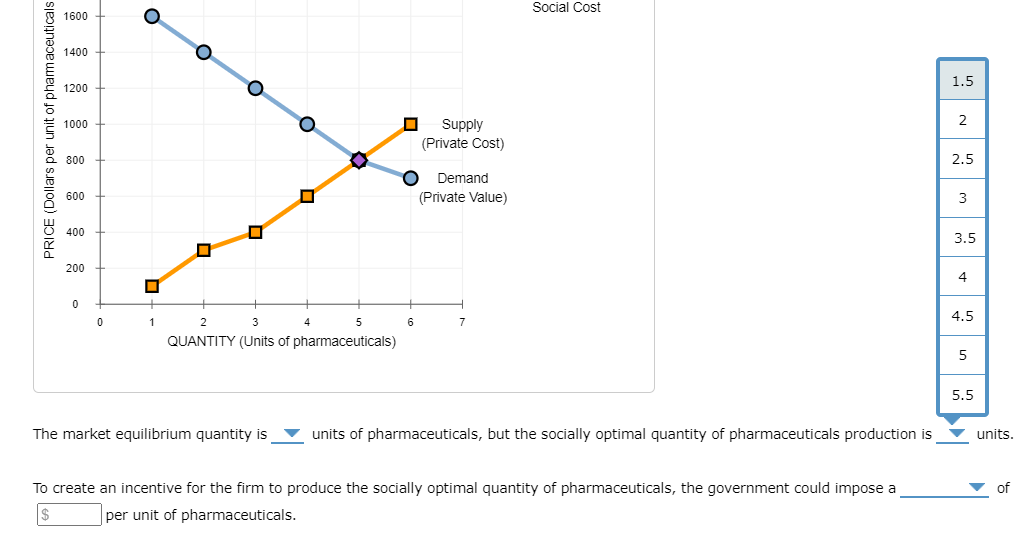
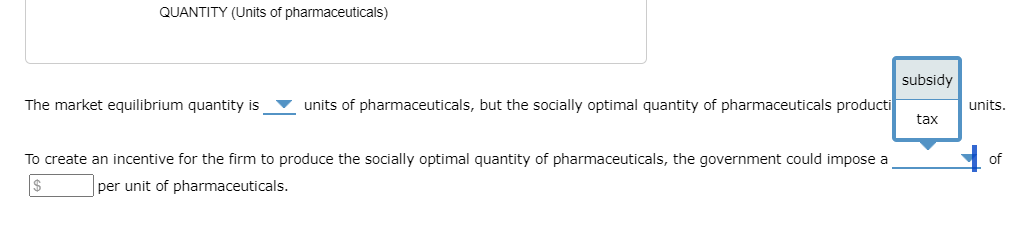
7. Correcting for negative externalities - Taxes versus tradablepermits Nuclear facilities emit radioactive waste as a waste product. This generates a cost to society that is not paid for by the firm; therefore, pollution is a negative externality of electricity production. Suppose the U.S. government wants to correct this market failure by getting firms to internalize the cost of pollution. To do this, the government can charge firms for pollution rights (the right to emit a given quantity of radioactive waste). The following graph shows the daily demand for pollution rights. Use the graph input tool to help you answer the following questions. You will not be graded on any changes you make to this graph. Note: Once you enter a value in a white field, the graph and any corresponding amounts in each grey field will change accordingly. Graph Input Tool (?) Daily Demand for Pollution Rights Price ( Dollars per ton) 9 Quantity 540 Demanded (Millions of tons) PRICE (Dollars per ton) Demand 18 O O 60 120 180 240 300 360 420 480 540 600 QUANTITY (Millions of tons) Suppose the government has determined that the socially optimal quantity of radioactive waste is 360 million tons per day.One way governments can charge firms for pollution rights is by imposing a perunit tax on emissions. A tax (or price in this case) of- per ton of radioactive waste emitted will achieve the desired level of pollution. Now suppose the U.S. government does not know the demand curve for pollution and, therefore, cannot determine the optimal tax to achieve the desired level of pollution. Instead, it auctions off tradable pollution permits. Each permit entitles its owner to emit one ton of radioactive waste per day. To achieve the socially optimal quantity.f of pollution, the government auctions off 360 million pollution permits. Given this quantity of permits, the price for each permit in the market for pollution rights will be-. The previous analysis hinges on the government having good information regarding either the demand for pollution permits or the optimal level of pollution (or both). Given that the appropriate policy [tradable permits or corrective taxes) can depend on the available information and the policyr goal, consider the following scenario. Imagine that newI research suggests that if manufacturers in a particular cityr reduced their emissions to m million tons of waste per year, the air qualityr would improve dramatically. If this is all the information the government has, which solution to reduce pollution is appropriate? Check all that apply. D Tradable permits D Corrective taxes 8. The effects of property rights on achieving efficiency Consider a river found in the city of Pittsburgh, and then answer the questions that follow. The city has a kayak rental whose Visitors use the river for recreation. The city also has a ketchup factory that dumps industrial waste into the river. This pollutes the river and makes it a less desirable vacation destination. That is. the ketchup factory's waste decreases the kayak rental's economic profit. Suppose that the ketchup factory could use a different production method that involves recycling water. This would reduce the pollution in the river to levels safe for recreation, and the kayak rental would no longer be affected. If the ketchup factory uses the recycling method, then the ketchup factory's economic prot is $1,100 per week, and the kayak rental's economic profit is $2,600 per week. If the ketchup factory does not use the recycling method, then the ketchup factory's economic profit is $1,800 per week. and the kayak rental's economic profit is $1,500 per week. These figures are summarized in the following table. Complete the following table by computing the total profit (the ketchup factory's economic profit and the kayak rental's economic profit combined) with and without recycling. Profit Ketchup Factory Kayak Rental Total Action (Dollars) (Dollars) (Dollars) No Recycling 1,800 1,500 Recycling 1,100 2,600 Total economic profit is highest when the recycling production method is When the ketchup factory uses the recycling method, the kayak rental earns $2,600 - $1,500 = $1,100 more per week than it does with no recycling. Therefore, the kayak rental should be willing to pay up to $1,100 per week for the ketchup factory to recycle water. However, the recycling method decreases the ketchup factory's economic profit by $1,800 - $1,100 = $700 per week. Therefore, the ketchup factory should be willing to use the recycling method if it is compensated with at least $700 per week. Suppose the kayak rental has the property rights to the river. That is, the kayak rental has the right to a clean (unpolluted) river. In this case, assuming the two firms can bargain at no cost, the ketchup factory will the recycling method and will pay the kayak rental per week. Now, suppose the ketchup factory has the property rights to the river, including the right to pollute it. In this case, assuming the two firms can bargain at no cost, the ketchup factory will the recycling method, and the kayak rental will pay the ketchup factory per week. The ketchup factory will make the most economic profit whenTotal economic profit is highest when the recycling production method is When the ketchup factory uses the recycling method, the kayak rental ea not used $1,500 = $1,100 more per week than it does with no recycling. Therefore, the kayak rental should be willing to pay up to $1,100 per we used etchup factory to recycle water. However, the recycling method decreases the ketchup factory's economic profit by $1,800 - $1,100 = $Too per week. Therefore, the ketchup factory should be willing to use the recycling method if it is compensated with at least $700 per week.Suppose the kayak rental has the property rights to the river. That is, the kayak rental has the right to a clean (unpolluted) river. In this case, assuming the two firms can bargain at no cost, the ketchup factory will the recycling method and will pay the kayak rental per week. not use Now, suppose the ketchup factory has the property rights to the river, it use le right to pollute it. In this case, assuming the two firms can bargain at no cost, the ketchup factory will the recycling method, and the kayak rental will pay the ketchup factorySuppose the kayak rental has the property rights to the river. That isr the kayak rental has the right to a clean (unpolluted) riyer. In this case, assuming the two firms can bargain at no cost. the ketchup factory will V the recycling method and will pay the kayak rental V per week. ory has the property rights to the river, including the right to pollute it. In this case, assuming the two firms can bargain between $0 and $400 will V the recycling method. and the kayak rental will pay the ketchup factory V per week. between $400 and $}'00 between $700 and $1,100 the most economic profit when v _ True or False: The river will remain Dolluted. regardless of who has the property rights. Now, suppose the ketchup factory has the property rights to the river, including the right to pollute it. In this case, assuming the two rms can bargain at no cost, the ketchup factory will V the recycling method, and the kayak rental will pay the ketchup factory V not USE! The Ketchup factory will make the use mic profit when V . Now, suppose the ketchup factory has the property rights to the river, including the right to pollute it. In this case, assuming the two rms can bargain at no cost, the ketchup factory will V the recycling method, and the kayak rental will pay the ketchup factory V per week. the most economic profit when V . between $0 and $400 main polluted, regardless of who has the property rights. between $400 and $?00 between $700 and $1,100 Enlnn The ketchup factory will make the most economic profit when True or False: The river will remain polluted, regardless of who it has property rights to pollute the river the kayak rental has property rights to a clean river O True O FalseTrue or False: The river will remain polluted, regardless of who has the property rights. O True O False9. Private solutions to correct for externalities Consider the following scenario: Suppose that a chicken farm uses a nearby stream to dispose of the wastes released by its chickens. These wastes ow downstream into a lake that has become thick with algae and polluted by the minerals in the waste matter. The local office of a nonprofit environmental organization collects enough donations to fund a campaign to stop the farm's pollution. which of the following private solutions resolving the externalitv of pollution took place in this scenario? 0 Charities O Moral codes and social sanctions 0 Integration of different types of businesses through merger or acquisition O Contracts Keep in mind that sometimes private solutions to externalities are not achieved. For instance, this could occur when an excessive amount of time or monevr must be spent for parties to reach an agreement. This describes the problem of V . which of the following private solutions resolving the externalitv of pollution took place in this scenario? O Chanties O Moral codes and social sanctions O Integration of different types of businesses through merger or acquisition a breakdown in bargaining O contracts transaction costs property held in common Keep in mind that sometimes private solutions to externalities are not achieved. For ins n excessive amount of time or monevr must be spent for parties to reach an agreement. This describes the problem of V . 7. Correcting for negative externalities - Taxes versus tradablepermits Nuclear facilities emit radioactive waste as a waste product. This generates a cost to society that is not paid for by the firm; therefore, pollution is a negative externality of electricity production. Suppose the U.S. government wants to correct this market failure by getting firms to internalize the cost of pollution. To do this, the government can charge firms for pollution rights (the right to emit a given quantity of radioactive waste). The following graph shows the daily demand for pollution rights. Use the graph input tool to help you answer the following questions. You will not be graded on any changes you make to this graph. Note: Once you enter a value in a white field, the graph and any corresponding amounts in each grey field will change accordingly. Graph Input Tool (?) 90 Daily Demand for Pollution Rights 81 Price 72 (Dollars per ton) 9 Quantity 63 540 Demanded ( Millions of tons) 54 PRICE (Dollars per ton) 36 N Demand 18 0 0 60 120 180 240 300 360 420 480 540 600 QUANTITY (Millions of tons)Suppose the government has determined that the socially optimal quantity of radioactive waste is 360 million tons per day. One way governments can charge firms for pollution rights is by imposing a perunit tax on emissions. A tax (or price in this case) of- per ton of radioactive waste emitted will achieve the desired level of pollution. Now suppose the U.S. government does not know the demand curve for pollution and, therefore, cannot determine the optimal tax to achieve the desired level of pollution. Instead, it auctions off tradable pollution permits. Each permit entitles its owner to emit one ton of radioactive waste per day. To achieve the sociallyr optimal quantity of pollution, the government auctions off 360 million pollution permits. Given this quantity of permits, the price for each permit in the market for pollution rights will be . The previous analysis hinges on the government having good information regarding either the demand for pollution permits or the optimal level of pollution (or both). Given that the appropriate policy (tradable permits or corrective taxes) can depend on the available information and the policvr goal, consider the following scenario. Imagine that new research suggests that if manufacturers in a particular city reduced their emissions to 70 million tons of waste per vear, the air qualityr would improve dramatically. If this is all the information the govemment has, which solution to reduce pollution is appropriate? Check all that apply. I: Tradable permits l: Corrective taxes 8. The effects of property rights on achieving efficiency Consider a river found in the city of Pittsburgh, and then answer the questions that follow. The city has a kayak rental whose visitors use the river for recreation. The city also has a ketchup factory that dumps industrial waste into the river. This pollutes the river and makes it a less desirable vacation destination. That is, the ketchup factory's waste decreases the kayak rental's economic prot. Suppose that the ketchup factory could use a different production method that involves recycling water. This would reduce the pollution in the river to levels safe for recreation, and the kayak rental would no longer be affected. If the ketchup factory uses the recycling method, then the ketchup factory's economic prot is $1,100 per week, and the kayak rental's economic prot is $2,600 per week. If the ketchup factory does not use the recycling method, then the ketchup factory's economic profit is $1,800 per week, and the kayak rental's economic profit is $1,500 per week. These figures are summarized in the following table. Complete the following table by computing the total prot ( the ketchup factory's economic prot and the kayak rental's economic prot combined) with and without recycling. Profit Ketchup Factory Kayak Rental Total Action (Dollars) ( Dollars) (Dollars) No Recycling 1,800 1,500 Recycling 1,100 2,600 Total economic profit is highest when the recycling production method is When the ketchup factory uses the recycling method, the kayak rental earns $2,600 - $1,500 = $1,100 more per week than it does with no recycling. Therefore, the kayak rental should be willing to pay up to $1,100 per week for the ketchup factory to recycle water. However, the recycling method decreases the ketchup factory's economic profit by $1,800 - $1,100 = $700 per week. Therefore, the ketchup factory should be willing to use the recycling method if it is compensated with at least $700 per week. Suppose the kayak rental has the property rights to the river. That is, the kayak rental has the right to a clean (unpolluted) river. In this case, assuming the two firms can bargain at no cost, the ketchup factory will the recycling method and will pay the kayak rental per week. Now, suppose the ketchup factory has the property rights to the river, including the right to pollute it. In this case, assuming the two firms can bargain at no cost, the ketchup factory will the recycling method, and the kayak rental will pay the ketchup factory per week. The ketchup factory will make the most economic profit when True or False: The river will remain polluted, regardless of who has the property rights. O True O FalseTotal economic profit is highest when the recycling production method is V . when the Ketchup factory uses the recycling method, the kayak rental e $1,500 2 $1,100 more per week than it does with no recycling. Therefore, the kayak rental should be willing to pay up to $1,100 per we -tchup factory to recycle water. However, the recycling method decreases the ketchup factory's economic profit by $1,800 $1,100 = $ - u u - -- k--. Therefore, the ketchup factory should be willing to use the recycling method if it is compensated with at least $700 per week. Suppose the kayak rental has the property rights to the river. That is. the kayak rental has the right to a clean (unpolluted) river. In this case, assuming the two firms can bargain at no cost, the ketchup factory will V the recycling method and will pay the kayak rental V per week. Now, suppose the ketchup factory has the property rights to the river, i e right to pollute it. In this case, assuming the two rms can bargain at no cost, the ketchup factory will V the recycling method, . u - 1-: yak rental will pay the ketchup factory V per week. Suppose the kayak rental has the property rights to the river. That is, the kayak rental has the right to a clean (unpolluted) river. In this case, assuming the two firms can bargain at no cost, the ketchup factory will the recycling method and will pay the kayak rental per week. $0 ttory has the property rights to the river, including the right to pollute it. In this case, assuming the two firms can bargain between $0 and $400 y will the recycling method, and the kayak rental will pay the ketchup factory per week. between $400 and $700 between $700 and $1,100 the most economic profit whenNow, suppose the ketchup factory has the property rights to the river, including the right to pollute it. In this case, assuming the two rms can bargain at no cost, the ketchup factory will V the recycling method, and the kayak rental will payr the ketchup factory V n 0t USE The ketchup factory will make the a mic profit when V . Now, suppose the ketchup factory has the property rights to the river, including the right to pollute it. In this case, assuming the two rms can bargain at no cost, the ketchup factory will V the recycling method, and the kayak rental will pay the ketchup factory V per week. the most economic profit when V . between $0 and $400 main polluted, regardless of who has the property rights. between $400 and $?00 between $700 and $1,100 0 False The ketchup factory will make the most economic profit when True or False: The river will remain polluted, regardless of who it has property rights to pollute the river the kayak rental has property rights to a clean river O True O False9. Private solutions to correct for externalities Consider the following scenario: Suppose that a chicken farm uses a nearby stream to dispose of the wastes released by its chickens. These wastes ow downstream into a lake that has become thick with algae and polluted by the minerals in the waste matter. The local office of a nonprot environmental organization collects enough donations to fund a campaign to stop the farm's pollution. which of the following pn'vate solutions resolving the externalitv of pollution took place in this scenario? 0 Charities O Moral codes and social sanctions 0 Integration of different types of businesses through merger or acquisition 0 Contracts Keep in mind that sometimes private solutions to externalities are not achieved. For instance, this could occur when an excessive amount of time or monevr must be spent for parties to reach an agreement. This describes the problem of V . Which of the following private solutions resolving the externality of pollution took place in this scenario? O Charities O Moral codes and social sanctions O Integration of different types of businesses through merger or acquisition a breakdown in bargaining O Contracts transaction costs property held in common Keep in mind that sometimes private solutions to externalities are not achieved. For inst n excessive amount of time or money must be spent for parties to reach an agreement. This describes the problem of3. The effect of negative externalities on the optimal quantityof consumption Consider the market for pharmaceuticals. Suppose that a pharmaceutical factory dumps toxic waste into a nearby river, creating a negative externality for those living downstream from the factory. Producing additional pharmaceuticals imposes a constant per-unit external cost of $600. The following graph shows the demand (private value) curve and the supply (private cost) curve for pharmaceuticals. Use the purple points (diamond symbol) to plot the social cost curve when the external cost is $600 per unit. 2000 1800 Social Cost 1600 O 1400 O 1200 O PRICE (Dollars per unit of pharmaceuticals) 1000 O Supply (Private Cost) 800 O Demand 600 (Private Value) 400 200 0 1 2 3 5 6 QUANTITY (Units of pharmaceuticals)The market equilibrium quantity is _ units of pharmaceuticals, but the socially optimal quantity of pharmaceuticals production is V units. To create an incentive for the firm to produce the socially optimal quantity of pharmaceuticals, the government could impose a of $ per unit of pharmaceuticals.1600 O Social Cost 1400 1200 1.5 1000 2 PRICE (Dollars per unit of pharmaceuticals ) Supply (Private Cost) 800 2.5 O Demand 600 3 (Private Value) 400 3.5 200 4 0 1 2 3 4.5 5 6 7 QUANTITY (Units maceuticals) 5 5.5 The market equilibrium quantity is units of pharmaceuticals, but the socially optimal quantity of pharmaceuticals production is * units. To create an incentive for the firm to produce the socially optimal quantity of pharmaceuticals, the government could impose a of $ per unit of pharmaceuticals.Social Cost 1600 1400 1200 O 1.5 1000 Supply 2 PRICE ( Dollars per unit of pharmaceuticals (Private Cost) 800 2.5 O Demand 600 (Private Value) 3 400 3.5 200 4 2 3 4 5 6 7 4.5 QUANTITY (Units of pharmaceuticals) 5 5.5 The market equilibrium quantity is units of pharmaceuticals, but the socially optimal quantity of pharmaceuticals production is units. To create an incentive for the firm to produce the socially optimal quantity of pharmaceuticals, the government could impose a of $ per unit of pharmaceuticals.QUANTITY (Units of pharmaceuticals) subsidy The market equilibrium quantity is units of pharmaceuticals, but the socially optimal quantity of pharmaceuticals producti units. tax To create an incentive for the firm to produce the socially optimal quantity of pharmaceuticals, the government could impose a of $ per unit of pharmaceuticals
Step by Step Solution
There are 3 Steps involved in it

Get step-by-step solutions from verified subject matter experts
 Study Help