







Question: A complete solution means that you have provided the Given, Required, Analysis, Solution and Statement. Be sure that you communicate your final answer with
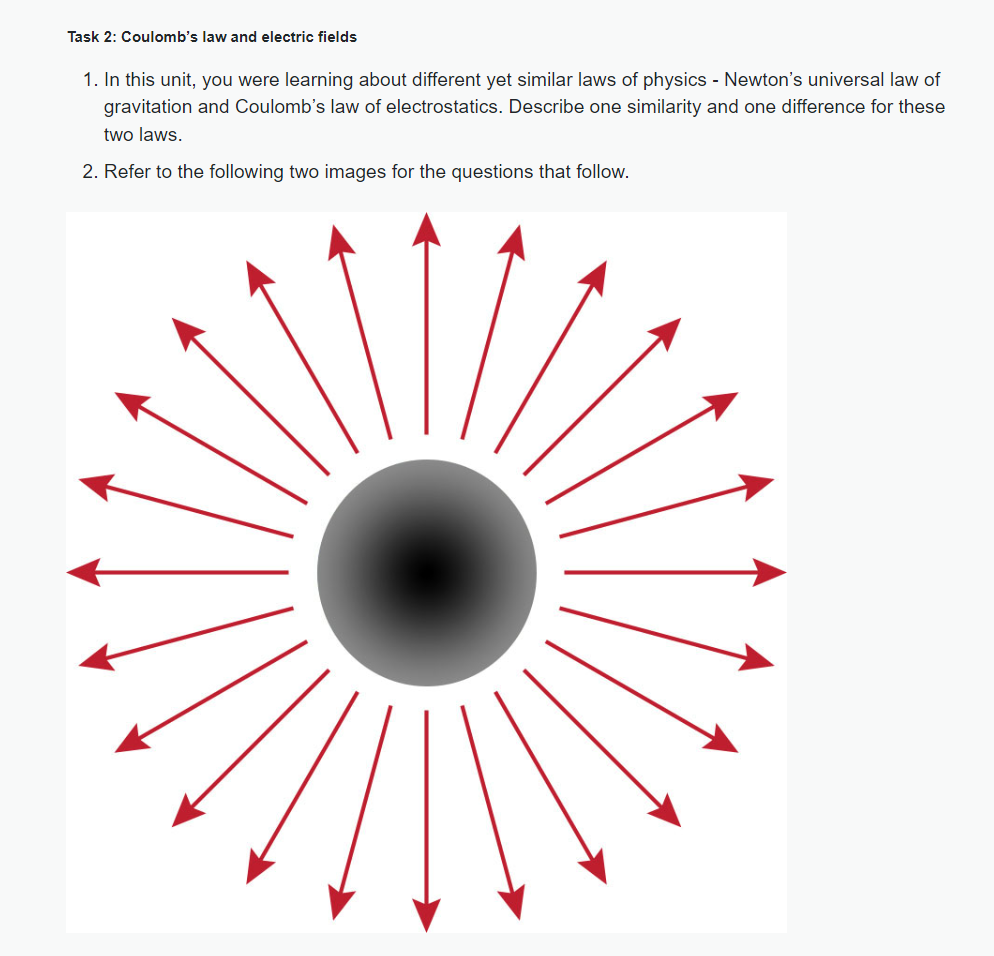
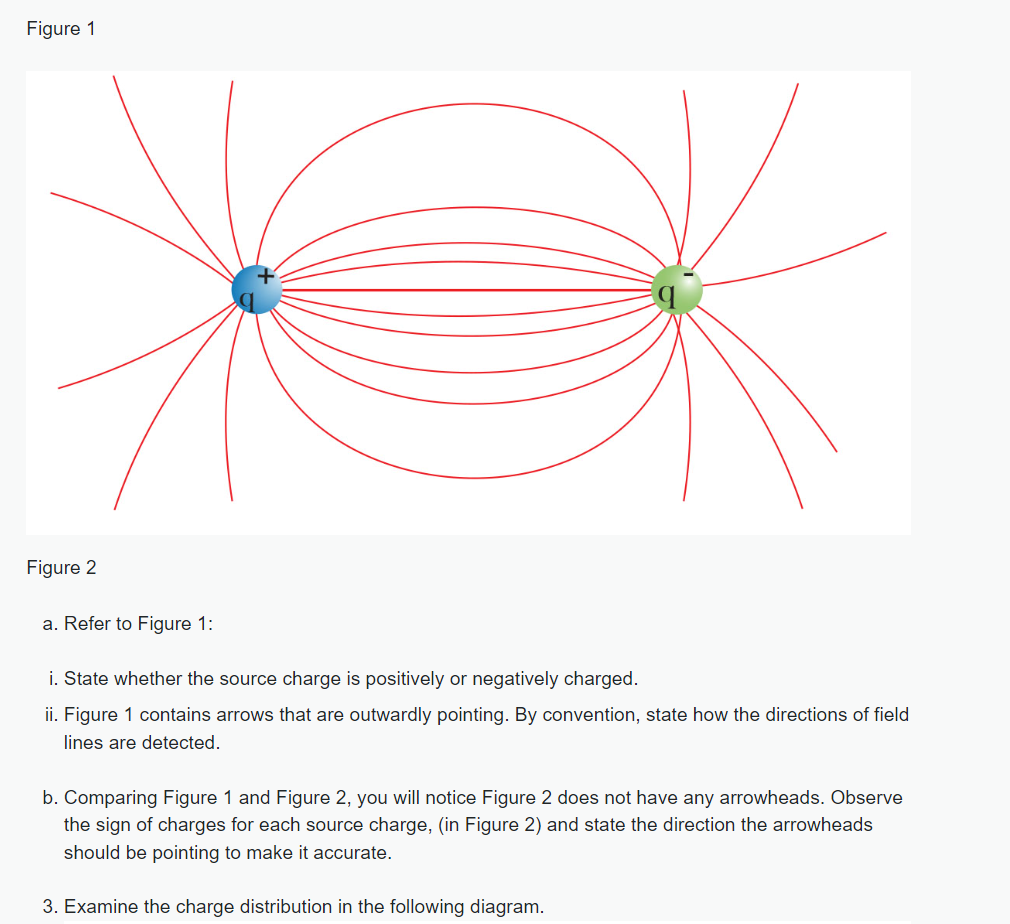
A complete solution means that you have provided the Given, Required, Analysis, Solution and Statement. Be sure that you communicate your final answer with appropriate units and the correct number of significant figures. 1. The earth has a mass of 5.98 1024 kg and the moon has a mass of 7.35 1022 kg. The distance from the centre of the moon to the centre of the earth is 3.84 109 m. A rocket with a total mass of 1,200 kg is 3.0 108 m from the centre of the earth and directly in between the earth and the moon. Find the net gravitational force on the rocket from the earth and moon. 2. A 500 kg satellite experiences a gravitational force of 3,000 N, while moving in a circular orbit around the earth. a. Determine the radius of the circular orbit. b. Determine the speed of the satellite. c. Determine the period of the orbit. Task 2: Coulomb's law and electric fields 1. In this unit, you were learning about different yet similar laws of physics - Newton's universal law of gravitation and Coulomb's law of electrostatics. Describe one similarity and one difference for these two laws. 2. Refer to the following two images for the questions that follow. Figure 1 Figure 2 a. Refer to Figure 1: i. State whether the source charge is positively or negatively charged. ii. Figure 1 contains arrows that are outwardly pointing. By convention, state how the directions of field lines are detected. b. Comparing Figure 1 and Figure 2, you will notice Figure 2 does not have any arrowheads. Observe the sign of charges for each source charge, (in Figure 2) and state the direction the arrowheads should be pointing to make it accurate. 3. Examine the charge distribution in the following diagram.
Step by Step Solution
There are 3 Steps involved in it

Get step-by-step solutions from verified subject matter experts
 Study Help