



Question: A quadratic function f is given. f(x)=16x2+40x+11 (a) Determine whether the given quadratic function has a maximum value or a minimum value. Then nd this
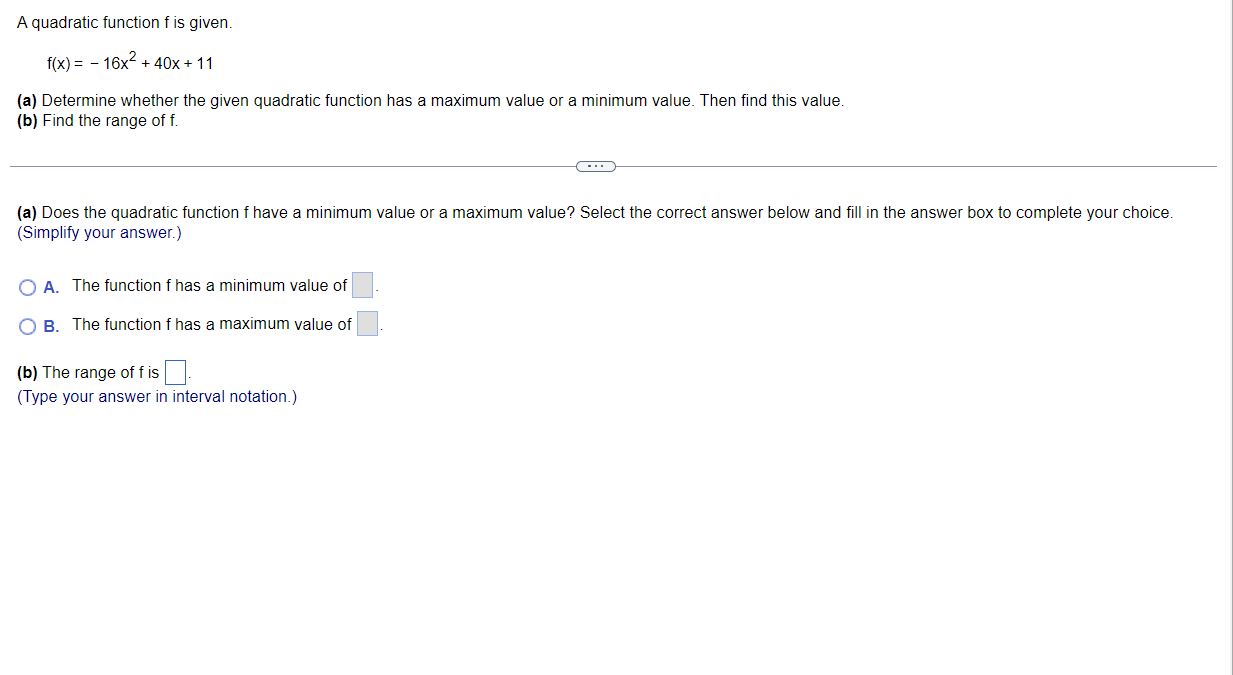
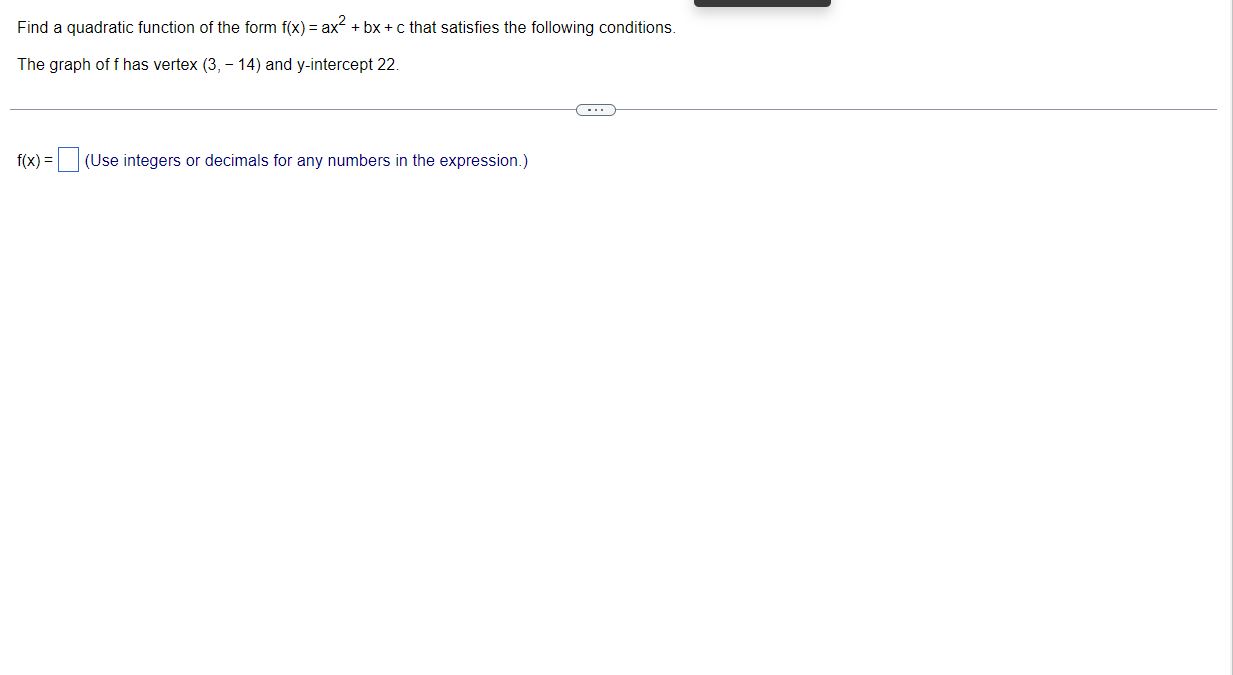
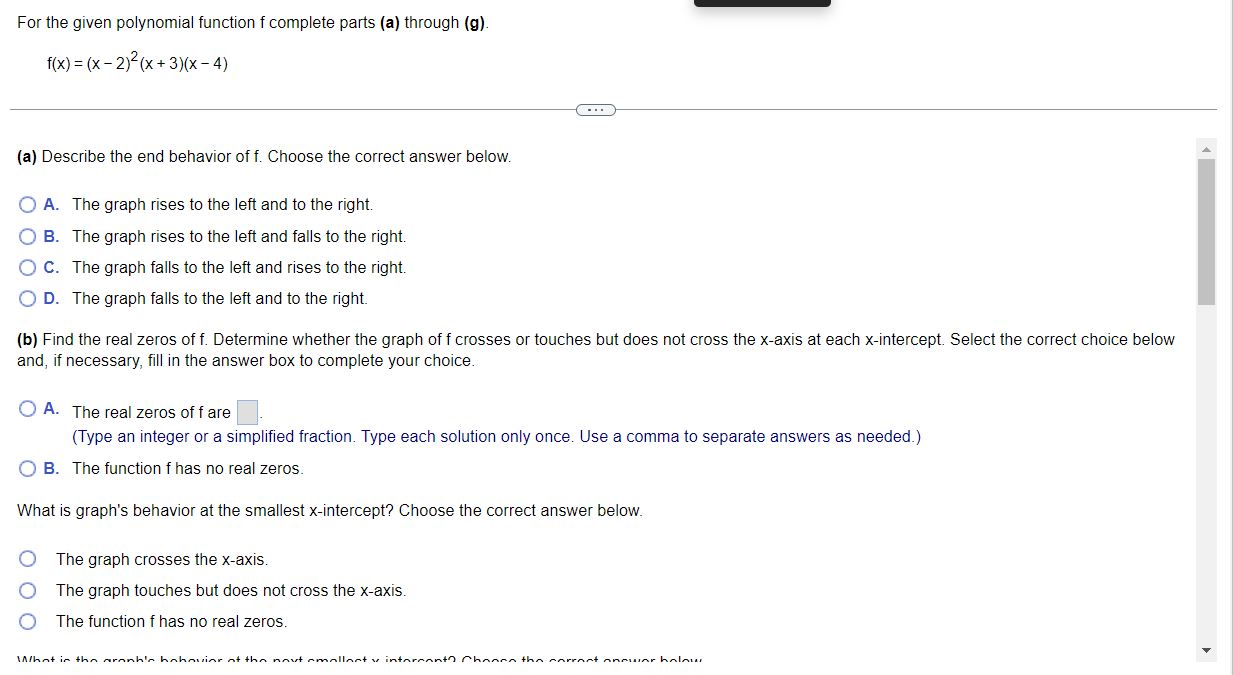
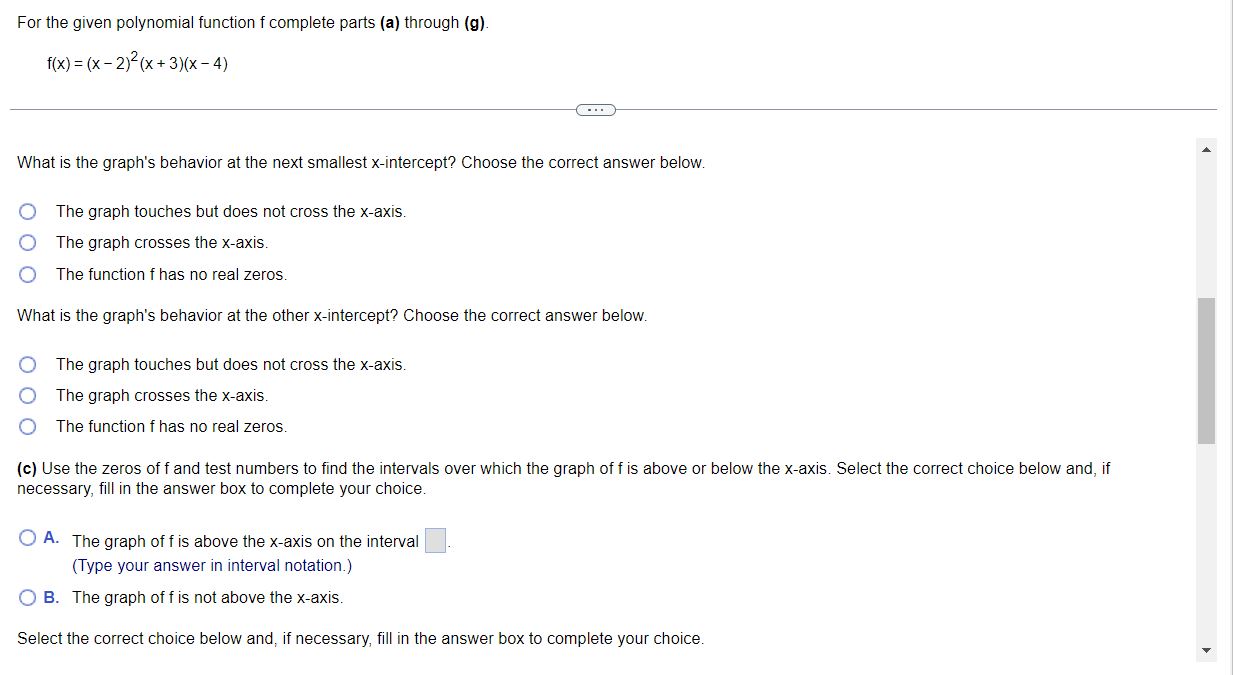
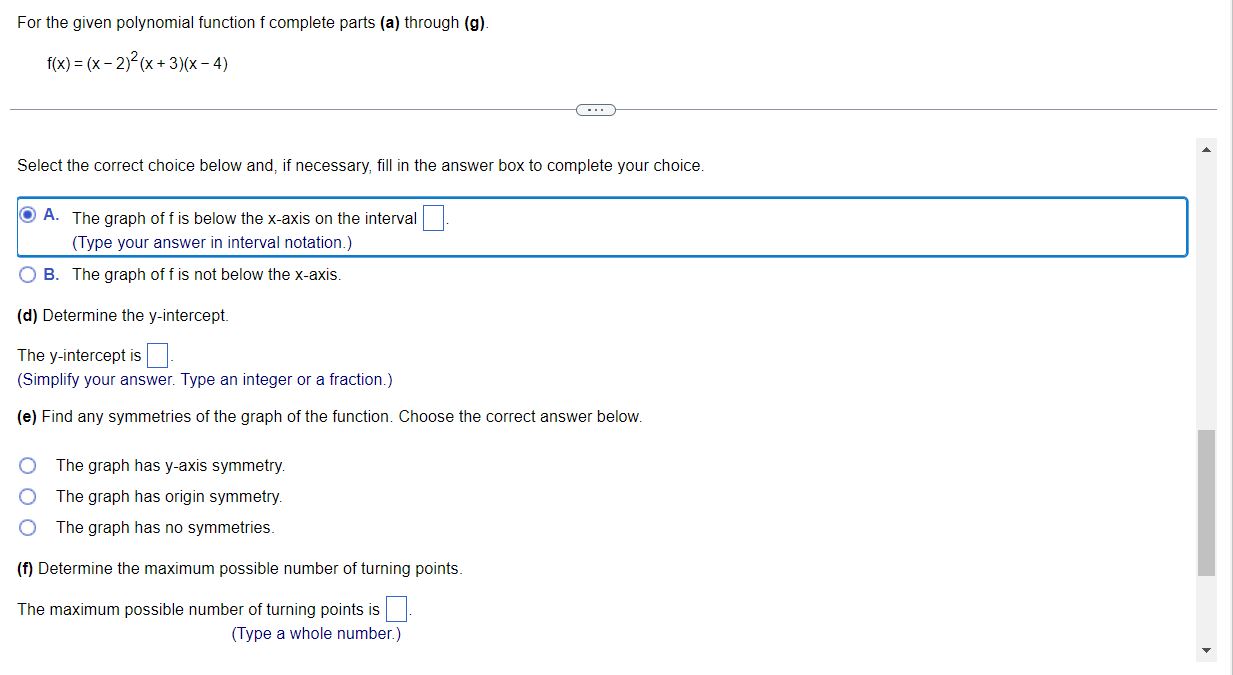
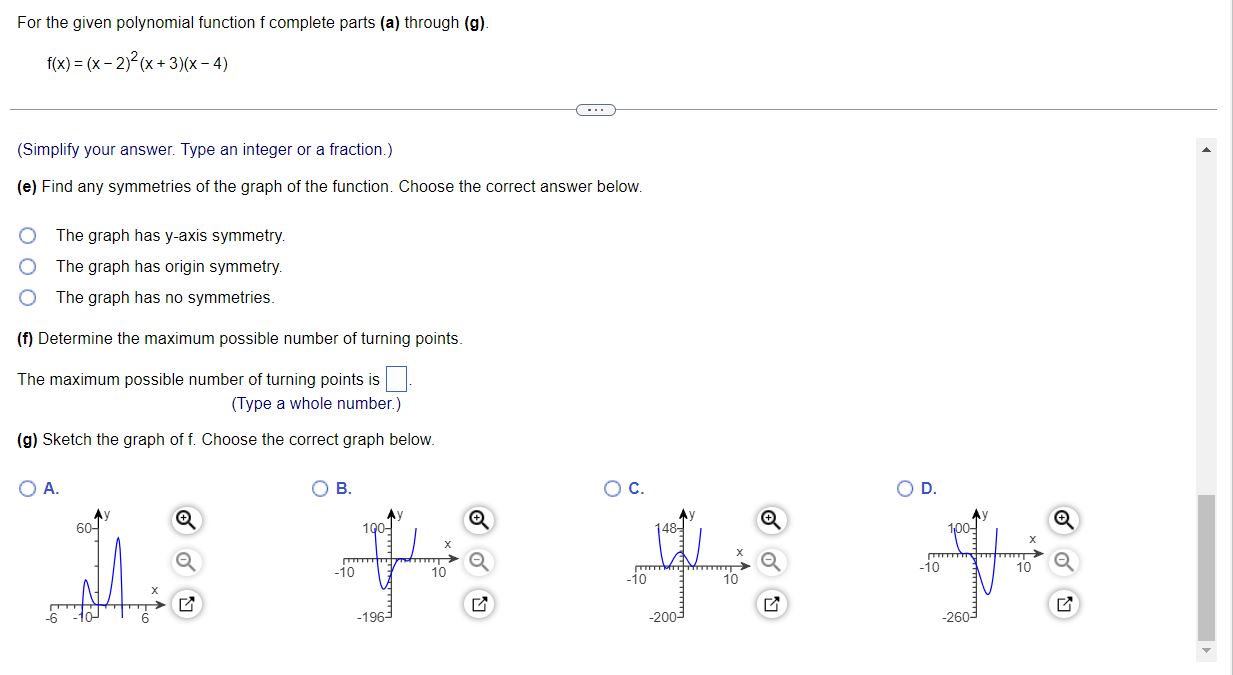
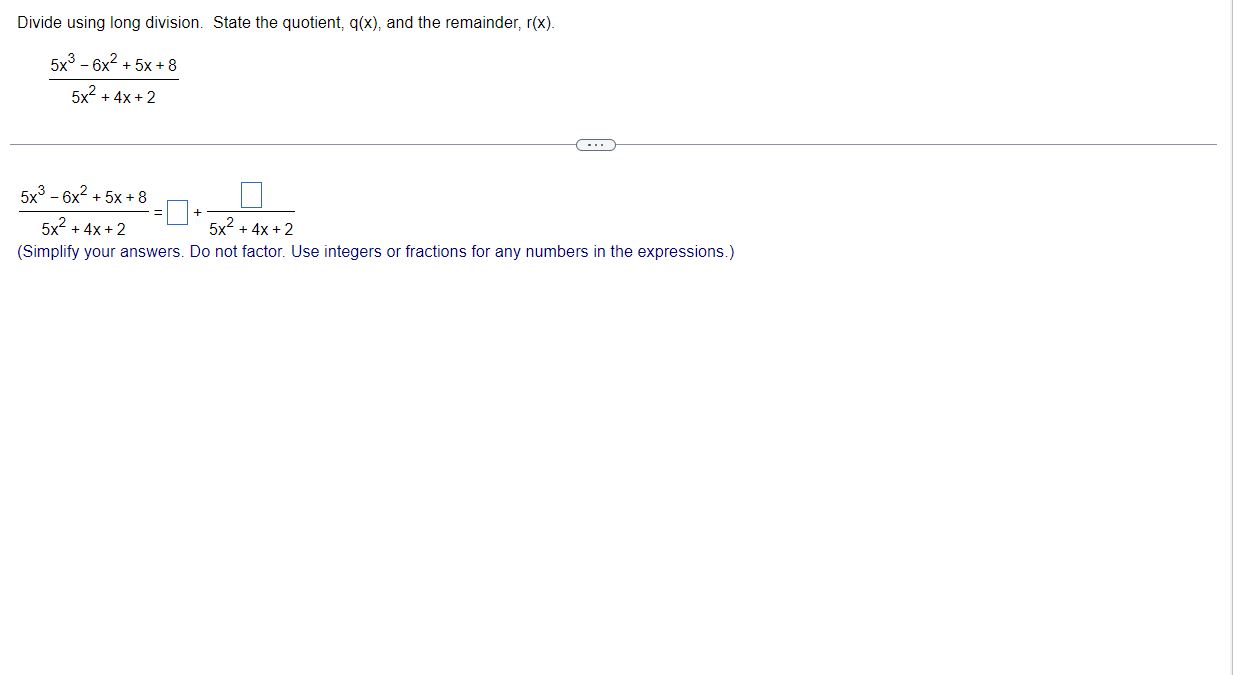
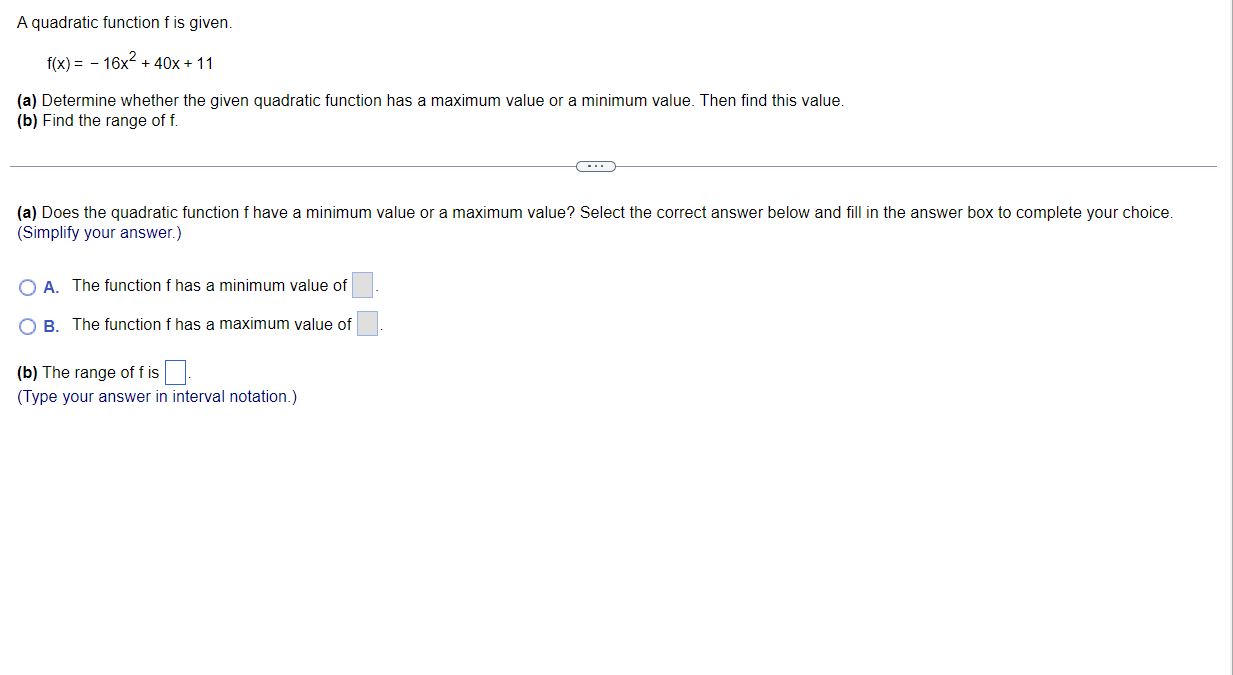
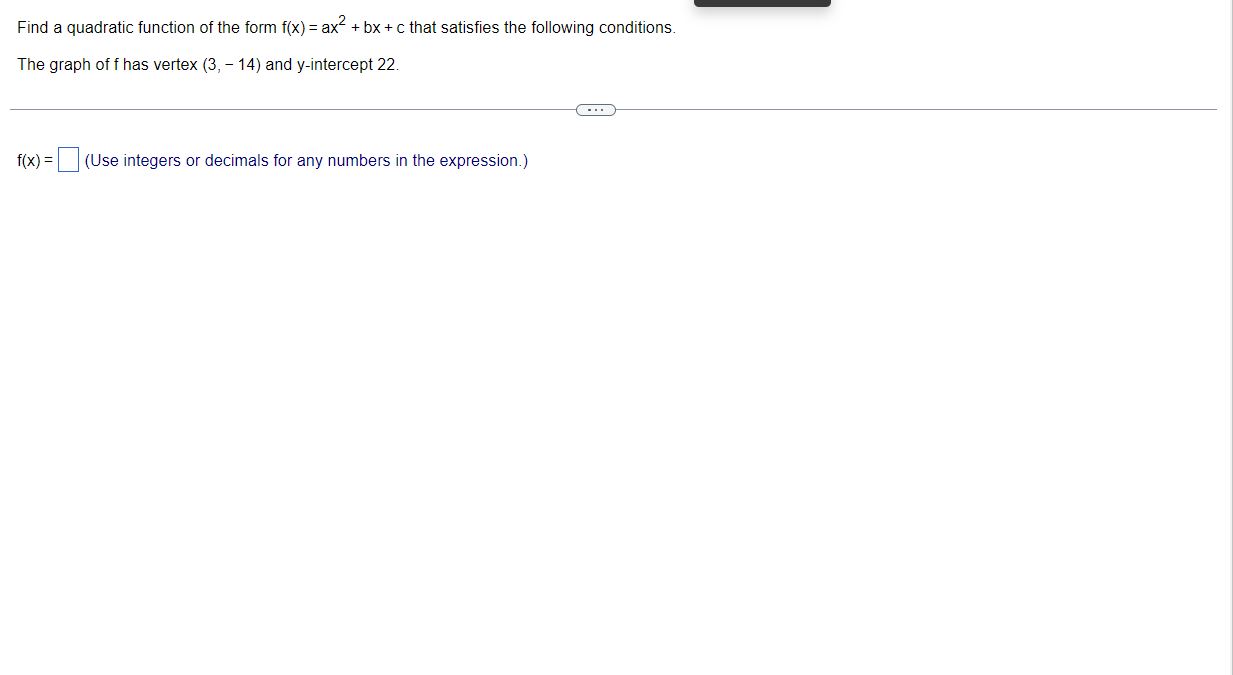
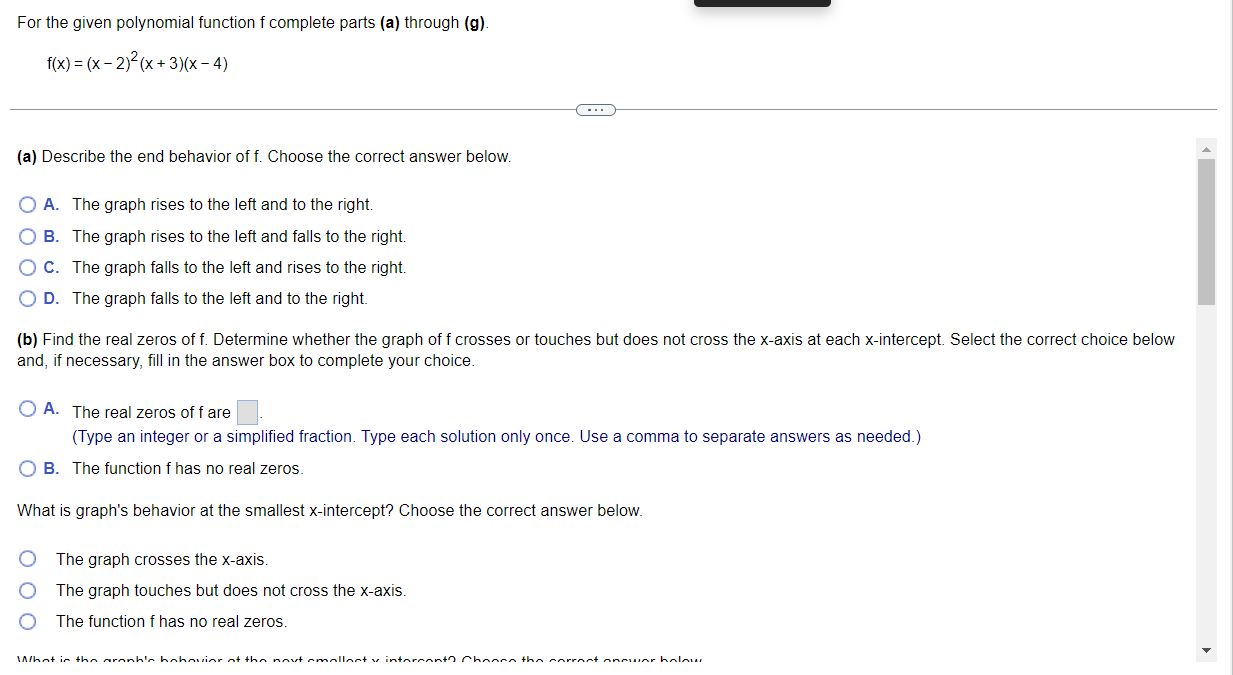
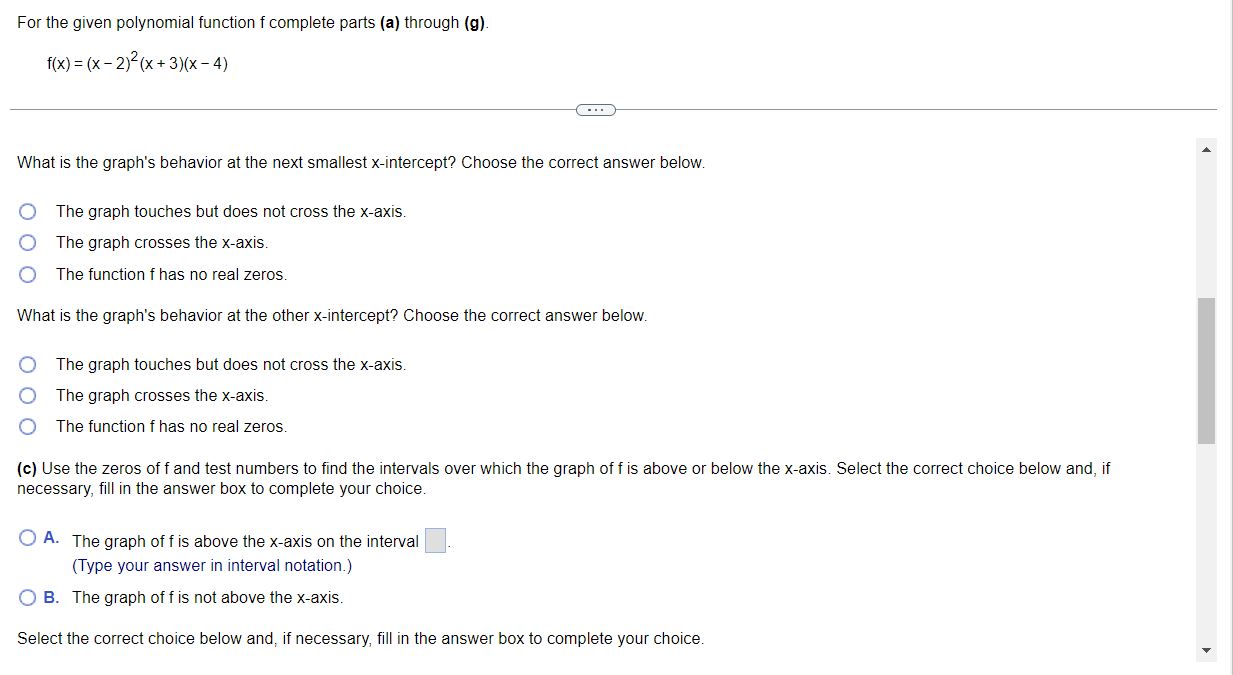
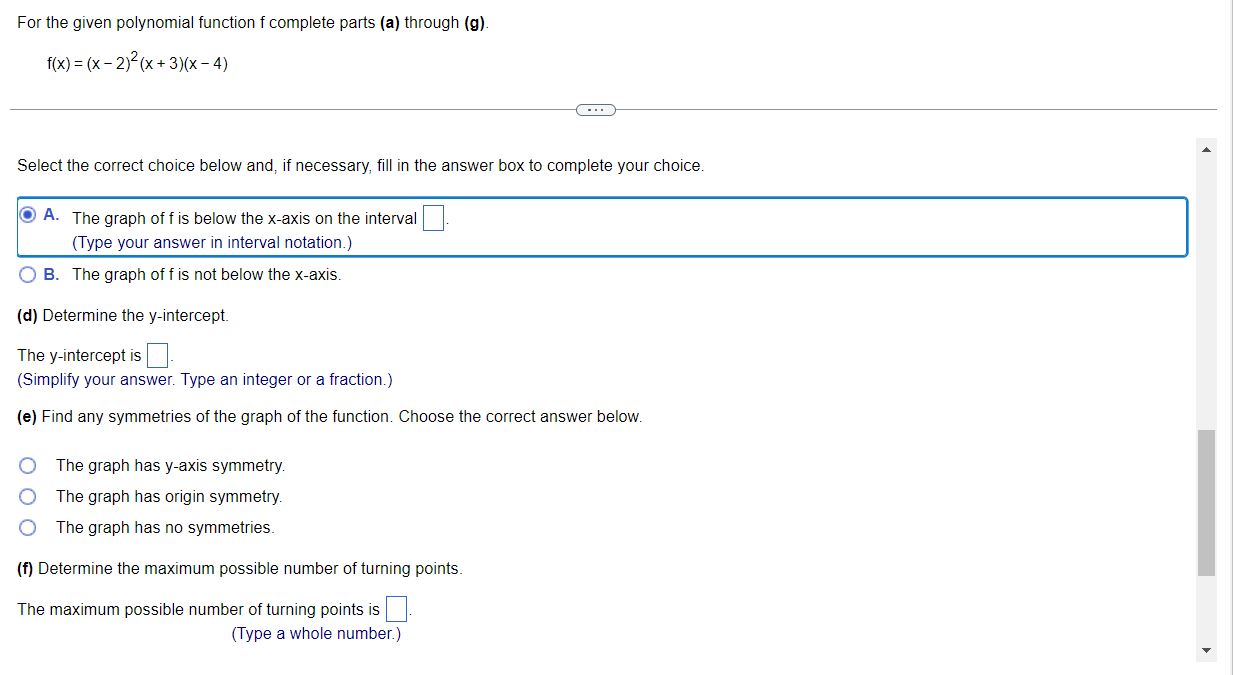
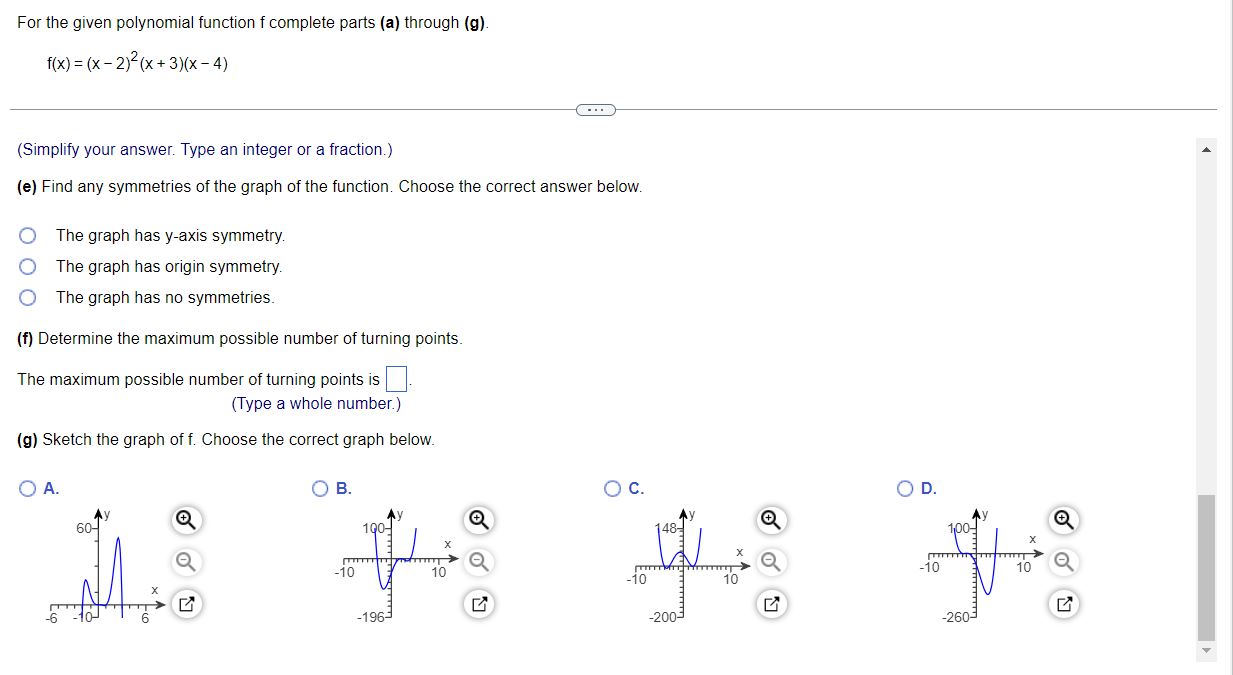
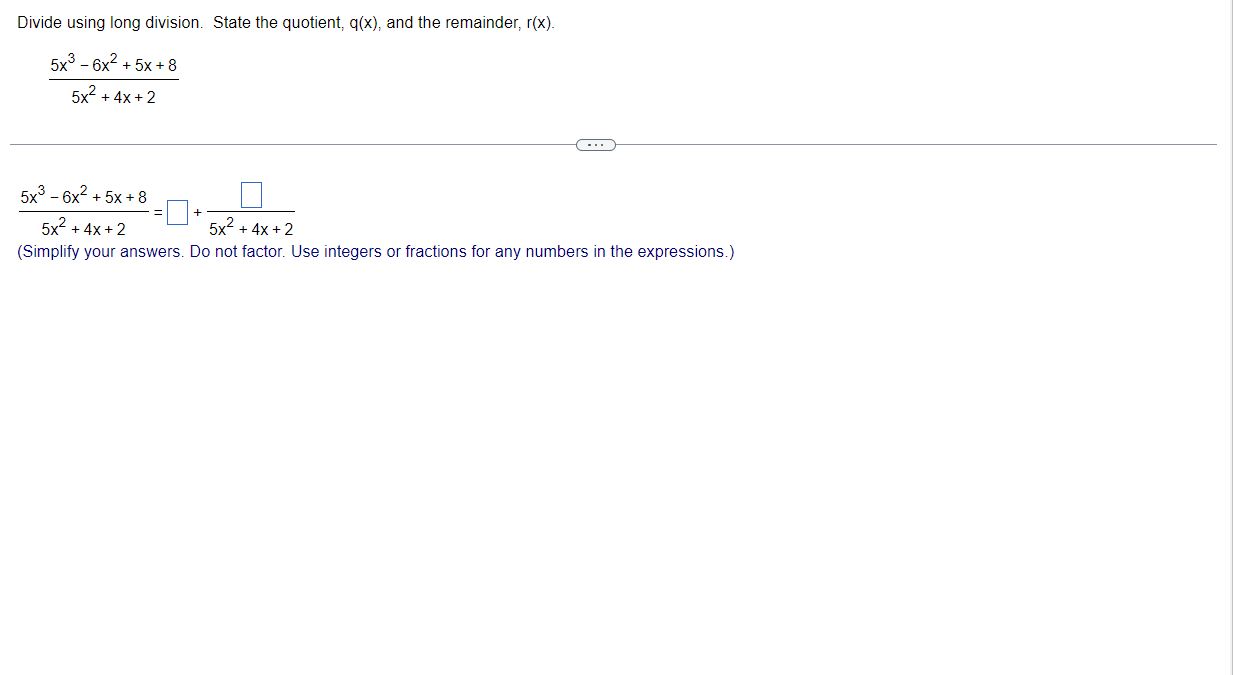
A quadratic function f is given. f(x)=16x2+40x+11 (a) Determine whether the given quadratic function has a maximum value or a minimum value. Then nd this value. {b} Find the range of f. (a) Does the quadratic function f have a minimum value or a maximum value? Select the correct answer below and ll in the answer box to complete your choice. (Simplify your answer.) O A_ The function f has a minimum value of O B. The function f has a maximum value of (b) The range off is . (Type your answer in interval notation.) Find a quadratic function of the form f(x) = ax* + bx + c that satisfies the following conditions. The graph of f has vertex (3, - 14) and y-intercept 22. . . . f(x) = (Use integers or decimals for any numbers in the expression.)For the given polynomial function f complete parts (a) through (g) f ( x ) = (x - 2)2 (x + 3)(x- 4) . . . (a) Describe the end behavior of f. Choose the correct answer below. O A. The graph rises to the left and to the right. O B. The graph rises to the left and falls to the right. O C. The graph falls to the left and rises to the right. O D. The graph falls to the left and to the right. (b) Find the real zeros of f. Determine whether the graph of f crosses or touches but does not cross the x-axis at each x-intercept. Select the correct choice below and, if necessary, fill in the answer box to complete your choice. O A. The real zeros of f are (Type an integer or a simplified fraction. Type each solution only once. Use a comma to separate answers as needed.) O B. The function f has no real zeros. What is graph's behavior at the smallest x-intercept? Choose the correct answer below. O The graph crosses the x-axis. O The graph touches but does not cross the x-axis. O The function f has no real zeros. What in the aronh's hahouior at the nout smallest w intomonth Phones the correct answer balmFor the given polynomial function fcomplete parts (a) through (9). ftX)={X-2)2(X+3](X-4} What is the graph's behavior at the next smallest xintercept? Choose the correct answer below. 0 The graph touches but does not cross the xaxis. O The graph crosses the xiaxis. O The function fhas no real zeros. What Is the graph's behamor at the other xrintercept? Choose the correct answer below. 0 The graph touches but does not cross the xaxis. O The graph crosses the xaxis. O The function fhas no reai zeros. to) Use the zeros of f and test numbers to nd the intervals over which the graph of f is above or below the xaxis Select the correct choice below and, if necessary, ll in the answer box to complete your choice. O A- The graph off is above the xams on the Interval (Type your answer in interval notation.) O B. The graph off is not above the xaxis. Select the correct choice below and, if necessary, ll in the answer box to complete your choice. For the given polynomial function fcomplete parts (a)1hrough (g). f(X)={X-2)2(X+3](X-4} Select the correct choice below and, if necessary, ll in the answer box to complete your choice. G) A- The graph off is below the xiaxis on the interval . (Type your answer in interval notation.) O B. The graph off is not below the xiaxis. (d) Determine the yiintercept. The yiintercept is . (Simplify your answer. Type an Integer or a fraction.) (e) Find any symmetries of the graph of the function. Choose the correct answer below. 0 The graph has yaxis symmetry. O The graph has origin symmetry. O The graph has no symmetries. if} Determine the maximum possible number of turning points. The maximum possible number of turning points is (Type a whole number.) For the given polynomial function f complete parts (a) through (g) f ( x ) = (x - 2)2 (x + 3)(x- 4) . . . (Simplify your answer. Type an integer or a fraction.) (e) Find any symmetries of the graph of the function. Choose the correct answer below. O The graph has y-axis symmetry. O The graph has origin symmetry. O The graph has no symmetries. (f) Determine the maximum possible number of turning points. The maximum possible number of turning points is (Type a whole number.) (g) Sketch the graph of f. Choose the correct graph below. O A. O B. O C. OD. Ay AV Ay 60- 100- 148- X -10 10 -10 -10 10 6 -196- -200- -260-Divide using long division. State the quotient, q(x), and the remainder, r(x). 5x3 - 6x2 + 5x + 8 5x2 + 4x + 2 5x3 - 6x2 + 5x +8 + 5 x2 + 4x + 2 5x2 + 4x + 2 (Simplify your answers. Do not factor. Use integers or fractions for any numbers in the expressions.)
Step by Step Solution
There are 3 Steps involved in it

Get step-by-step solutions from verified subject matter experts