







Question: A spinning disk (cat = L0,) is dropped on another disk that is initially at rest (wt : 0). Friction between the disks makes it
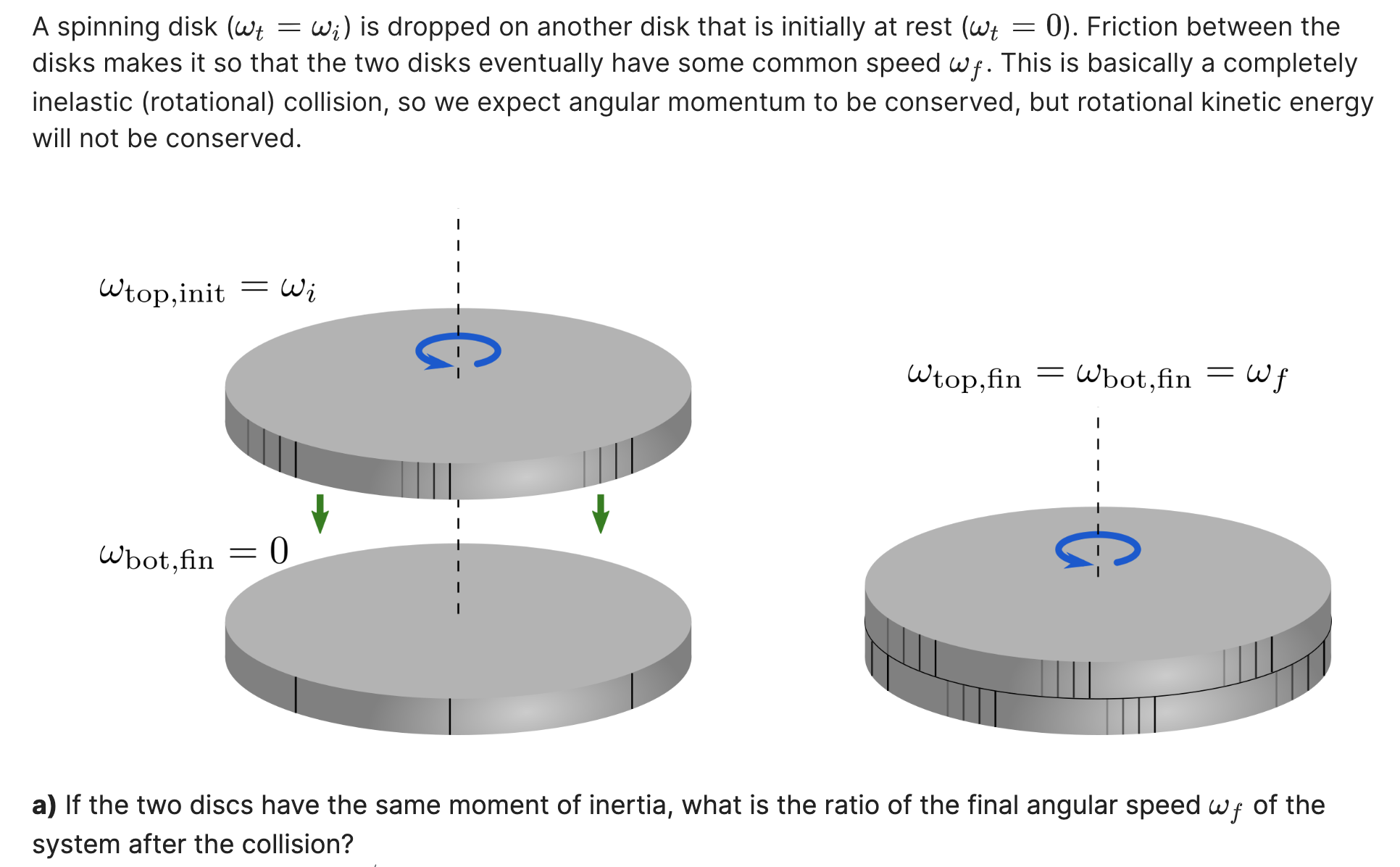

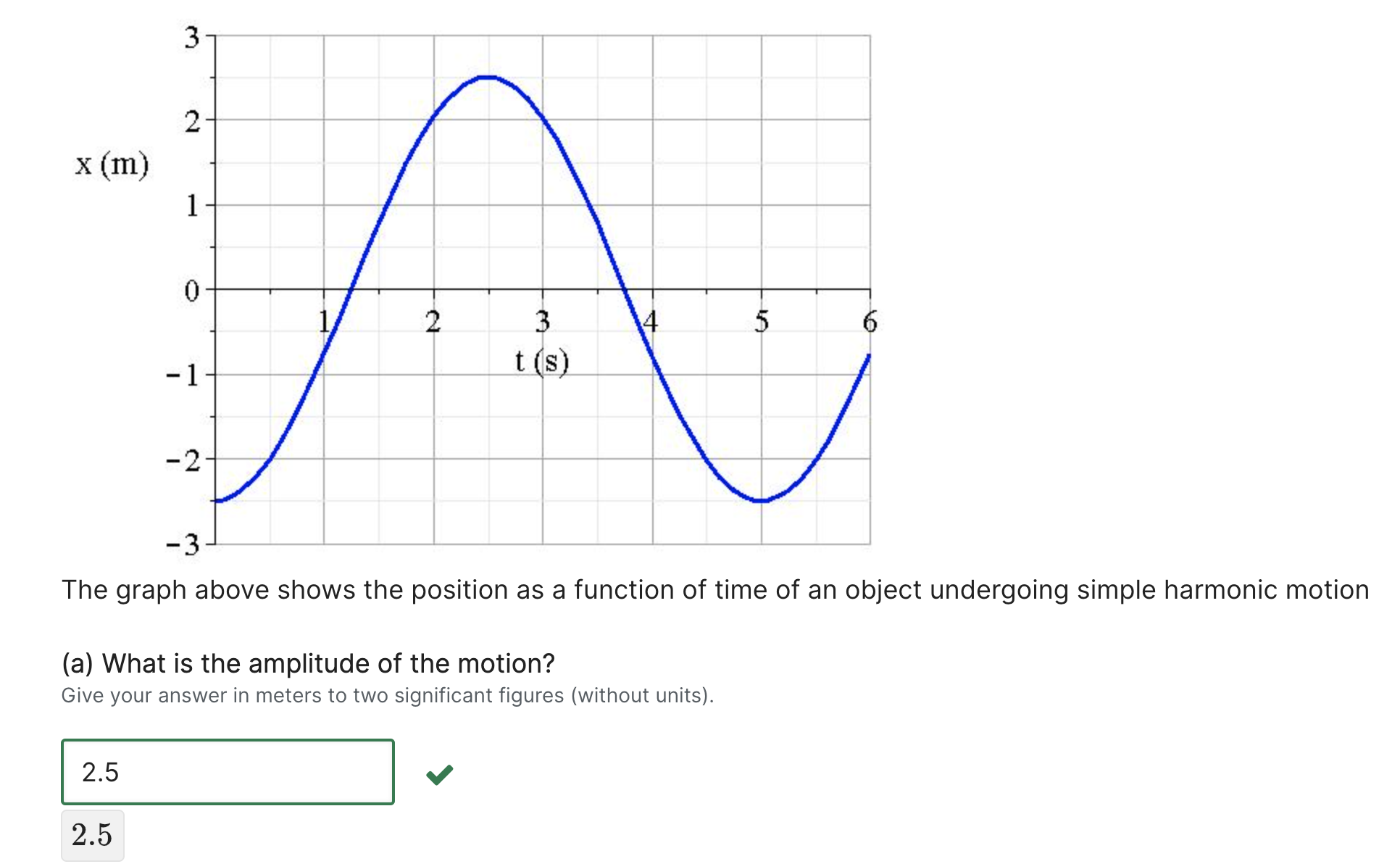
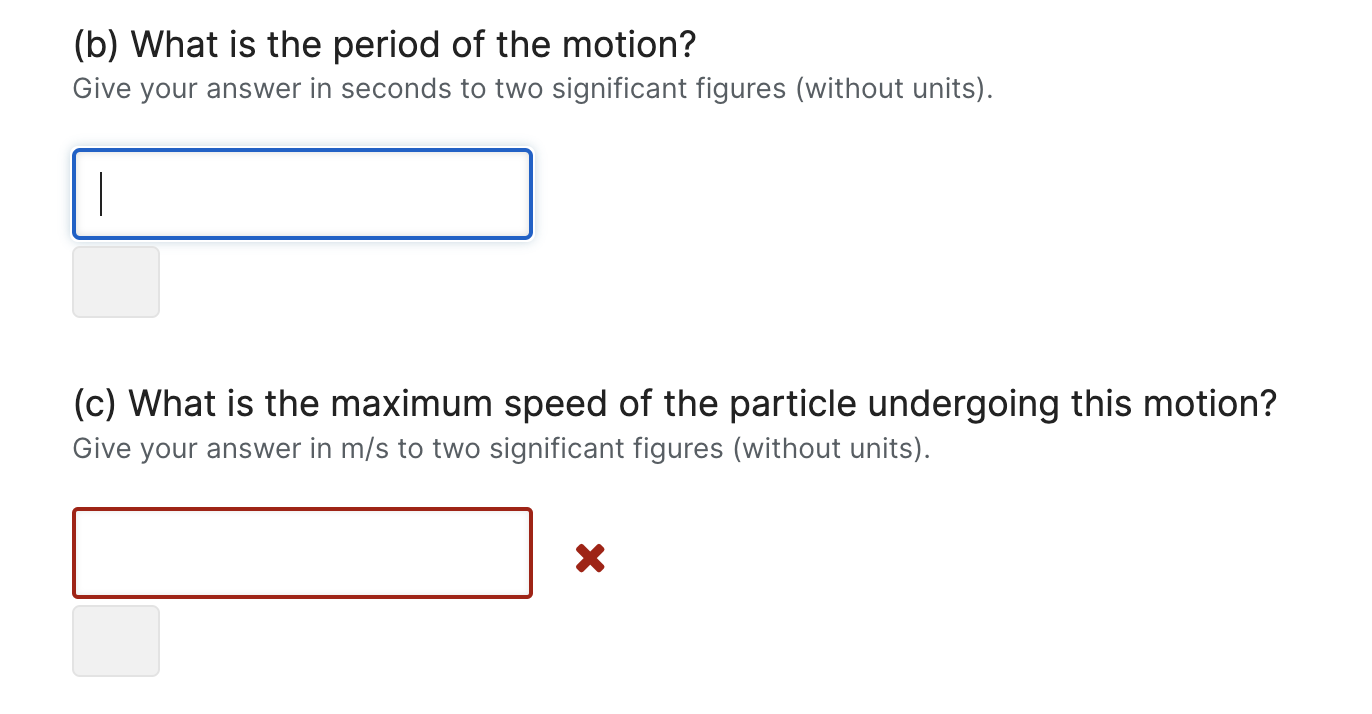
A spinning disk (cat = L0,) is dropped on another disk that is initially at rest (wt : 0). Friction between the disks makes it so that the two disks eventually have some common speed wf. This is basically a completely inelastic (rotational) collision, so we expect angular momentum to be conserved, but rotational kinetic energy will not be conserved. a) If the two discs have the same moment of inertia, what is the ratio of the final angular speed wf of the system after the collision? b) What fraction of the initial kinetic energy is lost from the system? The graph above shows the position as a function of time of an object undergoing simple harmonic motion (a) What is the amplitude of the motion? Give your answer in meters to two significant figures (without units), - 2.5 (b) What is the period of the motion? Give your answer in seconds to two significant figures (without units). E (c) What is the maximum speed of the particle undergoing this motion? Give your answer in m/s to two significant figures (without units). Ex
Step by Step Solution
There are 3 Steps involved in it

Get step-by-step solutions from verified subject matter experts
 Study Help