







Question: A. Write a query that returns three columns from the Vendors table: vendor_name, vendor_contact_last_name, and vendor_contact_first_name. Sort the results by last name and then by
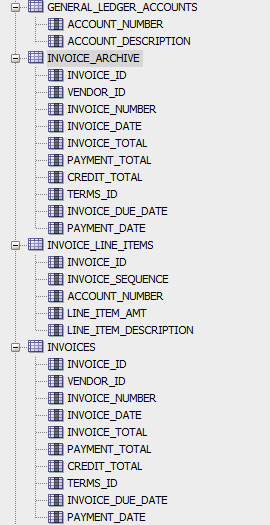
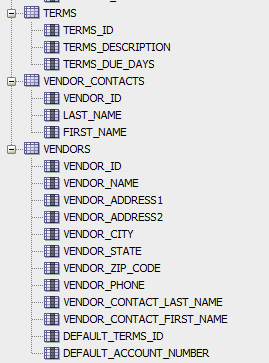
A. Write a query that returns three columns from the Vendors table: vendor_name, vendor_contact_last_name, and vendor_contact_first_name. Sort the results by last name and then by first name.
B. Write a query that returns one column from the Vendors table named full_name. Create this column from the vendor_contact_first_name and vendor_contact_last_name columns separated by a comma (as in Smith, John). Include contacts whose last name begins with E. Sort the results by last name, then first name. Sort the results by last name and then by first name.
C. Write a query that returns all columns from the Vendors table joined with all columns from the Invoices table.
D. Write a query that returns the Vendor name, Invoice number, invoice date, and balance due. Show only those invoices with non-zero balance. Sort the results by vendor name in ascending order. (Balance due is a derived attribute that you will need to define).
E. Write a query that returns the vendor name, default account number, and description. Sort by account description then vendor name.
F. Write a query that returns the vendor name, invoice date, invoice number, invoice sequence, and line item amount. Use appropriate aliases in the output and sort the results by vendor_name.
G. Write a query that returns the total Invoice Total for each vendor id. Sort the results by vendor id.
H. Write a query that returns the vendor name, the count of invoices per vendor and the sum of Invoice Total. Sort the results by payment total in descending order.
I. Write a query that returns the vendor name, the count of invoices for each vendor, and the sum of invoice total. Sort the results by invoice count descending.
J. Write a query that returns for each general ledger account, the account description, the count of entries for each account, and the sum of line item amounts. Include the results with a count of accounts of more than one
E GENERAL_LEDGER_ACCOUNTS ACCOUNTDESCRIPTION - INVOICE DUE-DATE E..E INVOICE-LINE ITEMS DESCRIPTION INVOICE-DATE INVOICEDUEDATE PAYMENTDATE - - - nwnwnw E GENERAL_LEDGER_ACCOUNTS ACCOUNTDESCRIPTION - INVOICE DUE-DATE E..E INVOICE-LINE ITEMS DESCRIPTION INVOICE-DATE INVOICEDUEDATE PAYMENTDATE - - - nwnwnw
Step by Step Solution
There are 3 Steps involved in it

Get step-by-step solutions from verified subject matter experts
 Study Help