







Question: ANSWER IT CLEARLY!!!! FOLLOW MY FORMAT CONTENT ANALYSIS YOUR THOUGHTS ABOUT WHAT YOU HAVE OBSERVED IN THE PARAGRAPH SHOWN BELOW: iven by the men to
ANSWER IT CLEARLY!!!! FOLLOW MY FORMAT
CONTENT ANALYSIS YOUR THOUGHTS ABOUT WHAT YOU HAVE OBSERVED IN THE PARAGRAPH SHOWN BELOW:
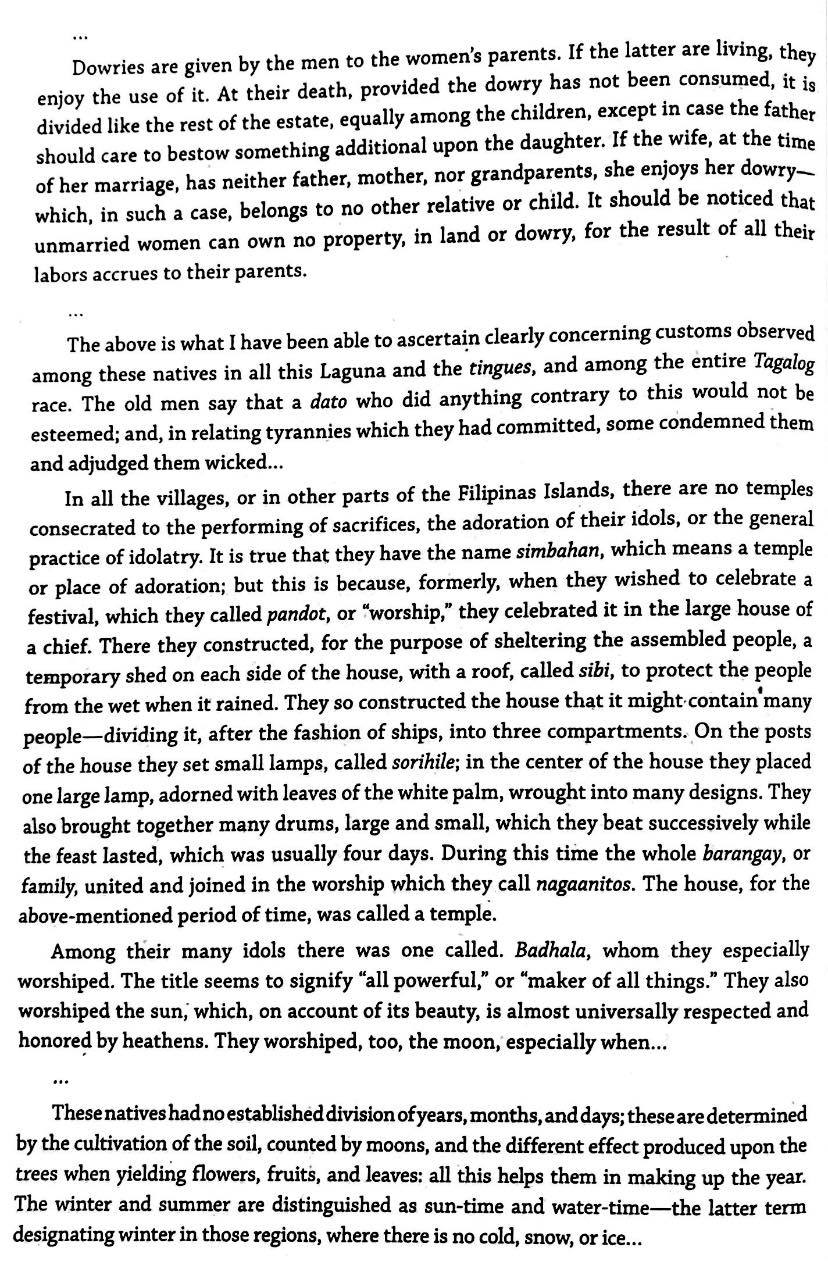
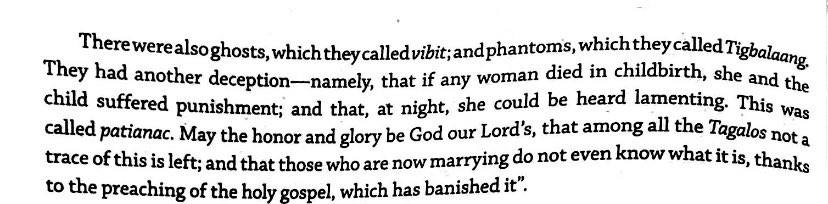
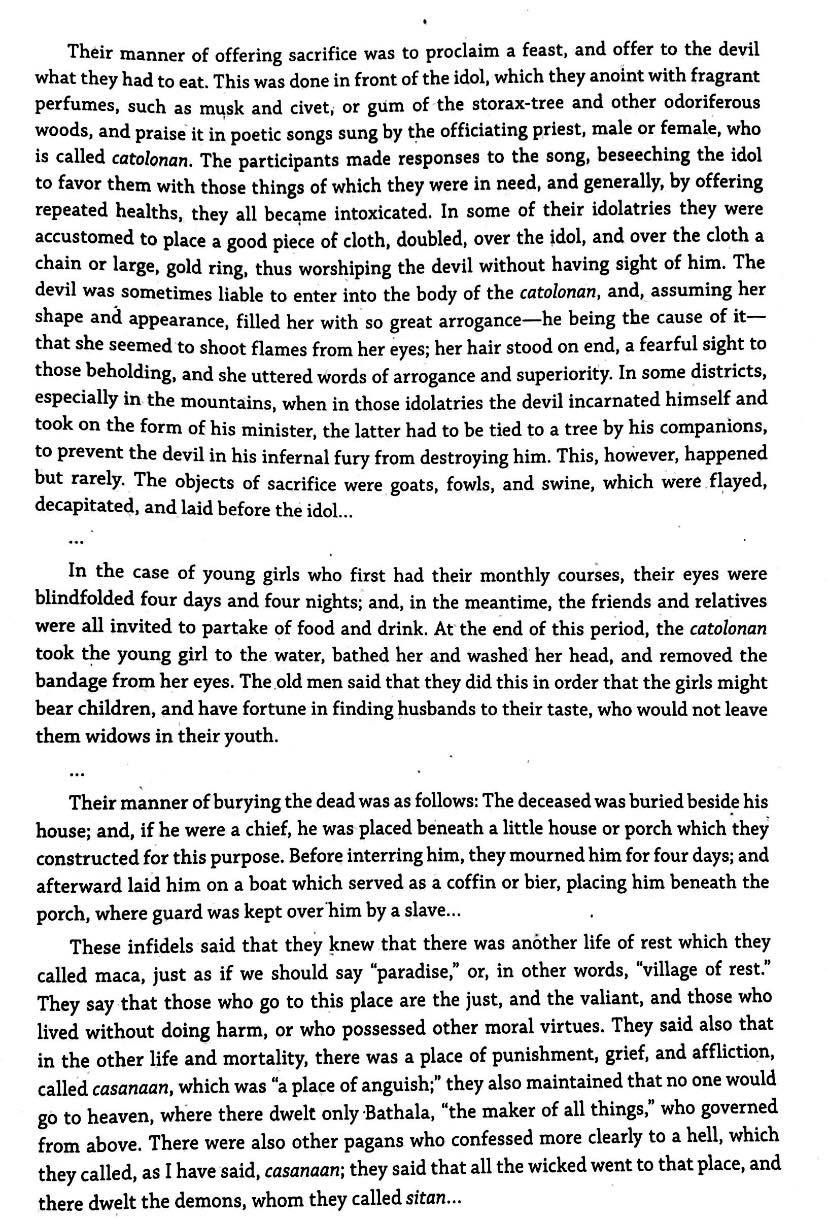
iven by the men to the women's parents. If the latter are living, they h, provided the dowry has not been consumed, it is equally among the children, except in case the father daughter. If the wife, at the time Dowries are g enjoy the use of it. At their deat divided like the rest of the estate, should care to bestow something additional upon the has neither father, mother, nor grandparents, she enjoys her dDWryac It should be noticed that for the result of all their of her marriage, which, in such a case, belongs to no other relative or child. unmarried women can own no property, in land or dowry, labors accrues to their parents. The above is what I have been able to ascertain clearly concerning customs observed among these natives in all this Laguna and the tingues, and among the entire Tagalog race. The old men say that a date who did anything contrary to this would not be esteemed; and, in relating tyrannies which they had committed. some condemned them and adjudged them wicked... In all the villages, or in other parts of the Filipinas Islands, there are no temples consecrated to the performing of sacrifices, the adoration of their idols. or the general practice of idolatry. It is true that they have the name simbahon, which means a temple or place of adoration; but this is because, formerly, when they wished to celebrate a festival, which they called pander, or \"worship,\" they celebrated it in the large house of a chief. There they constructed, for the purpose of sheltering the assembled people, a temporary shed on each side of the house, with a roof, called sibi, to protect the people from the wet when it rained. They so constructed the house that it mightrcontain'many peopledividing it, after the fashion of ships, into three compartments. On the posts of the house they set small lamps, called son'hil'e; in the center of the house they placed one large lamp, adorned with leaves of the white palm, wrought into many designs. They also brought together many drums, large and small, which they beat successively while the feast lasted, which was usually four days. During this time the whole borangoy, or family, united and joined in the worship which they call nagoanitos. The house, for the above-mentioned period of time, was called a temple. Among their many idols there was one called. Badholo, whom they especially worshiped. The title seems to signify \"all powerful,\" or \"maker of all things.\" They also worshiped the sun,' which, on account of its beauty, is almost universally respected and honored by heathens. They worshiped, too, the moon, especially when... These natives hadno establisheddivision ofyears, months, and days; these are determined by the cultivation of the soil, counted by moons, and the different effect produced upon the trees when yielding owers, fruits. and leaves: all this helps them in making up the ear The winter and summer are distinguished as sun-time and water-timethe latter fem! designating winter in those regions, where there is no cold, snow, or ice... There were also ghosts, which they called vibit; and phantoms, which they called Tigbalagnn They had another deception-namely, that if any woman died in childbirth, she and to child suffered punishment; and that, at night, she could be heard lamenting. This called patianac. May the honor and glory be God our Lord's, that among all the Tagalos not trace of this is left; and that those who are now marrying do not even know what it is, thanks to the preaching of the holy gospel, which has banished it".Their manner of offering sacrifice was to proclaim a feast, and offer to the devil what their bad to eat. This was done in front of the idol, which theyr anoint with fragrant perfumes, such as mask and civet,- or gum of the storaxtree and other odoriferous WOOdS. and praise it in poetic songs sung by the officiating priest, male or female, who is called cetoionon. The participants made responses to the song, beseeching the idol to favor them with those things of which they were in need, and generally, by offering rFFiiiiltlid healths. they all became intoxicated. In some of their idolatries they were accustomed to place a good piece of cloth, doubled, over the idol, and over the cloth a chain or large, gold ring, thus worshiping the devil without having sight of him. The devil was sometimes liable to enter into the body of the cstolonon, and, assuming her shape and appearance, filled her with so great arrogancehe being the cause of it that she seemed to shoot flames from her eyes; her hair stood on end, a fearful sight to those beholding. and she uttered words of arrogance and superiority. In some districts, ESPECially in the mountains, when in those idolatries the devil incarnated himself and too}! on the form of his minister, the latter had to be tied to a tree by his companions, to prevent the devil in his infernal fury from destroying him. This, however, haPPEHEd but rarely. The objects of sacrice were goats, fowls, and swine, which were flayed, decapitated, and laid before the idol... . In the case of young girls who first had their monthly courses, their eyes were blindfolded four days and four nights; and, in the meantime, the friends and relatives were all invited to partake of food and drink. At the end of this period, the carolonsn took the young girl to the water, bathed her and washed her head, and removed the bandage from her eyes. The old men said that they did this in order that the girls might bear children, and have fortune in finding husbands to their taste, who would not leave them widows in their youth. Their manner of burying the dead was as follows: The deceased was buried beside his house; and, if he were a chief, he was placed beneath a little house or porch which they constructed for this purpose. Before interring him, they mourned him for four days; and afterward laid him on a boat which served as a coffin or bier, placing him beneath the porch, where guard was kept over'him by a slave... These infidels said that they knew that there was another life of rest which they called maca, just as if we should say \"paradise,\" or, in other words, "village of rest." They say that those who go to this place are the just, and the valiant, and those who lived without doing harm, or who possessed other moral virtues. They said also that in the other life and mortality, there was a place of punishment, grief, and afiction, called cassnaan. which was "a place of anguish;" they also maintained that no one would go to heaven, where there dwelt only Bathala, \"the maker of all things," who governed from above. There were also other pagans who confessed more clearly to a hell, which they called, as l have said, casaneon; they said that all the wicked went to that place, and there dwelt the demons, whom they called siren
Step by Step Solution
There are 3 Steps involved in it

Get step-by-step solutions from verified subject matter experts
 Study Help