



Question: Assignment 1. When calculating the theoretical probability of an event, why is important that each outcome be equally likely to occur? 2. Seema and Ray
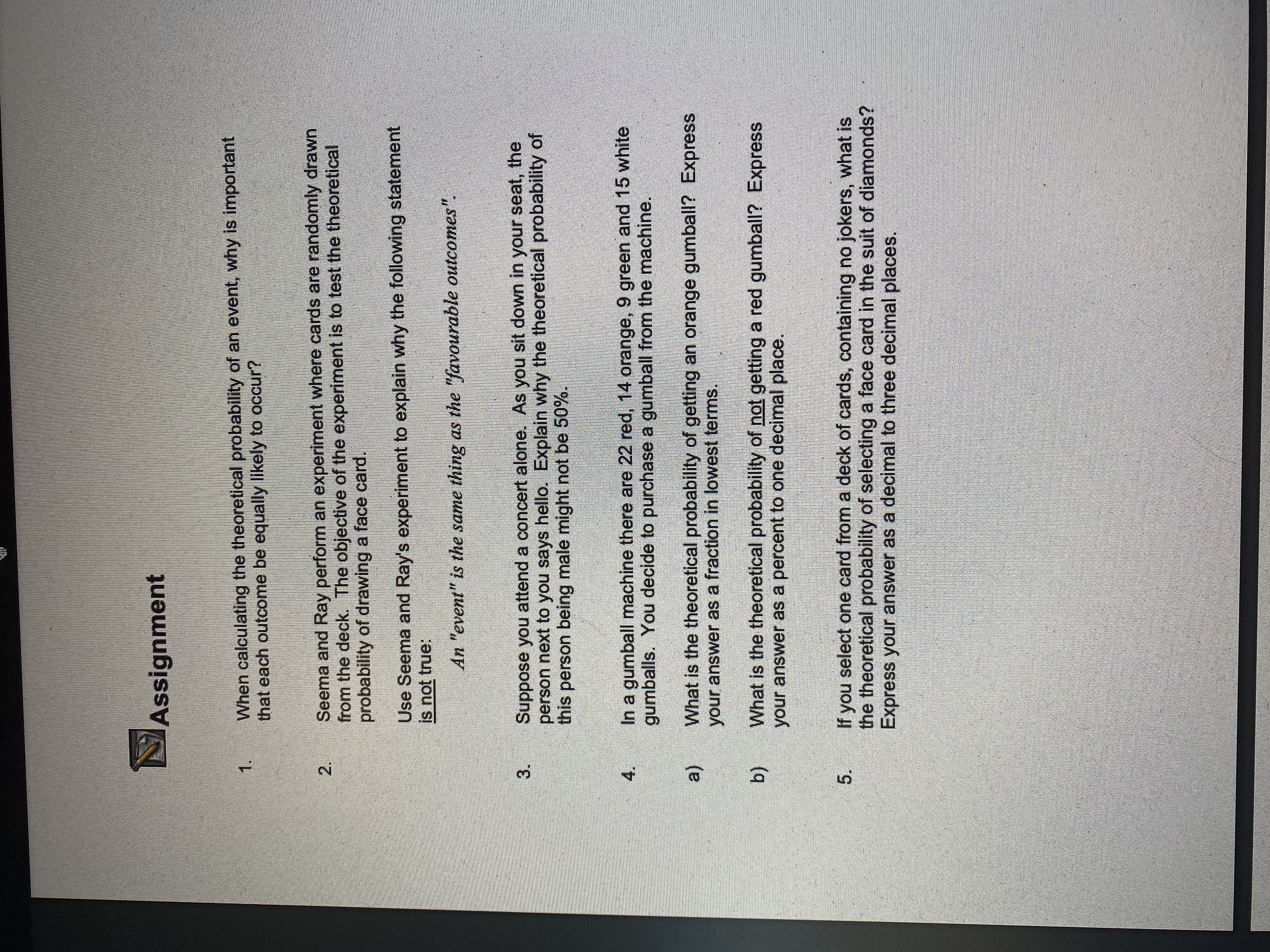
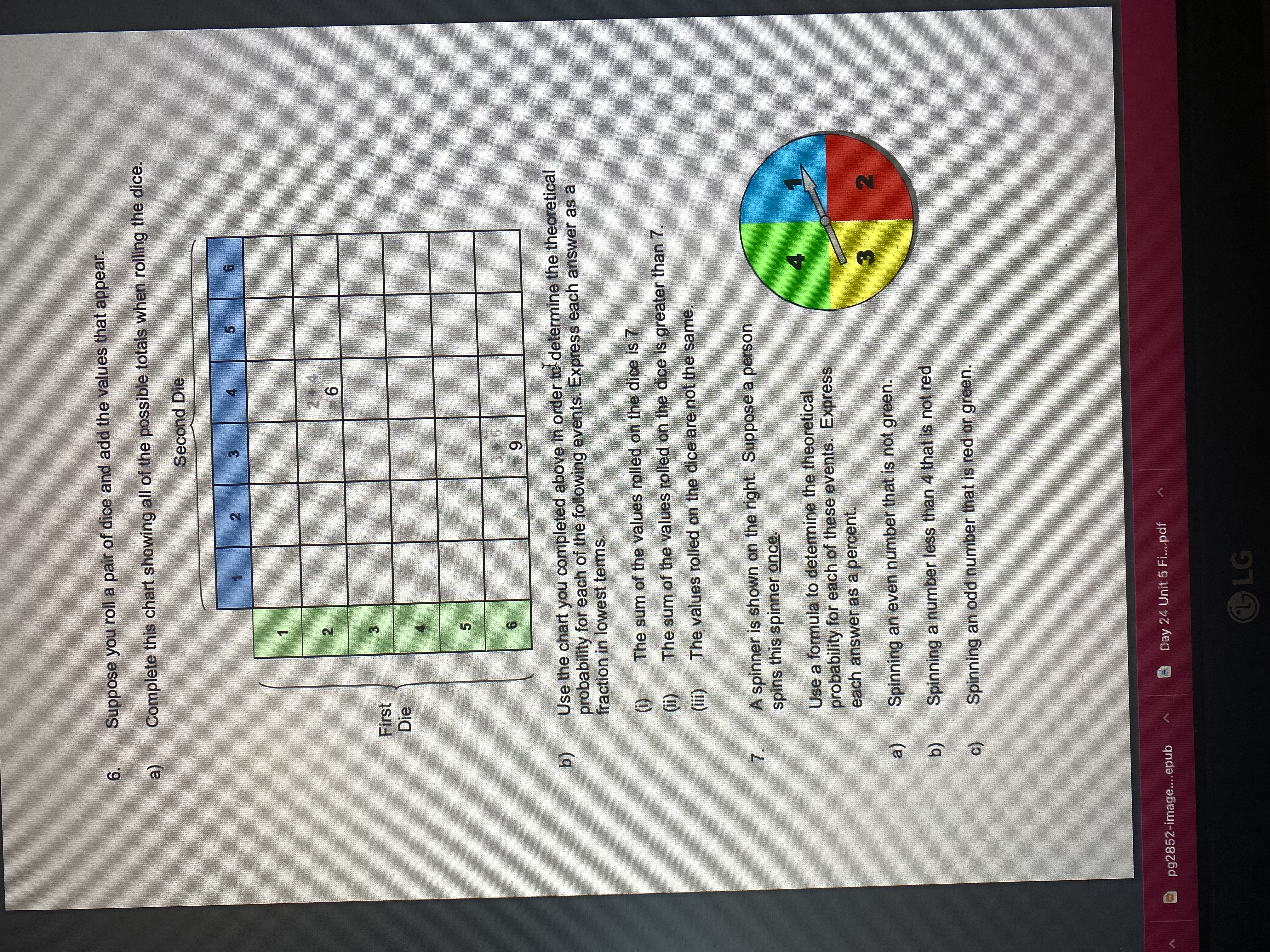
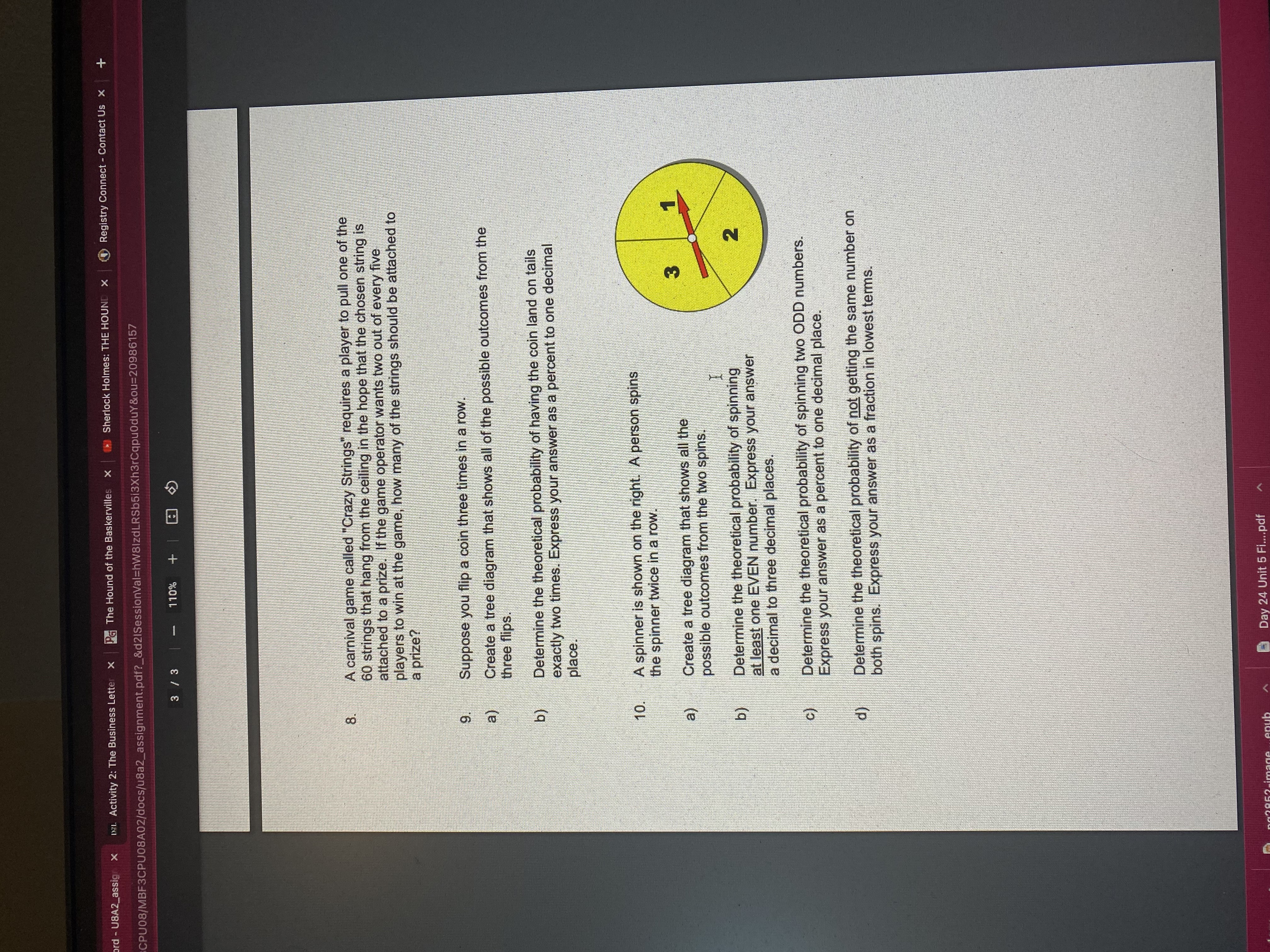
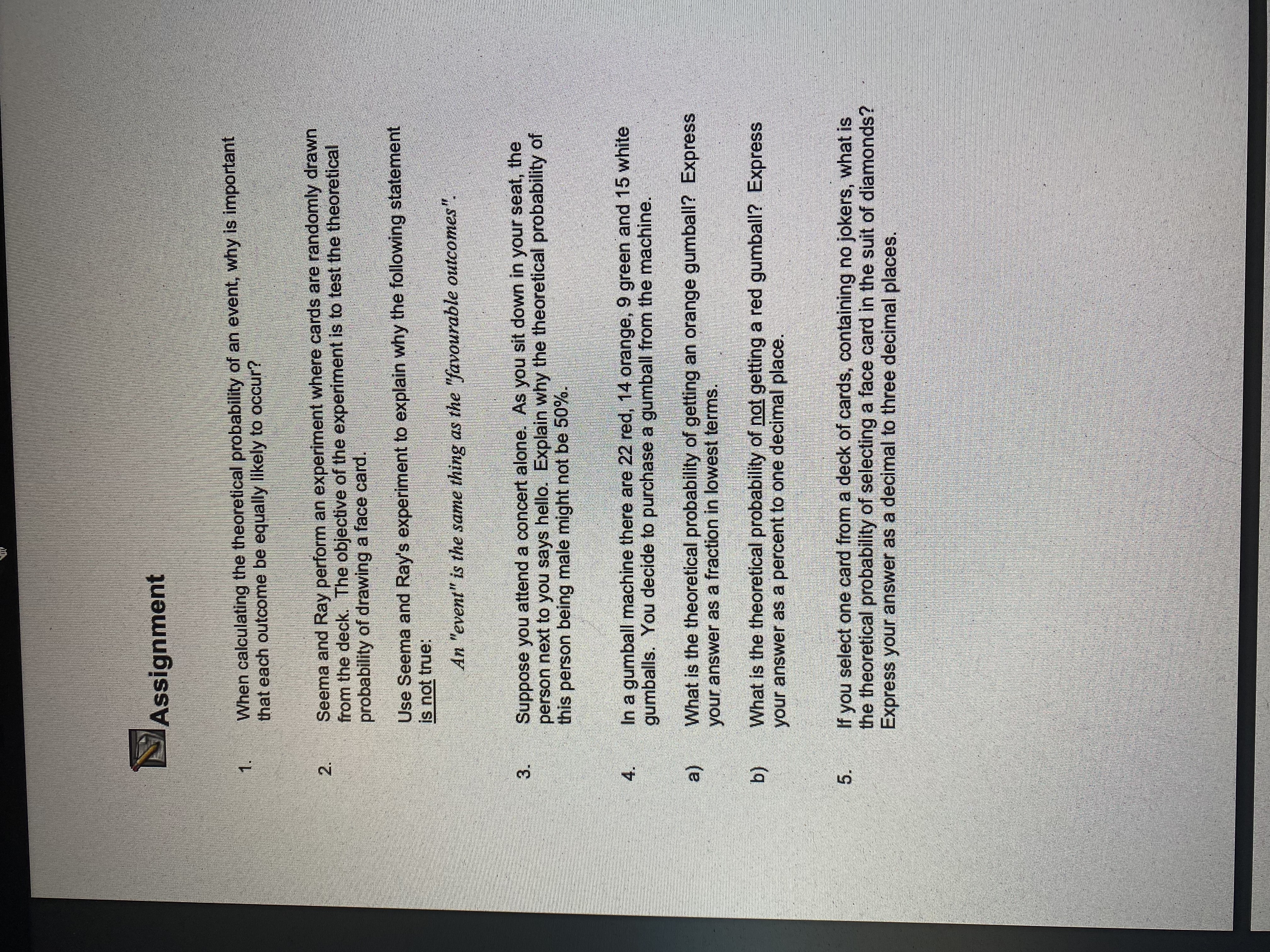
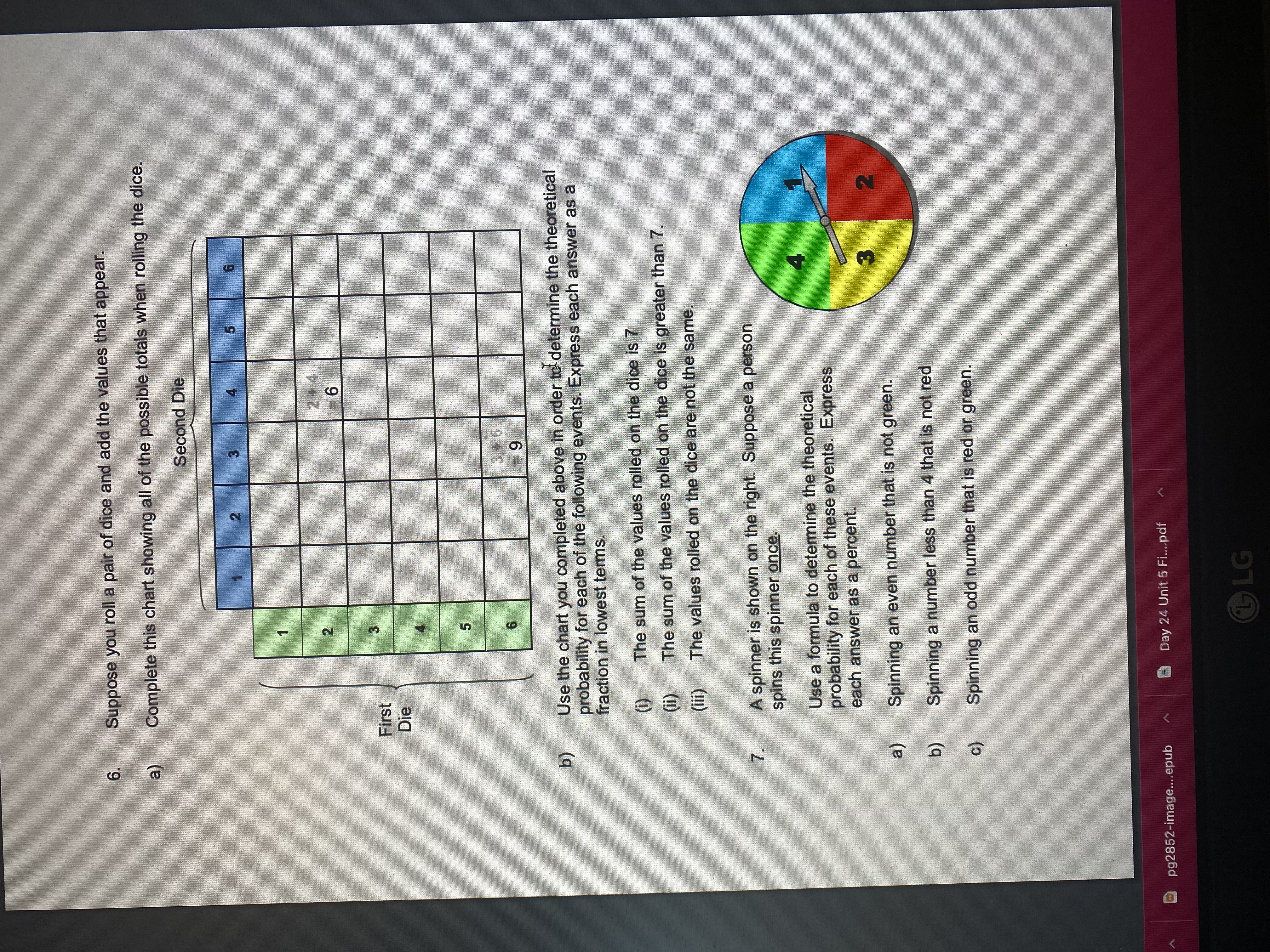
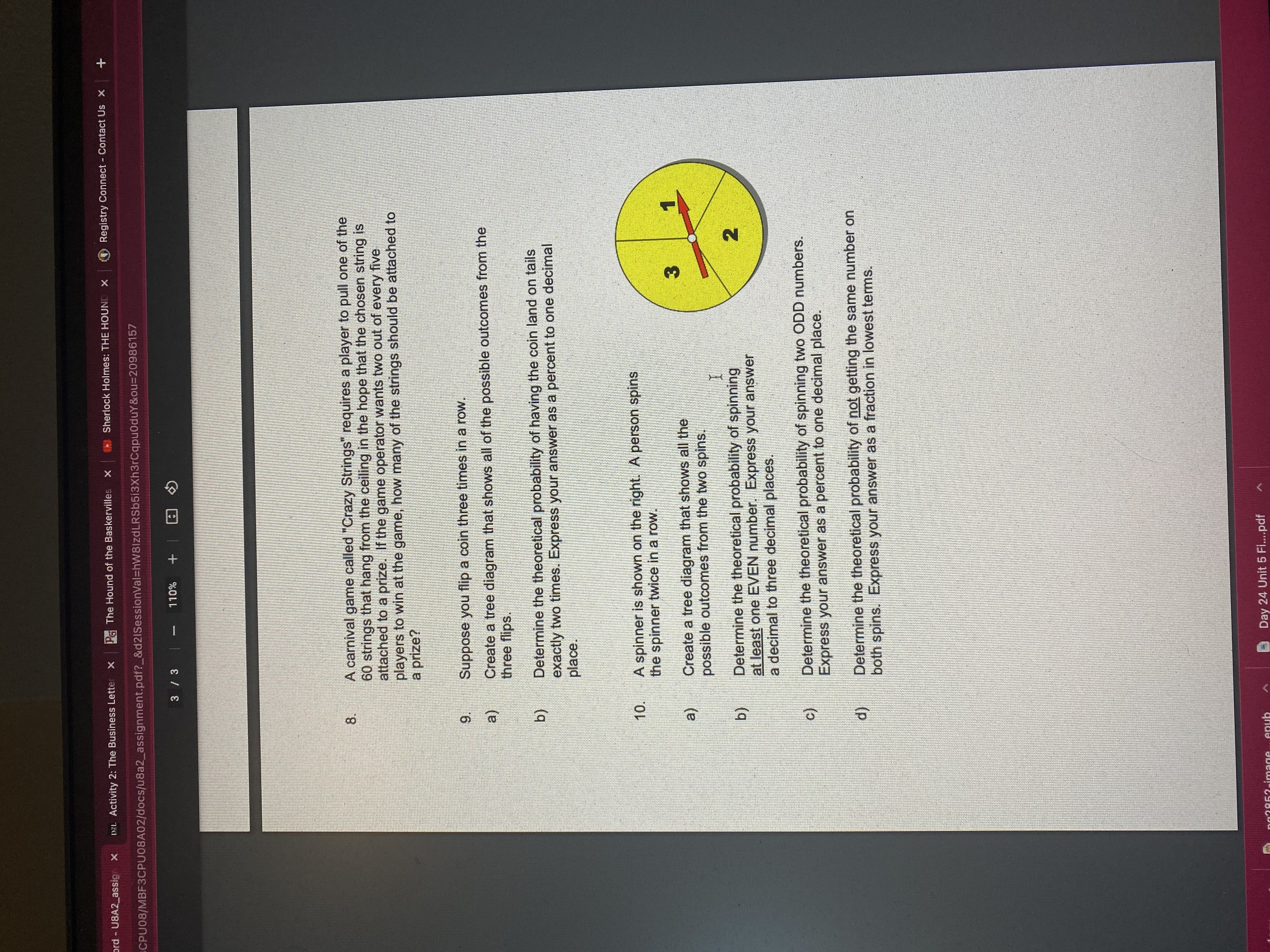
Assignment 1. When calculating the theoretical probability of an event, why is important that each outcome be equally likely to occur? 2. Seema and Ray perform an experiment where cards are randomly drawn from the deck. The objective of the experiment is to test the theoretical probability of drawing a face card. Use Seema and Ray's experiment to explain why the following statement is not true: An "event" is the same thing as the "favourable outcomes" 3. Suppose you attend a concert alone. As you sit down in your seat, the person next to you says hello. Explain why the theoretical probability of this person being male might not be 50%. 1. In a gumball machine there are 22 red, 14 orange, 9 green and 15 white gumballs. You decide to purchase a gumball from the machine. a) What is the theoretical probability of getting an orange gumball? Express your answer as a fraction in lowest terms. b) What is the theoretical probability of not getting a red gumball? Express your answer as a percent to one decimal place. 5. If you select one card from a deck of cards, containing no jokers, what is the theoretical probability of selecting a face card in the suit of diamonds? Express your answer as a decimal to three decimal places.6. Suppose you roll a pair of dice and add the values that appear. a) Complete this chart showing all of the possible totals when rolling the dice. Second Die 5 O + First Die b) Use the chart you completed above in order to determine the theoretical probability for each of the following events. Express each answer as a fraction in lowest terms. (i) The sum of the values rolled on the dice is 7 (ii) The sum of the values rolled on the dice is greater than 7. (iii) The values rolled on the dice are not the same: 7. A spinner is shown on the right. Suppose a person spins this spinner once. Use a formula to determine the theoretical probability for each of these events. Express each answer as a percent. a ) Spinning an even number that is not green. b ) Spinning a number less than 4 that is not red C) Spinning an odd number that is red or green. pg2852-image....epub Day 24 Unit 5 Fi....pdf LGord - USA2_assig x 21. Activity 2: The Business Letter X PG The Hound of the Baskervilles X Sherlock Holmes: THE HOUND x ( Registry Connect - Contact Us x + CPU08/MBF3CPU08A02/docs/u8a2_assignment.pdf?_&d21SessionVal=hW8/zdLRSb513Xh3rCqpu0duY &ou=20986157 3 / 3 | - + 1 8. A carnival game called "Crazy Strings" requires a player to pull one of the 60 strings that hang from the ceiling in the hope that the chosen string is attached to a prize. If the game operator wants two out of every five players to win at the game, how many of the strings should be attached to a prize? 9. Suppose you flip a coin three times in a row. a ) Create a tree diagram that shows all of the possible outcomes from the three flips. b) Determine the theoretical probability of having the coin land on tails exactly two times. Express your answer as a percent to one decimal place. 10. A spinner is shown on the right. A person spins the spinner twice in a row. a) Create a tree diagram that shows all the possible outcomes from the two spins- b ) Determine the theoretical probability of spinning at least one EVEN number. Express your answer a decimal to three decimal places. c) Determine the theoretical probability of spinning two ODD numbers. Express your answer as a percent to one decimal place. d) Determine the theoretical probability of not getting the same number on both spins. Express your answer as a fraction in lowest terms. Day 24 Unit 5 Fi....pdf
Step by Step Solution
There are 3 Steps involved in it

Get step-by-step solutions from verified subject matter experts