







Question: Assignment Directions: Coffee Article: Chapter 1 Page 15 Figure 1-3 Example (For Reference): I would like it on digital for the diagram but if you
Assignment Directions: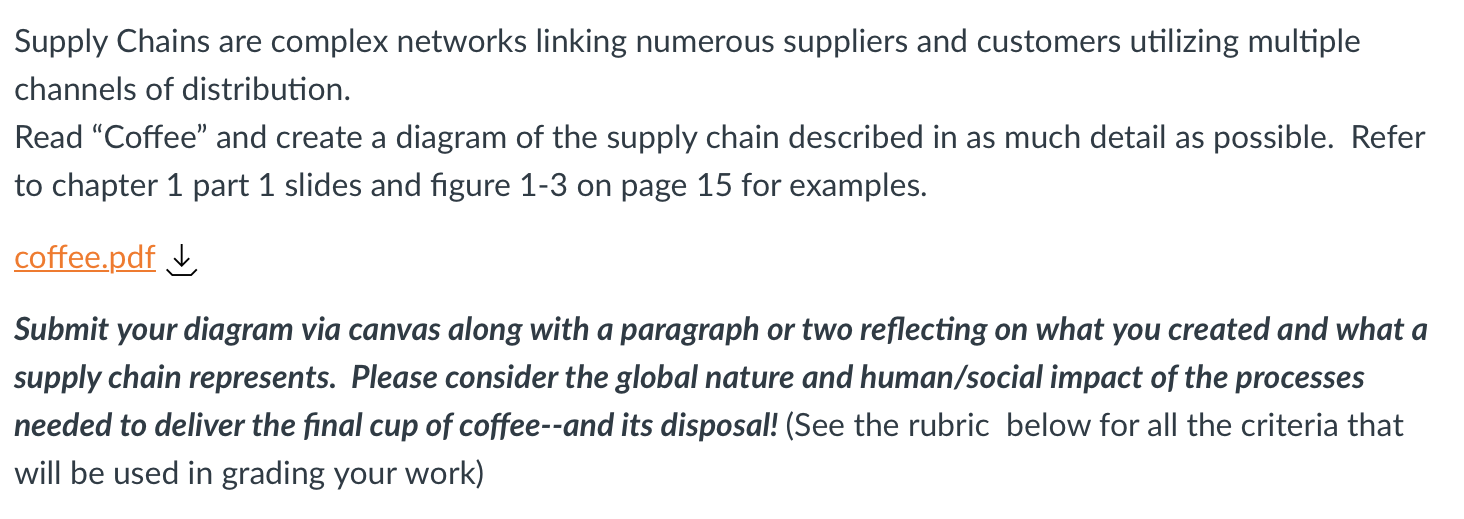 Coffee Article:
Chapter 1 Page 15 Figure 1-3 Example (For Reference):
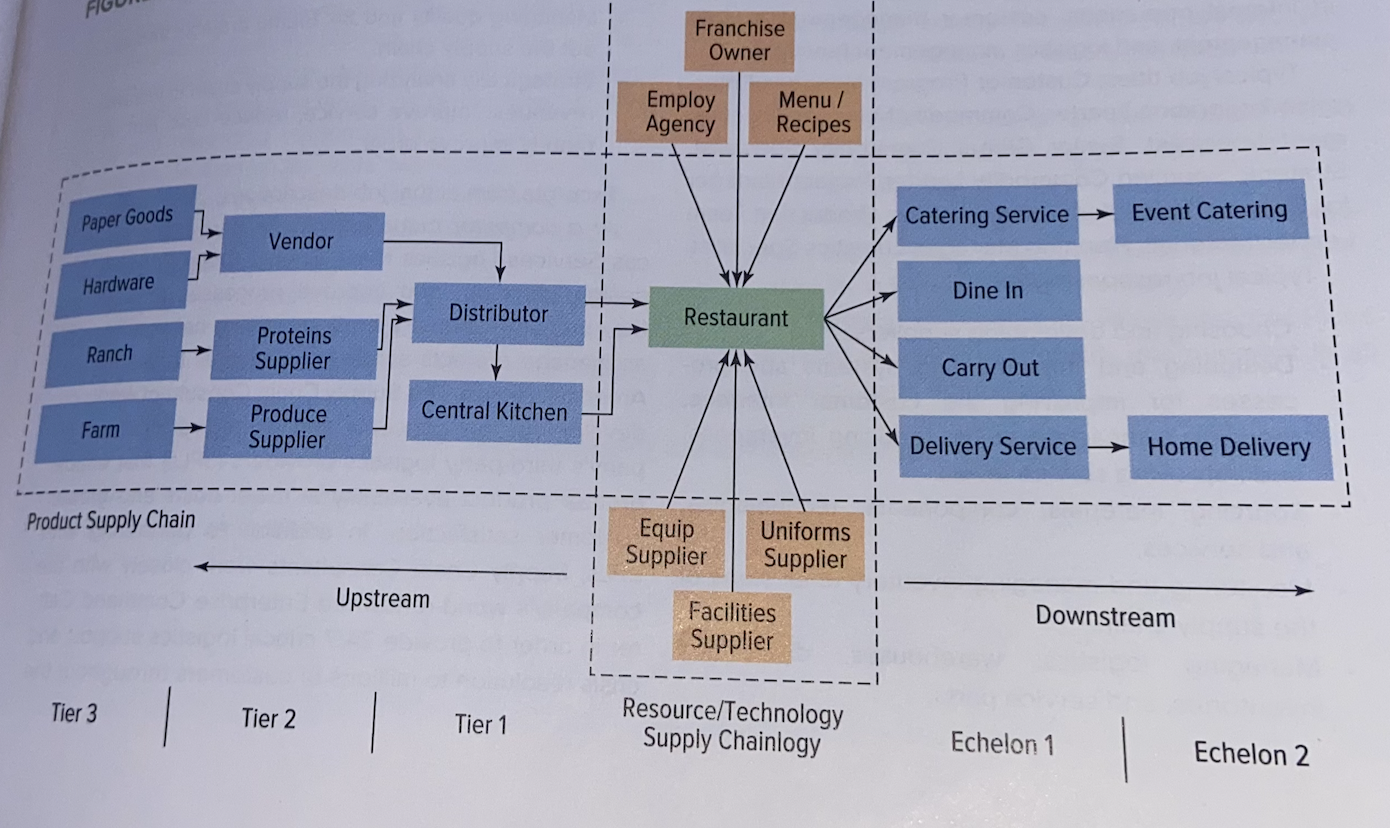
I would like it on digital for the diagram but if you can't, please print as nice as possible when drawing and labeling the diagram so I can read it clearly without any issues. Thanks!
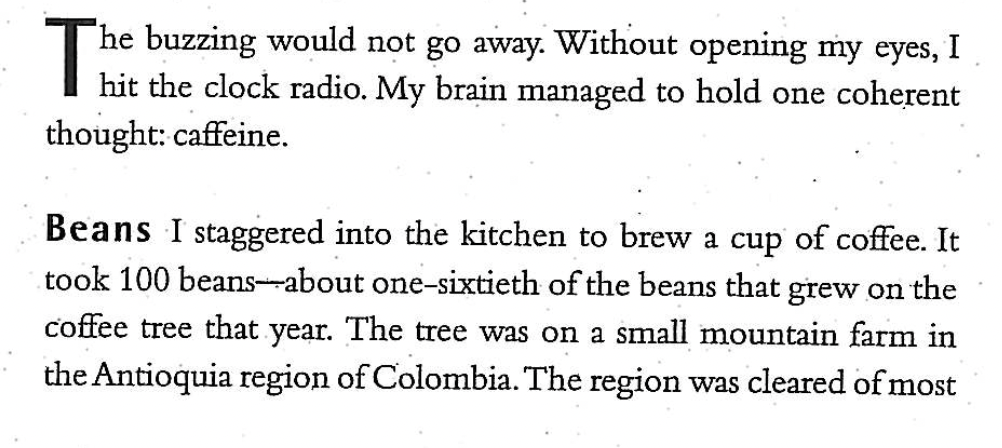
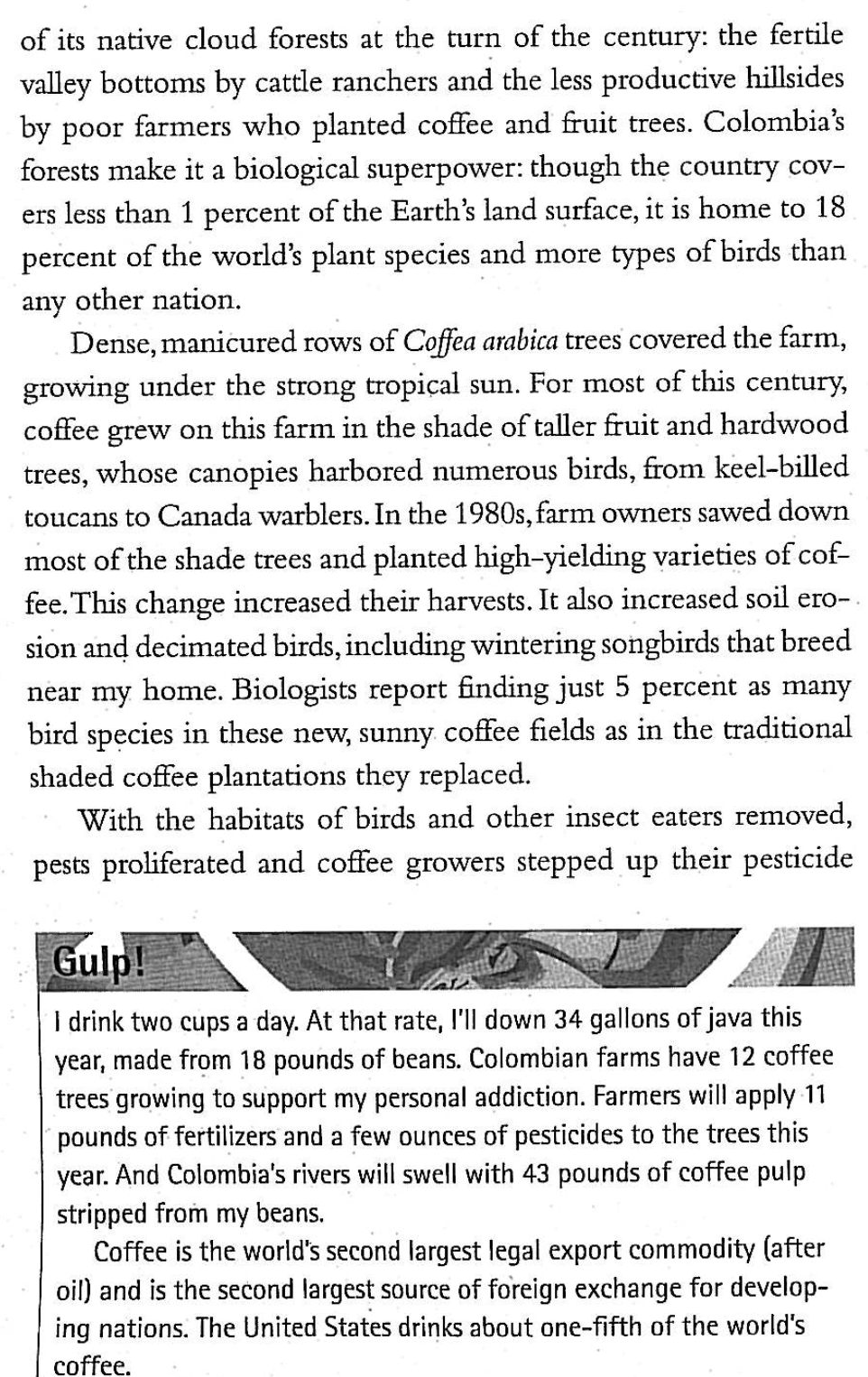
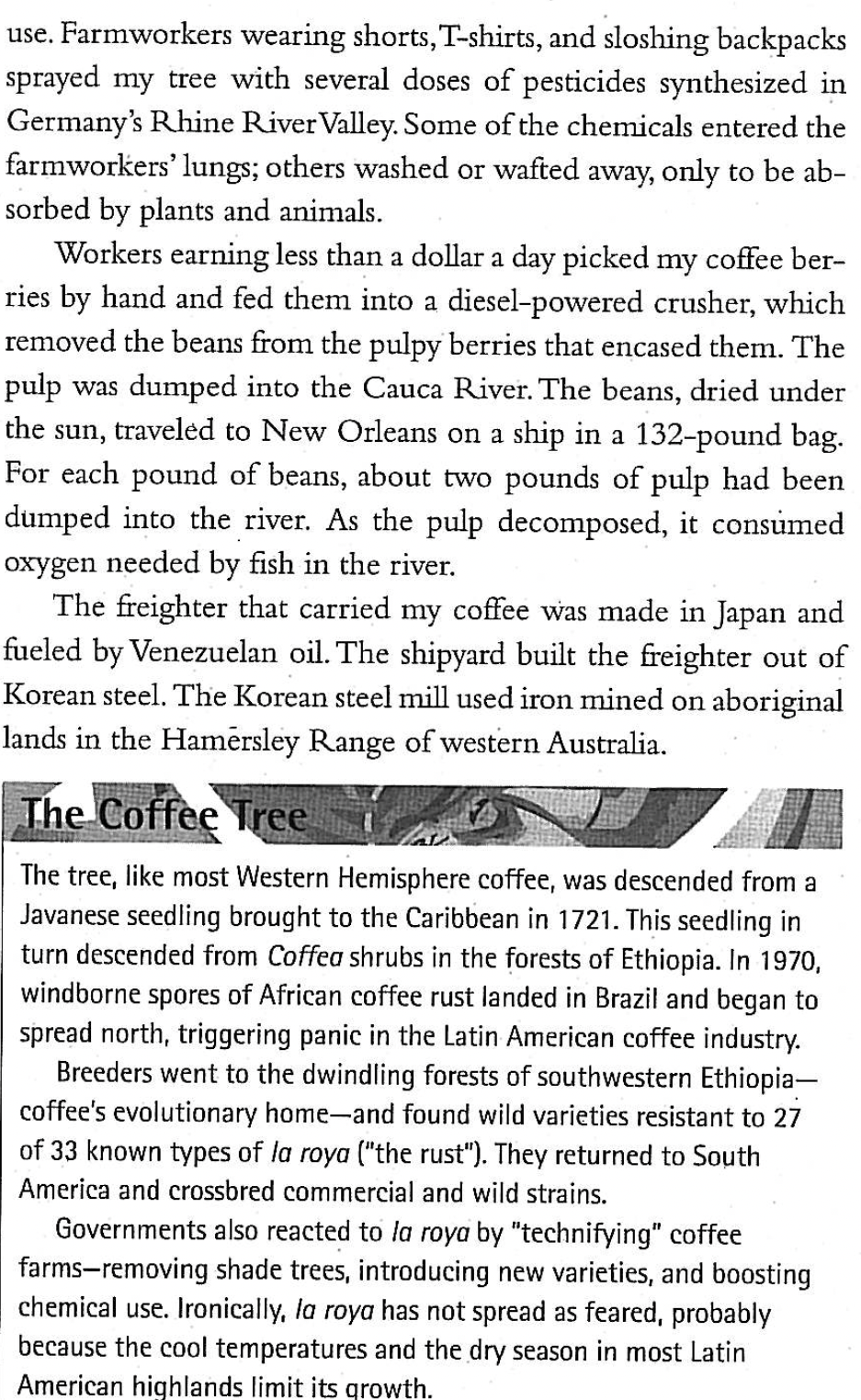
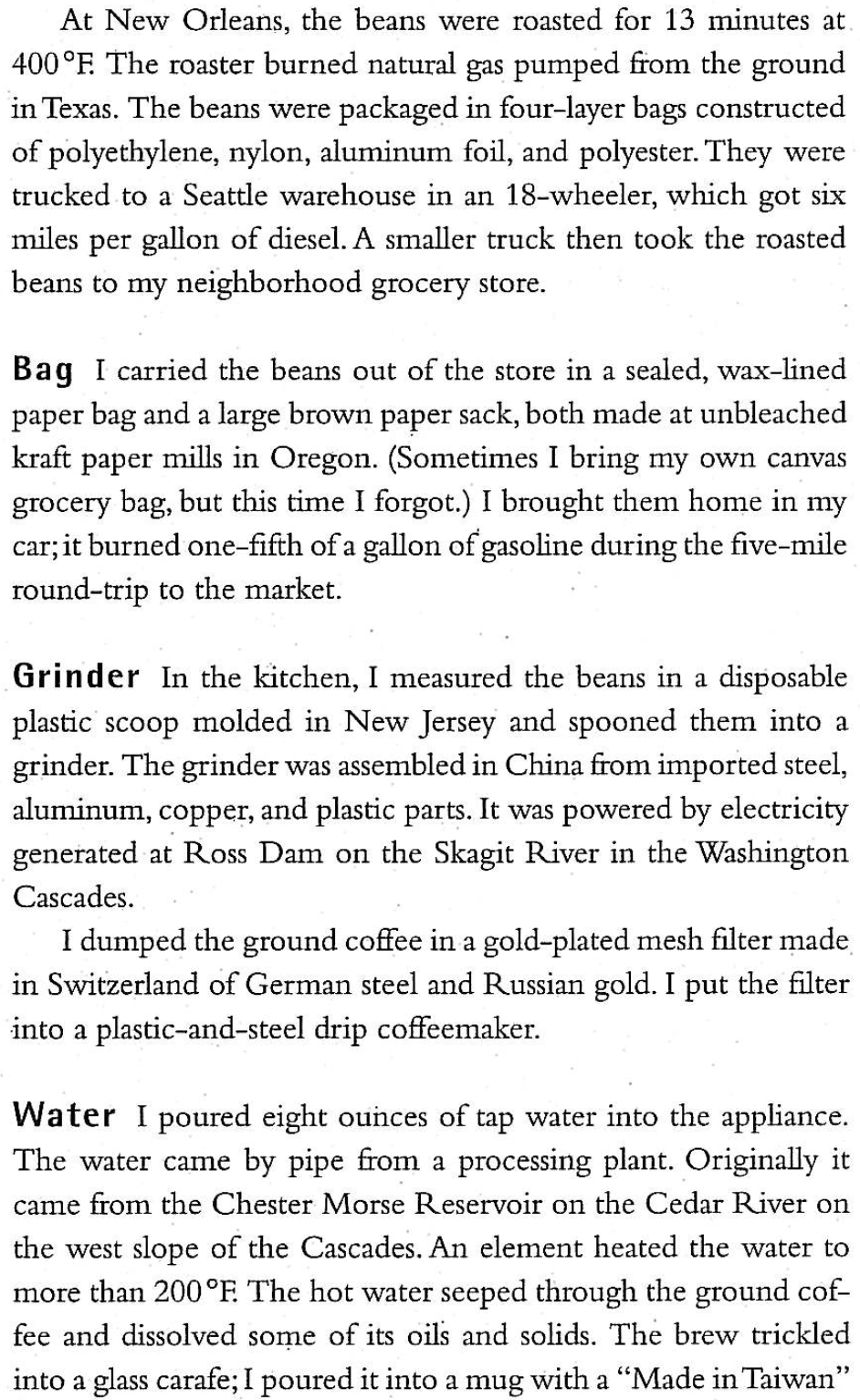
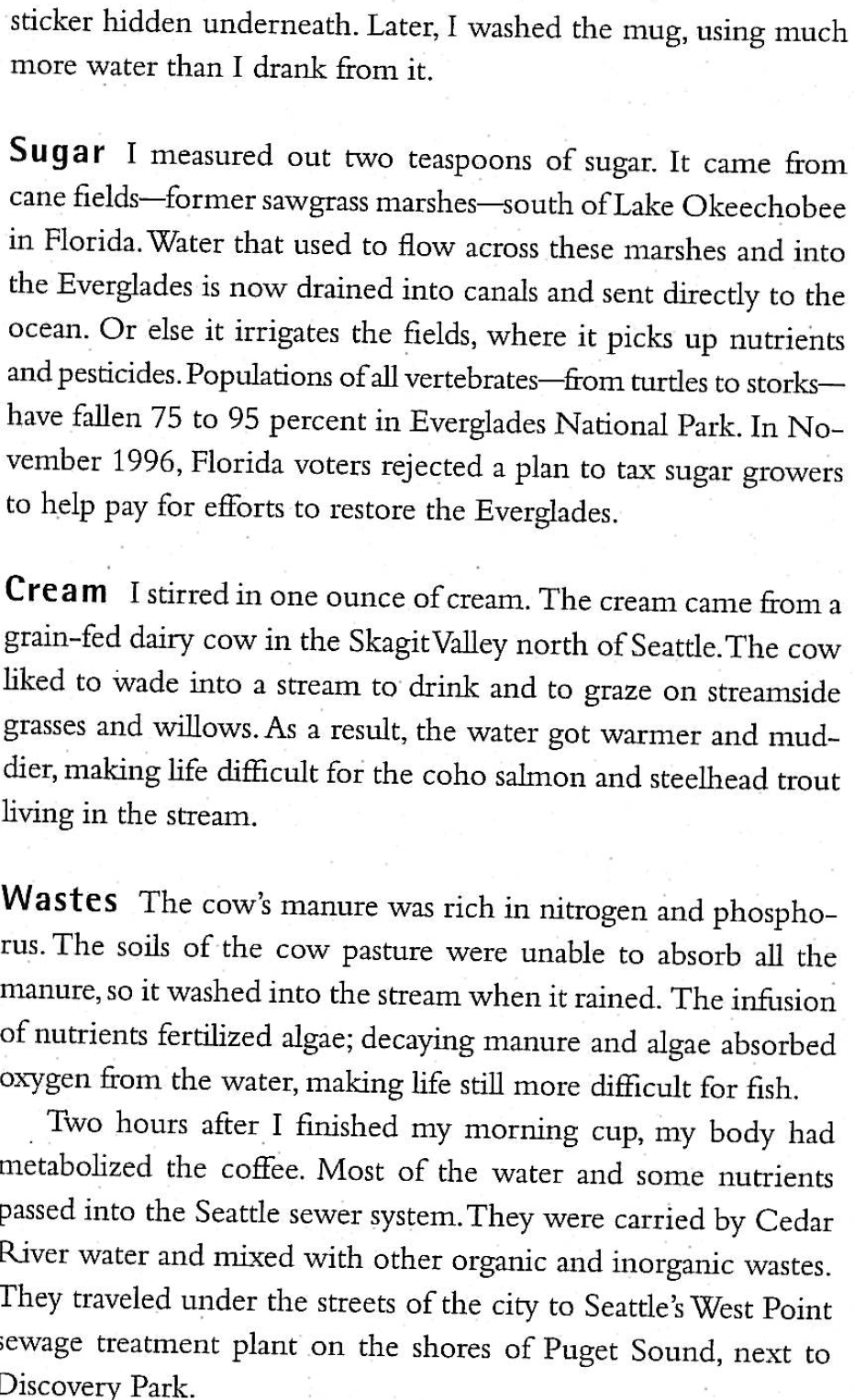
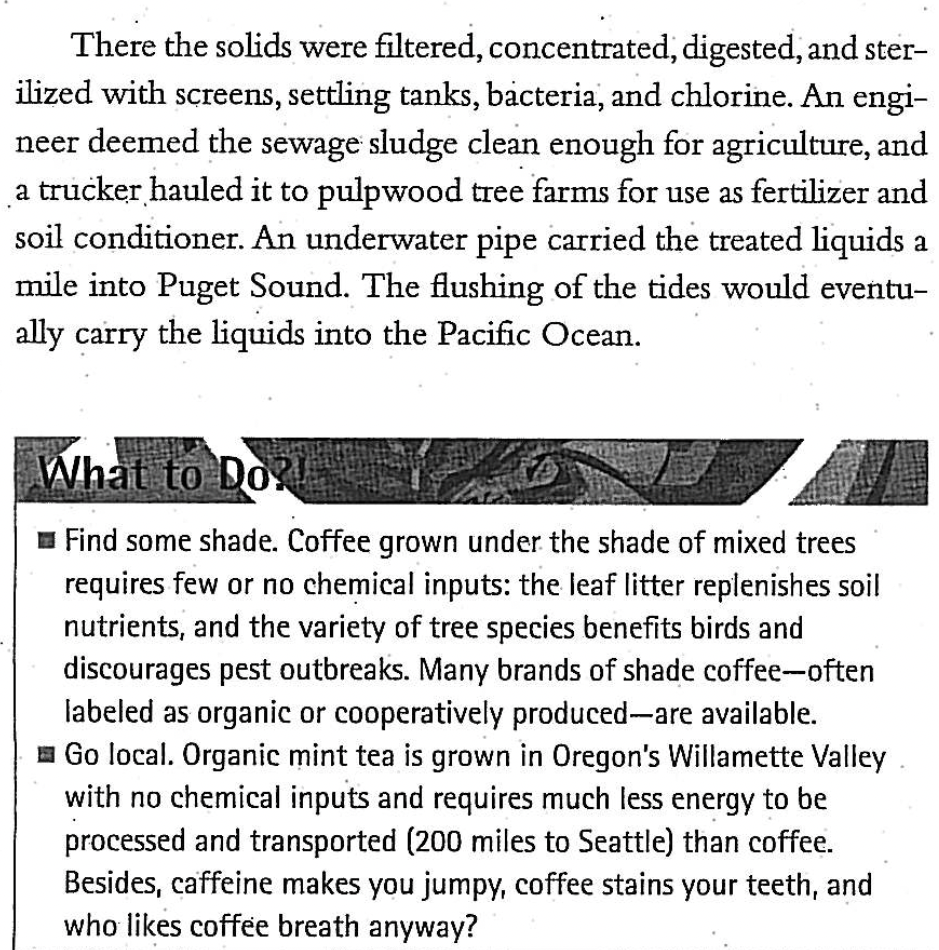
Supply Chains are complex networks linking numerous suppliers and customers utilizing multiple channels of distribution. Read Coffee" and create a diagram of the supply chain described in as much detail as possible. Refer to chapter 1 part 1 slides and figure 1-3 on page 15 for examples. coffee.pdf Submit your diagram via canvas along with a paragraph or two reflecting on what you created and what a supply chain represents. Please consider the global nature and human/social impact of the processes needed to deliver the final cup of coffee--and its disposal! (See the rubric below for all the criteria that will be used in grading your work) he buzzing would not go away. Without opening my eyes, I thought: caffeine. Beans I staggered into the kitchen to brew a cup of coffee. It took 100 beans-about one-sixtieth of the beans that grew on the coffee tree that year. The tree was on a small mountain farm in the Antioquia region of Colombia. The region was cleared of most of its native cloud forests at the turn of the century: the fertile valley bottoms by cattle ranchers and the less productive hillsides by poor farmers who planted coffee and fruit trees. Colombia's forests make it a biological superpower: though the country cov- ers less than 1 percent of the Earth's land surface, it is home to 18 percent of the world's plant species and more types of birds than any other nation. Dense, manicured rows of Coffea arabica trees covered the farm, growing under the strong tropical sun. For most of this century, coffee grew on this farm in the shade of taller fruit and hardwood trees, whose canopies harbored numerous birds, from keel-billed toucans to Canada warblers. In the 1980s, farm owners sawed down most of the shade trees and planted high-yielding varieties of cof- fee. This change increased their harvests. It also increased soil ero- sion and decimated birds, including wintering songbirds that breed near my home. Biologists report finding just 5 percent as many bird species in these new, sunny coffee fields as in the traditional shaded coffee plantations they replaced. With the habitats of birds and other insect eaters remo noved, pests proliferated and coffee growers stepped up their pesticide Gulp! I drink two cups a day. At that rate, I'll down 34 gallons of java this year, made from 18 pounds of beans. Colombian farms have 12 coffee trees growing to support my personal addiction. Farmers will apply 11 pounds of fertilizers and a few ounces of pesticides to the trees this year. And Colombia's rivers will swell with 43 pounds of coffee pulp stripped from my beans. Coffee is the world's second largest legal export commodity (after oil) and is the second largest source of foreign exchange for develop- ing nations. The United States drinks about one-fifth of the world's coffee. a use. Farmworkers wearing shorts, T-shirts, and sloshing backpacks sprayed my tree with several doses of pesticides synthesized in Germany's Rhine River Valley. Some of the chemicals entered the farmworkers' lungs; others washed or wafted away, only to be ab- sorbed by plants and animals. Workers earning less than a dollar a day picked my coffee ber- ries by hand and fed them into a diesel-powered crusher, which removed the beans from the pulpy berries that encased them. The pulp was dumped into the Cauca River. The beans, dried under the sun, traveled to New Orleans on a ship in a 132-pound bag. For each pound of beans, about two pounds of pulp had been dumped into the river. As the pulp decomposed, it consumed oxygen needed by fish in the river. The freighter that carried my coffee was made in Japan and fueled by Venezuelan oil. The shipyard built the freighter out of Korean steel. The Korean steel mill used iron mined on aboriginal lands in the Hamersley Range of western Australia. The Coffee Tree The tree, like most Western Hemisphere coffee, was descended from a Javanese seedling brought to the Caribbean in 1721. This seedling in turn descended from Coffea shrubs in the forests of Ethiopia. In 1970, windborne spores of African coffee rust landed in Brazil and began to spread north, triggering panic in the Latin American coffee industry. Breeders went to the dwindling forests of southwestern Ethiopia- coffee's evolutionary home-and found wild varieties resistant to 27 of 33 known types of la roya ("the rust"). They returned to South America and crossbred commercial and wild strains. Governments also reacted to la roya by "technifying" coffee farms-removing shade trees, introducing new varieties, and boosting chemical use. Ironically, la roya has not spread as feared, probably because the cool temperatures and the dry season in most Latin American highlands limit its growth. At New Orleans, the beans were roasted for 13 minutes at 400F. The roaster burned natural gas pumped from the ground in Texas. The beans were packaged in four-layer bags constructed of polyethylene, nylon, aluminum foil, and polyester. They were trucked to a Seattle warehouse in an 18-wheeler, which got six miles per gallon of diesel. A smaller truck then took the roasted beans to my neighborhood grocery store. Bag I carried the beans out of the store in a sealed, wax-lined paper bag and a large brown paper sack, both made at unbleached kraft paper mills in Oregon. (Sometimes I bring my own canvas grocery bag, but this time I forgot.) I brought them home in my car; it burned one-fifth of a gallon of gasoline during the five-mile round-trip to the market. Grinder in the kitchen, I measured the beans in a disposable plastic scoop molded in New Jersey and spooned them into a grinder. The grinder was assembled in China from imported steel, aluminum, copper, and plastic parts. It was powered by electricity generated at Ross Dam on the Skagit River in the Washington Cascades. I dumped the ground coffee in a gold-plated mesh filter made in Switzerland of German steel and Russian gold. I put the filter into a plastic-and-steel drip coffeemaker. Water I poured eight ounces of tap water into the appliance. The water came by pipe from a processing plant. Originally it came from the Chester Morse Reservoir on the Cedar River on the west slope of the Cascades. An element heated the water to more than 200F. The hot water seeped through the ground cof- fee and dissolved some of its oils and solids. The brew trickled into a glass carafe; I poured it into a mug with a Made in Taiwan" a sticker hidden underneath. Later, I washed the mug, using much more water than I drank from it. Sugar I measured out two teaspoons of sugar. It came from cane fieldsformer sawgrass marshes-south of Lake Okeechobee in Florida. Water that used to flow across these marshes and into the Everglades is now drained into canals and sent directly to the ocean. Or else it irrigates the fields, where it picks up nutrients and pesticides. Populations of all vertebratesfrom turtles to storks- have fallen 75 to 95 percent in Everglades National Park. In No- vember 1996, Florida voters rejected a plan to tax sugar growers to help pay for efforts to restore the Everglades. Cream I stirred in one ounce of cream. The cream came from a grain-fed dairy cow in the Skagit Valley north of Seattle. The cow liked to wade into a stream to drink and to graze on streamside grasses and willows. As a result, the water got warmer and mud- dier, making life difficult for the coho salmon and steelhead trout living in the stream. Wastes The cow's manure was rich in nitrogen and phospho- rus. The soils of the cow pasture were unable to absorb all the manure, so it washed into the stream when it rained. The infusion of nutrients fertilized algae; decaying manure and algae absorbed oxygen from the water, making life still more difficult for fish. Two hours after I finished my morning cup, my body had metabolized the coffee. Most of the water and some nutrients passed into the Seattle sewer system. They were carried by Cedar River water and mixed with other organic and inorganic wastes. They traveled under the streets of the city to Seattle's West Point sewage treatment plant on the shores of Puget Sound, next to Discovery Park. There the solids were filtered, concentrated, digested, and ster- ilized with screens, settling tanks, bacteria, and chlorine. An engi- neer deemed the sewage sludge clean enough for agriculture, and a trucker hauled it to pulpwood tree farms for use as fertilizer and soil conditioner. An underwater pipe carried the treated liquids a mile into Puget Sound. The flushing of the tides would eventu- ally carry the liquids into the Pacific Ocean. What to DORT Do Find some shade. Coffee grown under the shade of mixed trees requires few or no chemical inputs: the leaf litter replenishes soil nutrients, and the variety of tree species benefits birds and discourages pest outbreaks. Many brands of shade coffee-often labeled as organic or cooperatively produced-are available. Go local. Organic mint tea is grown in Oregon's Willamette Valley with no chemical inputs and requires much less energy to be processed and transported (200 miles to Seattle) than coffee. Besides, caffeine makes you jumpy, coffee stains your teeth, and who likes coffee breath anyway? Franchise Owner Employ Agency Menu / Recipes Paper Goods Catering Service Event Catering Vendor Hardware Dine In Distributor Restaurant Ranch Proteins Supplier Carry Out Central Kitchen Farm Produce Supplier Delivery Service Home Delivery Product Supply Chain Equip Supplier Uniforms! Supplier Upstream Downstream Facilities Supplier Tier 3 Tier 2 Tier 1 Resource/Technology Supply Chainlogy Echelon 1 Echelon 2
Step by Step Solution
There are 3 Steps involved in it
1 Expert Approved Answer
Step: 1 Unlock

Question Has Been Solved by an Expert!
Get step-by-step solutions from verified subject matter experts
Step: 2 Unlock
Step: 3 Unlock
 Study Help