







Question: Background Programs are more interesting when they involve the user - supplying values to use in calculations, asking for names, and so on. We can
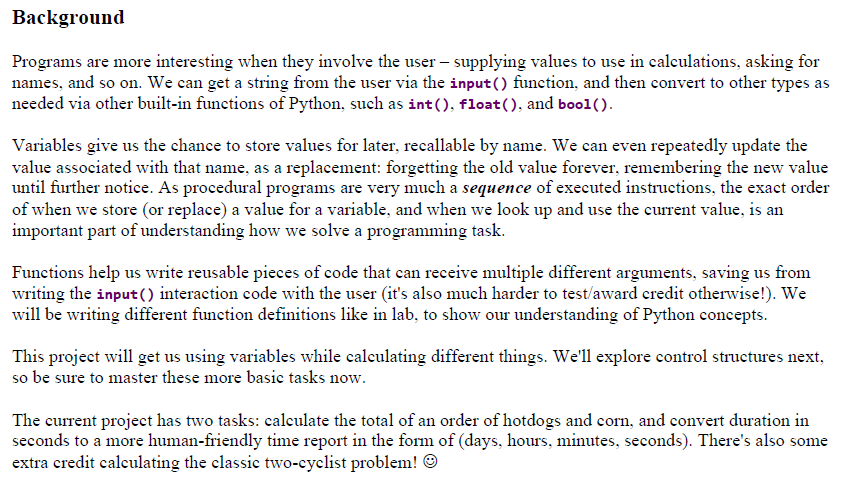
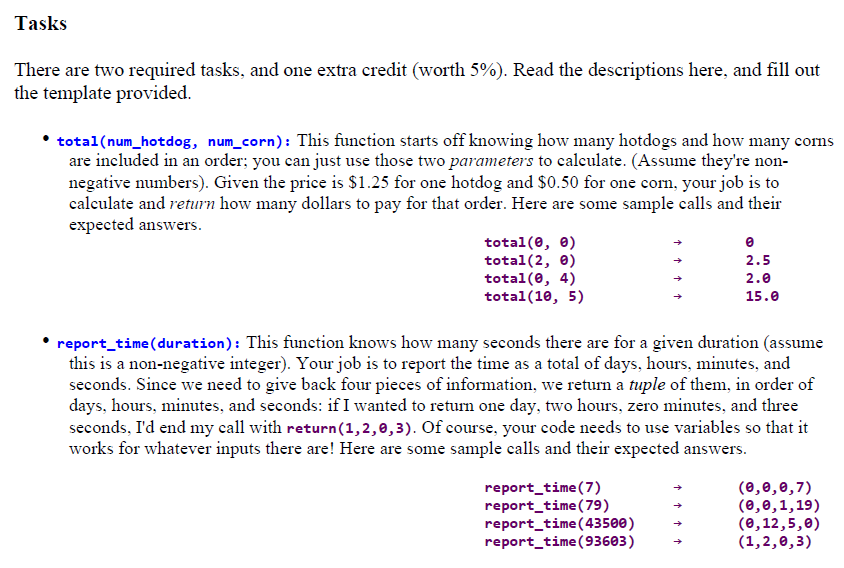
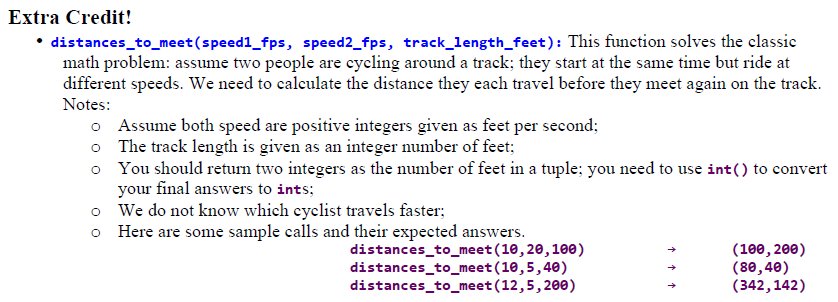
Background Programs are more interesting when they involve the user - supplying values to use in calculations, asking for names, and so on. We can get a string from the user via the input() function, and then convert to other types as needed via other built-in functions of Python, such as int(), float(), and bool() Variables give us the chance to store values for later, recallable by name. We can even repeatedly update the value associated with that name, as a replacement: forgetting the old value forever, remembering the new value until further notice. As procedural programs are very much a sequence of executed instructions, the exact order of when we store (or replace) a value for a variable, and when we look up and use the current value, is an important part of understanding how we solve a programming task Functions help us write reusable pieces of code that can receive multiple different arguments, saving us from writing the input) interaction code with the user (it's also much harder to test/award credit otherwise!). We will be writing different function definitions like in lab, to show our understanding of Python concepts This project will get us using variables while calculating different things. We'l1l explore control structures next, so be sure to master these more basic tasks now The current project has two tasks: calculate the total of an order of hotdogs and corn, and convert duration in seconds to a more human-friendly time report in the form of (days, hours, minutes, seconds). There's also some extra credit calculating the classic two-cyclist
Step by Step Solution
There are 3 Steps involved in it

Get step-by-step solutions from verified subject matter experts
 Study Help