Question: Base on the information of a link provided : https://www.crunchbase.com/organization/softbank Value this firm's equity using 'real options' techniques For example: (real option techniques by DAMODARAN

Base on the information of a link provided : https://www.crunchbase.com/organization/softbank

Value this firm's equity using 'real options' techniques

For example: (real option techniques by DAMODARAN (2005)

IN PRACTICE: Valuing an Option to Expand: The Home Depot Assume that The Home Depot is considering opening a small store in France. The store will cost 100 million FF to build, and the present value of the expected cash flows from the store is 120 million FF. Thus, by itself, the store has a negative NPV of 20 million FF.

Assume, however, that by opening this store, the Home Depot acquires the option to expand into a much larger store any time over the next 5 years. The cost of expansion will be 200 million FF, and it will be undertaken only if the present value of the expected cash flows exceeds 200 million FF. At the moment, the present value of the expected cash flows from the expansion is believed to be only 150 million FF. If it were not, the Home Depot would have opened to larger store right away. The Home Depot still does not know much about the market for home improvement products in France, and there is considerable uncertainty about this estimate. The variance is 0.08.

The value of the option to expand can now be estimated, by defining the inputs to the option pricing model as follows:

Value of the Underlying Asset (S) = PV of Cash Flows from Expansion, if done now =150 million FF

Strike Price (K) =Cost of Expansion = 200 million FF

Variance in Underlying Asset's Value = 0.08

Time to expiration = Period for which expansion option applies = 5 years

Assume that the five-year riskless rate is 6%. The value of the option can be estimated as follows:

Call Value= 150 exp(-0.06)(5) (0.6314) -200 (exp(-0.06)(20) (0.3833)= 37.91 million FF

This value can be added on to the net present value of the original project under consideration.

NPV of Store = 80 million FF - 100 million FF = -20 million

Value of Option to Expand = 37.91 million FF

NPV of store with option to expand = -20 million + 37.91 million = 17.91 mil FF

The Home Depot should open the smaller store, even though it has a negative net present value, because it acquires an option of much greater value, as a consequence.

Please refer to the example above to value Soft Bank's equity using "real option" techniques

Present all numerical data in a table and include a graph similar to the one displayed in the answer to this question, but with the actual numbers that are used in your valuation.
Present all numerical data in a table and include a graph similar to the one displayed in the answer to this question, but with the actual numbers that are used in your valuation.
Base on the information of a link provided :Base on the information of a link provided :Base on the information of a link provided :Base on the information of a link provided :
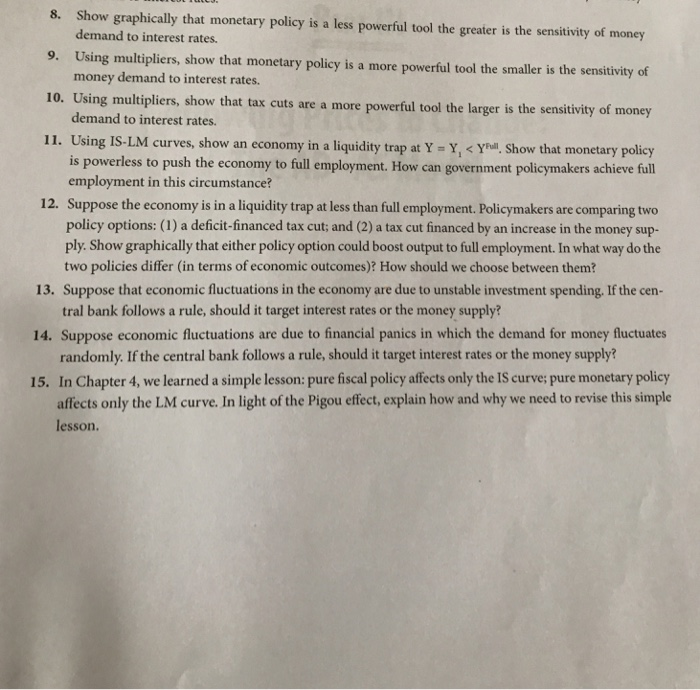
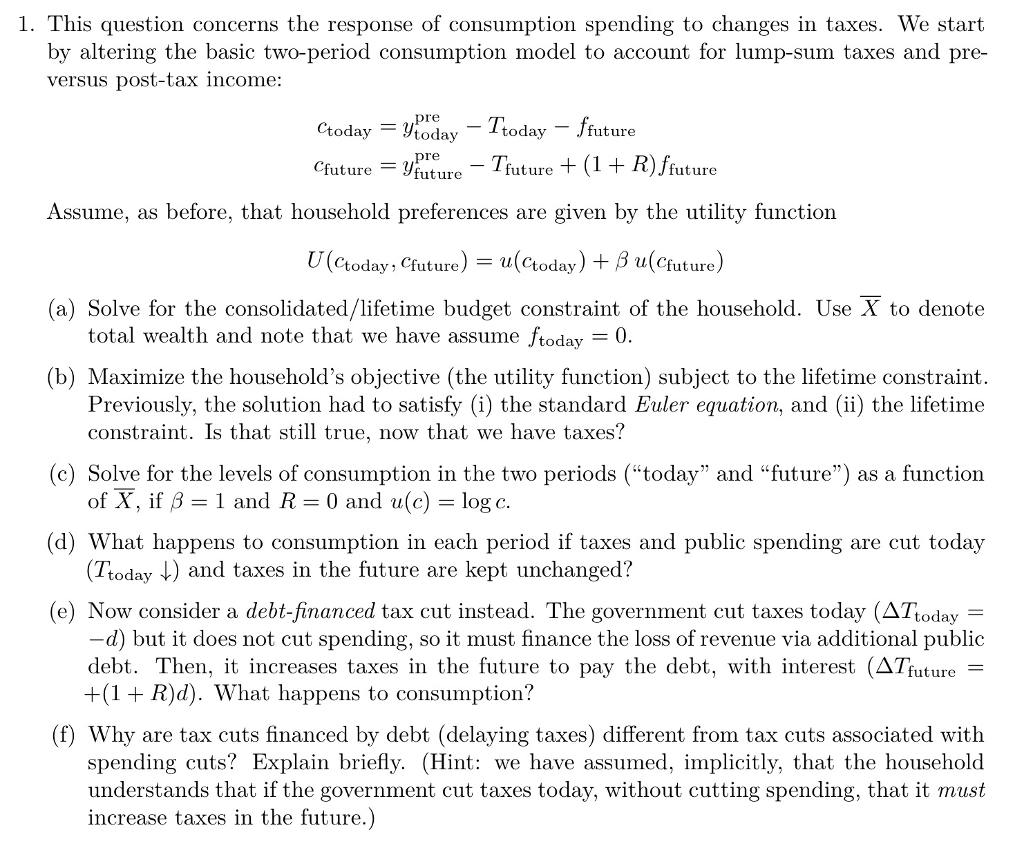
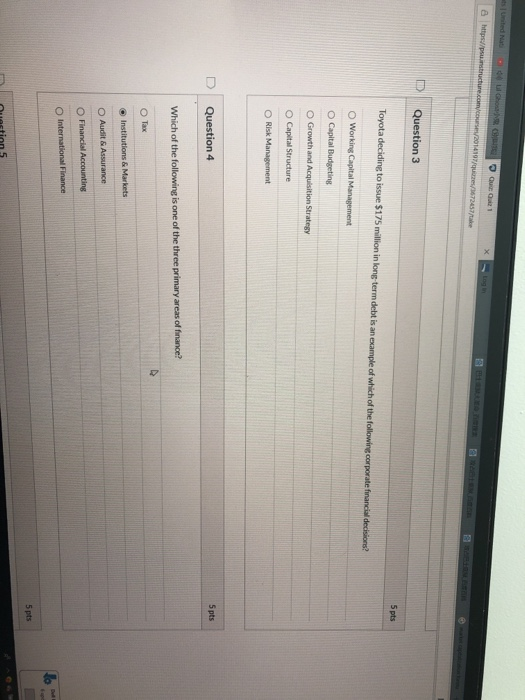
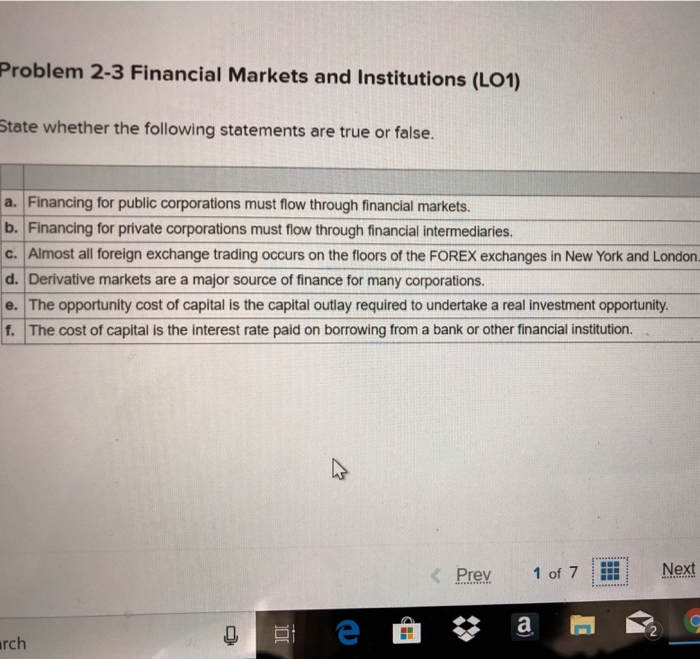
1. This question concerns the response of consumption spending to changes in taxes. We start by altering the basic two-period consumption model to account for lump-sum taxes and pre- versus posttax income: _ Pre c:toclay ytoday _ Ttoday _ ffuture re lcfutur-e = yfutum _ Tinture + (1 + R)ffuture Assume, as before, that household preferences are given by the utility function U(Ctodayg cfuture) : \"(Ctoday) + #3 u(Cfuturej' (a) Solve for the consolidatedf lifetime budget constraint of the household. Use f to denote total wealth and note that we have assume ftoday = 0. (b) Maximize the household's objective (the utility function) subject to the lifetime constraint. Previously, the solution had to satisfy (i) the standard Eater equation, and (ii) the lifetime constraint. Is that still true, nonr that we have taxes? (c) 3013-\": for the levels of consumption in the two periods (\"today\" and \"future\") as a function of X, ifgfi : 1 and R: 0 and u(c) 2 loge. (d) What happens to consumptiOn in each period if taxes and public spending are cut today (Ttoday l) and taxes in the future are kept unchanged? (e) Now consider a debt-nanced tax cut instead. The government cut taxes today (ATtoday = d'] but it does not cut spending, so it must nance the loss of revenue via additional public debt. Then, it increases taxes in the future to pay the debt, with interest (ATfuture = +(1 + RM). What happens to consumption? (f) Why are tax cuts nanced by debt (delaying taxes) different from tax cuts associated with spending cuts? Explain briey. (Hint: we have assumed, implicitly, that the household understands that if the government cut taxes today, without cutting spending, that it must increase taxes in the future.) | United Miti Log In Question 3 5 pts Toyota deciding to issue $175 million in long-term debt is an example of which of the following corporate financial decisions? Working Capital Management O Capital Budgeting O Growth and Acquisition Strategy O Capital Structure O Risk Management Question 4 5pts Which of the following is one of the three primary areas of finance? 4 Institutions & Markets Audit & Assurance Financial Accounting O International Finance 5ptsProblem 2-3 Financial Markets and Institutions (LO1) State whether the following statements are true or false. a. Financing for public corporations must flow through financial markets. b. Financing for private corporations must flow through financial intermediaries. C. Almost all foreign exchange trading occurs on the floors of the FOREX exchanges in New York and London d. Derivative markets are a major source of finance for many corporations. e. The opportunity cost of capital is the capital outlay required to undertake a real investment opportunity. f. The cost of capital is the interest rate paid on borrowing from a bank or other financial institution.

Step by Step Solution

There are 3 Steps involved in it

1 Expert Approved Answer
Step: 1 Unlock blur-text-image
Question Has Been Solved by an Expert!

Get step-by-step solutions from verified subject matter experts

Step: 2 Unlock
Step: 3 Unlock

Students Have Also Explored These Related Accounting Questions!