







Question: Basic bond valuation Complex Systems has an outstanding issue of $1,000-par-value bonds with a 13% coupon interest rate. The issue pays interest annually and has
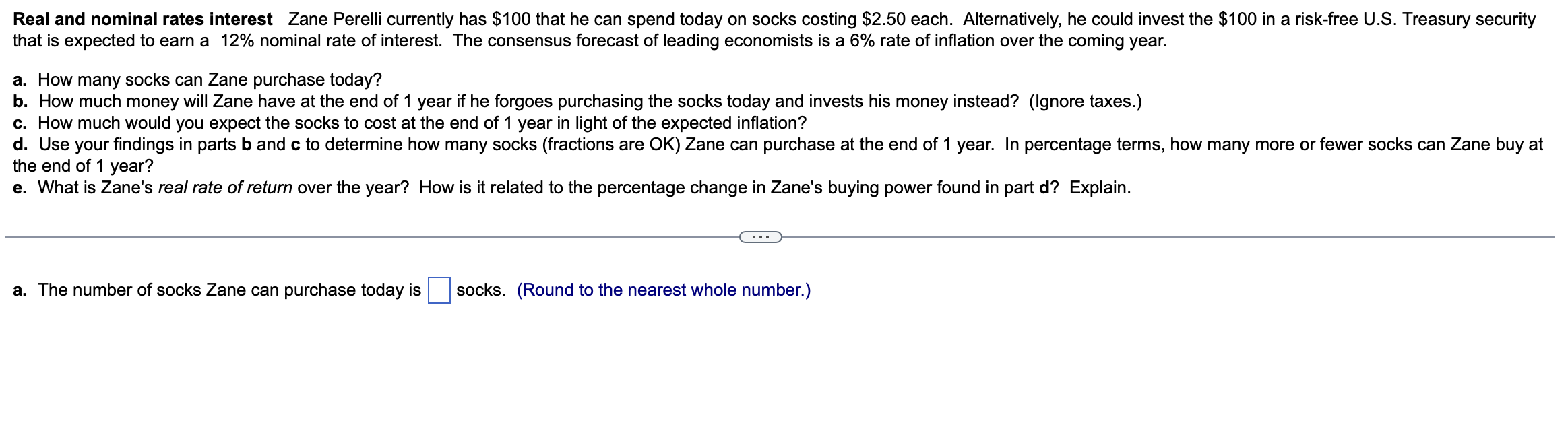
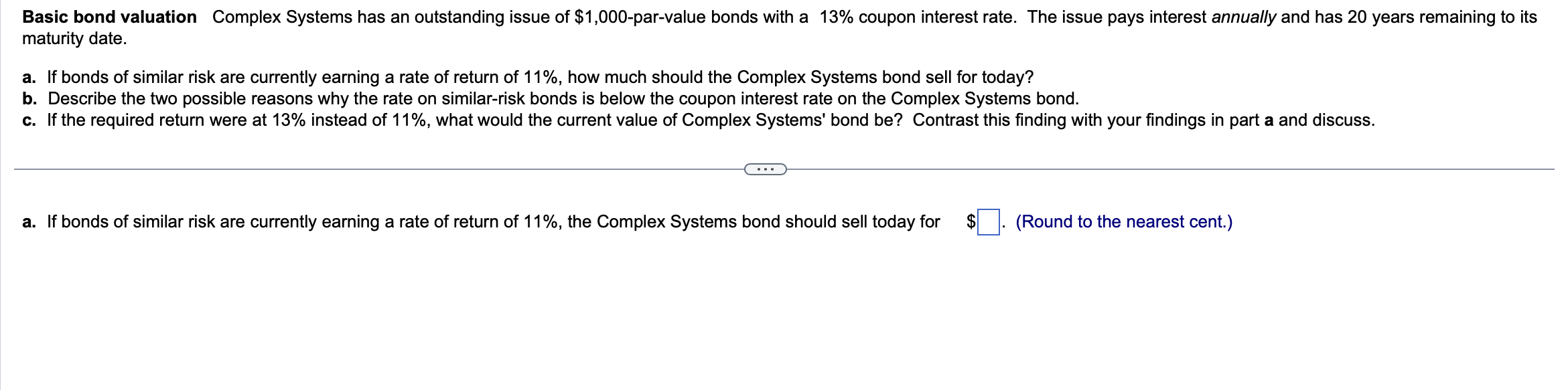
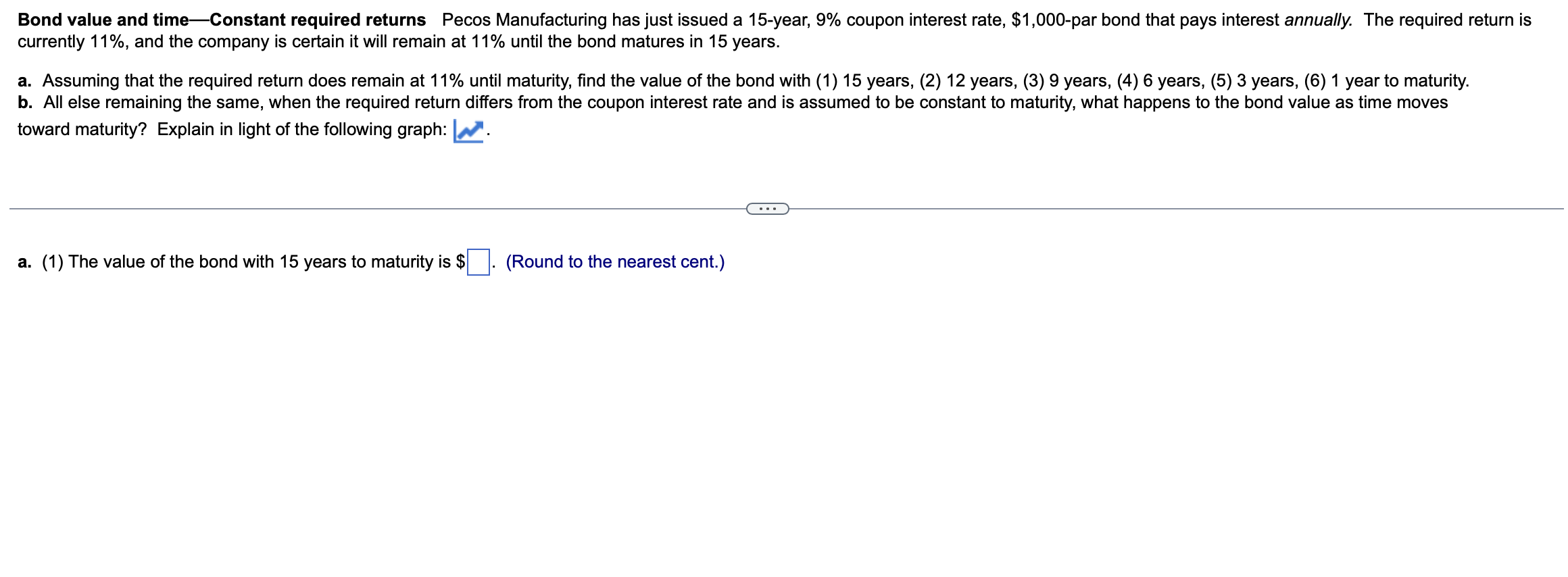
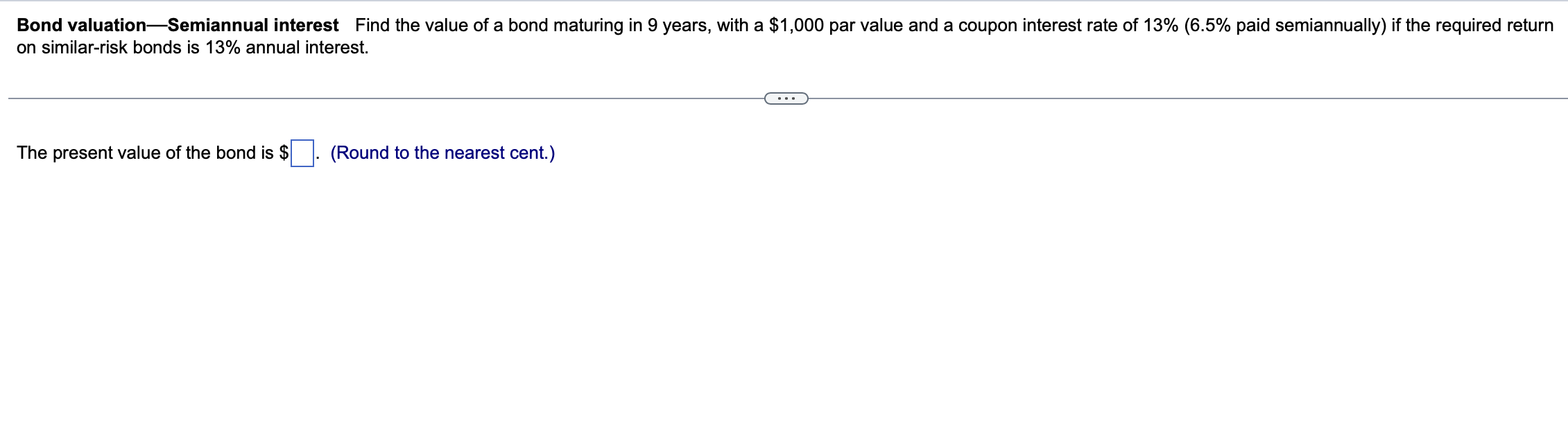
Basic bond valuation Complex Systems has an outstanding issue of $1,000-par-value bonds with a 13% coupon interest rate. The issue pays interest annually and has 20 years remaining to its maturity date. a. If bonds of similar risk are currently earning a rate of return of 11%, how much should the Complex Systems bond sell for today? b. Describe the two possible reasons why the rate on similar-risk bonds is below the coupon interest rate on the Complex Systems bond. c. If the required return were at 13% instead of 11%, what would the current value of Complex Systems' bond be? Contrast this finding with your findings in part a and discuss. a. If bonds of similar risk are currently earning a rate of return of 11%, the Complex Systems bond should sell today for $ (Round to the nearest cent.) Bond valuation-Semiannual interest Find the value of a bond maturing in 9 years, with a $1,000 par value and a coupon interest rate of 13% ( 6.5% paid semiannually) if the required return on similar-risk bonds is 13% annual interest. The present value of the bond is (Round to the nearest cent.) Bond value and time-Constant required returns Pecos Manufacturing has just issued a 15 -year, 9% coupon interest rate, $1,000-par bond that pays interest annually. The required return is currently 11%, and the company is certain it will remain at 11% until the bond matures in 15 years. a. Assuming that the required return does remain at 11% until maturity, find the value of the bond with (1) 15 years, (2) 12 years, (3) 9 years, (4) 6 years, (5) 3 years, (6) 1 year to maturity. b. All else remaining the same, when the required return differs from the coupon interest rate and is assumed to be constant to maturity, what happens to the bond value as time moves toward maturity? Explain in light of the following graph: a. (1) The value of the bond with 15 years to maturity is $ (Round to the nearest cent.) Real and nominal rates interest Zane Perelli currently has $100 that he can spend today on socks costing $2.50 each. Alternatively, he could invest the $100 in a risk-free U.S. Treasury security that is expected to earn a 12% nominal rate of interest. The consensus forecast of leading economists is a 6% rate of inflation over the coming year. a. How many socks can Zane purchase today? b. How much money will Zane have at the end of 1 year if he forgoes purchasing the socks today and invests his money instead? (Ignore taxes.) c. How much would you expect the socks to cost at the end of 1 year in light of the expected inflation? d. Use your findings in parts b and c to determine how many socks (fractions are OK) Zane can purchase at the end of 1 year. In percentage terms, how many more or fewer socks can Zane buy at the end of 1 year? e. What is Zane's real rate of return over the year? How is it related to the percentage change in Zane's buying power found in part d? Explain. a. The number of socks Zane can purchase today is socks. (Round to the nearest whole number.)
Step by Step Solution
There are 3 Steps involved in it

Get step-by-step solutions from verified subject matter experts
 Study Help