







Question: Begin with the starter code included. The existing code is designed to avoid cycles. package linkedlist; public class SinglyLinkedList { protected Node head, tail; protected
Begin with the starter code included. The existing code is designed to avoid cycles.
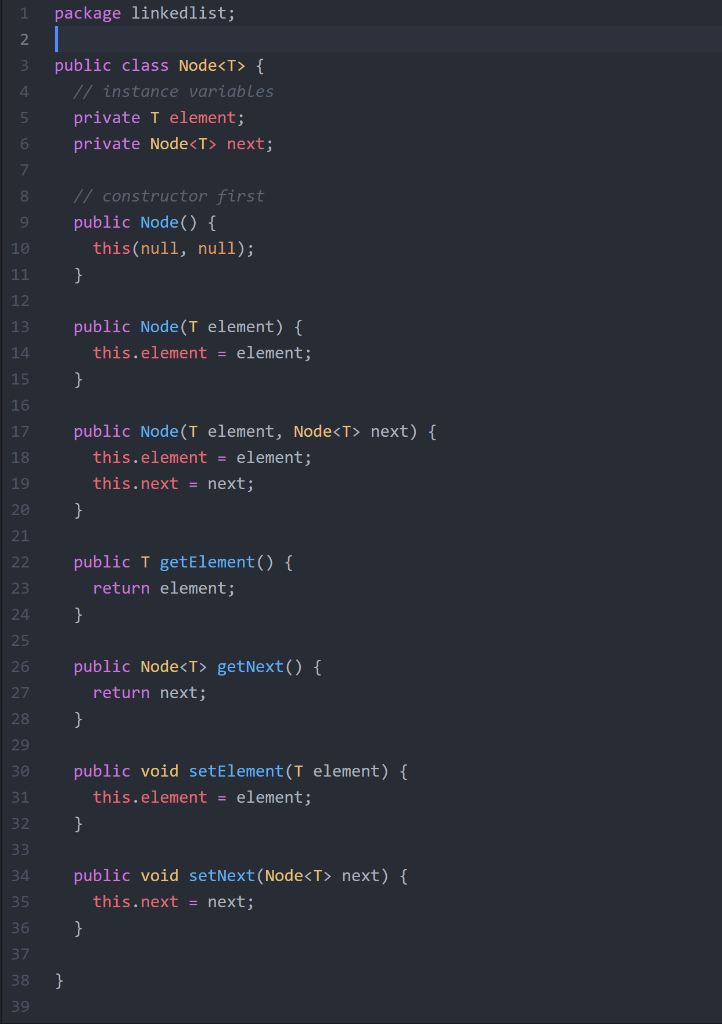
package linkedlist;
public class SinglyLinkedList { protected Node head, tail; protected long size;
public SinglyLinkedList() { head = null; tail = null; size = 0; }
public void addFirst(T element) { Node node = new Node(element); addFirst(node); }
public void addFirst(Node node) { if (tail == null) tail = node; node.setNext(head); head = node; size++; }
public void add(T element) { Node node = new Node(element); if (tail == null) addFirst(node); else add(node); }
public void add(Node nodeToAdd) { nodeToAdd.setNext(null); if (tail == null) { tail = nodeToAdd; head = nodeToAdd; } else tail.setNext(nodeToAdd); tail = nodeToAdd; size++; }
public void removeFirst() { if (head == null) return; Node temp = head;
head = head.getNext(); temp.setNext(null); size--; }
public void removeLast() { Node nodeBefore;
if (size == 0) return; nodeBefore = head;
for (int count = 0; count
public void remove(T element) { if (size == 0) return; Node currNode = head; do { if (currNode.getElement().equals(element)) {
if (currNode == head) { removeFirst(); currNode = head; } else if (currNode == tail) { removeLast(); currNode = tail; } else { Node next = currNode.getNext(); remove(currNode); currNode = next; } } else currNode = currNode.getNext(); } while (currNode != null);
}
public void remove(Node nodeToRemove) { Node nodeBefore, currentNode; if (size == 0) return;
currentNode = head; if (currentNode == nodeToRemove) removeFirst(); currentNode = tail; if (currentNode == nodeToRemove) removeLast();
if (size - 2 > 0) { nodeBefore = head; currentNode = head.getNext(); for (int count = 0; count
nodeBefore = currentNode; currentNode = currentNode.getNext(); } } }
public T get(int index) { Node currNode = head; if (index >= size) return null; for (int counter = 0; counter
public Node getNode(int index) { Node currNode = head; if (index >= size) return null; for (int counter = 0; counter
public long size() { return size; }
public Node getTail() { return tail; }
public boolean contains(T element) { if (head == null) return false; Node currNode = head; while (currNode.getNext() != null) { if (currNode.getElement().equals(element)) return true; currNode = currNode.getNext(); } if (currNode.getElement().equals(element)) return true; return false; } }
- Study the code until you understand how it works, and particularly why you can't create a cycle using the existing add method.
- Add a method public void addToCreateCycle(Node nodeToAdd) that allows the user to add a Node in a way that will create a cycle. If you send a node that is already in the list as a parameter to this method, your list will contain a cycle.
- Write a boolean method called checkForCycle() in the list code that uses Floyd's algorithm to determine whether a cycle exits in the list. You do not need to determine where a cycle starts, only whether one is present.
- Write five JUnit tests, each with *one* assertion
- create a list with no nodes and assert that there is no cycle (ie., that your cycle detection method returns false)
- create a list with several nodes but no cycles and assert that there is no cycle
- create a list with only one node with its next reference set to itself and assert that there is a cycle
- create a list with a cycle whose length (number of nodes involved in the cycle) is odd and assert that there is a cycle
- create a list with a cycle whose length is even and assert that there is a cycle
Use exactly the method names specified above.
Turn in the unchanged Node.java file, the edited SinglyLinkedList.java file, your JUnit test case, and a screenshot showing the results of running your JUnit tests. Don't zip or otherwise compress the files, just upload the four files separately.
1 package linkedlist; 2 3 4 public class Node
Step by Step Solution
There are 3 Steps involved in it

Get step-by-step solutions from verified subject matter experts
 Study Help