







Question: [C code] building a Postfix Notation calculator I have to convert or change this code into Postfix Notation calculator. Test samples are the numbers on
[C code] building a Postfix Notation calculator
I have to convert or change this code into Postfix Notation calculator.
Test samples are the numbers on the last image file.
![[C code] building a Postfix Notation calculator I have to convert or](https://dsd5zvtm8ll6.cloudfront.net/si.experts.images/questions/2024/09/66f51875ecb7e_61366f5187569b43.jpg)
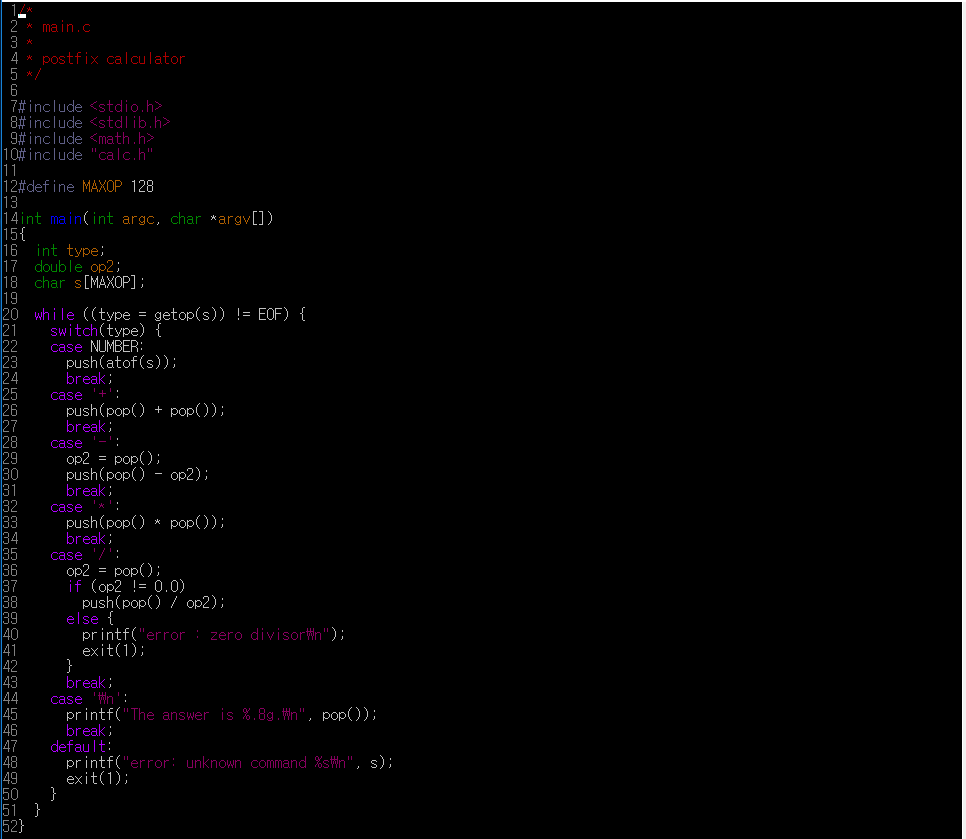
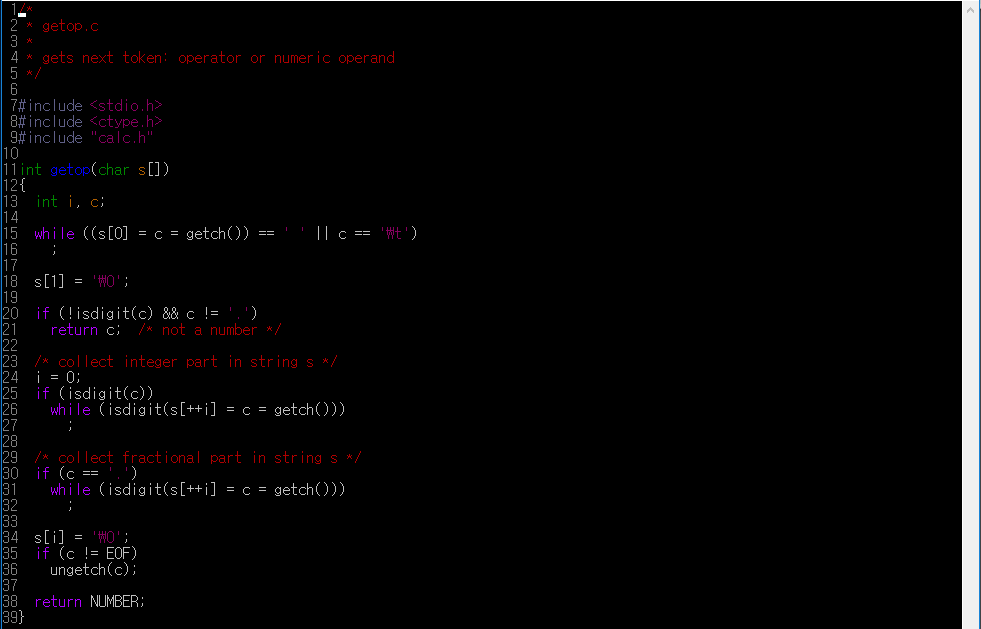
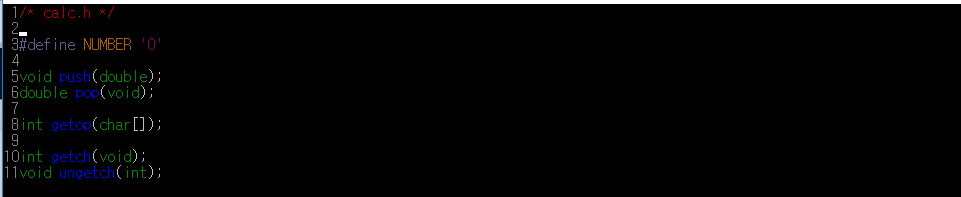
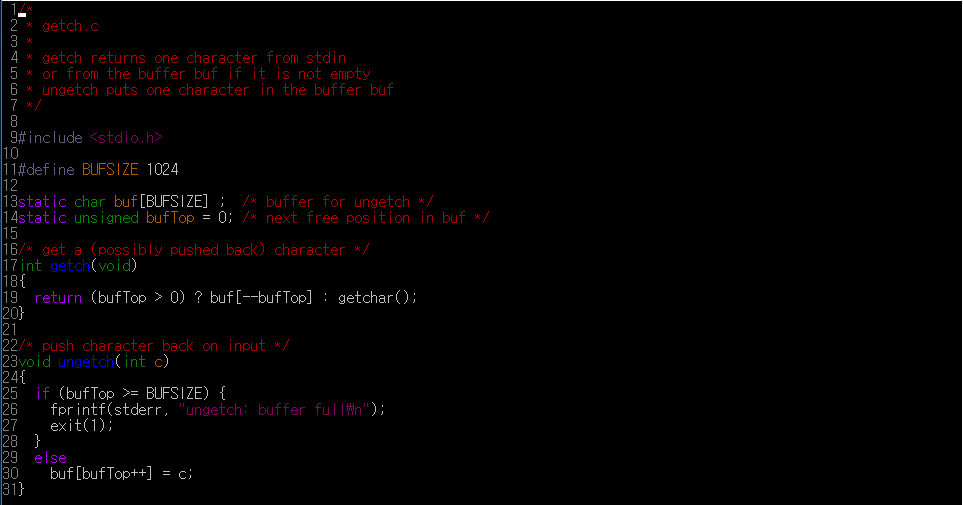
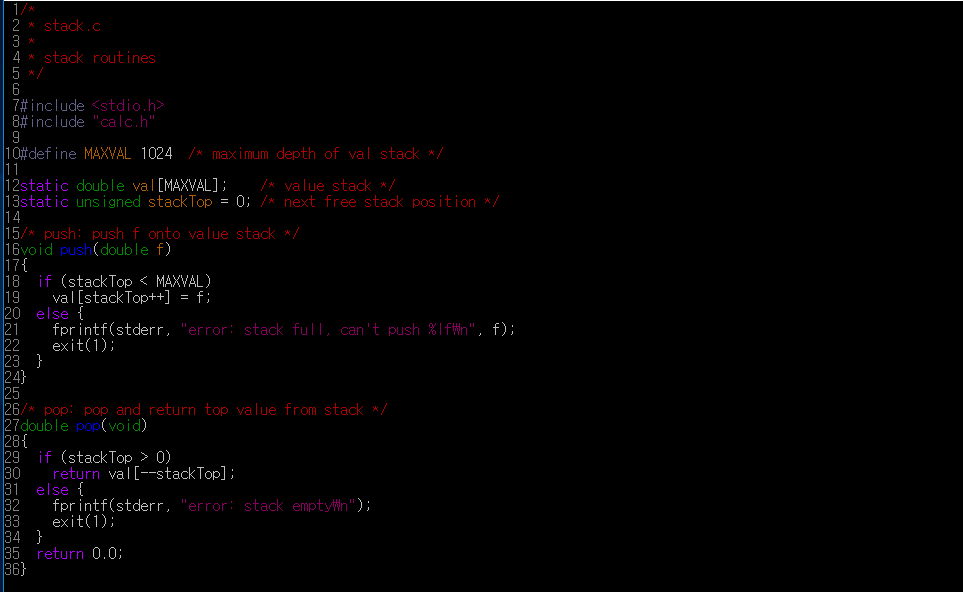
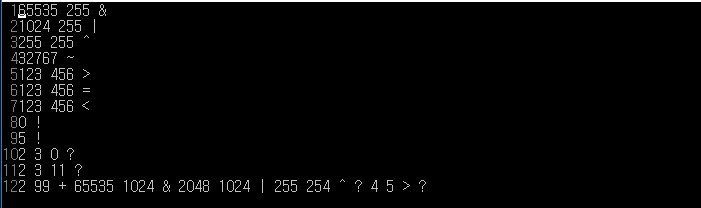
Homework Make a subdirectory hw7 in your home directory for this assignment. Copy these files from home/240/hw7: calc.h, getch.c, getop.c, main.c, stack.c, and Makefile. The objective of this assignment is to let you practice with managing multiple files and using the make utility. The standard way to write an expression, such at a + b c is called the infix notation. The same expression in the postfix notation is a b c * +. You can convert between infix and postfix using an online tool here: http://www.mathblog.dk/tools/infix-postfix-converter/. Read the provided code calc.h, getch.c, getop.c, main.c, and stack.c. The program plements a simple calculator that reads input from keyboard in the postfix notation, and performs calculation for floating-point numbers. You can create the executable calc by entering the com mand make. Run the program a few times to become familiar with it Your tasks in this asignment is to convert the code from floating-point calculation to integer calculation mostly replacing double with int. The original code uses atof O to convert ASCII to a floating-point number. You can use atoiO to convert ASCII to integer. Additionally, you add functionality to the calculator by impementing the following operations. Four bitwise operations: AND (&), OR (I), XOR (),and NOT(). Note that AND, OR, and XOR are binary operators, but NOT is a unary operator. For example, a b &is the bitwise AND of a and b; a is the bitwise NOT of a Three comparison operations: GREATER-THAN (>), EQUAL-TO (), and LESS-THAN (), EQUAL-TO (), and LESS-THAN (
Step by Step Solution
There are 3 Steps involved in it

Get step-by-step solutions from verified subject matter experts
 Study Help