







Question: can you answer the question attached to this case study IN THE UNITED STATES, THE RATE AT WHICH corporations are taxed ranges from 15 to
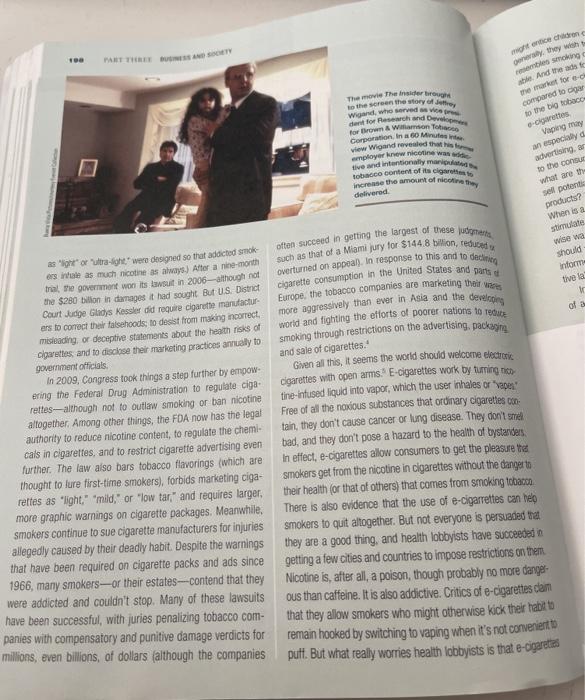
IN THE UNITED STATES, THE RATE AT WHICH corporations are taxed ranges from 15 to 35 percent depending on the size of the income. That's a higher top marginal tax rate than in any other developed country. But 35 percent is only the nominal rater few any corporations social CASE 5.6 Corporate Taxation the For many contes game-mostatom 2013 touto the 's most proiechedlogo one of its most success to a com actually pay that much Over a recent five-year period, for plex web o maior este come eicmpie. General Electric paid 17.9 percent of es income ated. Many of those ses corporated in and in corporate toes, and that includes not just federal tax were Apple negotiated a special for dur state, local and foreign twees as well. FedEx paid 20.1 amough in fact they are run from Cupertino, California percent in federal tax, Amazon 6.6 percent, and Ford Motor Furthermore, even though they are incorporated in and some of these shore tres have no courty of tax Company 4.2 percent. The reason for this is that the tax code residence and thusay no estave though they hold provides corporations with plenty of exemptions. In fact, a Tenis of billions of dollars study by the Government Accountability Office estimates that Other companies such as Microsoh and Google, B0 or so business exemptions cut in half the revenue com- engage in transfer pricing. This shit profits generated ing from corporate taxation. Two of the biggest corporate tax in the United States to offshore tax havens where the breaks are accelerated depreciation of machinery and equip can't get at them. Companies accomplish this trick by ment and deferral of income from foreign sources transferring intellectual property rights to specially cre- That's one of the main reasons why these days corpora- ated foreign subsidiaries, which then charge the parent tions pay a smaller share of the nation's taxes than they company stiff licensing fees for using its own intellectual used to. In the 1950s, the revenue from corporate taxation property. But even low-tech companies can be good at amounted to about a third of total federal tax revenue or about shell games like this. Caterpillar cut its tax bill by $300 6 percent of the nation's income. Today it amounts to less than million a year simply by putting the name of a Swiss sub- a tenth-that is, to about $1 out of every $10 collected in sidiary on the invoices for parts t sent from the United federal tax-or about 2 percent of national income. Personal States to customers around the world. Even Starbucks fig- income taxes and payroll taxes (which support Social Security ured out how to play the game. It told shareholders that it and Medicare) provide about 80 percent of the federal govern was making large profits in Britain but filed UK tax forms ment's annual revenue. Yet, these days companies take a showing losses, resulting in its paying no British taxes at all for three years in a row, despite billions of dollars in larger share of national income than ever before, and corpo- sales there rate taxes as a share of corporate profits are at a record low. PART THE BEST to the schoon the story Wigand, who served dent for Research and Develop for Awamson To Corporation in a Minutes View Wigand moved that employer cotinews tive and intentional mare often succeed in getting the largest of these quotes such as that of a Miami jury for $144.8 bilion, toutes overturned on appeal. In response to this and to de cigarette consumption in the United States and parts Europe, the tobacco companies are marketing the more aggressively than ever in Asia and the device world and fighting the efforts of poorer nations to reduce smoking through restrictions on the advertising, packaging increase the amount of chy To The movie The Insider tobacco content of its cigare motorice con generally they wish the smoking be. And the ads me market forec compared togar to the big tobacs e-cigarettes Vaging may an especially advertising af to the con what are the sell potent products? When is stimulate wise wa should inform tive la delivered of a sorraight were designed so that addicted smok ersale as much nicotine as always.) After a nine-morth that the government won its lawsuit in 2006-although not the $280 billion in damages it had sought But US District Court Judge Gladys Kessler did require cigarette manufactur ars to contact their atsehoods to desist from making incorrect misleading or deceptive statements about the health risks of cigarettes and to disclose their marketing practices annually to government officials In 2009, Congress took things a step further by empow. ering the Federal Drug Administration to regulate ciga rettes--although not to outlaw smoking or ban nicotine altogether. Among other things, the FDA now has the legal authority to reduce nicotine content, to regulate the chemi- cals in cigarettes, and to restrict cigarette advertising even further. The law also bars tobacco flavorings (which are thought to lure first time smokers), forbids marketing ciga- rettes as "light," "mild," or "low tar," and requires larger more graphic warnings on cigarette packages. Meanwhile, smokers continue to sue cigarette manufacturers for injuries allegedly caused by their deadly habit. Despite the warnings that have been required on cigarette packs and ads since 1966, many smokers--or their estates--contend that they were addicted and couldn't stop. Many of these lawsuits have been successful, with juries penalizing tobacco com- panies with compensatory and punitive damage verdicts for millions, even billions of dollars (although the companies and sale of cigarettes. Given all this, it seems the world should welcome electronic cigarettes with open arms. E-cigarettes work by turning ico tine-infused liquid into vapor, which the user inhales or vapen Free of all the noxious substances that ordinary cigarettes tan tain, they don't cause cancer or lung disease. They don't see bad, and they don't pose a hazard to the health of bystarvers In effect, e-cigarettes allow consumers to get the pleasure the smokers get from the nicotine in cigarettes without the danger to their health (or that of others) that comes from smoking tobacco There is also evidence that the use of e-cigarrettes can beo smokers to quit altogether. But not everyone is persuaded that they are a good thing, and health lobbyists have succeeded in getting a few cities and countries to impose restrictions on them. Nicotine is, after all, a poison, though probably no more dangas- ous than caffeine. It is also addictive. Critics of e-cigarettes cam that they allow smokers who might otherwise kick their habt to remain hooked by switching to vaping when it's not convenient to putt. But what really worries health lobbyists is that e-cigaretis might entice children or be a "gateway to the real thing. More resembles smoking or that might make it more socially accept generally, they wish to discourage anything that even remotely monitoring product quality and price, and in upholding Explicit ble. And the ads for vaping do make it seem cool. Meanwhile, ne market for e-cigarettes is growing rapidly. Though stil tiny compared to cigarette sales, its potential is obvious-especially to the big tobacco companies, Several of which are now selling Vaping may be relatively safe, but ordinary cigarettes remain an especialy dangerous product. Their manufacture, marketing, advertising and sale raise a number of acute questions relevant to the consumer issues discussed in this chapter. For instance, sall potentially or in the case of cigarettes) inherently harmful products? To what extent do manufacturers abuse advertising? 100 CHAPTER SIX CONSUMERS standards of reliability and safety? What moral responsibilities do businesses have in these areas in a market-oriented eco nomic system, how do we balance the interests of business with the rights of consumers? How do we promote social well-being while still respecting the choices of individuals? e-cigarettes what are the responsibilities to consumers of companies that When is advertising deceptive? Can advertisers create or at least stimulate desires for products that consumers would not other wise want or would not otherwise want as much? How, if at all, should advertising be restricted? Are consumers sufficiently well informed about the products they buy? Are they misled by decep- tive labeling and packaging? In general, how far should society go in controlling the claims of advertisers, in regulating product packaging and labels, in LEARNING OBJECTIVES These questions highlight some of the issues probed in this chapter, in particular, it examines: 1. Product safety--the legal and moral responsibilities of manufacturers and the pros and cons of government regulations designed to protect consumers, including the issue of legal paternalism 2. The responsibilities of business to consumers concerning product quality.prices, and labeling and packaging 3. Deceptive and morally questionable techniques used in advertising 4. The role of the FTC in regulating advertising, especially, advertising to children 5. The social desirability of advertising in general: Is it a positive feature of our economic system? Does it manipu- late, or merely respond to consumer needs? IN THE UNITED STATES, THE RATE AT WHICH corporations are taxed ranges from 15 to 35 percent depending on the size of the income. That's a higher top marginal tax rate than in any other developed country. But 35 percent is only the nominal rater few any corporations social CASE 5.6 Corporate Taxation the For many contes game-mostatom 2013 touto the 's most proiechedlogo one of its most success to a com actually pay that much Over a recent five-year period, for plex web o maior este come eicmpie. General Electric paid 17.9 percent of es income ated. Many of those ses corporated in and in corporate toes, and that includes not just federal tax were Apple negotiated a special for dur state, local and foreign twees as well. FedEx paid 20.1 amough in fact they are run from Cupertino, California percent in federal tax, Amazon 6.6 percent, and Ford Motor Furthermore, even though they are incorporated in and some of these shore tres have no courty of tax Company 4.2 percent. The reason for this is that the tax code residence and thusay no estave though they hold provides corporations with plenty of exemptions. In fact, a Tenis of billions of dollars study by the Government Accountability Office estimates that Other companies such as Microsoh and Google, B0 or so business exemptions cut in half the revenue com- engage in transfer pricing. This shit profits generated ing from corporate taxation. Two of the biggest corporate tax in the United States to offshore tax havens where the breaks are accelerated depreciation of machinery and equip can't get at them. Companies accomplish this trick by ment and deferral of income from foreign sources transferring intellectual property rights to specially cre- That's one of the main reasons why these days corpora- ated foreign subsidiaries, which then charge the parent tions pay a smaller share of the nation's taxes than they company stiff licensing fees for using its own intellectual used to. In the 1950s, the revenue from corporate taxation property. But even low-tech companies can be good at amounted to about a third of total federal tax revenue or about shell games like this. Caterpillar cut its tax bill by $300 6 percent of the nation's income. Today it amounts to less than million a year simply by putting the name of a Swiss sub- a tenth-that is, to about $1 out of every $10 collected in sidiary on the invoices for parts t sent from the United federal tax-or about 2 percent of national income. Personal States to customers around the world. Even Starbucks fig- income taxes and payroll taxes (which support Social Security ured out how to play the game. It told shareholders that it and Medicare) provide about 80 percent of the federal govern was making large profits in Britain but filed UK tax forms ment's annual revenue. Yet, these days companies take a showing losses, resulting in its paying no British taxes at all for three years in a row, despite billions of dollars in larger share of national income than ever before, and corpo- sales there rate taxes as a share of corporate profits are at a record low. PART THE BEST to the schoon the story Wigand, who served dent for Research and Develop for Awamson To Corporation in a Minutes View Wigand moved that employer cotinews tive and intentional mare often succeed in getting the largest of these quotes such as that of a Miami jury for $144.8 bilion, toutes overturned on appeal. In response to this and to de cigarette consumption in the United States and parts Europe, the tobacco companies are marketing the more aggressively than ever in Asia and the device world and fighting the efforts of poorer nations to reduce smoking through restrictions on the advertising, packaging increase the amount of chy To The movie The Insider tobacco content of its cigare motorice con generally they wish the smoking be. And the ads me market forec compared togar to the big tobacs e-cigarettes Vaging may an especially advertising af to the con what are the sell potent products? When is stimulate wise wa should inform tive la delivered of a sorraight were designed so that addicted smok ersale as much nicotine as always.) After a nine-morth that the government won its lawsuit in 2006-although not the $280 billion in damages it had sought But US District Court Judge Gladys Kessler did require cigarette manufactur ars to contact their atsehoods to desist from making incorrect misleading or deceptive statements about the health risks of cigarettes and to disclose their marketing practices annually to government officials In 2009, Congress took things a step further by empow. ering the Federal Drug Administration to regulate ciga rettes--although not to outlaw smoking or ban nicotine altogether. Among other things, the FDA now has the legal authority to reduce nicotine content, to regulate the chemi- cals in cigarettes, and to restrict cigarette advertising even further. The law also bars tobacco flavorings (which are thought to lure first time smokers), forbids marketing ciga- rettes as "light," "mild," or "low tar," and requires larger more graphic warnings on cigarette packages. Meanwhile, smokers continue to sue cigarette manufacturers for injuries allegedly caused by their deadly habit. Despite the warnings that have been required on cigarette packs and ads since 1966, many smokers--or their estates--contend that they were addicted and couldn't stop. Many of these lawsuits have been successful, with juries penalizing tobacco com- panies with compensatory and punitive damage verdicts for millions, even billions of dollars (although the companies and sale of cigarettes. Given all this, it seems the world should welcome electronic cigarettes with open arms. E-cigarettes work by turning ico tine-infused liquid into vapor, which the user inhales or vapen Free of all the noxious substances that ordinary cigarettes tan tain, they don't cause cancer or lung disease. They don't see bad, and they don't pose a hazard to the health of bystarvers In effect, e-cigarettes allow consumers to get the pleasure the smokers get from the nicotine in cigarettes without the danger to their health (or that of others) that comes from smoking tobacco There is also evidence that the use of e-cigarrettes can beo smokers to quit altogether. But not everyone is persuaded that they are a good thing, and health lobbyists have succeeded in getting a few cities and countries to impose restrictions on them. Nicotine is, after all, a poison, though probably no more dangas- ous than caffeine. It is also addictive. Critics of e-cigarettes cam that they allow smokers who might otherwise kick their habt to remain hooked by switching to vaping when it's not convenient to putt. But what really worries health lobbyists is that e-cigaretis might entice children or be a "gateway to the real thing. More resembles smoking or that might make it more socially accept generally, they wish to discourage anything that even remotely monitoring product quality and price, and in upholding Explicit ble. And the ads for vaping do make it seem cool. Meanwhile, ne market for e-cigarettes is growing rapidly. Though stil tiny compared to cigarette sales, its potential is obvious-especially to the big tobacco companies, Several of which are now selling Vaping may be relatively safe, but ordinary cigarettes remain an especialy dangerous product. Their manufacture, marketing, advertising and sale raise a number of acute questions relevant to the consumer issues discussed in this chapter. For instance, sall potentially or in the case of cigarettes) inherently harmful products? To what extent do manufacturers abuse advertising? 100 CHAPTER SIX CONSUMERS standards of reliability and safety? What moral responsibilities do businesses have in these areas in a market-oriented eco nomic system, how do we balance the interests of business with the rights of consumers? How do we promote social well-being while still respecting the choices of individuals? e-cigarettes what are the responsibilities to consumers of companies that When is advertising deceptive? Can advertisers create or at least stimulate desires for products that consumers would not other wise want or would not otherwise want as much? How, if at all, should advertising be restricted? Are consumers sufficiently well informed about the products they buy? Are they misled by decep- tive labeling and packaging? In general, how far should society go in controlling the claims of advertisers, in regulating product packaging and labels, in LEARNING OBJECTIVES These questions highlight some of the issues probed in this chapter, in particular, it examines: 1. Product safety--the legal and moral responsibilities of manufacturers and the pros and cons of government regulations designed to protect consumers, including the issue of legal paternalism 2. The responsibilities of business to consumers concerning product quality.prices, and labeling and packaging 3. Deceptive and morally questionable techniques used in advertising 4. The role of the FTC in regulating advertising, especially, advertising to children 5. The social desirability of advertising in general: Is it a positive feature of our economic system? Does it manipu- late, or merely respond to consumer needs
Step by Step Solution
There are 3 Steps involved in it

Get step-by-step solutions from verified subject matter experts
 Study Help