Question: Can you help me do in-text citations, I'm not very good at them. here my information Criteria Explanation of the disease pathology Description of expected

Can you help me do in-text citations, I'm not very good at them.

here my information
Can you help me do in-text citations, I'm notCan you help me do in-text citations, I'm not
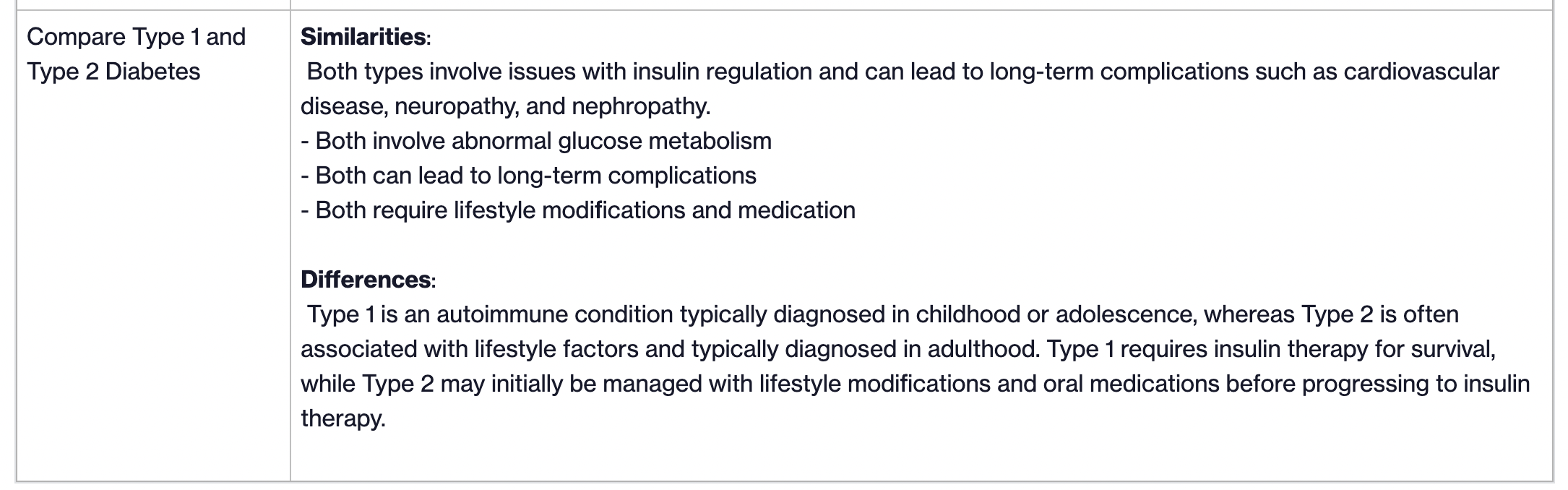
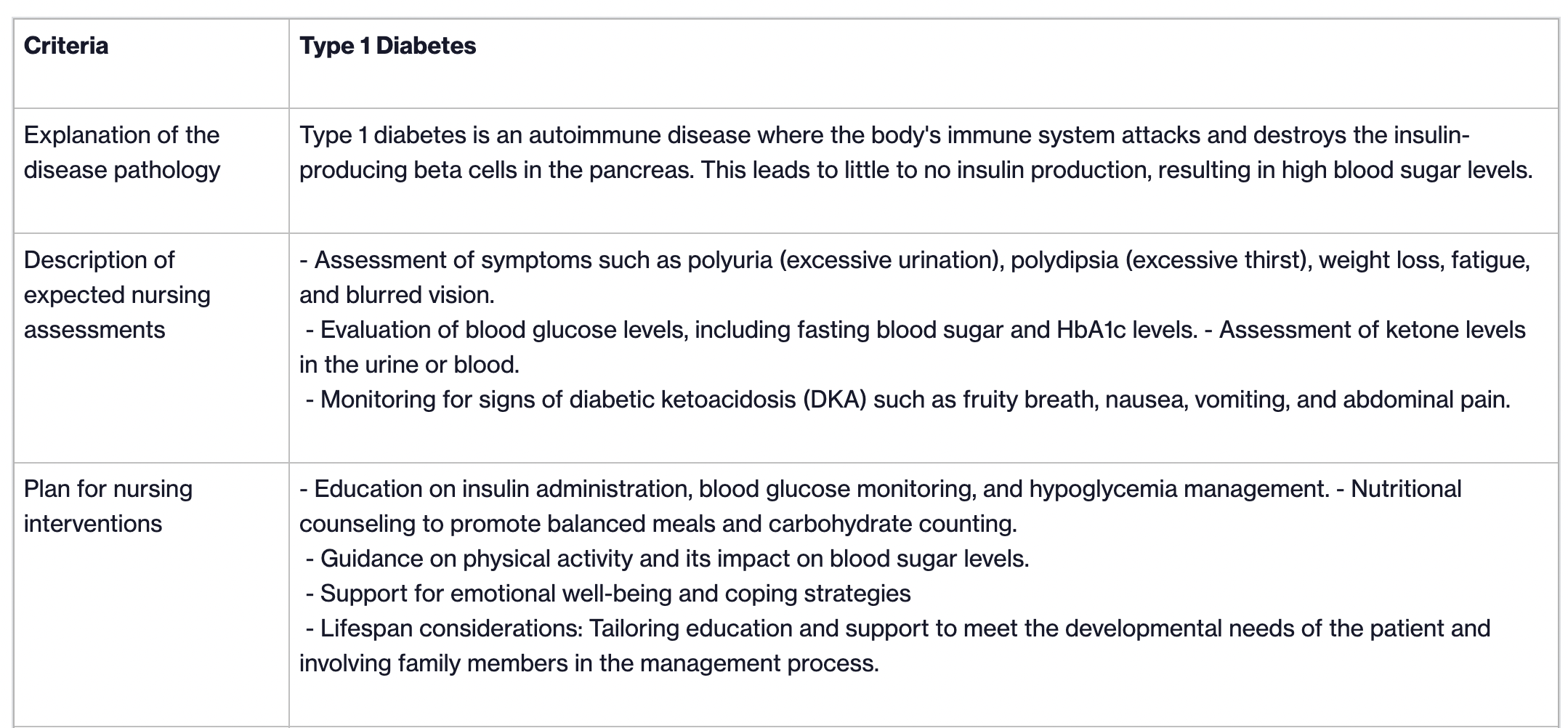
Criteria Explanation of the disease pathology Description of expected nursing assessments Plan for nursing interventions Type 1 Diabetes Type 1diabetes is an autoimmune disease where the body's immune system attacks and destroys the insulin- producing beta cells in the pancreas. This leads to little to no insulin production, resulting in high blood sugar levels. - Assessment of symptoms such as polyuria (excessive urination), polydipsia (excessive thirst), weight loss, fatigue, and blurred vision. - Evaluation of blood glucose levels, including fasting blood sugar and HbA1c levels. - Assessment of ketone levels in the urine or blood. - Monitoring for signs of diabetic ketoacidosis (DKA) such as fruity breath, nausea, vomiting, and abdominal pain. - Education on insulin administration, blood glucose monitoring, and hypoglycemia management. - Nutritional counseling to promote balanced meals and carbohydrate counting. - Guidance on physical activity and its impact on blood sugar levels. - Support for emotional well-being and coping strategies - Lifespan considerations: Tailoring education and support to meet the developmental needs of the patient and involving family members in the management process. Compare Type 1and Similarities: Type 2 Diabetes Both types involve issues with insulin regulation and can lead to long-term complications such as cardiovascular disease, neuropathy, and nephropathy. - Both involve abnormal glucose metabolism - Both can lead to long-term complications - Both require lifestyle modifications and medication Differences: Type 1is an autoimmune condition typically diagnosed in childhood or adolescence, whereas Type 2 is often associated with lifestyle factors and typically diagnosed in adulthood. Type 1 requires insulin therapy for survival, while Type 2 may initially be managed with lifestyle modifications and oral medications before progressing to insulin therapy

Step by Step Solution

There are 3 Steps involved in it

1 Expert Approved Answer
Step: 1 Unlock blur-text-image

Question Has Been Solved by an Expert!

Get step-by-step solutions from verified subject matter experts

Step: 2 Unlock
Step: 3 Unlock

Students Have Also Explored These Related Business Writing Questions!