







Question: Case Study and answer question 1 with 500 words. Please apply the two information I provided in the following. CASE STUDY: Organisational communication Dan Jameson
Case Study and answer question 1 with 500 words. Please apply the two information I provided in the following. 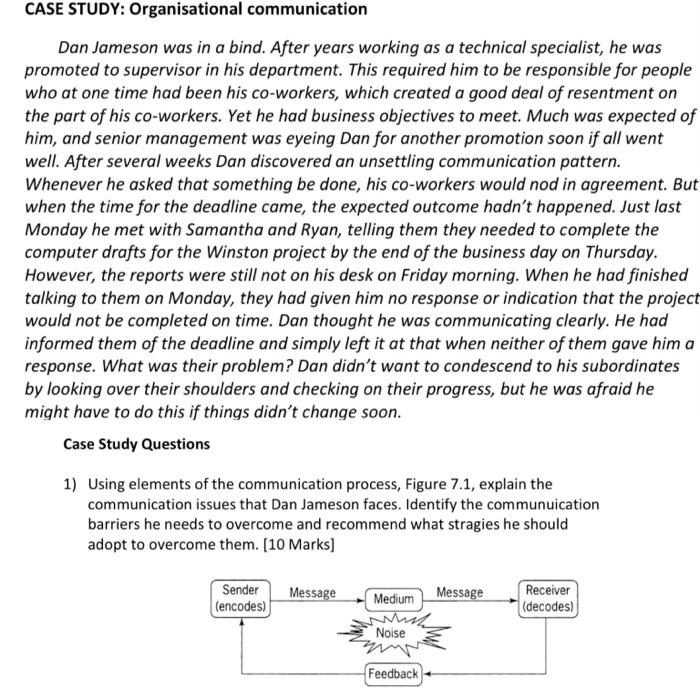
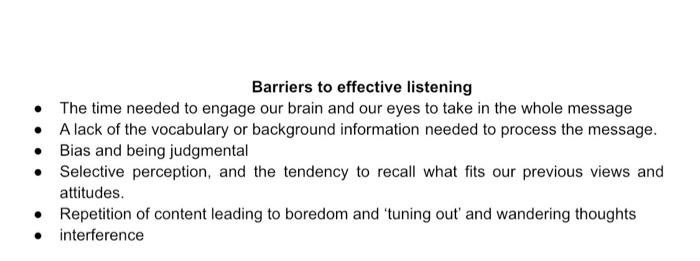
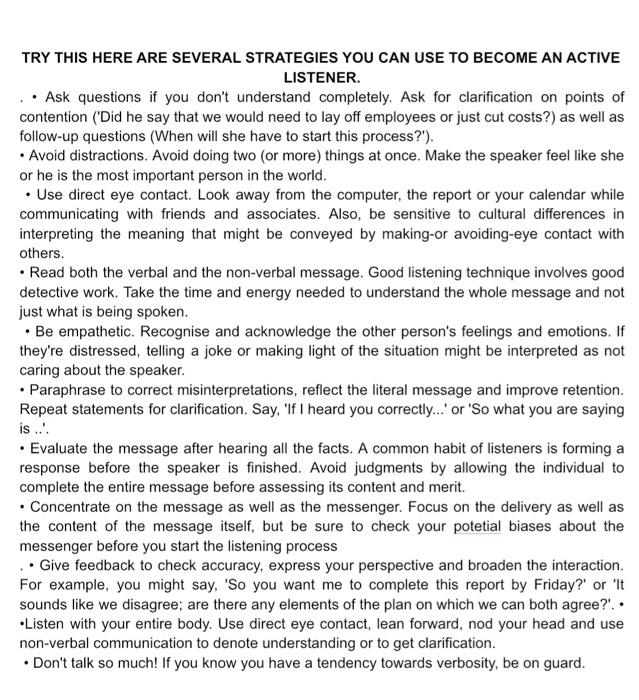
CASE STUDY: Organisational communication Dan Jameson was in a bind. After years working as a technical specialist, he was promoted to supervisor in his department. This required him to be responsible for people who at one time had been his co-workers, which created a good deal of resentment on the part of his co-workers. Yet he had business objectives to meet. Much was expected of him, and senior management was eyeing Dan for another promotion soon if all went well. After several weeks Dan discovered an unsettling communication pattern. Whenever he asked that something be done, his co-workers would nod in agreement. But when the time for the deadline came, the expected outcome hadn't happened. Just last Monday he met with Samantha and Ryan, telling them they needed to complete the computer drafts for the Winston project by the end of the business day on Thursday. However, the reports were still not on his desk on Friday morning. When he had finished talking to them on Monday, they had given him no response or indication that the project would not be completed on time. Dan thought he was communicating clearly. He had informed them of the deadline and simply left it at that when neither of them gave him a response. What was their problem? Dan didn't want to condescend to his subordinates by looking over their shoulders and checking on their progress, but he was afraid he might have to do this if things didn't change soon. Case Study Questions 1) Using elements of the communication process, Figure 7.1, explain the communication issues that Dan Jameson faces. Identify the communuication barriers he needs to overcome and recommend what stragies he should adopt to overcome them. [10 Marks) Sender Message (encodes) Medium Message Receiver (decodes) mutt Noise Wh Feedback Barriers to effective listening The time needed to engage our brain and our eyes to take in the whole message A lack of the vocabulary or background information needed to process the message. Bias and being judgmental Selective perception, and the tendency to recall what fits our previous views and attitudes. Repetition of content leading to boredom and tuning out' and wandering thoughts interference . TRY THIS HERE ARE SEVERAL STRATEGIES YOU CAN USE TO BECOME AN ACTIVE LISTENER. Ask questions if you don't understand completely. Ask for clarification on points of contention ('Did he say that we would need to lay off employees or just cut costs?) as well as follow-up questions (When will she have to start this process?"). Avoid distractions. Avoid doing two (or more) things at once. Make the speaker feel like she or he is the most important person in the world. Use direct eye contact. Look away from the computer, the report or your calendar while communicating with friends and associates. Also, be sensitive to cultural differences in interpreting the meaning that might be conveyed by making or avoiding-eye contact with others. Read both the verbal and the non-verbal message. Good listening technique involves good detective work. Take the time and energy needed to understand the whole message and not just what is being spoken. . Be empathetic. Recognise and acknowledge the other person's feelings and emotions. If they're distressed, telling a joke or making light of the situation might be interpreted as not caring about the speaker. Paraphrase to correct misinterpretations, reflect the literal message and improve retention. Repeat statements for clarification. Say, 'If I heard you correctly...' or 'So what you are saying is... Evaluate the message after hearing all the facts. A common habit of listeners is forming a response before the speaker is finished. Avoid judgments by allowing the individual to complete the entire message before assessing its content and merit. Concentrate on the message as well as the messenger. Focus on the delivery as well as the content of the message itself, but be sure to check your potetial biases about the messenger before you start the listening process .. Give feedback to check accuracy, express your perspective and broaden the interaction. For example, you might say, 'So you want me to complete this report by Friday?' or 'It sounds like we disagree; are there any elements of the plan on which we can both agree?'.. Listen with your entire body. Use direct eye contact, lean forward, nod your head and use non-verbal communication to denote understanding or to get clarification. . Don't talk so much! If you know you have a tendency towards verbosity, be on guard Step by Step Solution
There are 3 Steps involved in it
1 Expert Approved Answer
Step: 1 Unlock

Question Has Been Solved by an Expert!
Get step-by-step solutions from verified subject matter experts
Step: 2 Unlock
Step: 3 Unlock
 Study Help