







Question: Consider the following two 16-bit floating-point representations Format A . There is one sign bit. There are k 6 exponent bits. The exponent bias is
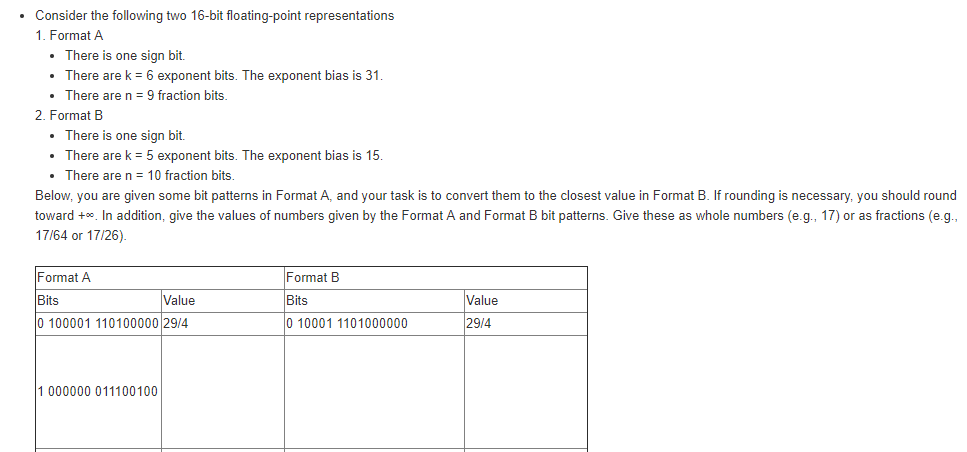
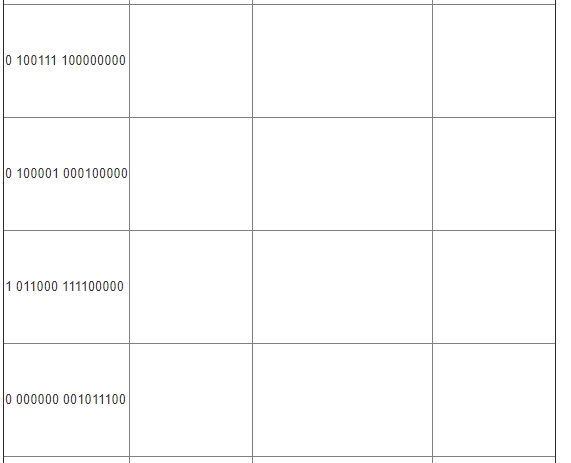
Consider the following two 16-bit floating-point representations Format A . There is one sign bit. There are k 6 exponent bits. The exponent bias is 31. There are n-9 fraction bits. 2. Format B There is one sign bit There are k 5 exponent bits. The exponent bias is 15 . There are n = 10 fraction bits. Below, you are given some bit patterns in Format A, and your task is to convert them to the closest value in Format B. If rounding is necessary, you should round toward +. In addition, give the values of numbers given by the Format A and Format B bit patterns. Give these as whole numbers (e.g, 17) or as fractions (e.g. 17/64 or 17/26) Format B Format A Bits 0 100001 110100000 29/4 Value Value 29/4 0 10001 1101000000 1 000000 011100100
Step by Step Solution
There are 3 Steps involved in it

Get step-by-step solutions from verified subject matter experts
 Study Help