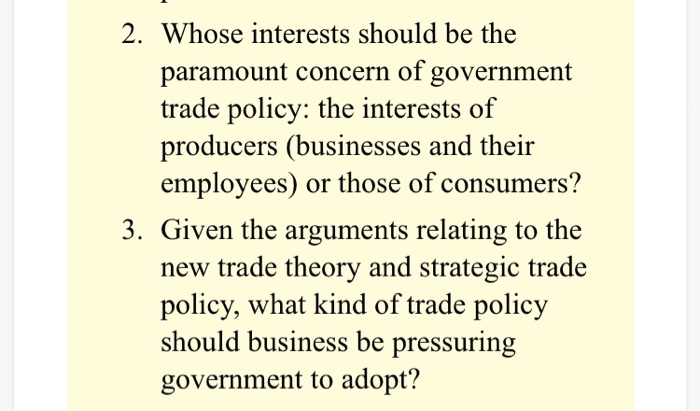
Question: correct grammar please 2. Whose interests should be the paramount concern of government trade policy: the interests of producers (businesses and their employees) or those

correct grammar please correct grammar please 2. Whose interests should
correct grammar please 2. Whose interests should
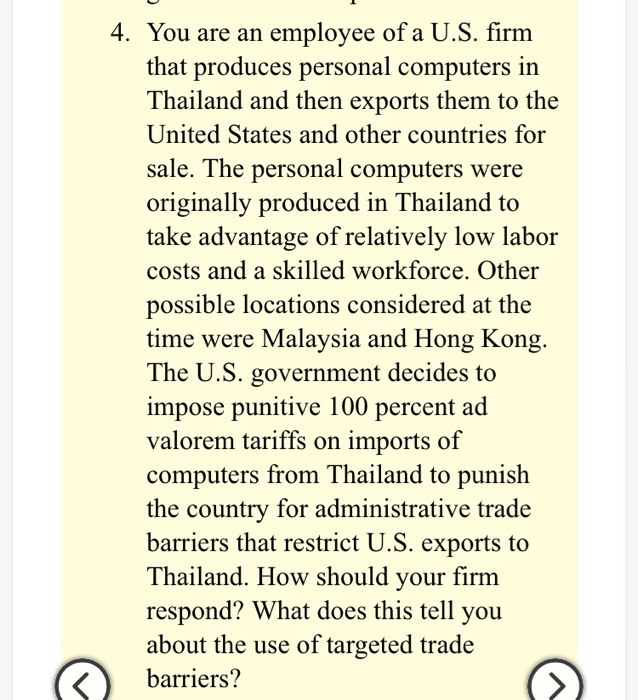
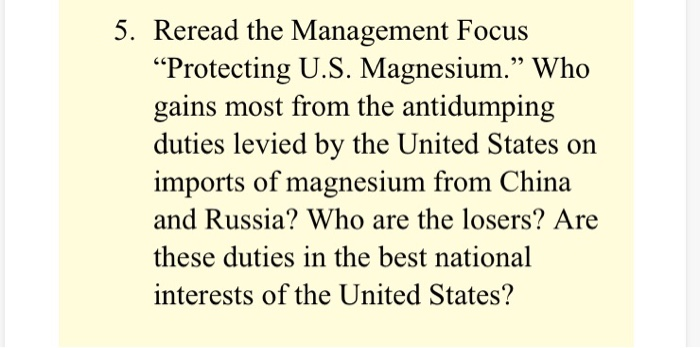
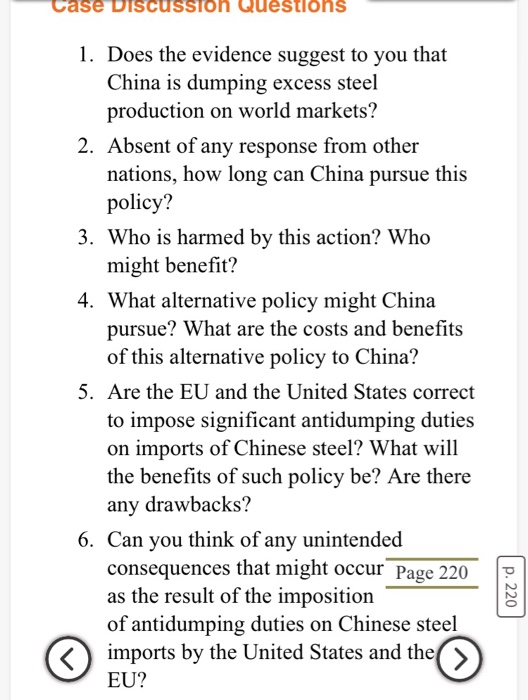
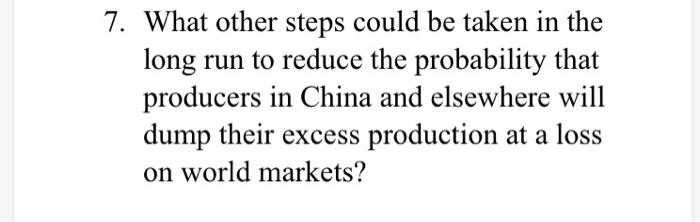
2. Whose interests should be the paramount concern of government trade policy: the interests of producers (businesses and their employees) or those of consumers? 3. Given the arguments relating to the new trade theory and strategic trade policy, what kind of trade policy should business be pressuring government to adopt? 4. You are an employee of a U.S. firm that produces personal computers in Thailand and then exports them to the United States and other countries for sale. The personal computers were originally produced in Thailand to take advantage of relatively low labor costs and a skilled workforce. Other possible locations considered at the time were Malaysia and Hong Kong. The U.S. government decides to impose punitive 100 percent ad valorem tariffs on imports of computers from Thailand to punish the country for administrative trade barriers that restrict U.S. exports to Thailand. How should your firm respond? What does this tell you about the use of targeted trade barriers? 5. Reread the Management Focus Protecting U.S. Magnesium. Who gains most from the antidumping duties levied by the United States on imports of magnesium from China and Russia? Who are the losers? Are these duties in the best national interests of the United States? Case Discussion Questlohs 1. Does the evidence suggest to you that China is dumping excess steel production on world markets? 2. Absent of any response from other nations, how long can China pursue this policy? 3. Who is harmed by this action? Who might benefit? 4. What alternative policy might China pursue? What are the costs and benefits of this alternative policy to China? 5. Are the EU and the United States correct to impose significant antidumping duties on imports of Chinese steel? What will the benefits of such policy be? Are there any drawbacks? 6. Can you think of any unintended consequences that might occur Page 220 as the result of the imposition of antidumping duties on Chinese steel imports by the United States and the EU? p. 220 7. What other steps could be taken in the long run to reduce the probability that producers in China and elsewhere will dump their excess production at a loss on world markets? 2. Whose interests should be the paramount concern of government trade policy: the interests of producers (businesses and their employees) or those of consumers? 3. Given the arguments relating to the new trade theory and strategic trade policy, what kind of trade policy should business be pressuring government to adopt? 4. You are an employee of a U.S. firm that produces personal computers in Thailand and then exports them to the United States and other countries for sale. The personal computers were originally produced in Thailand to take advantage of relatively low labor costs and a skilled workforce. Other possible locations considered at the time were Malaysia and Hong Kong. The U.S. government decides to impose punitive 100 percent ad valorem tariffs on imports of computers from Thailand to punish the country for administrative trade barriers that restrict U.S. exports to Thailand. How should your firm respond? What does this tell you about the use of targeted trade barriers? 5. Reread the Management Focus Protecting U.S. Magnesium. Who gains most from the antidumping duties levied by the United States on imports of magnesium from China and Russia? Who are the losers? Are these duties in the best national interests of the United States? Case Discussion Questlohs 1. Does the evidence suggest to you that China is dumping excess steel production on world markets? 2. Absent of any response from other nations, how long can China pursue this policy? 3. Who is harmed by this action? Who might benefit? 4. What alternative policy might China pursue? What are the costs and benefits of this alternative policy to China? 5. Are the EU and the United States correct to impose significant antidumping duties on imports of Chinese steel? What will the benefits of such policy be? Are there any drawbacks? 6. Can you think of any unintended consequences that might occur Page 220 as the result of the imposition of antidumping duties on Chinese steel imports by the United States and the EU? p. 220 7. What other steps could be taken in the long run to reduce the probability that producers in China and elsewhere will dump their excess production at a loss on world markets

Step by Step Solution

There are 3 Steps involved in it

1 Expert Approved Answer
Step: 1 Unlock blur-text-image

Question Has Been Solved by an Expert!

Get step-by-step solutions from verified subject matter experts

Step: 2 Unlock
Step: 3 Unlock

Students Have Also Explored These Related General Management Questions!