







Question: Discussion Define what it is and when a debtor is normally entitled to a discharge under that chapter. Is there an ethical argument to be
Discussion
Define what it is and when a debtor is normally entitled to a discharge under that chapter. Is there an ethical argument to be made that would limit the option of filing for bankruptcy? What is an undue hardship and when is it applicable to your chosen chapter? Do you believe bankruptcy as a choice is a good option for an over-extended debtor? Why or why not?
Book: Business Law Today, The Essentials: Text and Summarized Cases (13th Ed.)
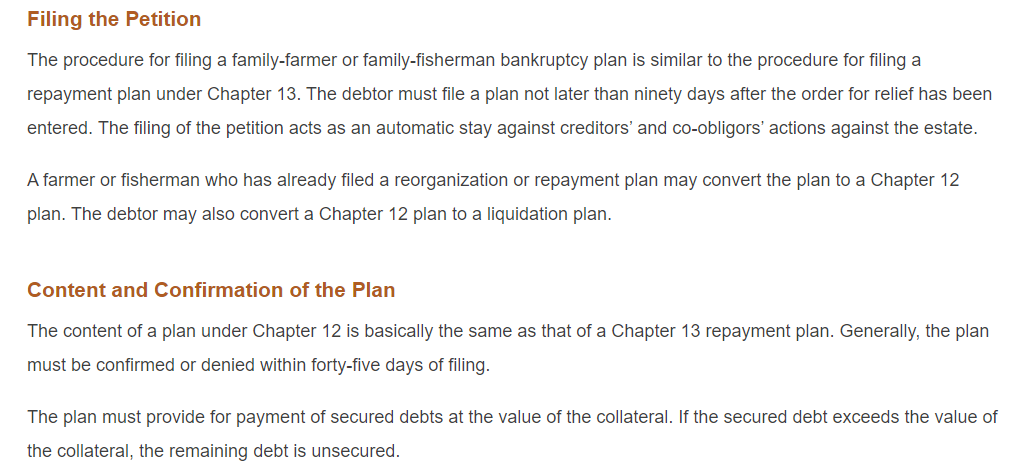
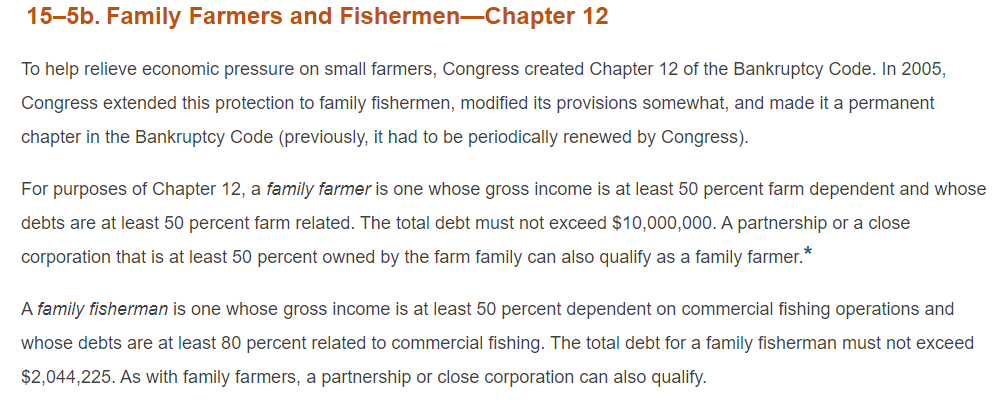
Filing the Petition The procedure for ling a family-farmer or family-shen'nan bankruptcy plan is similar to the procedure for ling a repayment plan under Chapter 13. The debtor must le a plan not later than ninety days after the order for relief has been entered. The ling of the petition acts as an automatic stay against creditors' and co-obligors' actions against the estate. Afarmer or sherman who has already led a reorganization or repayment plan may convert the plan to a Chapter 12 plan. The debtor may also convert a Chapter 12 plan to a liquidation plan. Content and Confirmation of the Plan The content of a plan under Chapter 12 is basically the same as that of a Chapter 13 repayment plan. Generally, the plan must be conrmed or denied within forty-ve days ofling. The plan must provide for payment of secured debts at the value of the collateral. If the secured debt exceeds the value of the collateral, the remaining debt is unsecured. 155b. Family Farmers and FishermenChapter 12 To help relieve economic pressure on small farmers, Congress created Chapter 12 of the Bankruptcy Code. In 2005, Congress extended this protection to family shermen, modied its provisions somewhat, and made it a permanent chapter in the Bankruptcy Code (previously, it had to be periodically renewed by Congress). For purposes of Chapter 12, a family farmeris one whose gross income is at least 50 percent farm dependent and whose debts are at least 50 percent farm related. The total debt must not exceed $10,000,000. A partnership or a close corporation that is at least 50 percent owned by the farm family can also qualify as a family fan'ner.* A family sherman is one whose gross income is at least 50 percent dependent on commercial shing operations and whose debts are at least 80 percent related to commercial shing. The total debt for a family sherman must not exceed $2,044,225. As with family farmers, a partnership or close corporation can also qualify
Step by Step Solution
There are 3 Steps involved in it

Get step-by-step solutions from verified subject matter experts
 Study Help