







Question: DO NOT TAP GLASS ELODEA NORMAL CELLS PLASMOLYZED CELLS Thought Questions: A) Diffusion of a Gas in a Gas 2) Which students detected the
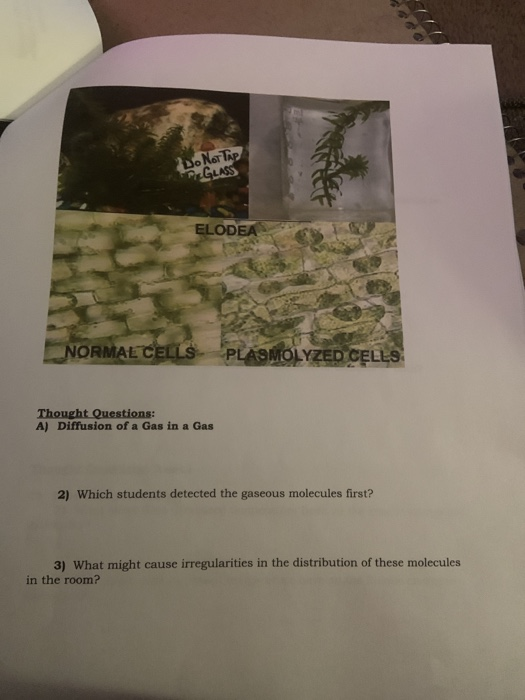
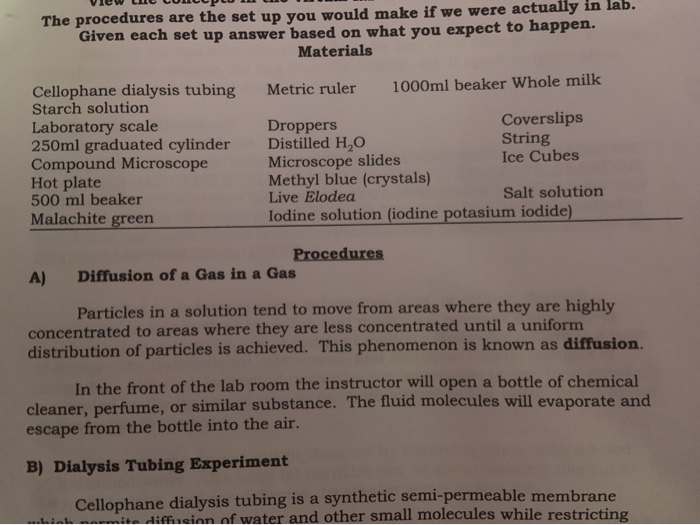
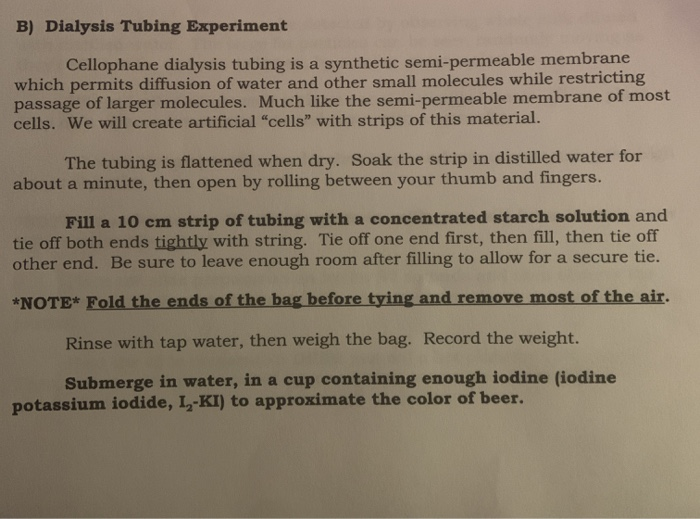
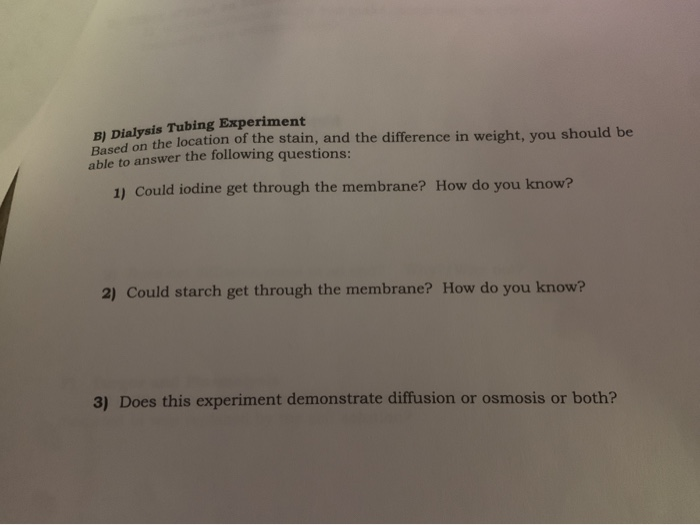
DO NOT TAP GLASS ELODEA NORMAL CELLS PLASMOLYZED CELLS Thought Questions: A) Diffusion of a Gas in a Gas 2) Which students detected the gaseous molecules first? 3) What might cause irregularities in the distribution of these molecules in the room? The procedures are the set up you would make if we were actually in lab. Given each set up answer based on what you expect to happen. Materials Cellophane dialysis tubing Starch solution Laboratory scale 250ml graduated cylinder Compound Microscope Hot plate 500 ml beaker Malachite green A) Metric ruler 1000ml beaker Whole milk Coverslips String Ice Cubes Droppers Distilled HO Microscope slides Methyl blue (crystals) Live Elodea Salt solution Iodine solution (iodine potasium iodide) Procedures Diffusion of a Gas in a Gas Particles in a solution tend to move from areas where they are highly concentrated to areas where they are less concentrated until a uniform distribution of particles is achieved. This phenomenon is known as diffusion. In the front of the lab room the instructor will open a bottle of chemical cleaner, perfume, or similar substance. The fluid molecules will evaporate and escape from the bottle into the air. B) Dialysis Tubing Experiment Cellophane dialysis tubing is a synthetic semi-permeable membrane which nermite diffusion of water and other small molecules while restricting B) Dialysis Tubing Experiment Cellophane dialysis tubing is a synthetic semi-permeable membrane which permits diffusion of water and other small molecules while restricting passage of larger molecules. Much like the semi-permeable membrane of most cells. We will create artificial "cells" with strips of this material. The tubing is flattened when dry. Soak the strip in distilled water for about a minute, then open by rolling between your thumb and fingers. Fill a 10 cm strip of tubing with a concentrated starch solution and tie off both ends tightly with string. Tie off one end first, then fill, then tie off other end. Be sure to leave enough room after filling to allow for a secure tie. *NOTE* Fold the ends of the bag before tying and remove most of the air. Rinse with tap water, then weigh the bag. Record the weight. Submerge in water, in a cup containing enough iodine (iodine potassium iodide, L-KI) to approximate the color of beer. B) Dialysis Tubing Experiment Based on the location of the stain, and the difference in weight, you should be able to answer the following questions: 1) Could iodine get through the membrane? How do you know? 2) Could starch get through the membrane? How do you know? 3) Does this experiment demonstrate diffusion or osmosis or both?
Step by Step Solution
3.63 Rating (153 Votes )
There are 3 Steps involved in it
The detailed answer for the above question is provided below Answ... View full answer

Get step-by-step solutions from verified subject matter experts
 Study Help