







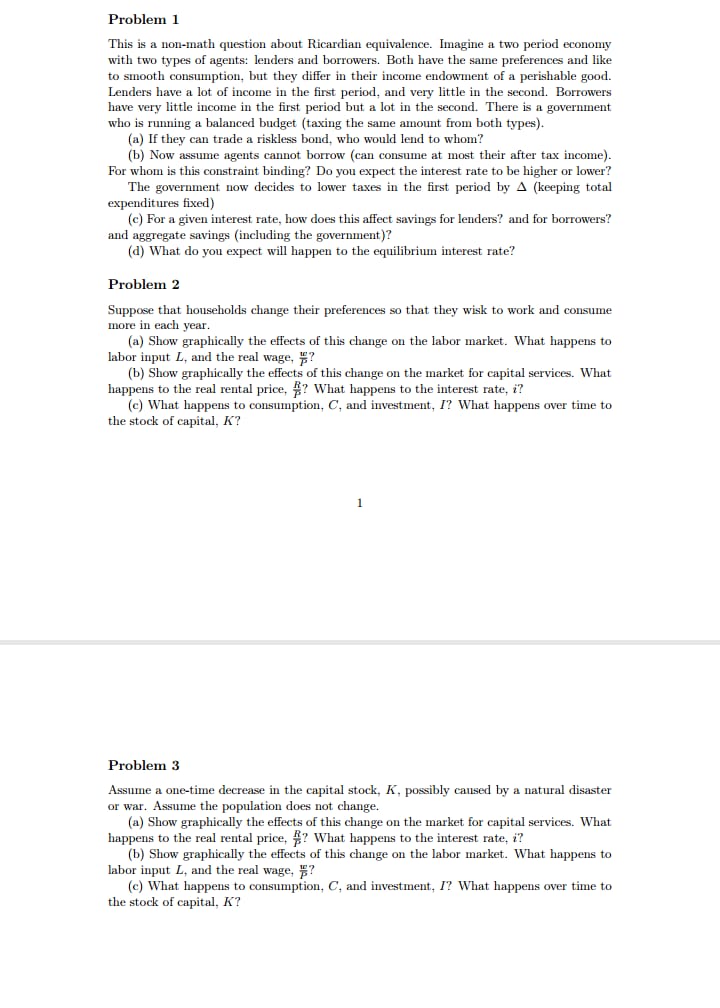
Question: eco qwr... please answer ... show calculations Problem 1 This is a non-math question about Ricardian equivalence. Imagine a two period economy with two types
eco qwr... please answer ... show calculations
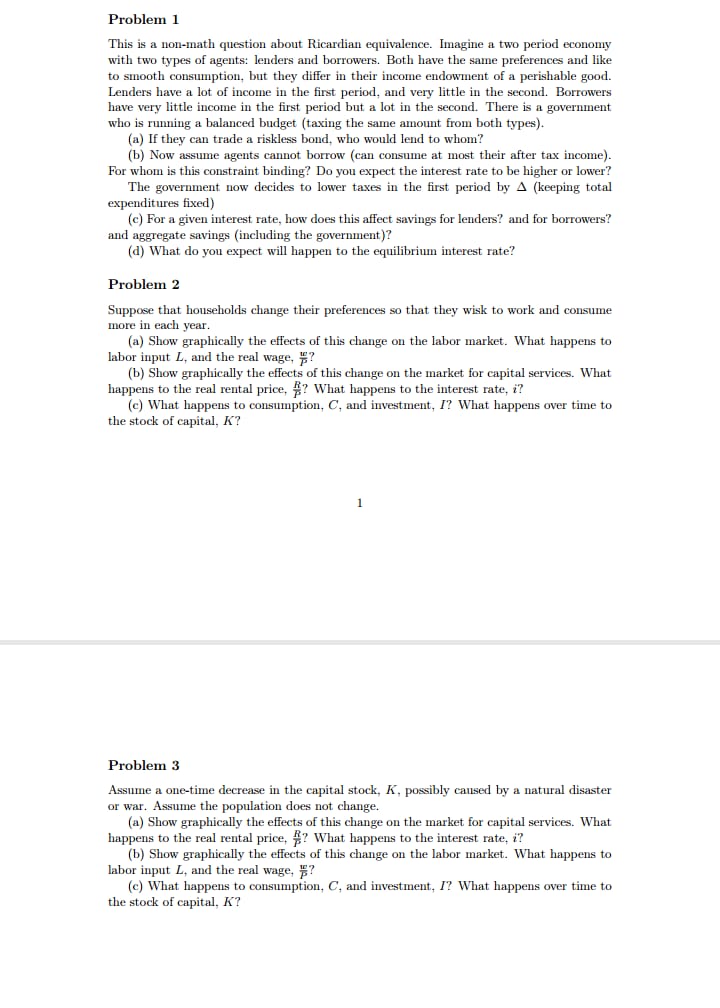
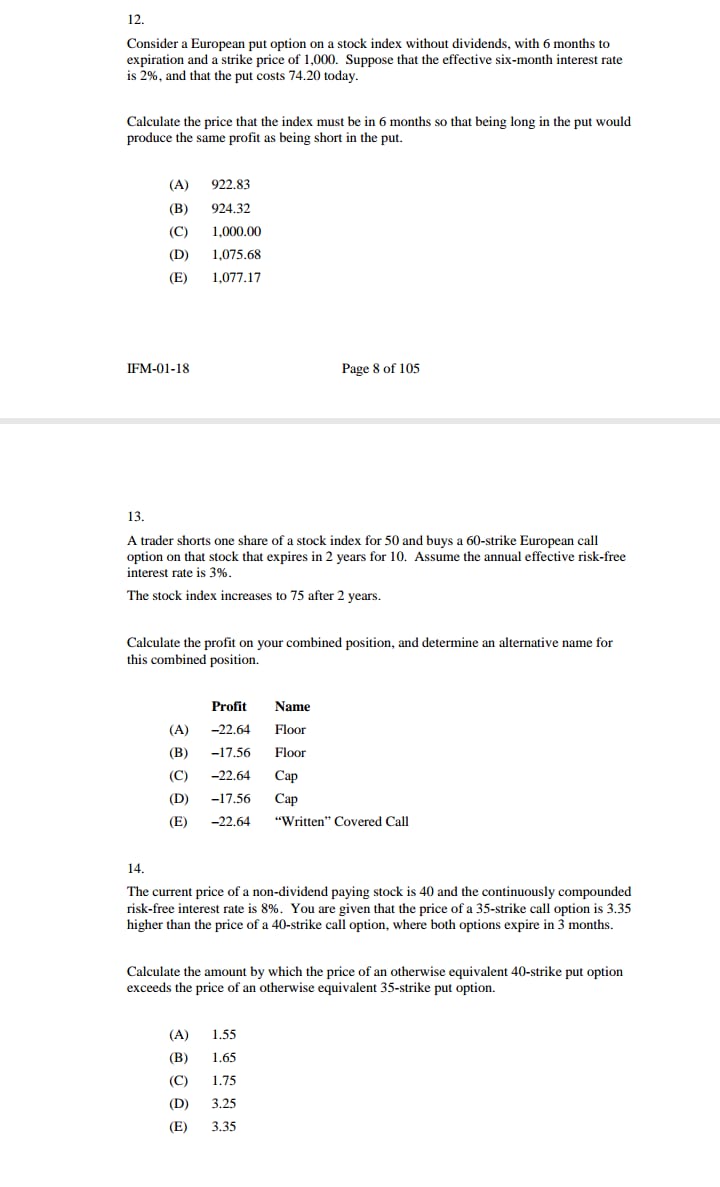
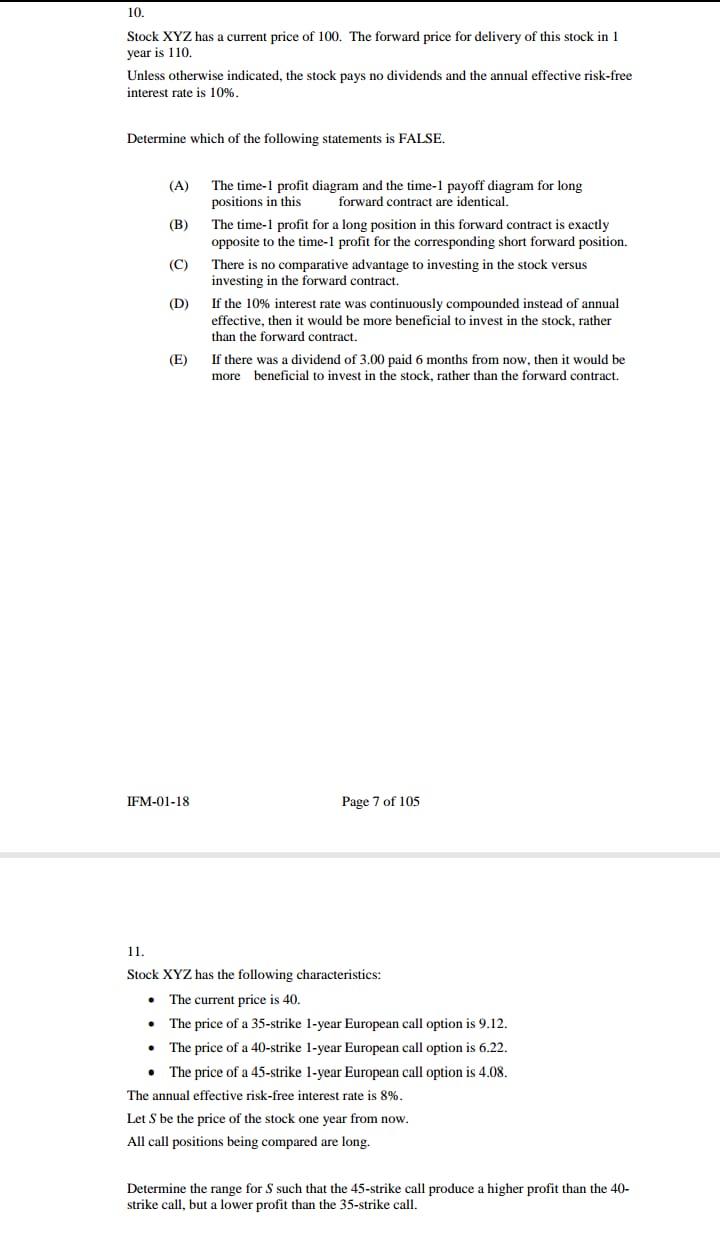
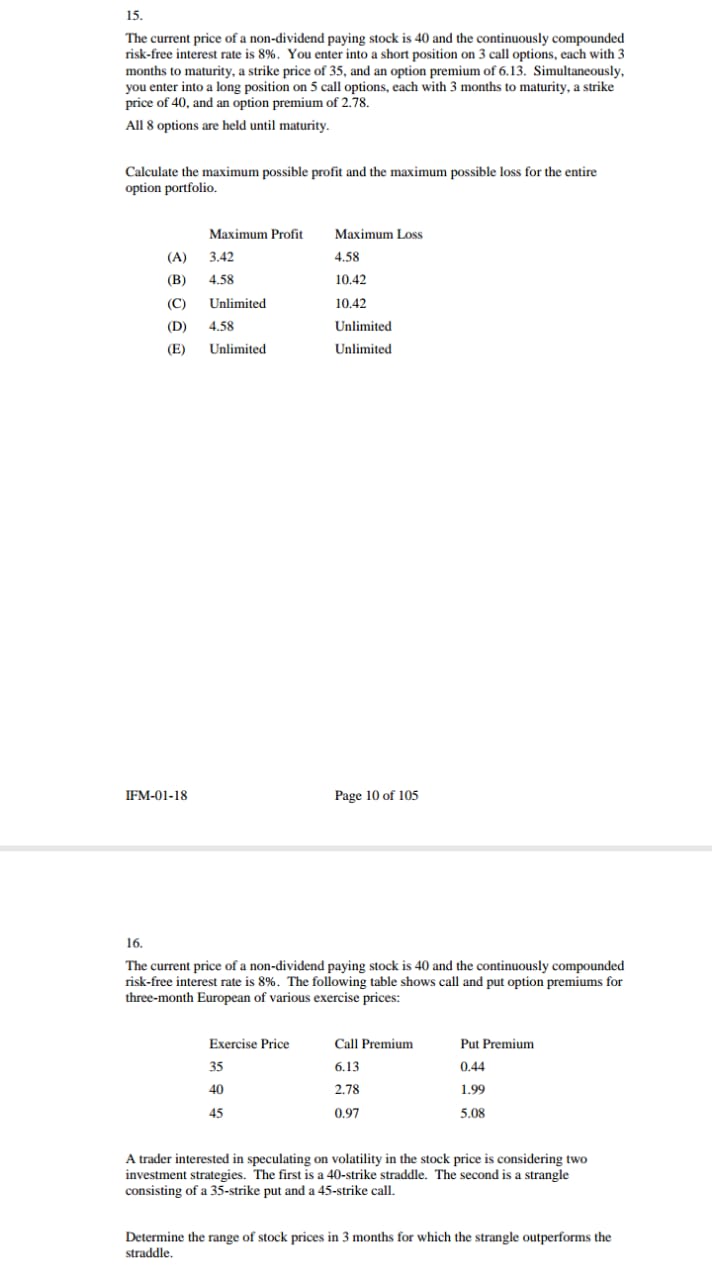
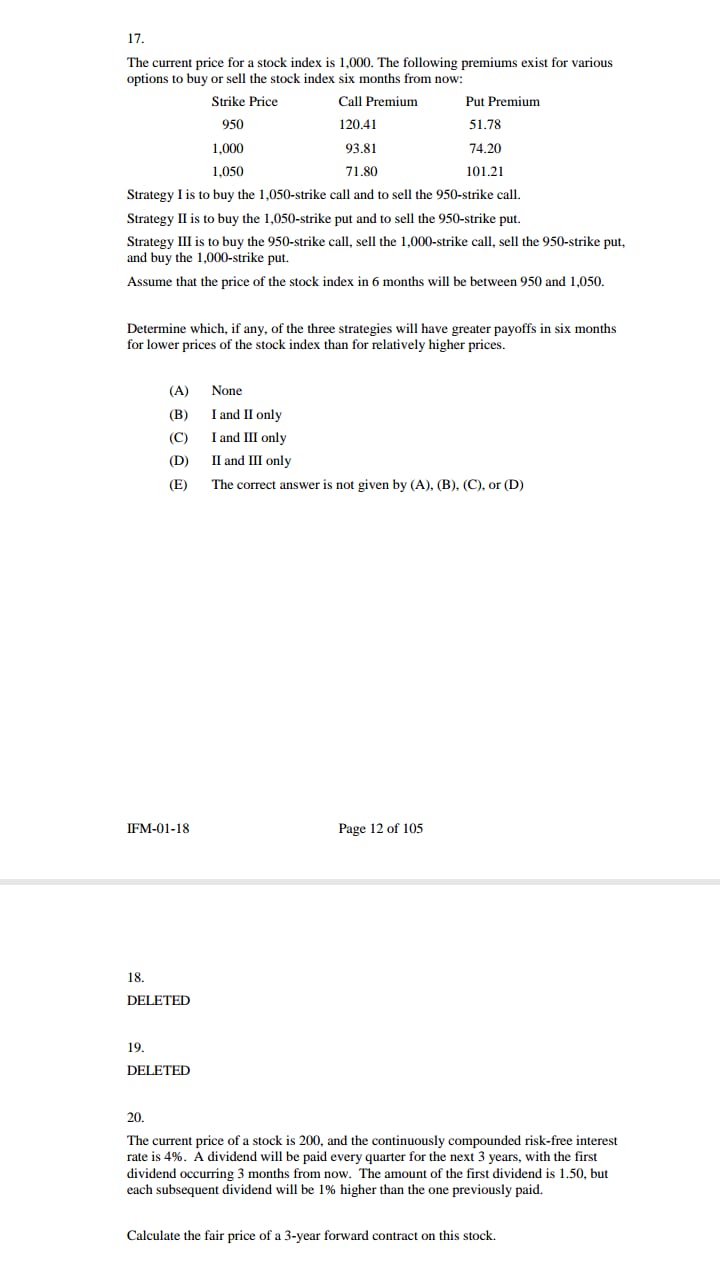
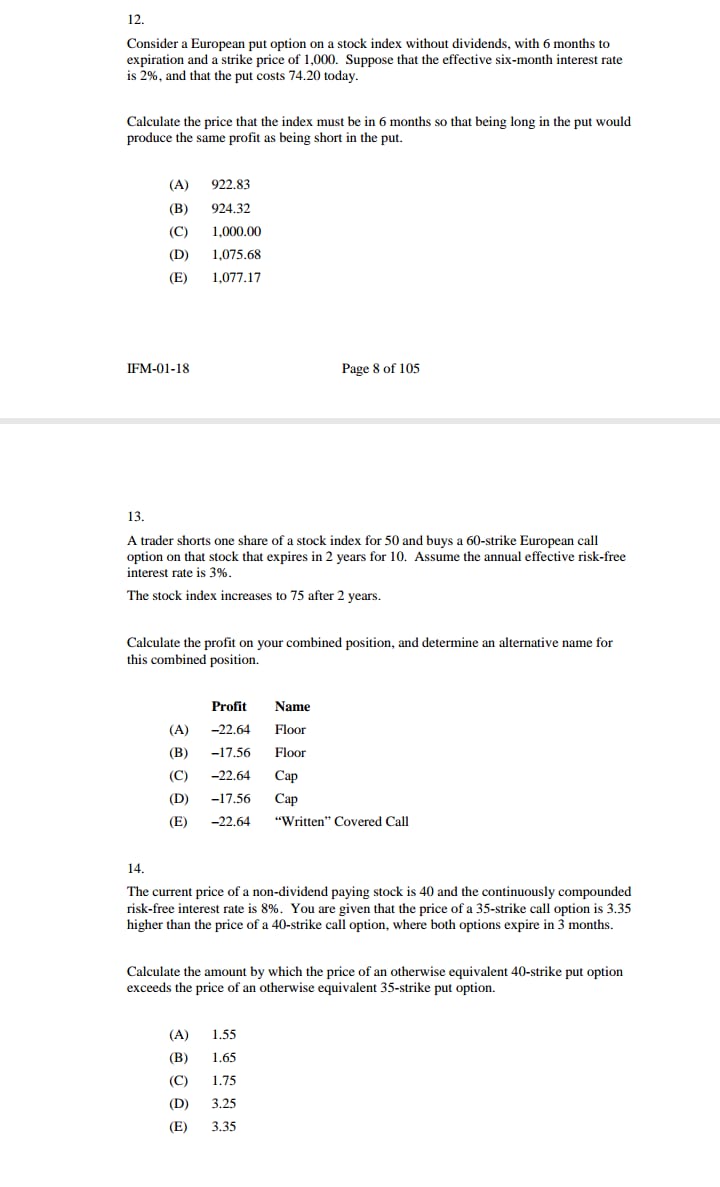
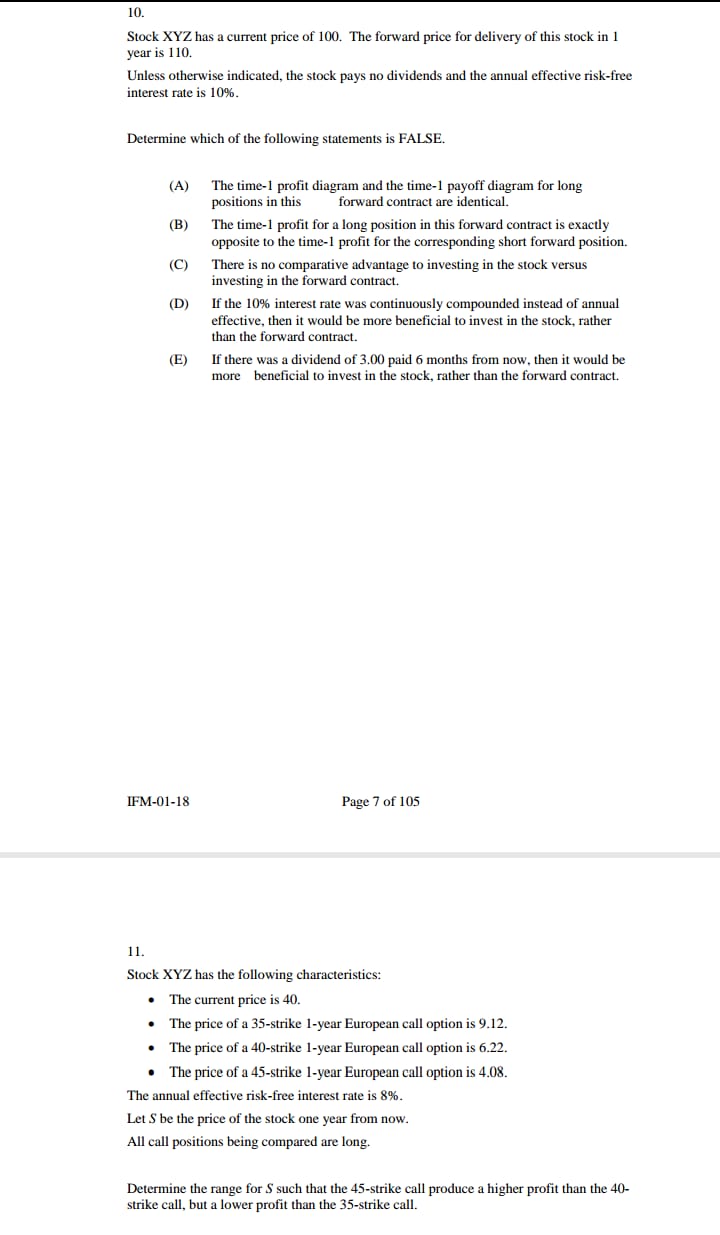
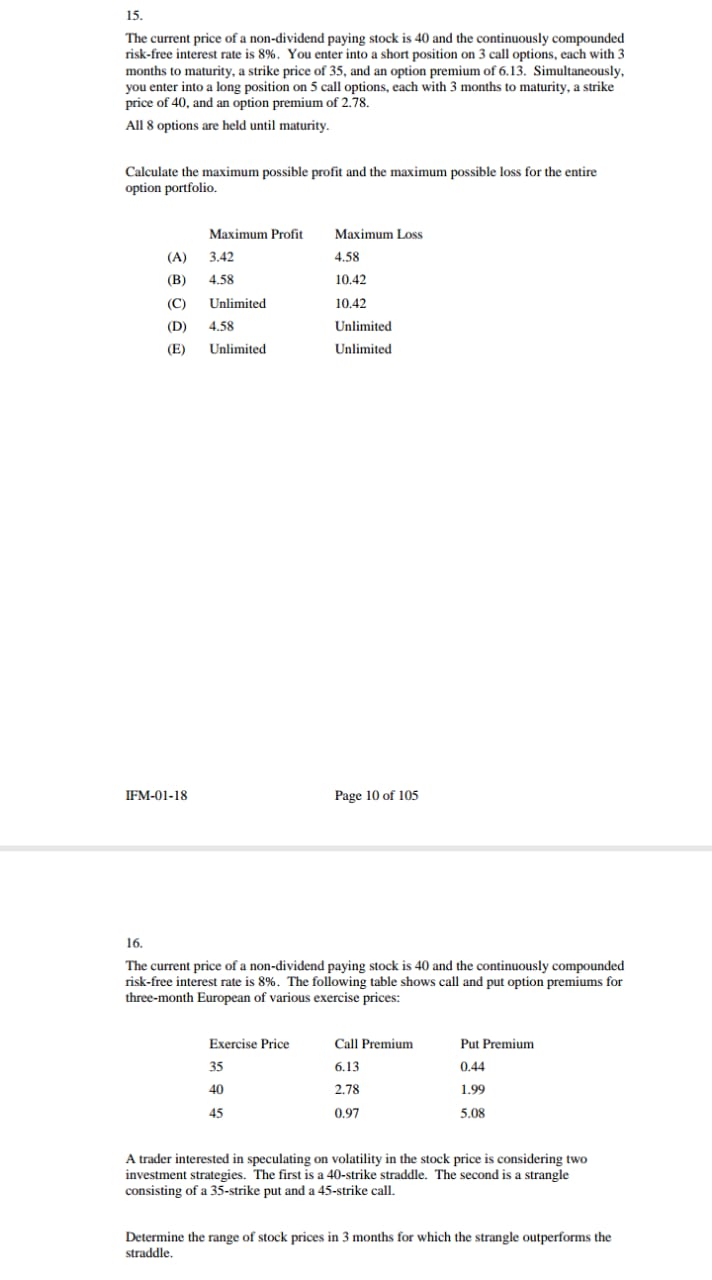
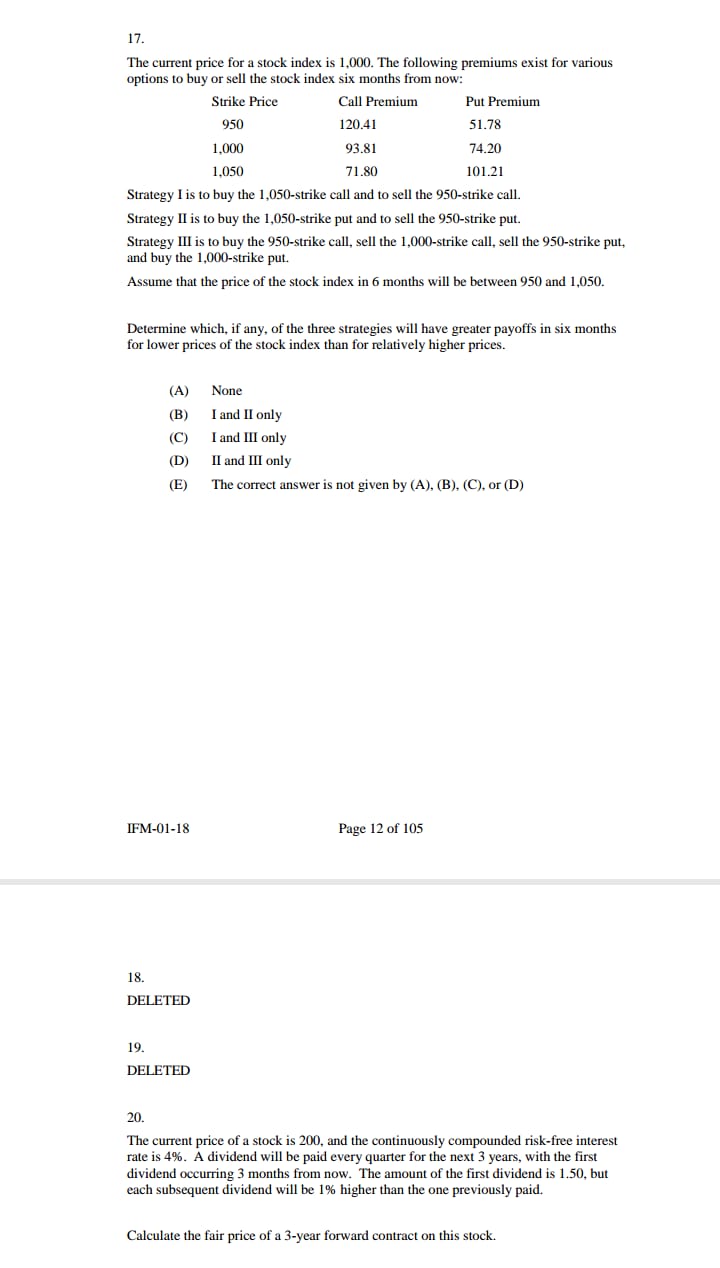
Problem 1 This is a non-math question about Ricardian equivalence. Imagine a two period economy with two types of agents: lenders and borrowers. Both have the same preferences and like to smooth consumption, but they differ in their income endowment of a perishable good. Lenders have a lot of income in the first period, and very little in the second. Borrowers have very little income in the first period but a lot in the second. There is a government who is running a balanced budget (taxing the same amount from both types). (a) If they can trade a riskless bond, who would lend to whom? (b) Now assume agents cannot borrow (can consume at most their after tax income). For whom is this constraint binding? Do you expect the interest rate to be higher or lower? The government now decides to lower taxes in the first period by A (keeping total expenditures fixed) (c) For a given interest rate, how does this affect savings for lenders? and for borrowers? and aggregate savings (including the government )? (d) What do you expect will happen to the equilibrium interest rate? Problem 2 Suppose that households change their preferences so that they wisk to work and consume more in each year. (a) Show graphically the effects of this change on the labor market. What happens to labor input L, and the real wage, ;? (b) Show graphically the effects of this change on the market for capital services. What happens to the real rental price, ? What happens to the interest rate, i? (c) What happens to consumption, C, and investment, I? What happens over time to the stock of capital, K? Problem 3 Assume a one-time decrease in the capital stock, K, possibly caused by a natural disaster or war. Assume the population does not change. (a) Show graphically the effects of this change on the market for capital services. What happens to the real rental price, #? What happens to the interest rate, i? (b) Show graphically the effects of this change on the labor market. What happens to labor input L, and the real wage, "? (c) What happens to consumption, C, and investment, I? What happens over time to the stock of capital, K?12. Consider a European put option on a stock index without dividends, with 6 months to expiration and a strike price of 1,000. Suppose that the effective six-month interest rate is 2%, and that the put costs 74.20 today. Calculate the price that the index must be in 6 months so that being long in the put would produce the same profit as being short in the put. (A) 922.83 (B) 924.32 (C) 1,000.00 (D) 1,075.68 (E) 1,077.17 IFM-01-18 Page 8 of 105 13. A trader shorts one share of a stock index for 50 and buys a 60-strike European call option on that stock that expires in 2 years for 10. Assume the annual effective risk-free interest rate is 3%. The stock index increases to 75 after 2 years. Calculate the profit on your combined position, and determine an alternative name for this combined position. Profit Name (A) -22.64 Floor (B) -17.56 Floor (C) -22.64 Cap (D) -17.56 Cap (E) -22.64 "Written" Covered Call 14. The current price of a non-dividend paying stock is 40 and the continuously compounded risk-free interest rate is 8%. You are given that the price of a 35-strike call option is 3.35 higher than the price of a 40-strike call option, where both options expire in 3 months. Calculate the amount by which the price of an otherwise equivalent 40-strike put option exceeds the price of an otherwise equivalent 35-strike put option. (A) 1.55 (B) 1.65 (C) 1.75 (D) 3.25 (E) 3.3510. Stock XYZ has a current price of 100. The forward price for delivery of this stock in 1 year is 110. Unless otherwise indicated, the stock pays no dividends and the annual effective risk-free interest rate is 10%. Determine which of the following statements is FALSE. (A) The time-1 profit diagram and the time-1 payoff diagram for long positions in this forward contract are identical. (B) The time-1 profit for a long position in this forward contract is exactly opposite to the time-1 profit for the corresponding short forward position. (C) There is no comparative advantage to investing in the stock versus investing in the forward contract. (D) If the 10% interest rate was continuously compounded instead of annual effective, then it would be more beneficial to invest in the stock, rather than the forward contract. (E) If there was a dividend of 3.00 paid 6 months from now, then it would be more beneficial to invest in the stock, rather than the forward contract. IFM-01-18 Page 7 of 105 11. Stock XYZ has the following characteristics: The current price is 40. The price of a 35-strike 1-year European call option is 9.12. . The price of a 40-strike 1-year European call option is 6.22. . The price of a 45-strike 1-year European call option is 4.08. The annual effective risk-free interest rate is 8%. Let S be the price of the stock one year from now. All call positions being compared are long. Determine the range for S such that the 45-strike call produce a higher profit than the 40- strike call, but a lower profit than the 35-strike call.15. The current price of a non-dividend paying stock is 40 and the continuously compounded risk-free interest rate is 8%. You enter into a short position on 3 call options, each with 3 months to maturity, a strike price of 35, and an option premium of 6.13. Simultaneously, you enter into a long position on 5 call options, each with 3 months to maturity, a strike price of 40, and an option premium of 2.78. All 8 options are held until maturity. Calculate the maximum possible profit and the maximum possible loss for the entire option portfolio. Maximum Profit Maximum Loss 3.42 4.58 (B) 4.58 10.42 (C) Unlimited 10.42 (D) 4.58 Unlimited (E) Unlimited Unlimited IFM-01-18 Page 10 of 105 16. The current price of a non-dividend paying stock is 40 and the continuously compounded risk-free interest rate is 8%. The following table shows call and put option premiums for three-month European of various exercise prices: Exercise Price Call Premium Put Premium 35 6.13 0.44 40 2.78 1.99 45 0.97 5.08 A trader interested in speculating on volatility in the stock price is considering two investment strategies. The first is a 40-strike straddle. The second is a strangle consisting of a 35-strike put and a 45-strike call. Determine the range of stock prices in 3 months for which the strangle outperforms the straddle,17. The current price for a stock index is 1,000. The following premiums exist for various options to buy or sell the stock index six months from now: Strike Price Call Premium Put Premium 950 120.41 51.78 1,000 93.81 74.20 1,050 71.80 101.21 Strategy I is to buy the 1,050-strike call and to sell the 950-strike call. Strategy II is to buy the 1,050-strike put and to sell the 950-strike put. Strategy III is to buy the 950-strike call, sell the 1,000-strike call, sell the 950-strike put, and buy the 1,000-strike put. Assume that the price of the stock index in 6 months will be between 950 and 1,050. Determine which, if any, of the three strategies will have greater payoffs in six months for lower prices of the stock index than for relatively higher prices. None (B) I and II only (C) I and III only (D) II and III only (E) The correct answer is not given by (A), (B). (C), or (D) IFM-01-18 Page 12 of 105 18. DELETED 19. DELETED 20. The current price of a stock is 200, and the continuously compounded risk-free interest rate is 4%. A dividend will be paid every quarter for the next 3 years, with the first dividend occurring 3 months from now. The amount of the first dividend is 1.50, but each subsequent dividend will be 1% higher than the one previously paid. Calculate the fair price of a 3-year forward contract on this stock
Step by Step Solution
There are 3 Steps involved in it

Get step-by-step solutions from verified subject matter experts
 Study Help