



Question: In contrast, Barangay Real de Cacarong is an upland community where agriculture is a major source of income and livelihood. Other working members of
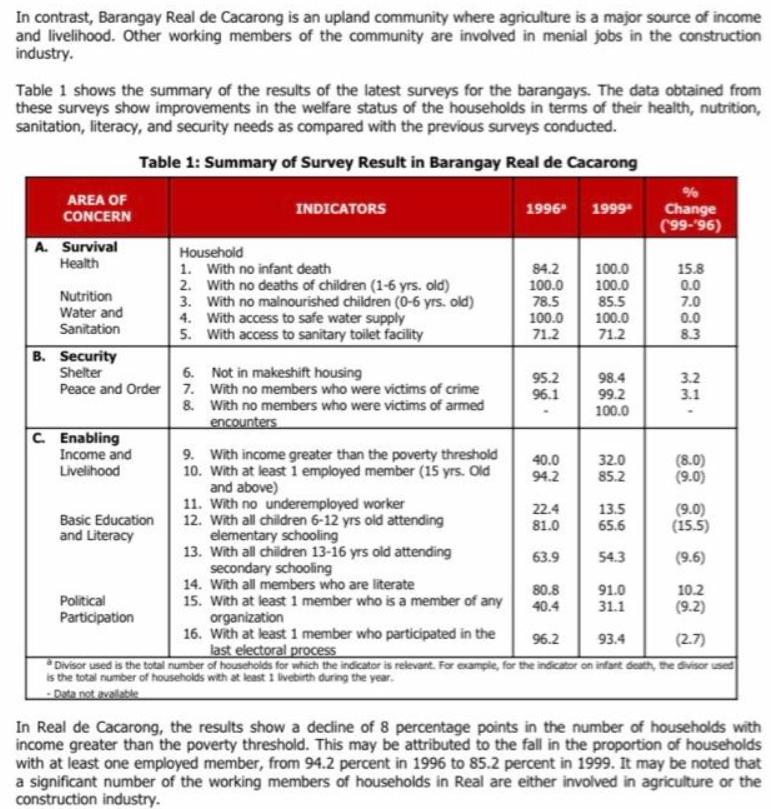
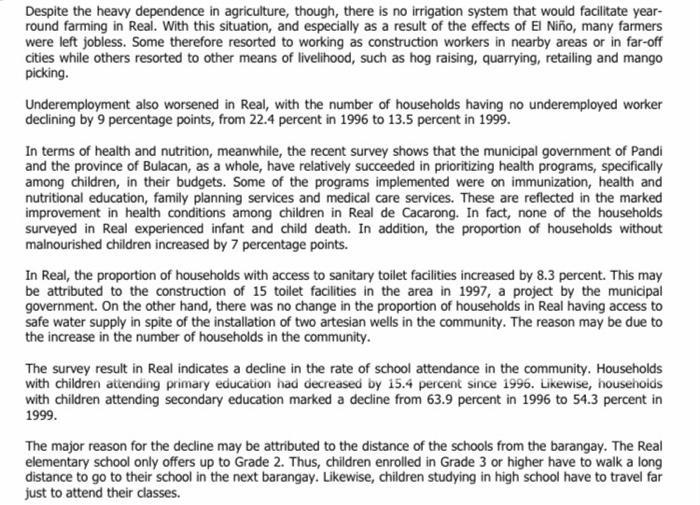
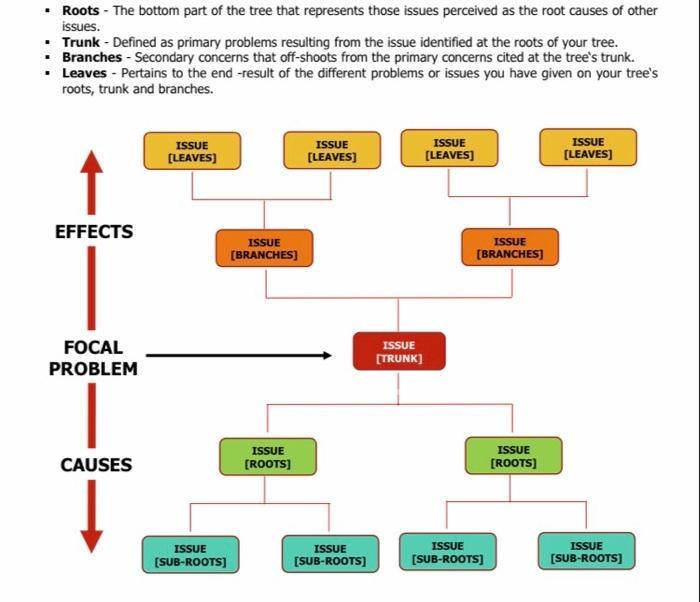
In contrast, Barangay Real de Cacarong is an upland community where agriculture is a major source of income and livelihood. Other working members of the community are involved in menial jobs in the construction industry. Table 1 shows the summary of the results of the latest surveys for the barangays. The data obtained from these surveys show improvements in the welfare status of the households in terms of their health, nutrition, sanitation, literacy, and security needs as compared with the previous surveys conducted. Table 1: Summary of Survey Result in Barangay Real de Cacarong AREA OF CONCERN A. Survival Health Nutrition Water and Sanitation B. Security Shelter C. Enabling Income and Livelihood 6. Peace and Order 7. 8. Basic Education and Literacy Political Participation Household 1. With no infant death 2. With no deaths of children (1-6 yrs. old) With no malnourished children (0-6 yrs. old) With access to safe water supply 3. With access to sanitary toilet facility 4. 5. INDICATORS Not in makeshift housing With no members who were victims of crime With no members who were victims of armed encounters 9. With income greater than the poverty threshold 10. With at least 1 employed member (15 yrs. Old and above) 11. With no underemployed worker 12. With all children 6-12 yrs old attending elementary schooling 13. With all children 13-16 yrs old attending secondary schooling 14. With all members who are literate 15. With at least 1 member who is a member of any organization 16. With at least 1 member who participated in the last electoral process 1996 1999 84.2 100.0 78.5 85.5 100.0 100.0 71.2 71.2 95.2 96.1 40.0 94.2 22.4 81.0 63.9 100.0 100.0 80.8 40.4 98.4 99.2 100.0 32.0 85.2 13.5 65.6 54.3 91.0 31.1 % Change (99-'96) 15.8 0.0 7.0 0.0 8.3 3.2 3.1 . (8.0) (9.0) (9.0) (15.5) (9.6) 10.2 (9.2) 96.2 93.4 (2.7) Divisor used is the total number of households for which the indicator is relevant. For example, for the indicator on infant death, the divisor used is the total number of households with at least 1 livebirth during the year. -Data not available In Real de Cacarong, the results show a decline of 8 percentage points in the number of households with income greater than the poverty threshold. This may be attributed to the fall in the proportion of households with at least one employed member, from 94.2 percent in 1996 to 85.2 percent in 1999. It may be noted that a significant number of the working members of households in Real are either involved in agriculture or the construction industry. Despite the heavy dependence in agriculture, though, there is no irrigation system that would facilitate year- round farming in Real. With this situation, and especially as a result of the effects of El Nio, many farmers were left jobless. Some therefore resorted to working as construction workers in nearby areas or in far-off cities while others resorted to other means of livelihood, such as hog raising, quarrying, retailing and mango picking. Underemployment also worsened in Real, with the number of households having no underemployed worker declining by 9 percentage points, from 22.4 percent in 1996 to 13.5 percent in 1999. In terms of health and nutrition, meanwhile, the recent survey shows that the municipal government of Pandi and the province of Bulacan, as a whole, have relatively succeeded in prioritizing health programs, specifically among children, in their budgets. Some of the programs implemented were on immunization, health and nutritional education, family planning services and medical care services. These are reflected in the marked improvement in health conditions among children in Real de Cacarong. In fact, none of the households surveyed in Real experienced infant and child death. In addition, the proportion of households without malnourished children increased by 7 percentage points. In Real, the proportion of households with access to sanitary toilet facilities increased by 8.3 percent. This may be attributed to the construction of 15 toilet facilities in the area in 1997, a project by the municipal government. On the other hand, there was no change in the proportion of households in Real having access to safe water supply in spite of the installation of two artesian wells in the community. The reason may be due to the increase in the number of households in the community. The survey result in Real indicates a decline in the rate of school attendance in the community. Households with children attending primary education had decreased by 15.4 percent since 1996. Likewise, households with children attending secondary education marked a decline from 63.9 percent in 1996 to 54.3 percent in 1999. The major reason for the decline may be attributed to the distance of the schools from the barangay. The Real elementary school only offers up to Grade 2. Thus, children enrolled in Grade 3 or higher have to walk a long distance to go to their school in the next barangay. Likewise, children studying in high school have to travel far just to attend their classes. Roots - The bottom part of the tree that represents those issues perceived as the root causes of other issues. Trunk - Defined as primary problems resulting from the issue identified at the roots of your tree. Branches - Secondary concerns that off-shoots from the primary concerns cited at the tree's trunk. . Leaves - Pertains to the end -result of the different problems or issues you have given on your tree's roots, trunk and branches. EFFECTS FOCAL PROBLEM CAUSES ISSUE [LEAVES] ISSUE [SUB-ROOTS] ISSUE [BRANCHES] ISSUE [ROOTS] ISSUE [LEAVES] ISSUE [SUB-ROOTS] ISSUE [LEAVES] ISSUE [TRUNK] ISSUE [BRANCHES] ISSUE [SUB-ROOTS] ISSUE [ROOTS] ISSUE [LEAVES] ISSUE [SUB-ROOTS]
Step by Step Solution
3.49 Rating (159 Votes )
There are 3 Steps involved in it
1 Focal Problem many are jobless Effects Income greater than the Poverty thresh... View full answer

Get step-by-step solutions from verified subject matter experts