Question: EXPERIMENT 2: ELECTROSTATIC FORCES AND COULOMBS LAW Objective: To study the electric forces between charged particles and determine the form of Coulomb's Law of electrostatic

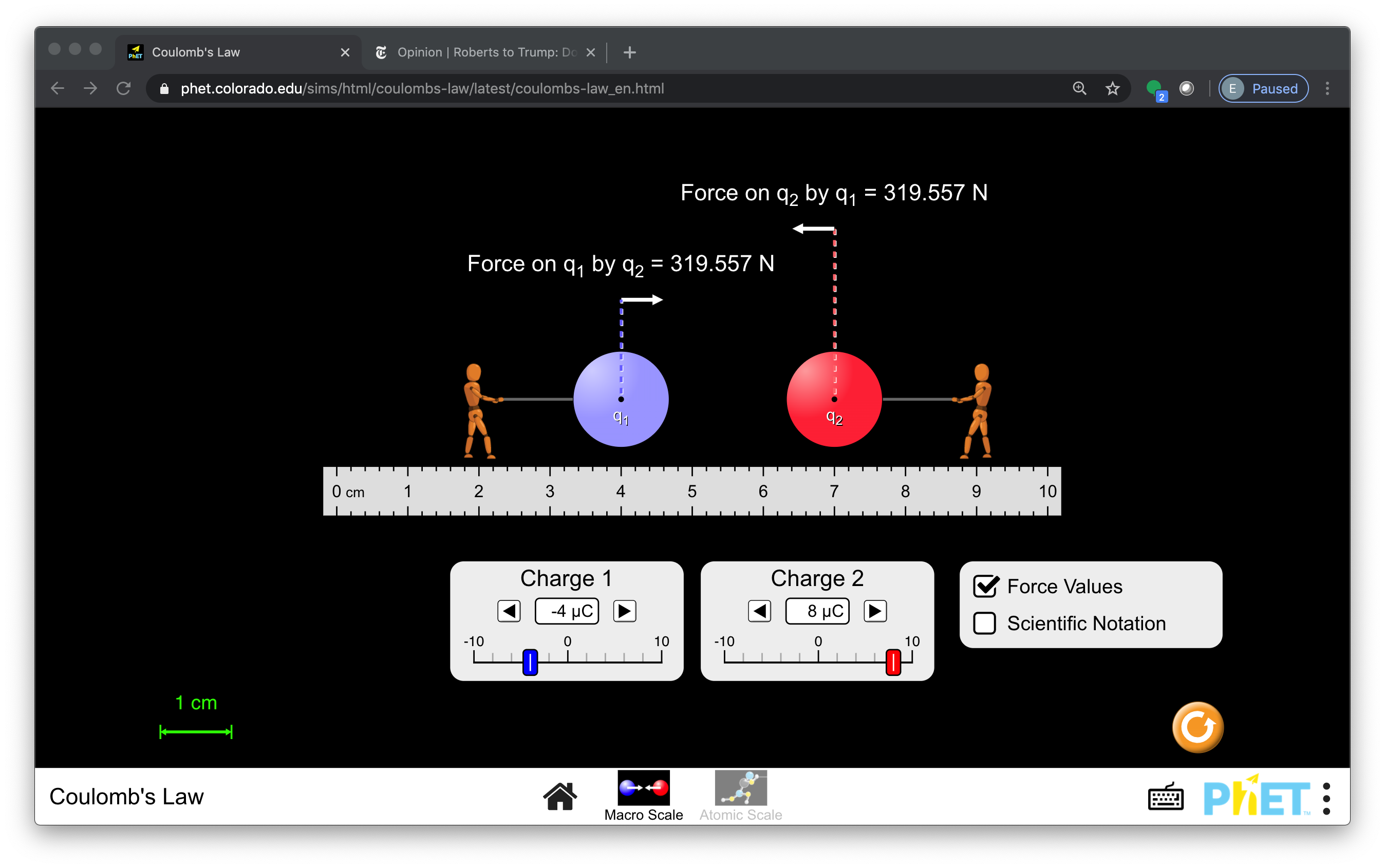
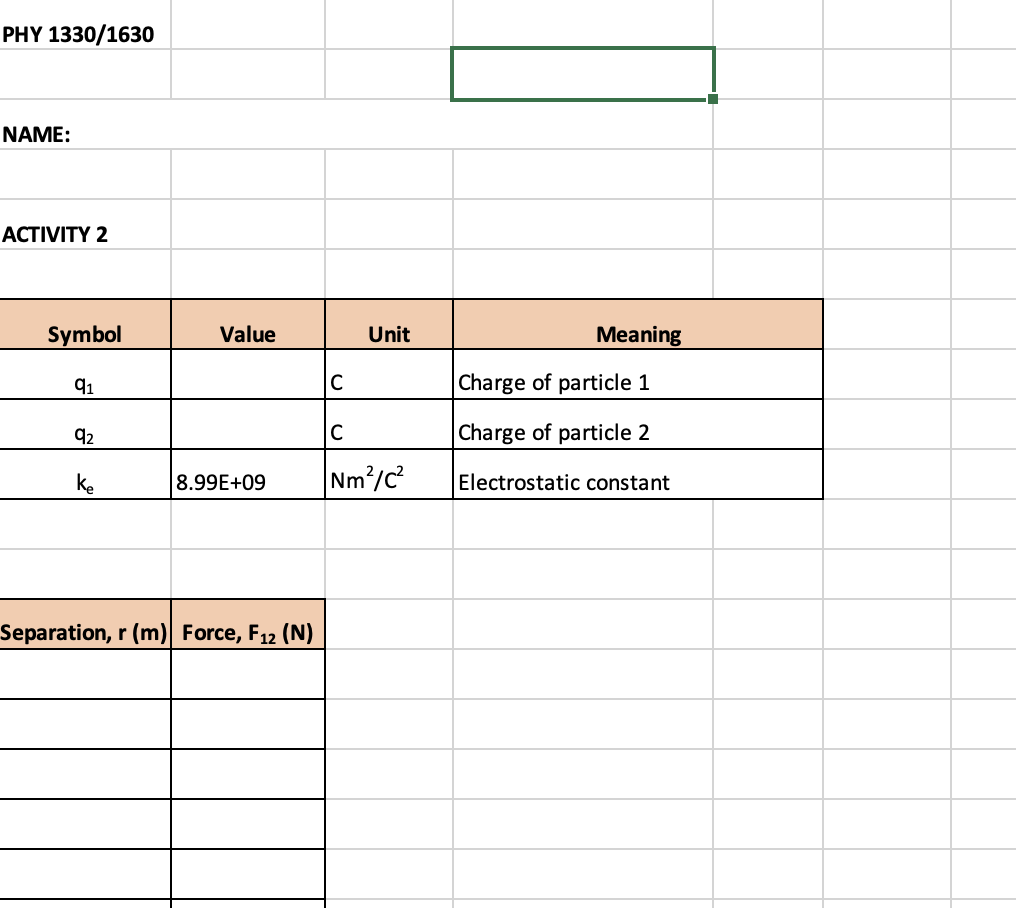
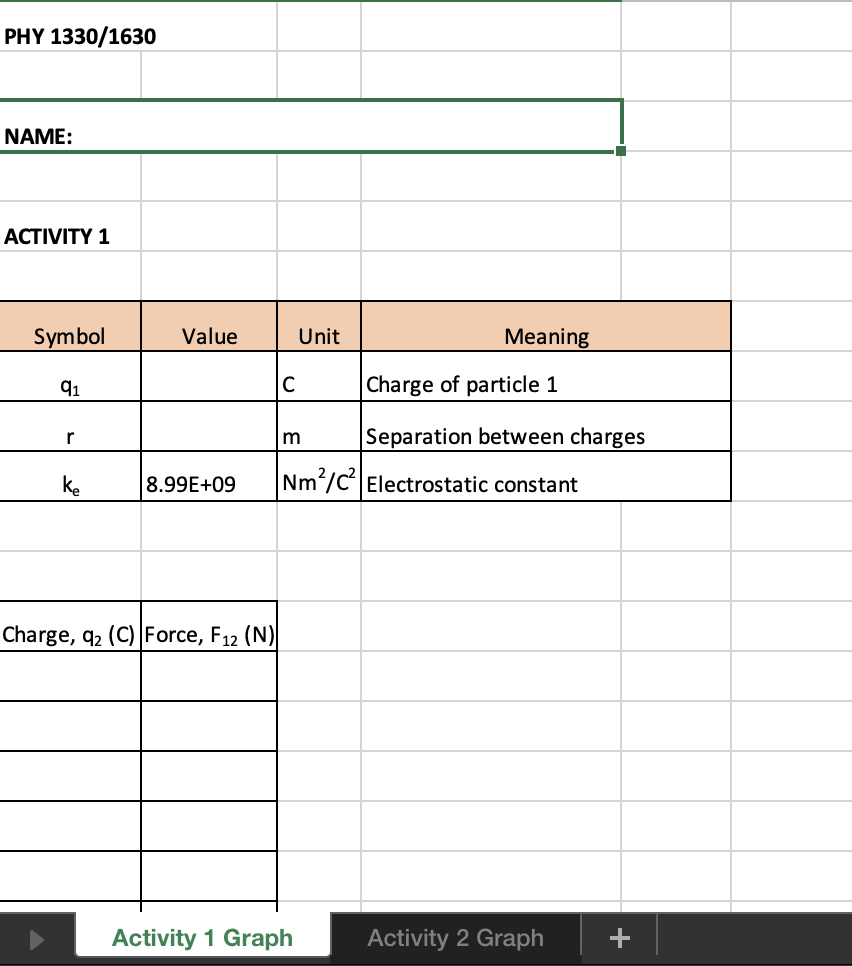
 EXPERIMENT 2: ELECTROSTATIC FORCES AND COULOMBS LAWObjective:To study the electric forcesbetween charged particles and determine the form of Coulomb's Law of electrostaticforces.Theory:In the previous lab experiment, we explored the properties of electric charge.In Activity 2 of the Experiment 1: Experiments in Electrostatics, we learnedthat two charged objects exert attractive or repulsive forces on each other.We also discovered that the force depends on the separation between thecharges. The greater the distance between charged objects, the weaker the force.However, our investigations of the electrostatic force were qualitative and conceptual. Thequantitative law that governs this relationship is called Coulomb's Law. Coulomb's Lawstates that the magnitude of the electrostatic force between two charged particlesis proportional to the product of their charges and inversely proportional tothe square of the separation between them. This can be expressed mathematicallyas: \fPher Coulomb's Law X Opinion | Roberts to Trump: Do x+ C phet.colorado.edu/sims/html/coulombs-law/latest/coulombs-law_en.html 2 E Paused . . . Force on q2by q1 = 319.557 N Force on q1 by q2 = 319.557N 92 0 cm 1 N 3 4 5 7 8 910 Charge 1 Charge 2 Force Values -4 HC D 8 HCD Scientific Notation 10 10 10 1 cm Coulomb's Law 18: PHET: Macro Scale Atomic ScalePHY 1330/1630 NAME: ACTIVITY 2 Symbol Value UnitMeaning 91 C Charge of particle 1 92 C Charge of particle2 Ke 8.99E+09 Nm2/c2 Electrostatic constant Separation, r (m) Force, F12 (N)PHY1330/1630 NAME: ACTIVITY 1 Symbol Value Unit Meaning 91 C Charge ofparticle 1 r m Separation between charges Ke 8.99E+09 Nm /C|Electrostatic constantCharge, q2 (C) Force, F12 (N) Activity 1 Graph Activity 2 Graph+image text in transcribedimage text in transcribedimage text in transcribedimage text in transcribedimage text in transcribedimage text in transcribedimage text in transcribedimage text in transcribedimage text in transcribedimage text in transcribedimage text in transcribedimage text in transcribedimage text in transcribedimage text in transcribedimage text in transcribedimage text in transcribedimage text in transcribedimage text in transcribedimage text in transcribedimage text in transcribedimage text in transcribedimage text in transcribedimage text in transcribedimage text in transcribedimage text in transcribedimage text in transcribedimage text in transcribedimage text in transcribedimage text in transcribedimage text in transcribedimage text in transcribedimage text in transcribedimage text in transcribedimage text in transcribedimage text in transcribed

EXPERIMENT 2: ELECTROSTATIC FORCES AND COULOMBS LAW

Objective:

To study the electric forces between charged particles and determine the form of Coulomb's Law of electrostatic forces.

Theory:

In the previous lab experiment, we explored the properties of electric charge. In Activity 2 of the Experiment 1: Experiments in Electrostatics, we learned that two charged objects exert attractive or repulsive forces on each other. We also discovered that the force depends on the separation between the charges. The greater the distance between charged objects, the weaker the force. However, our investigations of the electrostatic force were qualitative and conceptual. The quantitative law that governs this relationship is called Coulomb's Law. Coulomb's Law states that the magnitude of the electrostatic force between two charged particles is proportional to the product of their charges and inversely proportional to the square of the separation between them. This can be expressed mathematically as:

image text in transcribedimage text in transcribedimage text in transcribedimage text in transcribedimage text in transcribedimage text in transcribedimage text in transcribedimage text in transcribedimage text in transcribedimage text in transcribedimage text in transcribedimage text in transcribedimage text in transcribedimage text in transcribedimage text in transcribedimage text in transcribedimage text in transcribedimage text in transcribedimage text in transcribedimage text in transcribedimage text in transcribedimage text in transcribedimage text in transcribedimage text in transcribedimage text in transcribedimage text in transcribedimage text in transcribedimage text in transcribedimage text in transcribedimage text in transcribedimage text in transcribedimage text in transcribedimage text in transcribedimage text in transcribedimage text in transcribedimage text in transcribedimage text in transcribedimage text in transcribedimage text in transcribedimage text in transcribedimage text in transcribedimage text in transcribedimage text in transcribedimage text in transcribedimage text in transcribedimage text in transcribedimage text in transcribedimage text in transcribedimage text in transcribedimage text in transcribedimage text in transcribedimage text in transcribedimage text in transcribedimage text in transcribedimage text in transcribedimage text in transcribedimage text in transcribedimage text in transcribedimage text in transcribedimage text in transcribed

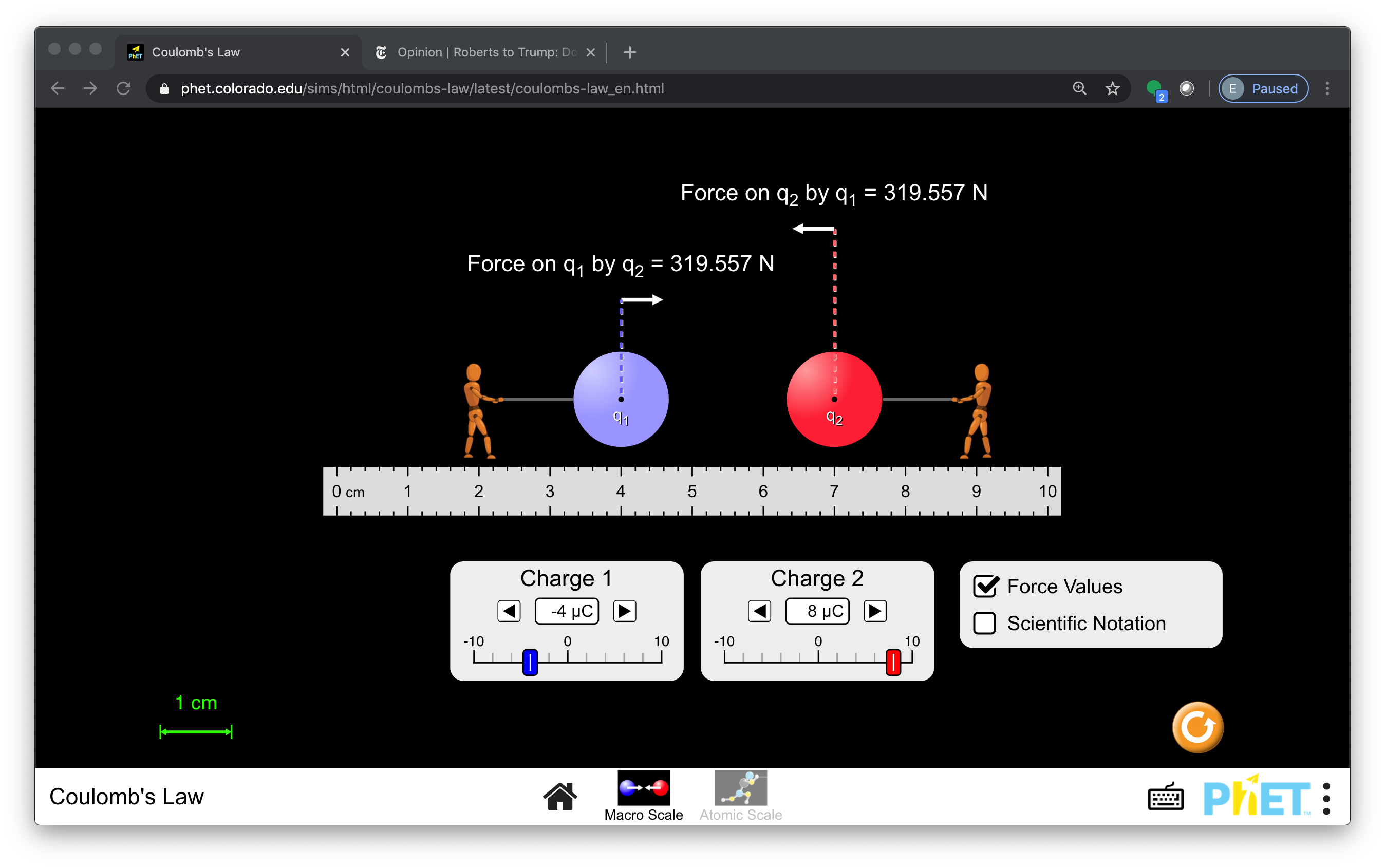
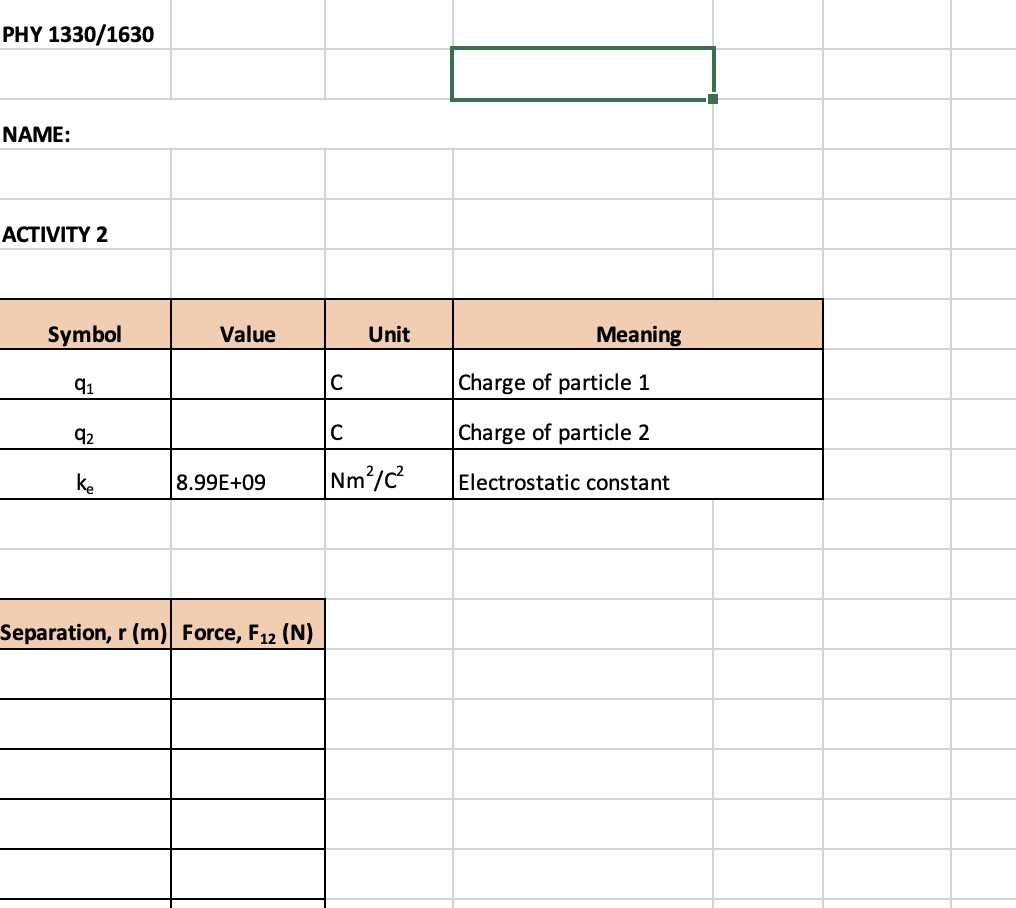
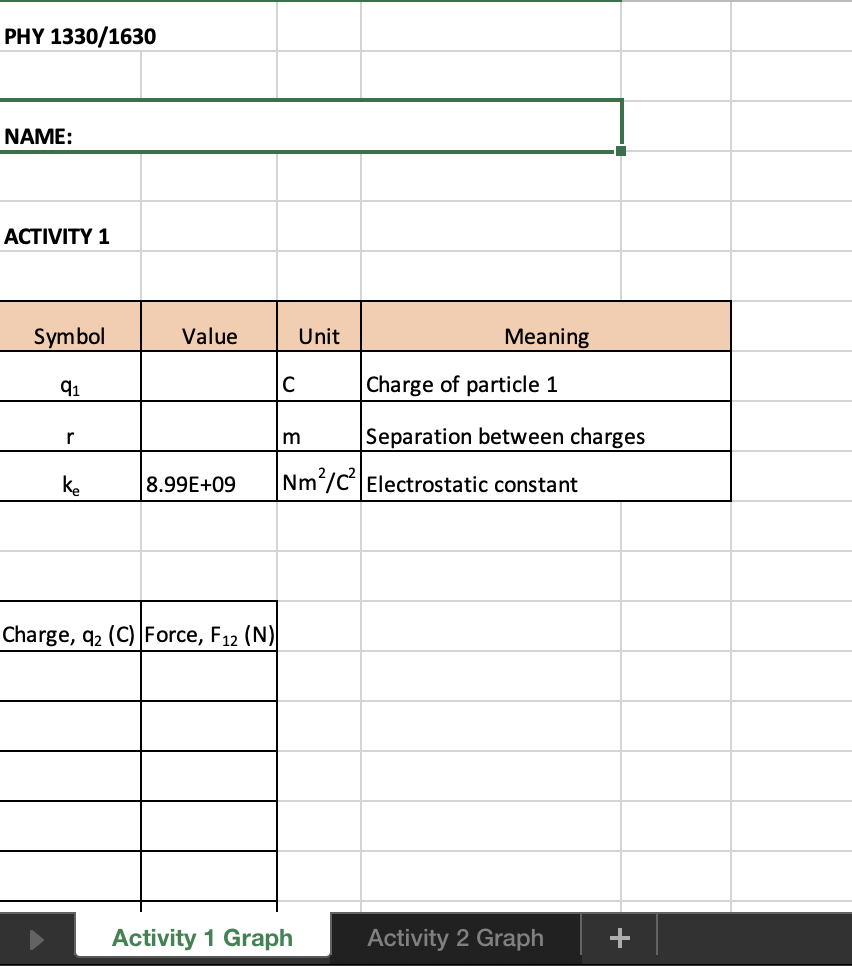
\fPher Coulomb's Law X Opinion | Roberts to Trump: Do x + C phet.colorado.edu/sims/html/coulombs-law/latest/coulombs-law_en.html 2 E Paused . . . Force on q2 by q1 = 319.557 N Force on q1 by q2 = 319.557 N 92 0 cm 1 N 3 4 5 7 8 9 10 Charge 1 Charge 2 Force Values -4 HC D 8 HC D Scientific Notation 10 10 10 1 cm Coulomb's Law 18: PHET : Macro Scale Atomic ScalePHY 1330/1630 NAME: ACTIVITY 2 Symbol Value Unit Meaning 91 C Charge of particle 1 92 C Charge of particle 2 Ke 8.99E+09 Nm2/c2 Electrostatic constant Separation, r (m) Force, F12 (N)PHY 1330/1630 NAME: ACTIVITY 1 Symbol Value Unit Meaning 91 C Charge of particle 1 r m Separation between charges Ke 8.99E+09 Nm /C|Electrostatic constant Charge, q2 (C) Force, F12 (N) Activity 1 Graph Activity 2 Graph +

Step by Step Solution

There are 3 Steps involved in it

1 Expert Approved Answer
Step: 1 Unlock blur-text-image
Question Has Been Solved by an Expert!

Get step-by-step solutions from verified subject matter experts

Step: 2 Unlock
Step: 3 Unlock

Students Have Also Explored These Related Physics Questions!