







Question: For the vectors u = ( - 3,1,1) and v= ( -1, -3,2) , express u as the sum u = p + n, where
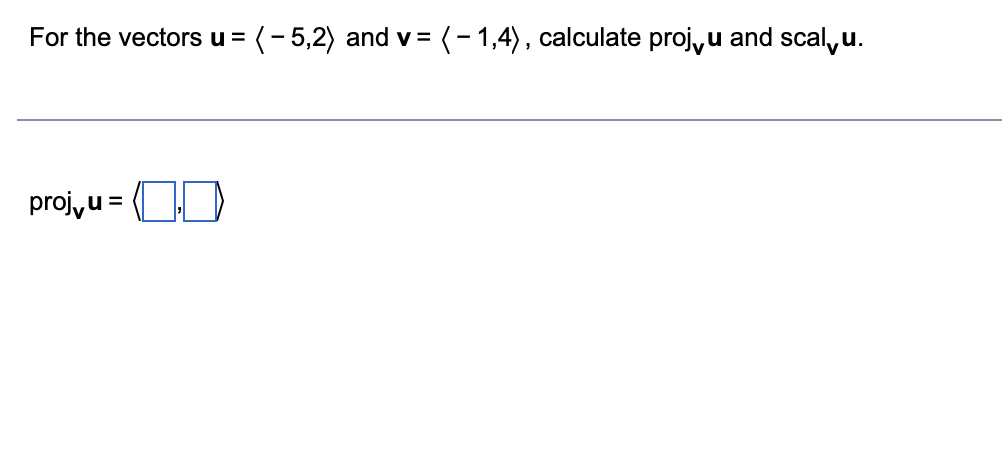
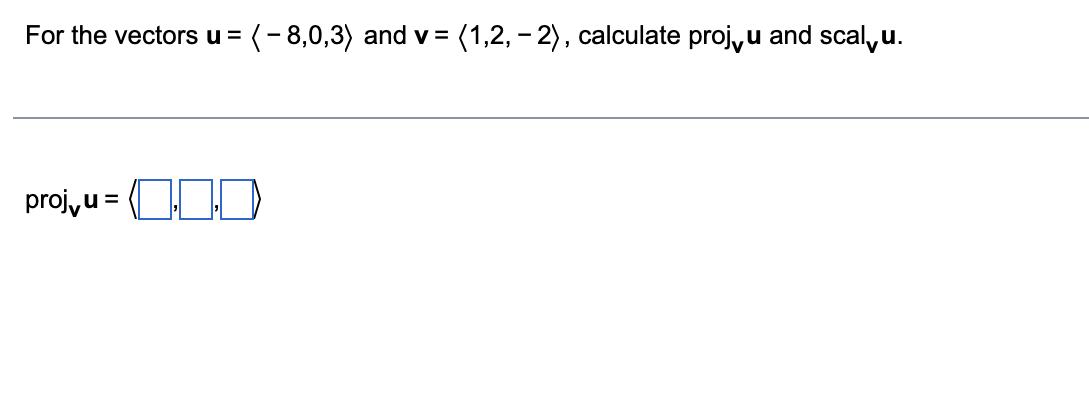


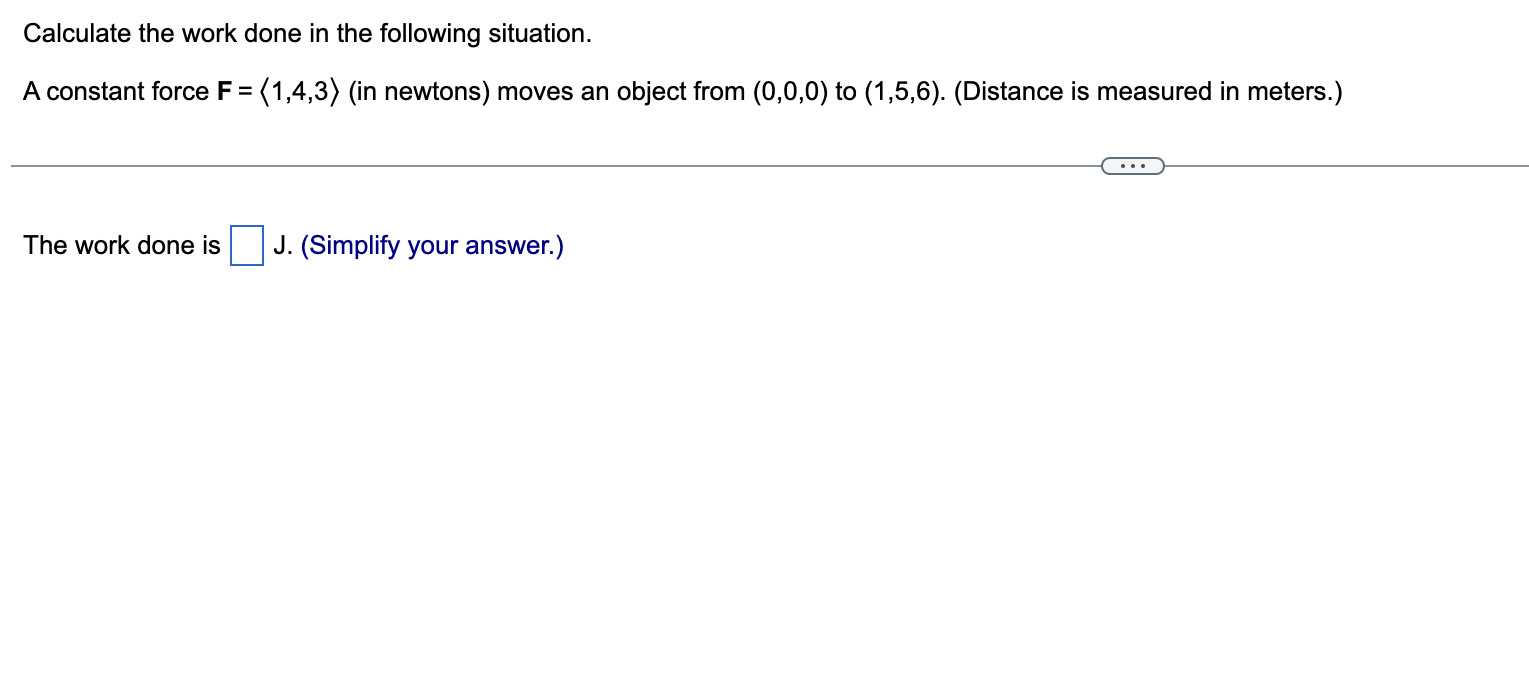
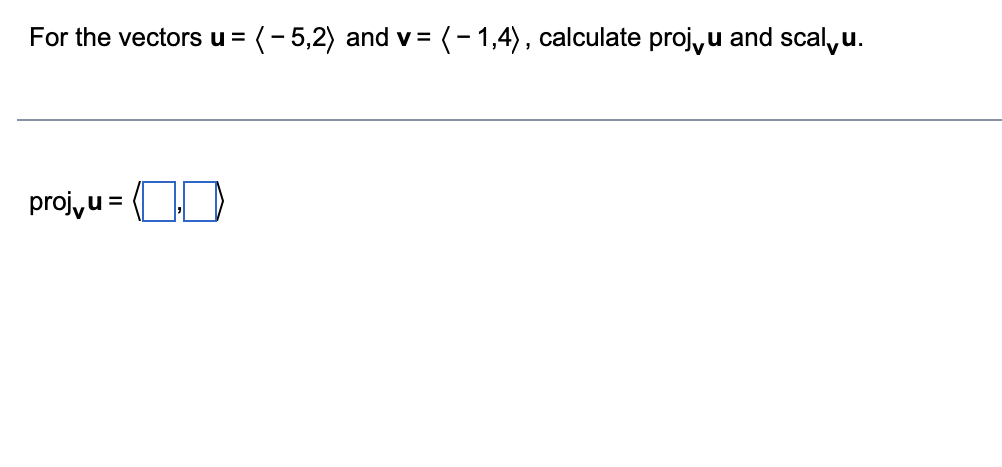
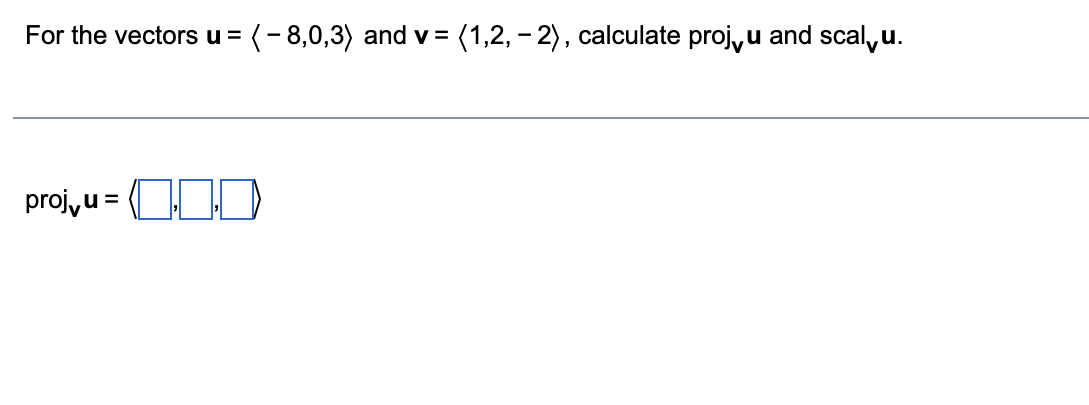


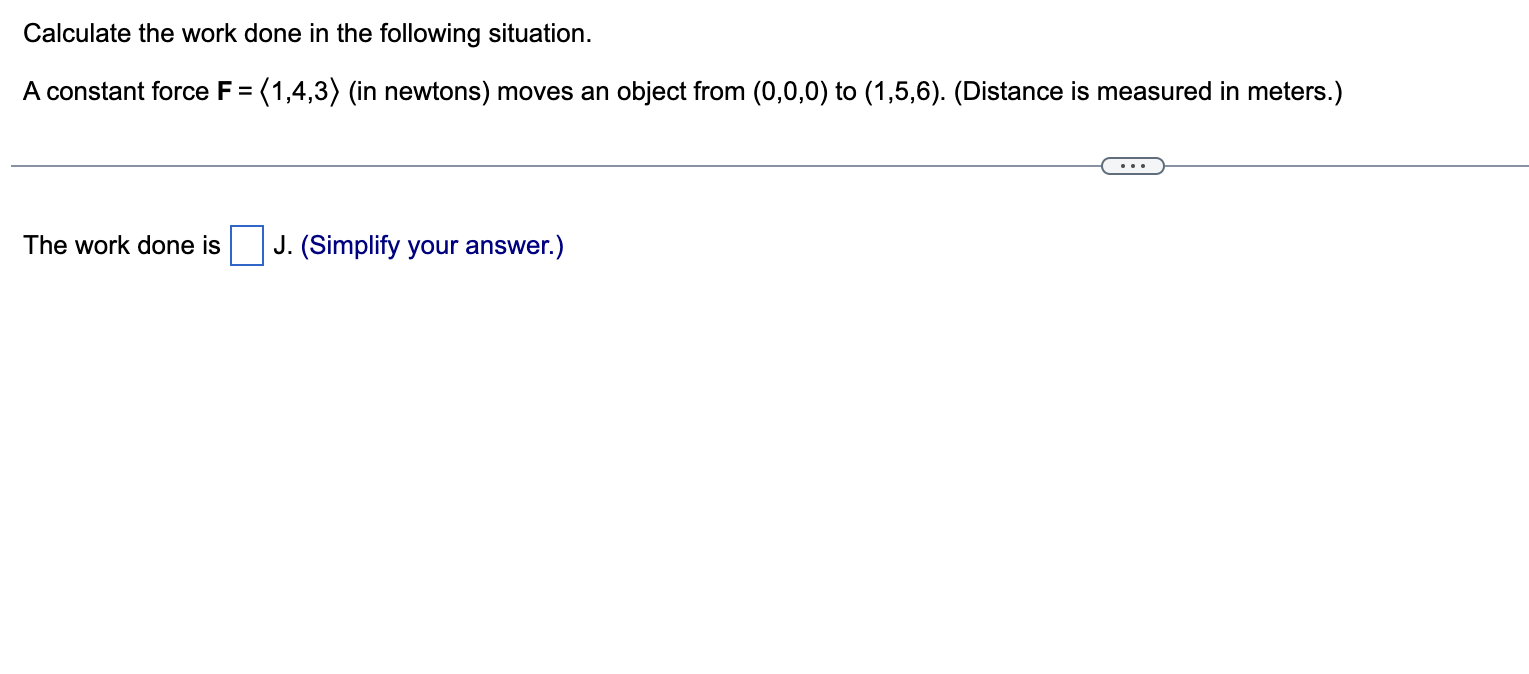
For the vectors u = ( - 3,1,1) and v= ( -1, -3,2) , express u as the sum u = p + n, where p is parallel to v and n is orthogonal to v. . . . u=p+n= + (Type integers or simplified fractions. List the terms in the same order as they appear in the original list.)A suitcase is pulled 26 feet along a at sidewalk with a constant upward force of 80 lb at an angle of 23 with the horizontal. Calculate the work done. E> The work done is D foot-pounds. (Round to the nearest foot-pound as needed.) Calculate the work done in the following situation. A constant force F = (1,4,3) (in newtons) moves an object from (0,0,0) to (1,5,6). (Distance is measured in meters.) E The work done is D J. (Simplify your answer.)
Step by Step Solution
There are 3 Steps involved in it

Get step-by-step solutions from verified subject matter experts
 Study Help