







Question: ff(x + h) - f(2) Let f(ac) = 3.7ac2 - 7.2x. Using the formula, m = , estimate the slope of the tangent h line
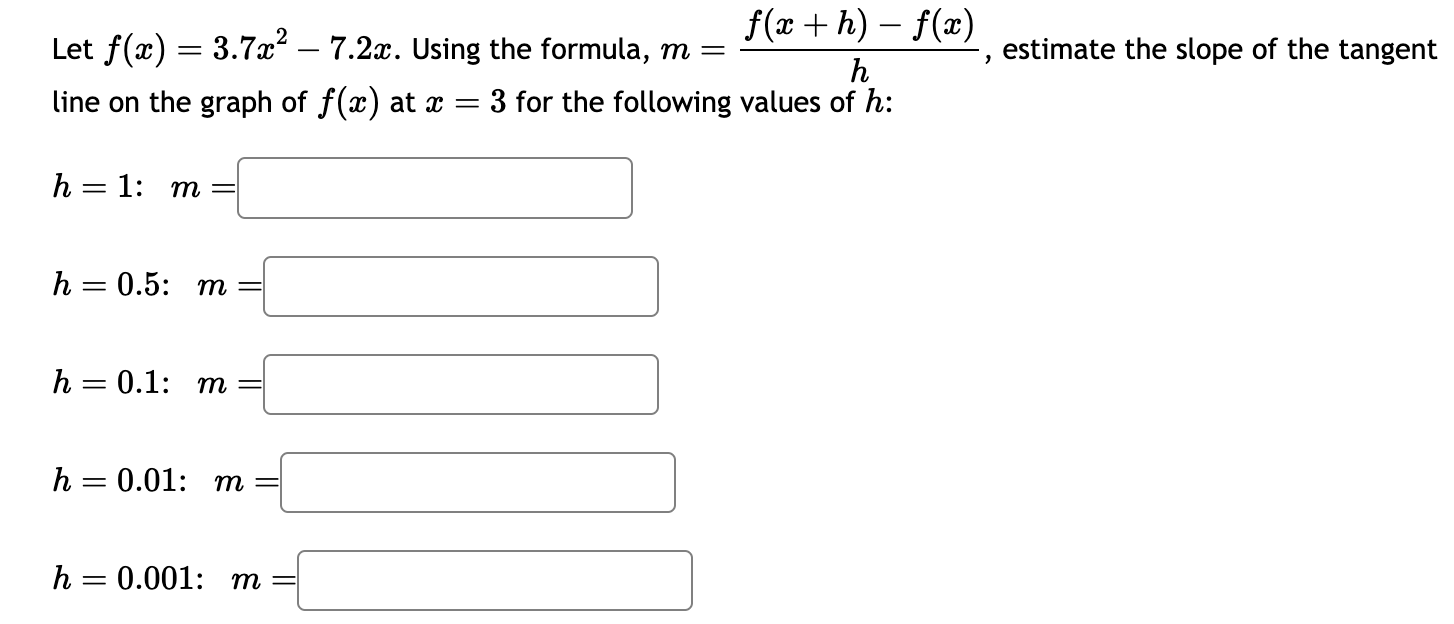
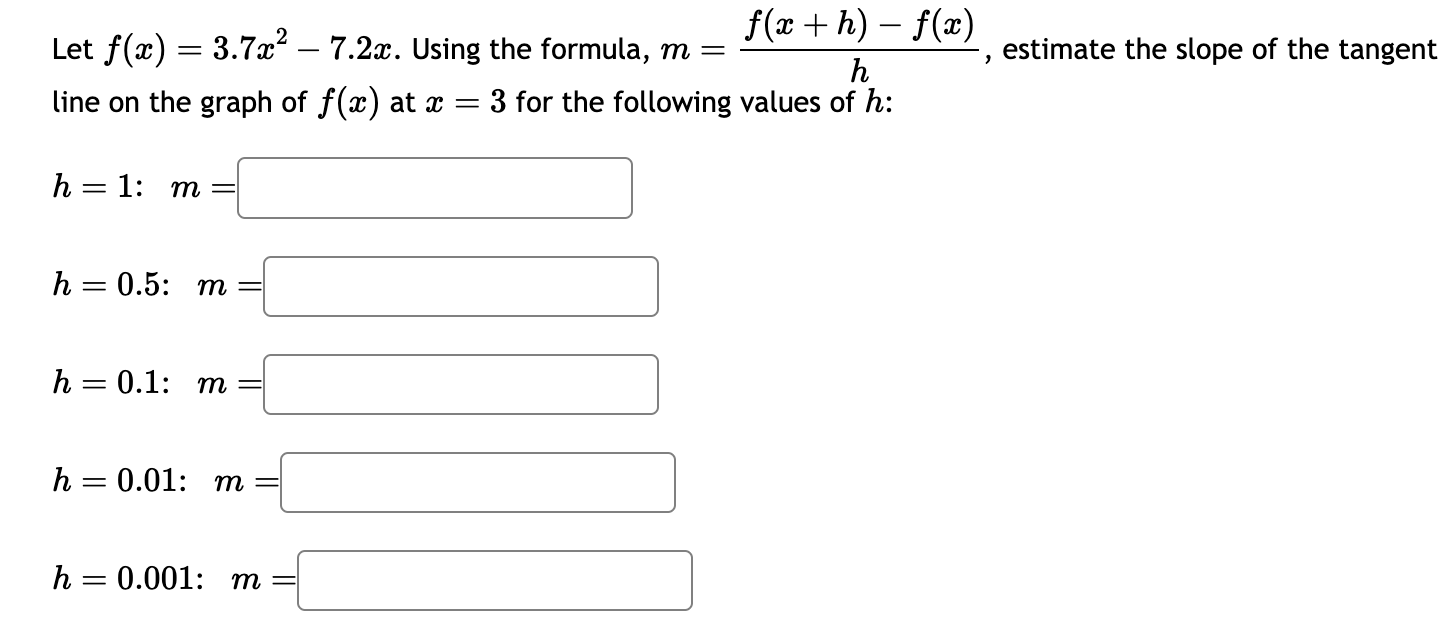
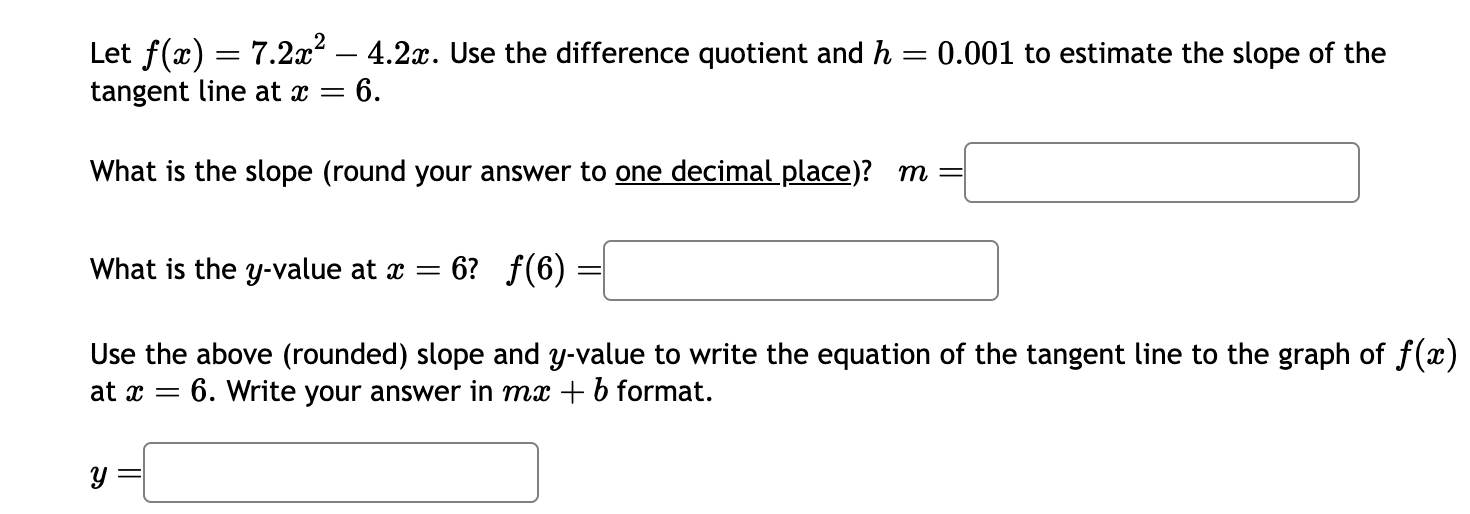
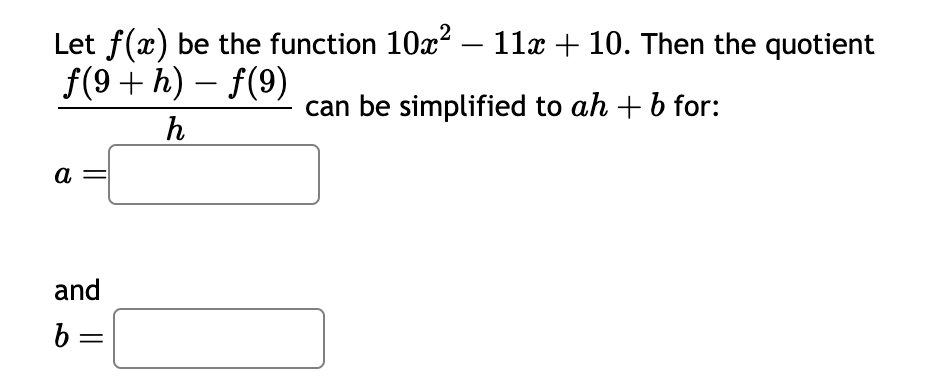
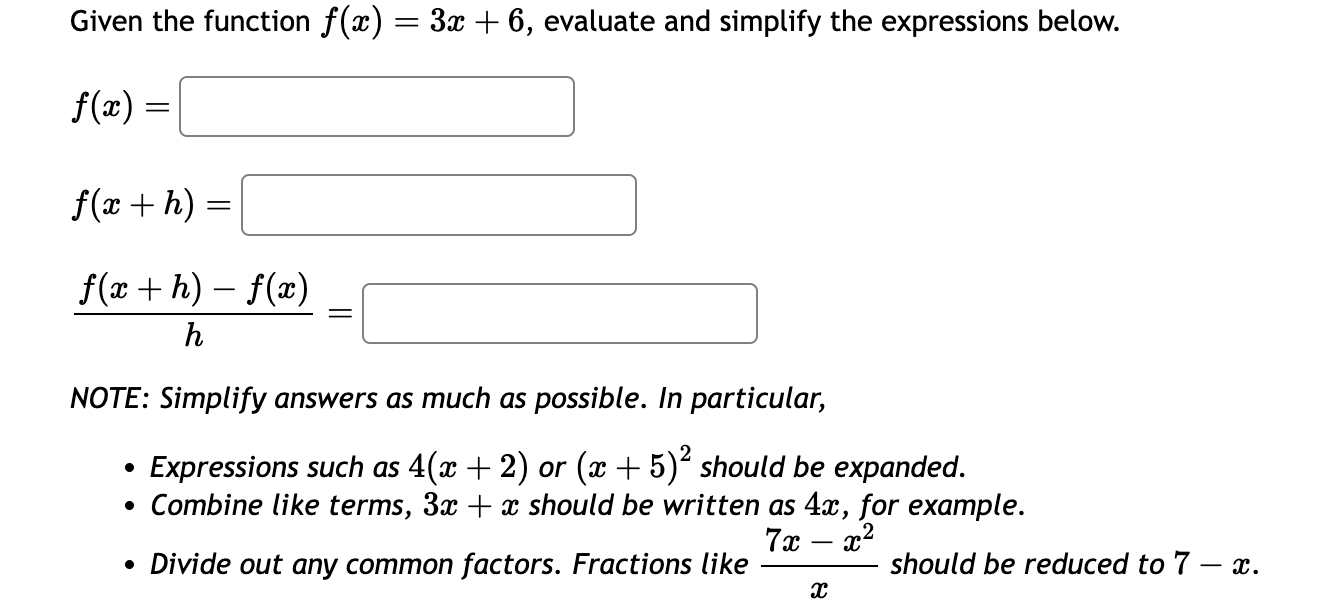
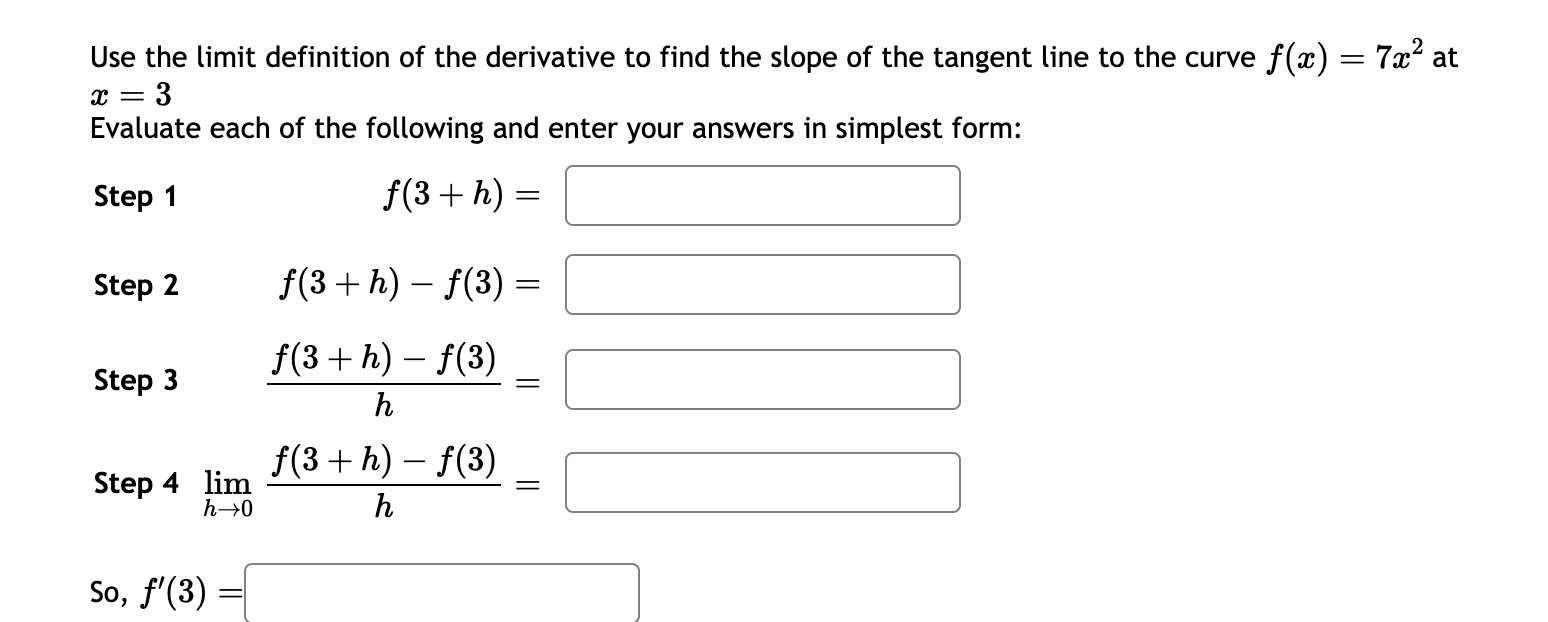
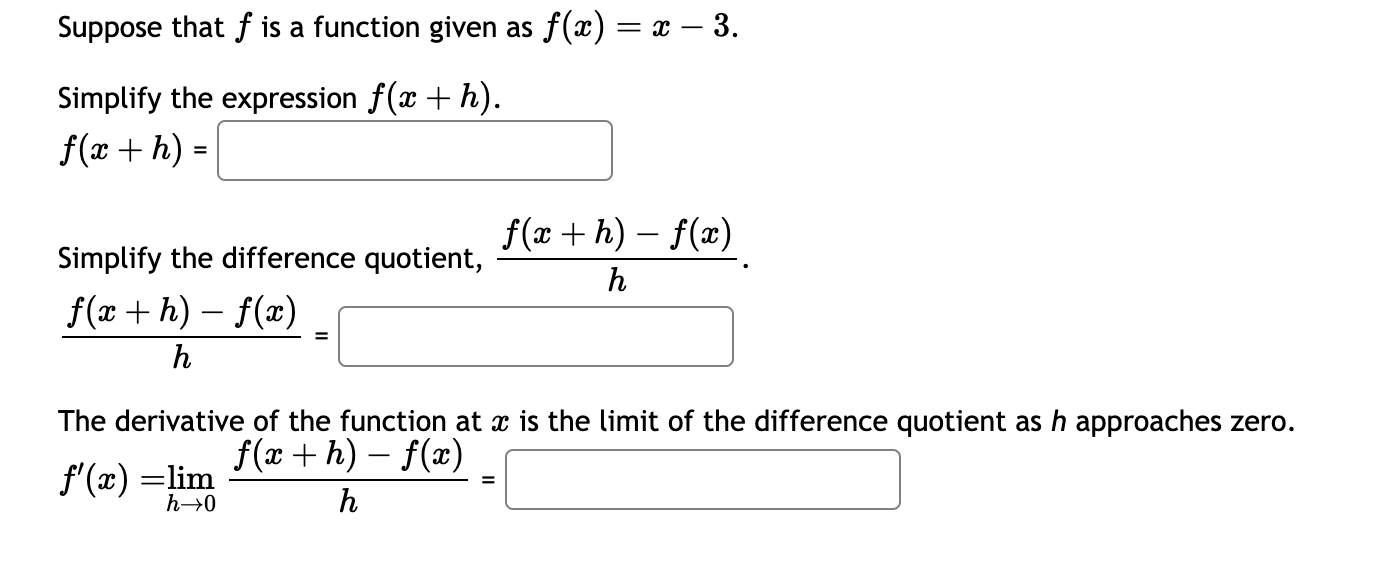


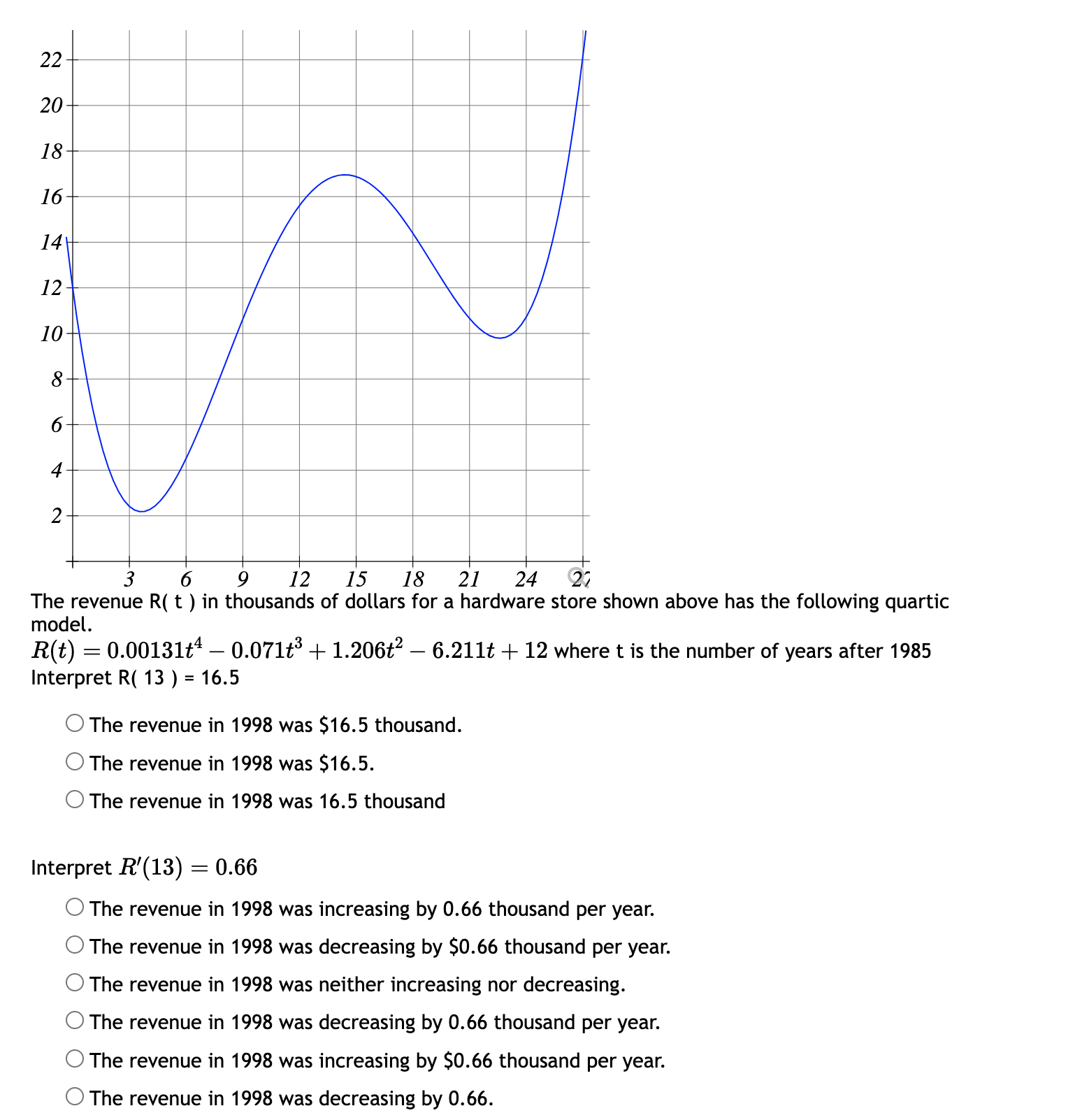
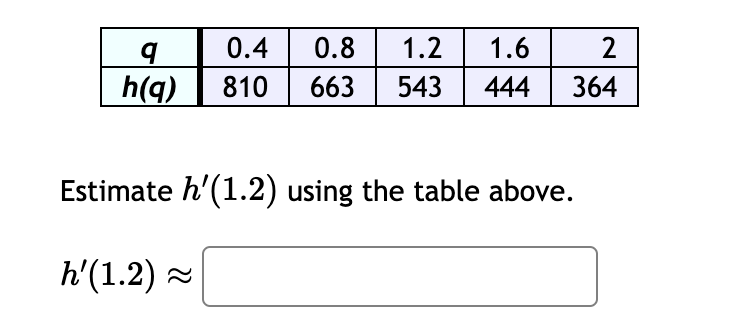
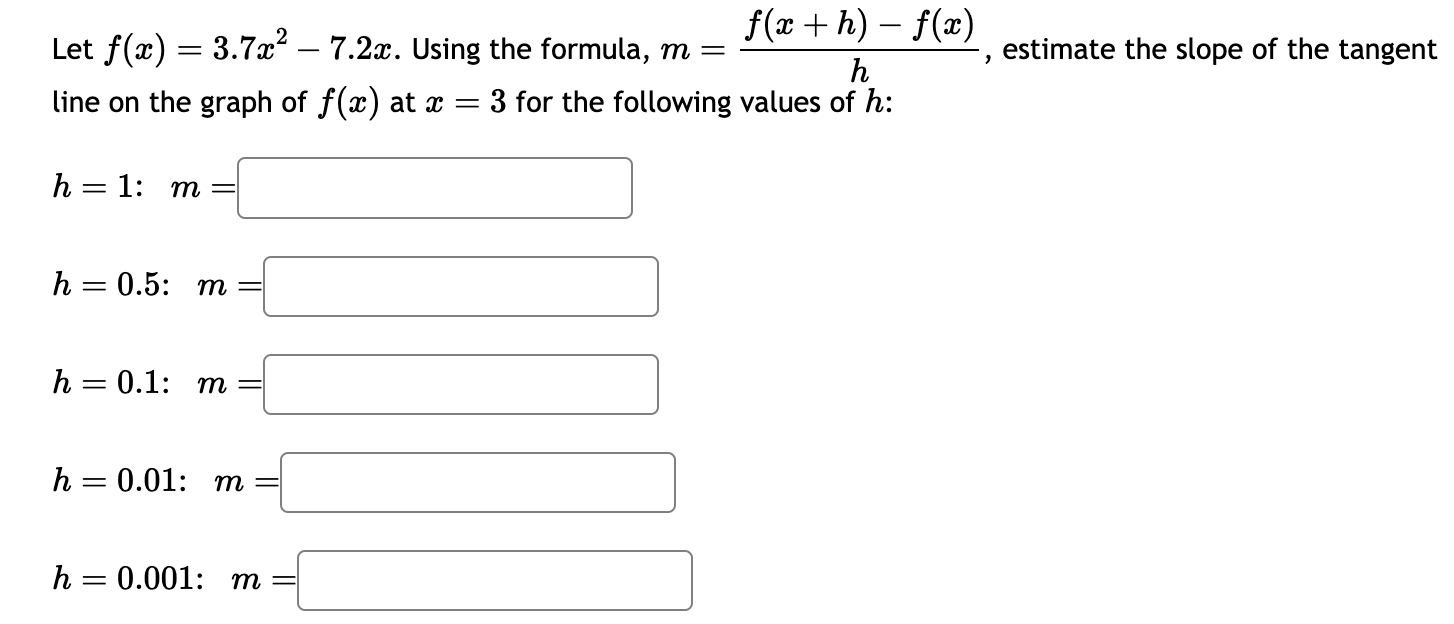
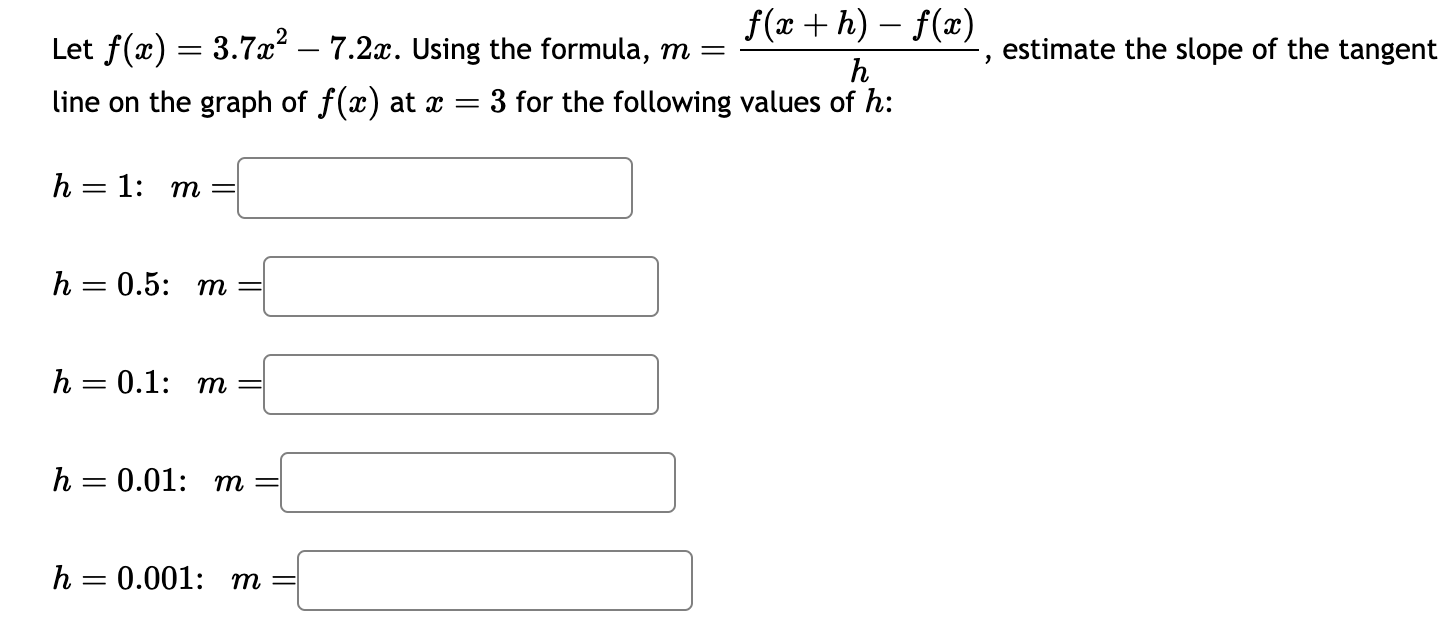
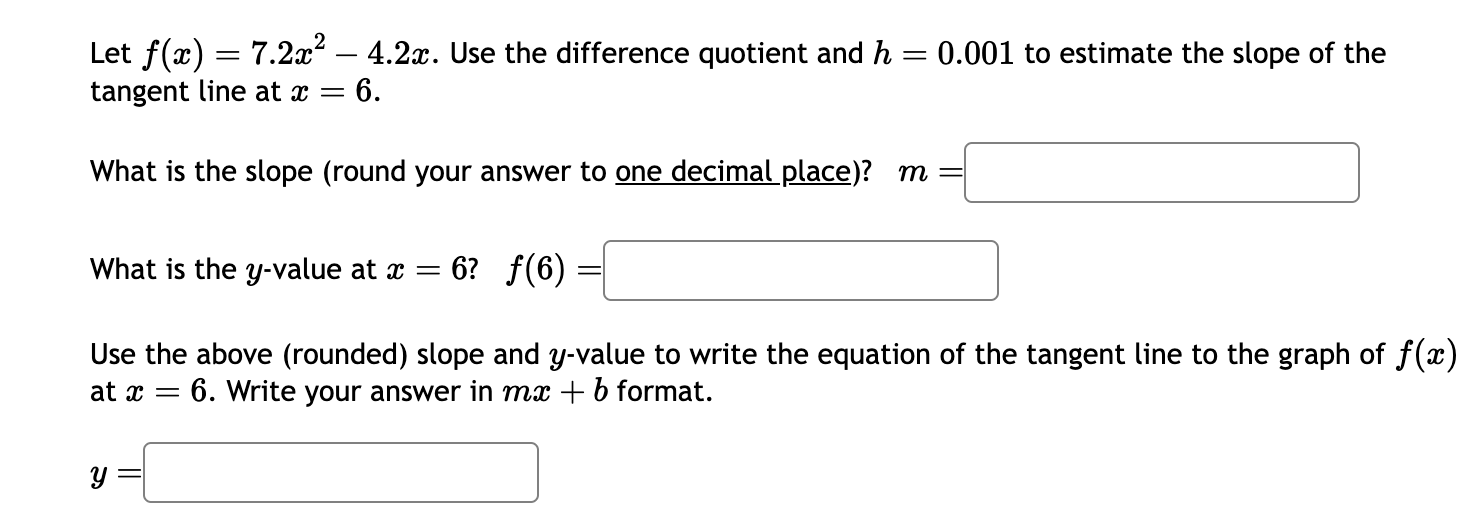
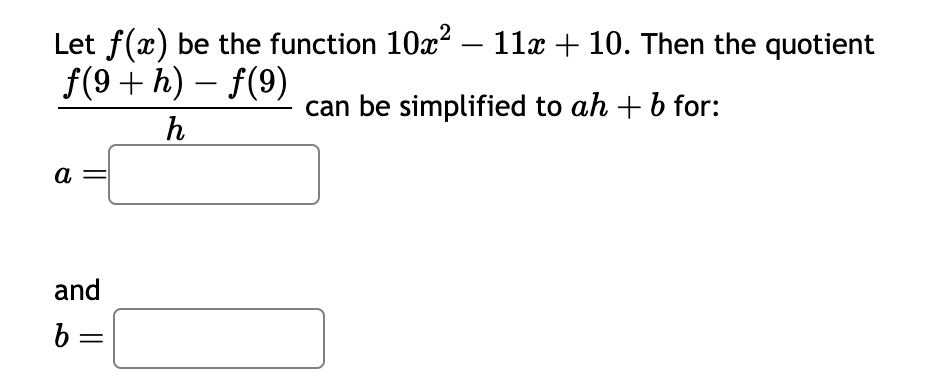
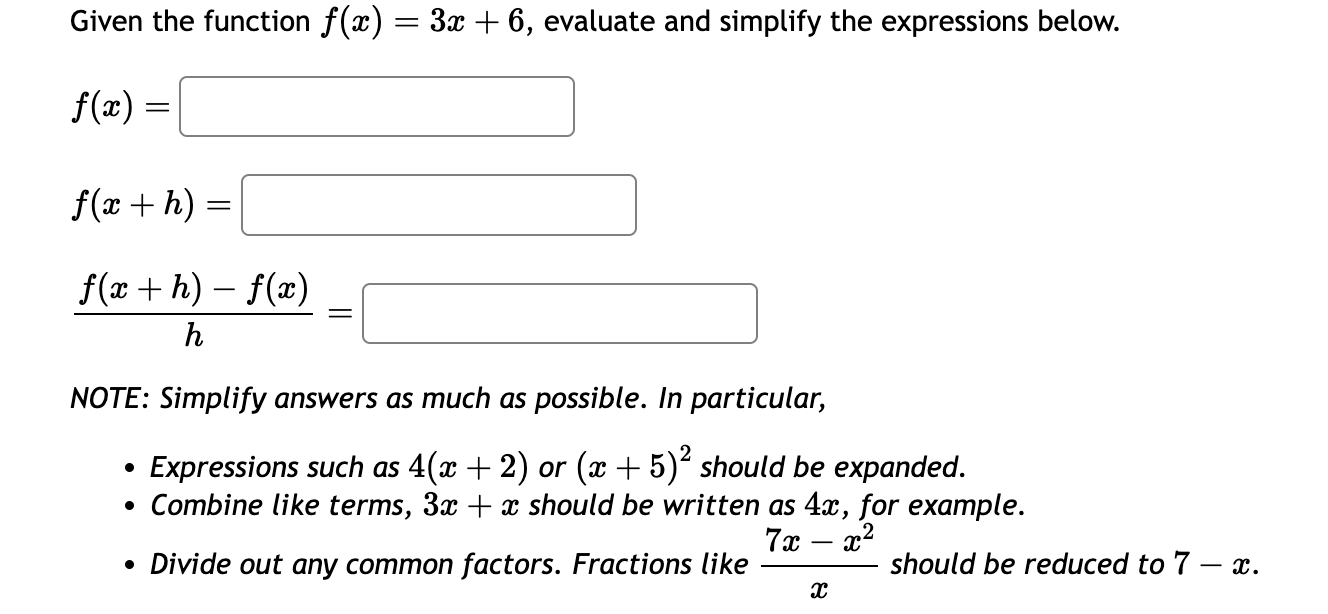
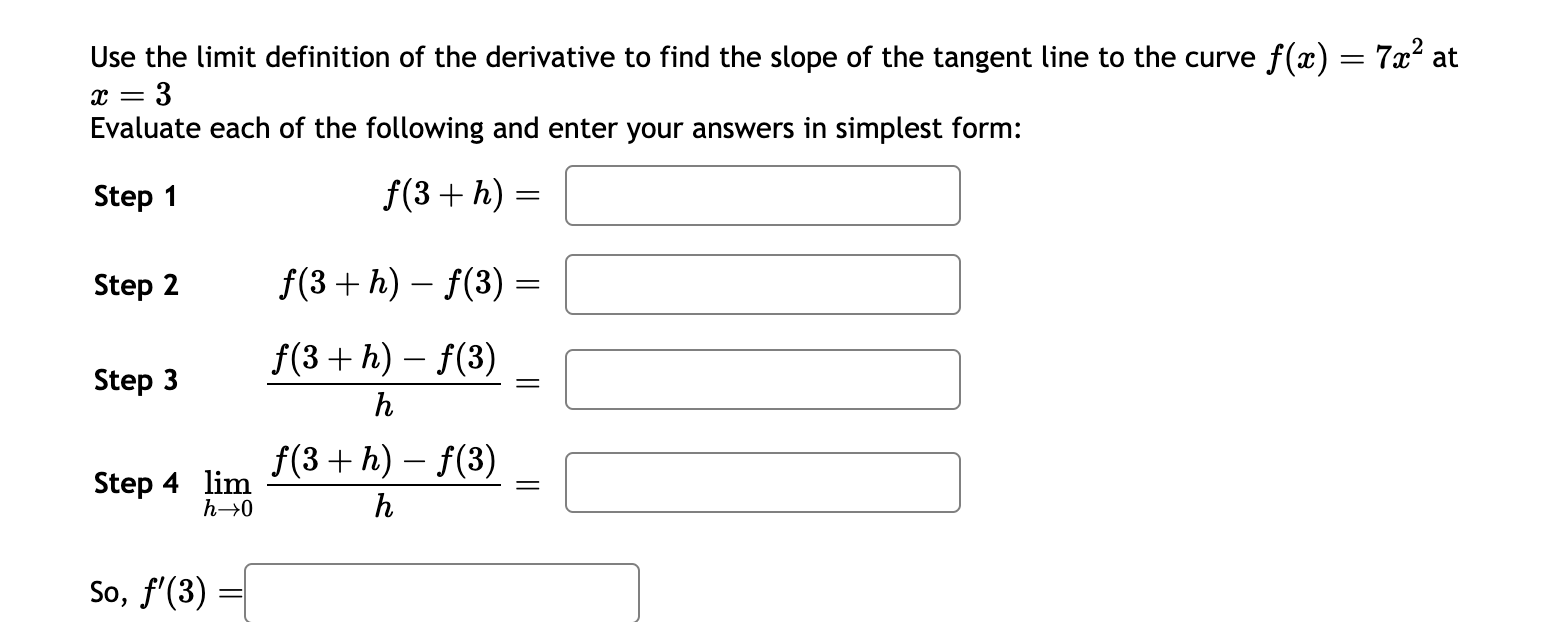
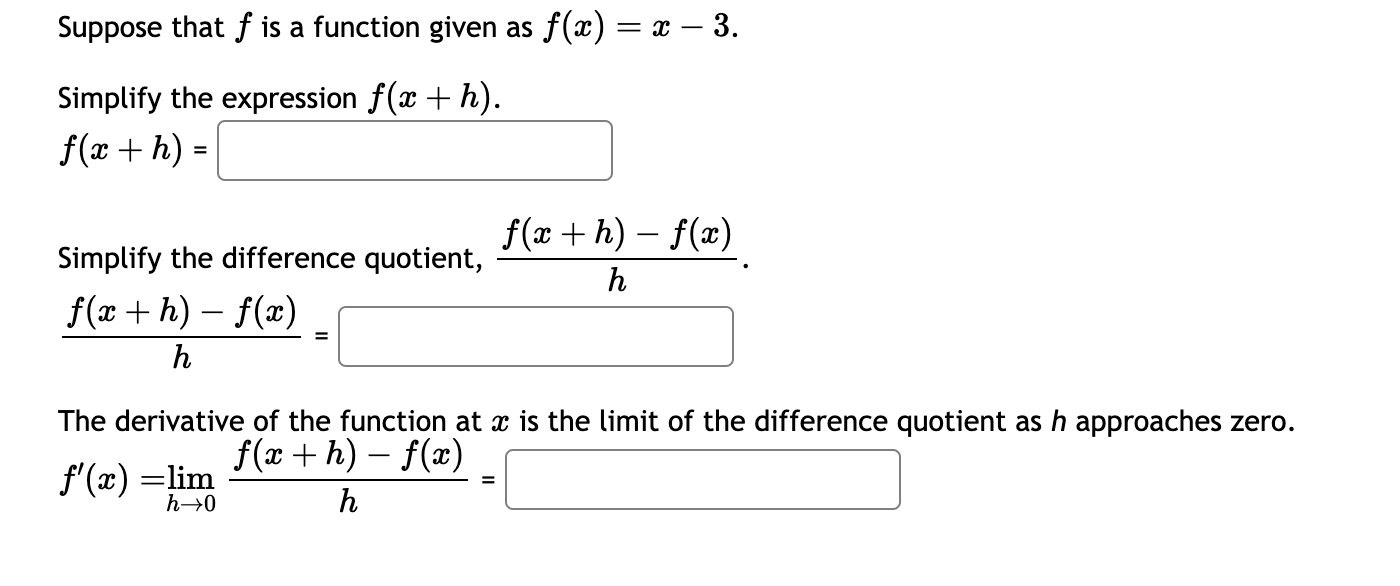


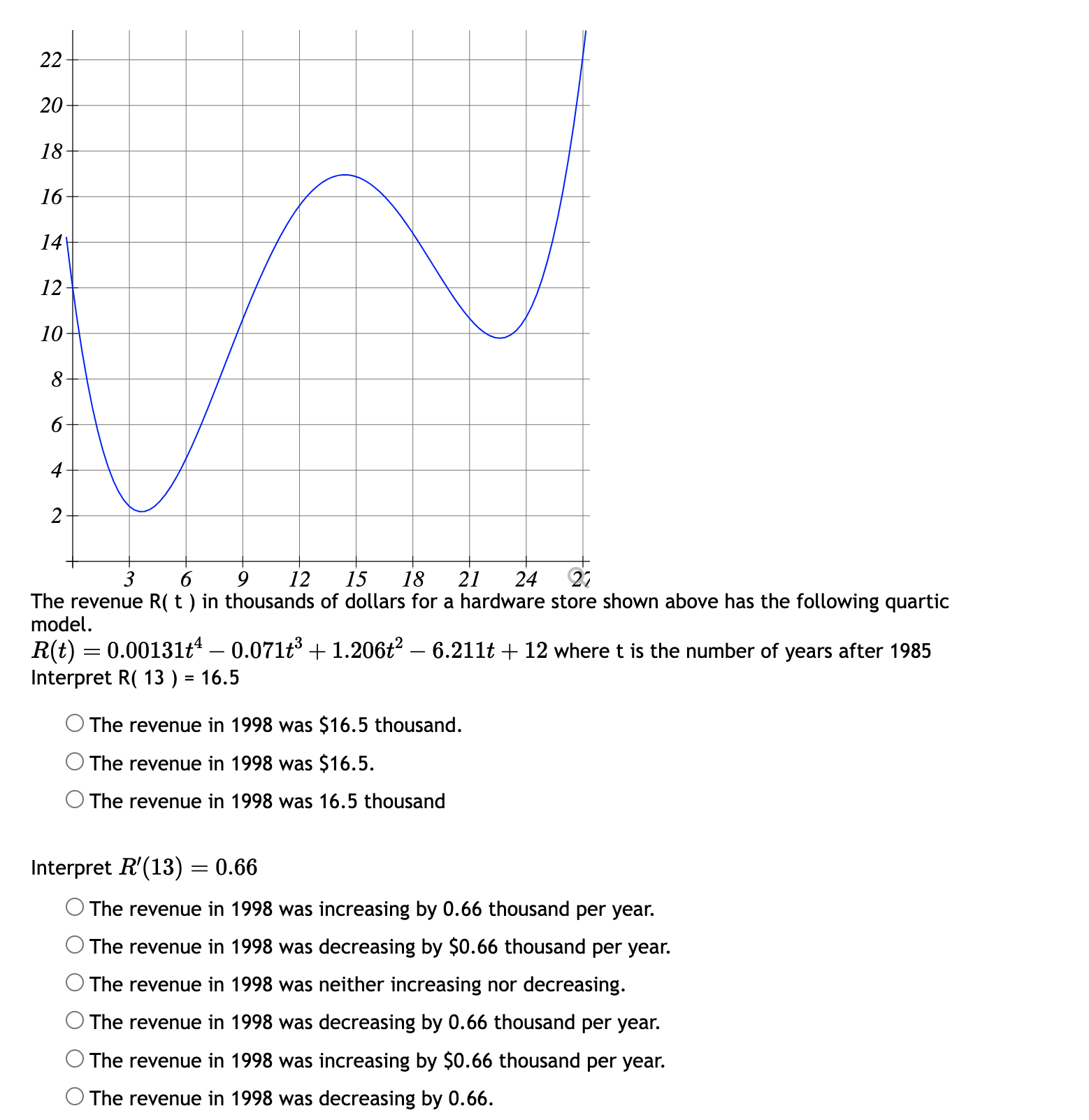
\ff(x + h) - f(2) Let f(ac) = 3.7ac2 - 7.2x. Using the formula, m = , estimate the slope of the tangent h line on the graph of f(a) at a = 3 for the following values of h: h = 1: m h = 0.5: m h = 0.1: m h = 0.01: m h = 0.001: mf(x + h) - f(2) Let f(ac) = 3.7ac2 - 7.2x. Using the formula, m = , estimate the slope of the tangent h line on the graph of f(a) at a = 3 for the following values of h: h = 1: m h = 0.5: m h = 0.1: m h = 0.01: m h = 0.001: mLet f(:1:) = 7.232 4.23. Use the difference quotient and h = 0.001 to estimate the slope of the tangent line at m = 6. What is the slope (round your answer to one decimal place)? m : What .5 m. was. at .2 = 6? m) : Use the above (rounded) slope and y-value to write the equation of the tangent line to the graph of x) at m = 6. Write your answer in mm + b format. F Let f(L'-) be the function 10:1:2 11.1: + 10. Then the quotient f (9 + h) - f(9) can be simplified to ah + b for: Given the function f(a:) = 3:1: + 6, evaluate and simplify the expressions below. we: \"me: \"'\"+'\" \"W =: h NOTE: Simplify answers as much as possible. in particular, - Expressions such as 4(2: + 2) or (a: + 5)2 should be expanded. - Combine like terms, 33: + a: should be written as 43:, for example. 7a: 3:2 - Divide out any common factors. Fractions like should be reduced to 7 w. a: Use the limit definition of the derivative to find the slope of the tangent line to the curve f(:r:) = 73::2 at so = 3 Evaluate each of the following and enter your answers in simplest form: M: WW): WLSW= 50: f'l3) = Suppose that f is a function given as f(:L') = :1; 3. Simplify the expression f(m l h). Simplify the difference quotient, \"m+h)_\"$)_ h The derivative of the function at a: is the limit of the difference quotient as h approaches zero. , . fl$+h) - flit) magi= \fUse the limit definition of the derivative to find the instantaneous rate of change of f(a:) = 32':2 + 29: + 5 at a: = 3 22 20 18 I6 14 12 10 3 6 9 12 I5 18 21 24 23 The revenue R( t ) in thousands of dollars for a hardware store shown above has the following quartic model. R(t) = 0.00131t4 0.0'71t3 + 1.206t2 6.211t + 12 where t is the number of years after 1985 Interpret R( 13 ) = 16.5 O The revenue in 1998 was $16.5 thousand. O The revenue in 1998 was $16.5. O The revenue in 1998 was 16.5 thousand Interpret R'(13) = 0.66 O The revenue in 1998 was increasing by 0.66 thousand per year. Q The revenue in 1998 was decreasing by $0.66 thousand per year. Q The revenue in 1998 was neither increasing nor decreasing. O The revenue in 1998 was decreasing by 0.66 thousand per year. Q The revenue in 1998 was increasing by $0.66 thousand per year. Q The revenue in 1998 was decreasing by 0.66
Step by Step Solution
There are 3 Steps involved in it

Get step-by-step solutions from verified subject matter experts
 Study Help