







Question: Find the p-values for both explanatory variables. The p-value for x, is 'Round to three decimal places as needed.)The p-value for X2 is (Round to
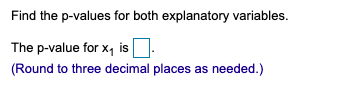
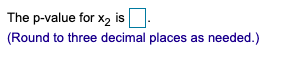
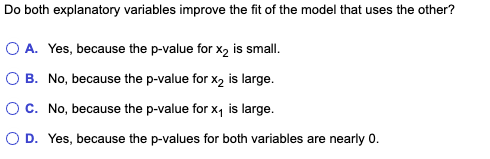
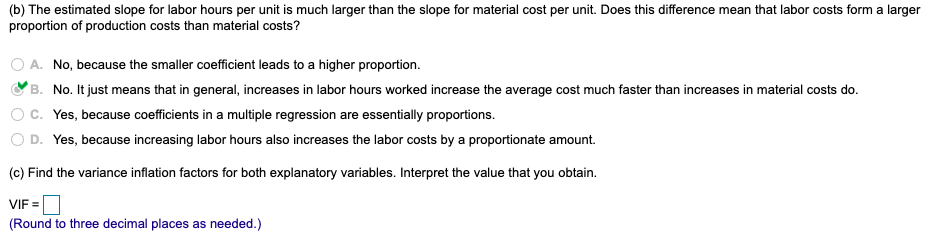
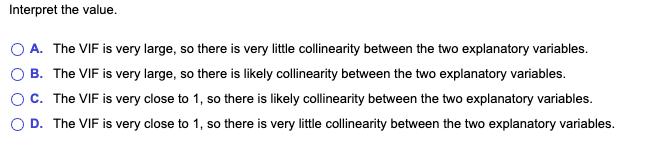

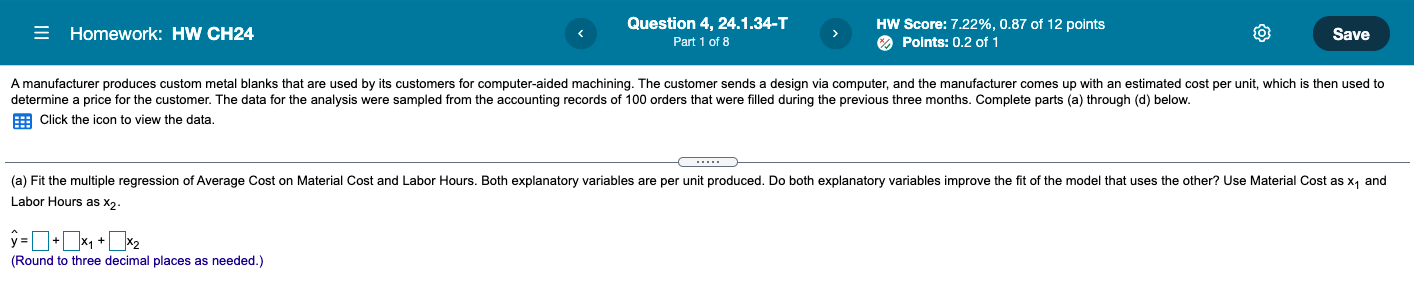
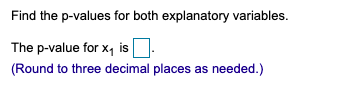
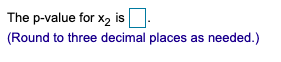
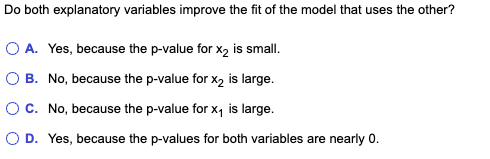
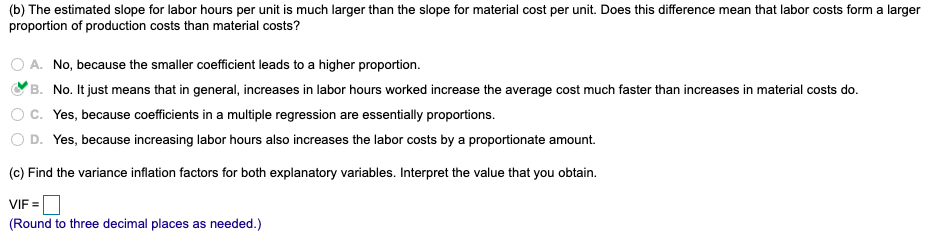
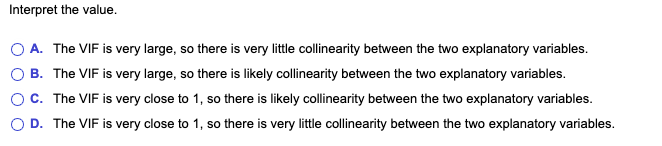

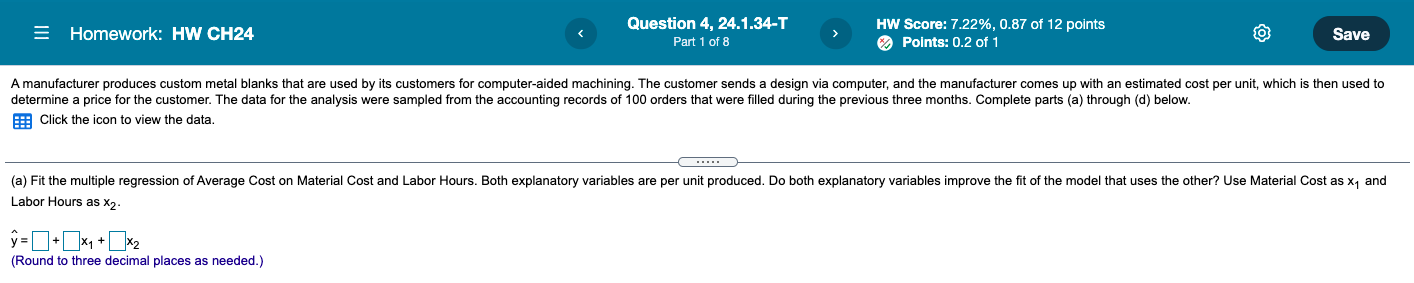
Find the p-values for both explanatory variables. The p-value for x, is 'Round to three decimal places as needed.)The p-value for X2 is (Round to three decimal places as needed.)Do both explanatory variables improve the fit of the model that uses the other? O A. Yes, because the p-value for X, is small. O B. No, because the p-value for x, is large. O C. No, because the p-value for x, is large. O D. Yes, because the p-values for both variables are nearly 0.(b) The estimated slope for labor hours per unit is much larger than the slope for material cost per unit. Does this difference mean that labor costs form a larger proportion of production costs than material costs? O A. No, because the smaller coefficient leads to a higher proportion. B. No. It just means that in general, increases in labor hours worked increase the average cost much faster than increases in material costs do. O C. Yes, because coefficients in a multiple regression are essentially proportions. O D. Yes, because increasing labor hours also increases the labor costs by a proportionate amount. (c) Find the variance inflation factors for both explanatory variables. Interpret the value that you obtain. VIF = (Round to three decimal places as needed.)Interpret the value. O A. The VIF is very large, so there is very little collinearity between the two explanatory variables. O B. The VIF is very large, so there is likely collinearity between the two explanatory variables. O C. The VIF is very close to 1, so there is likely collinearity between the two explanatory variables. O D. The VIF is very close to 1, so there is very little collinearity between the two explanatory variables.(d) Suppose that you formulated this regression using total cost of each production run rather than average cost per unit. Would collinearity have been a problem in this model? Explain. O A. No, because total cost and average cost are essentially measuring the same thing. O B. Yes, because total cost is affected more by the material cost than the labor cost. O C. Yes, because total cost has a larger range of values than average cost. O D. No, because the two explanatory variables are not changing.= Homework: HW CH24 Question 4, 24.1.34-T HW Score: 7.22%, 0.87 of 12 points TO Part 1 of 8 Points: 0.2 of 1 Save A manufacturer produces custom metal blanks that are used by its customers for computer-aided machining. The customer sends a design via computer, and the manufacturer comes up with an estimated cost per unit, which is then used to determine a price for the customer. The data for the analysis were sampled from the accounting records of 100 orders that were filled during the previous three months. Complete parts (a) through (d) below. Click the icon to view the data. (a) Fit the multiple regression of Average Cost on Material Cost and Labor Hours. Both explanatory variables are per unit produced. Do both explanatory variables improve the fit of the model that uses the other? Use Material Cost as x, and Labor Hours as X2- y = [+x1 +x2 (Round to three decimal places as needed.)
Step by Step Solution
There are 3 Steps involved in it

Get step-by-step solutions from verified subject matter experts
 Study Help