







Question: First Picture: This exercise is both based on booth INTL704/222 (ITT) and INTL729/233 (EFF) CIFFA education courses and is intended to demonstrate competency in all
First Picture:
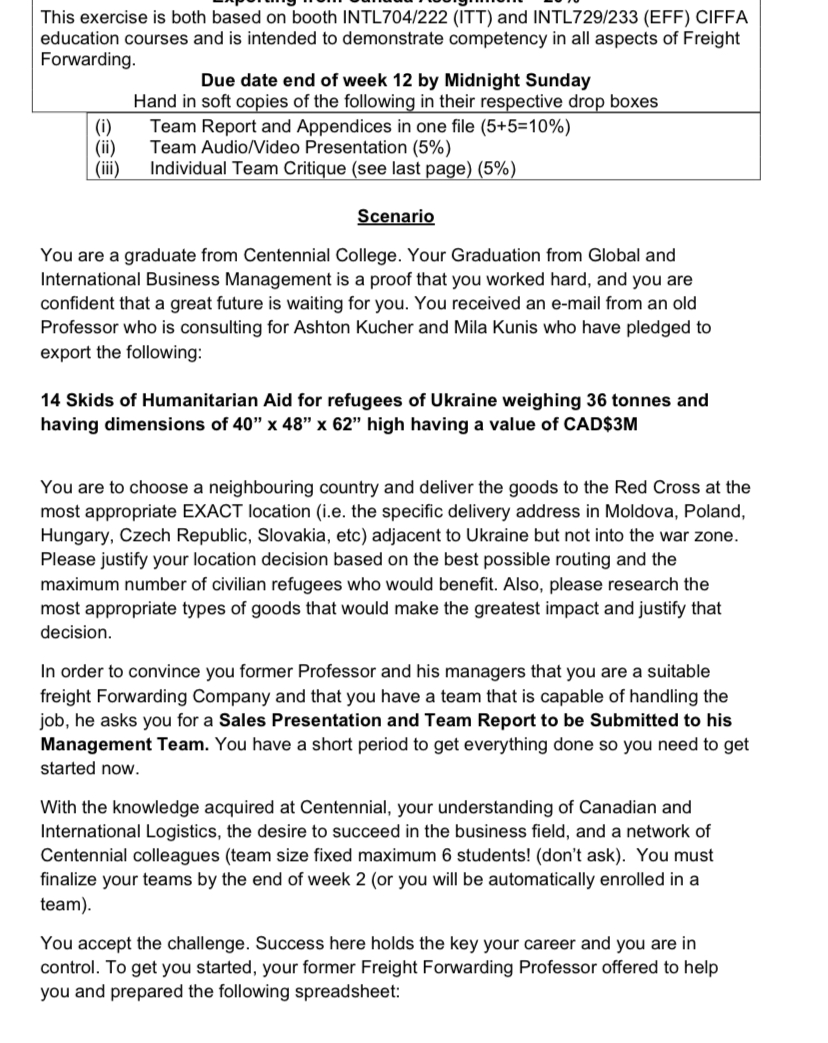
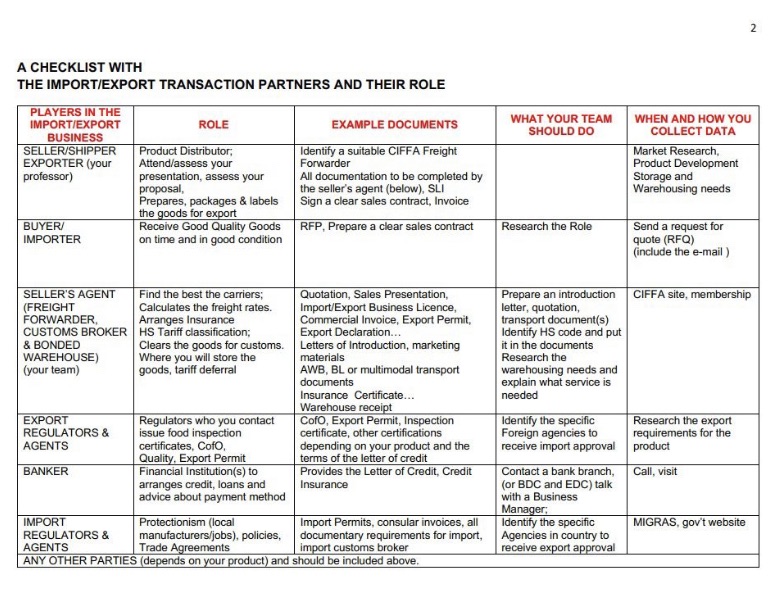
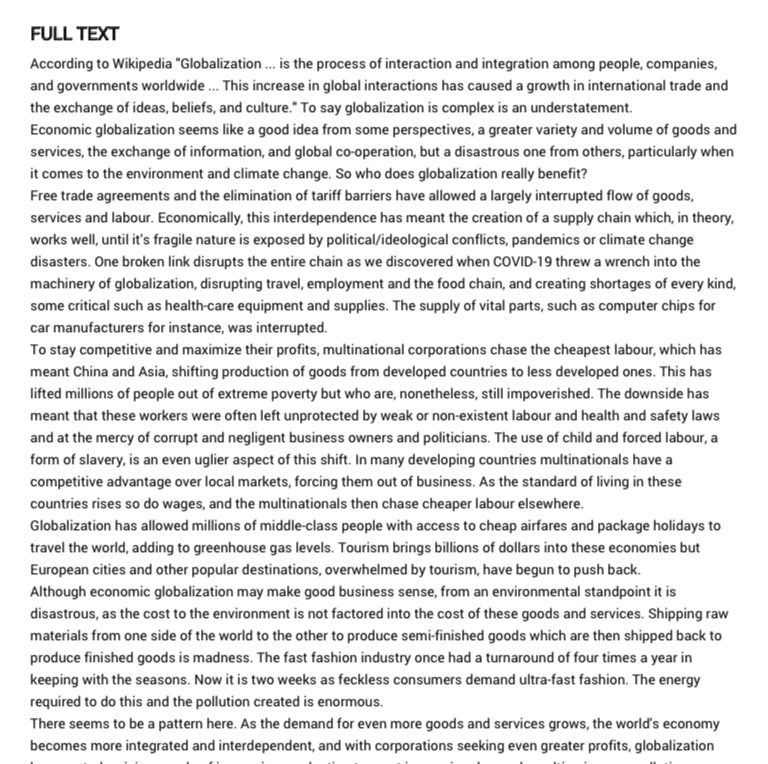
This exercise is both based on booth INTL704/222 (ITT) and INTL729/233 (EFF) CIFFA education courses and is intended to demonstrate competency in all aspects of Freight Forwarding. Due date end of week 12 by Midnight Sunday Hand in soft copies of the following in their respective drop boxes Team Report and Appendices in one file (5+5=10%) Team Audio/Video Presentation (5%) (iii) Individual Team Critique (see last page) (5%) Scenario You are a graduate from Centennial College. Your Graduation from Global and International Business Management is a proof that you worked hard, and you are confident that a great future is waiting for you. You received an e-mail from an old Professor who is consulting for Ashton Kucher and Mila Kunis who have pledged to export the following: 14 Skids of Humanitarian Aid for refugees of Ukraine weighing 36 tonnes and having dimensions of 40" x 48" x 62" high having a value of CAD$3M You are to choose a neighbouring country and deliver the goods to the Red Cross at the most appropriate EXACT location (i.e. the specific delivery address in Moldova, Poland, Hungary, Czech Republic, Slovakia, etc) adjacent to Ukraine but not into the war zone. Please justify your location decision based on the best possible routing and the maximum number of civilian refugees who would benefit. Also, please research the most appropriate types of goods that would make the greatest impact and justify that decision. In order to convince you former Professor and his managers that you are a suitable freight Forwarding Company and that you have a team that is capable of handling the job, he asks you for a Sales Presentation and Team Report to be Submitted to his Management Team. You have a short period to get everything done so you need to get started now. With the knowledge acquired at Centennial, your understanding of Canadian and International Logistics, the desire to succeed in the business field, and a network of Centennial colleagues (team size fixed maximum 6 students! (don't ask). You must finalize your teams by the end of week 2 (or you will be automatically enrolled in a team). You accept the challenge. Success here holds the key your career and you are in control. To get you started, your former Freight Forwarding Professor offered to help you and prepared the following spreadsheet:N A CHECKLIST WITH THE IMPORT/EXPORT TRANSACTION PARTNERS AND THEIR ROLE PLAYERS IN THE ROLE EXAMPLE DOCUMENTS WHAT YOUR TEAM WHEN AND HOW YOU IMPORT/EXPORT SHOULD DO COLLECT DATA BUSINESS SELLER/SHIPPER Product Distributor, Identify a suitable CIFFA Freight Market Research, EXPORTER (your Attend/assess your Forwarder Product Development professor) presentation, assess your All documentation to be completed by Storage and proposal, the seller's agent (below), SLI Warehousing needs Prepares, packages & labels Sign a clear sales contract, Invoice the goods for export BUYER/ Receive Good Quality Goods RFP, Prepare a clear sales contract Research the Role Send a request for IMPORTER on time and in good condition quote (RFQ) (include the e-mail ) SELLER'S AGENT Find the best the carriers; Quotation, Sales Presentation, Prepare an introduction CIFFA site, membership (FREIGHT Calculates the freight rates. Import/Export Business Licence, letter, quotation, FORWARDER, Arranges Insurance Commercial Invoice, Export Permit, transport document(s) CUSTOMS BROKER HS Tariff classification; Export Declaration... Identify HS code and put & BONDED Clears the goods for customs. Letters of Introduction, marketing it in the documents WAREHOUSE) Where you will store the materials Research the (your team) goods, tariff deferral AWB, BL or multimodal transport warehousing needs and documents explain what service is Insurance Certificate... needed Warehouse receipt EXPORT Regulators who you contact CofO, Export Permit, Inspection Identify the specific Research the export REGULATORS & issue food inspection certificate, other certifications Foreign agencies to requirements for the AGENTS certificates, CofO depending on your product and the receive import approval product Quality, Export Permit terms of the letter of credit BANKER Financial Institution(s) to Provides the Letter of Credit, Credit Contact a bank branch, Call, visit arranges credit, loans and Insurance (or BDC and EDC) talk advice about payment method with a Business Manager: IMPORT Protectionism (loca Import Permits, consular invoices, all Identify the specific MIGRAS, gov't website REGULATORS & manufacturers/jobs), policies, documentary requirements for import, Agencies in country to AGENTS Trade Agreements import customs broker receive export approval ANY OTHER PARTIES (depends on your product) and should be included above,FULL TEXT According to Wikipedia "Globalization ... is the process of interaction and integration among people, companies, and governments worldwide ... This increase in global interactions has caused a growth in international trade and the exchange of ideas, beliefs, and culture." To say globalization is complex is an understatement. Economic globalization seems like a good idea from some perspectives, a greater variety and volume of goods and services, the exchange of information, and global co-operation, but a disastrous one from others, particularly when it comes to the environment and climate change. So who does globalization really benefit? Free trade agreements and the elimination of tariff barriers have allowed a largely interrupted flow of goods, services and labour. Economically, this interdependence has meant the creation of a supply chain which, in theory. works well, until it's fragile nature is exposed by political/ideological conflicts, pandemics or climate change disasters. One broken link disrupts the entire chain as we discovered when COVID-19 threw a wrench into the machinery of globalization, disrupting travel, employment and the food chain, and creating shortages of every kind, some critical such as health-care equipment and supplies. The supply of vital parts, such as computer chips for car manufacturers for instance, was interrupted. To stay competitive and maximize their profits, multinational corporations chase the cheapest labour, which has meant China and Asia, shifting production of goods from developed countries to less developed ones. This has lifted millions of people out of extreme poverty but who are, nonetheless, still impoverished. The downside has meant that these workers were often left unprotected by weak or non-existent labour and health and safety laws and at the mercy of corrupt and negligent business owners and politicians. The use of child and forced labour, a form of slavery, is an even uglier aspect of this shift. In many developing countries multinationals have a competitive advantage over local markets, forcing them out of business. As the standard of living in these countries rises so do wages, and the multinationals then chase cheaper labour elsewhere. Globalization has allowed millions of middle-class people with access to cheap airfares and package holidays to travel the world, adding to greenhouse gas levels. Tourism brings billions of dollars into these economies but European cities and other popular destinations, overwhelmed by tourism, have begun to push back. Although economic globalization may make good business sense, from an environmental standpoint it is disastrous, as the cost to the environment is not factored into the cost of these goods and services. Shipping raw materials from one side of the world to the other to produce semi-finished goods which are then shipped back to produce finished goods is madness. The fast fashion industry once had a turnaround of four times a year in keeping with the seasons. Now it is two weeks as feckless consumers demand ultra-fast fashion. The energy required to do this and the pollution created is enormous. There seems to be a pattern here. As the demand for even more goods and services grows, the world's economy becomes more integrated and interdependent, and with corporations seeking even greater profits, globalization
Step by Step Solution
There are 3 Steps involved in it

Get step-by-step solutions from verified subject matter experts
 Study Help