







Question: For Consumer behaviour group assignment, this is my question im doing. How does misinformation change the mind of consumers? Use concepts found in the perception
For Consumer behaviour group assignment, this is my question im doing.
How does misinformation change the mind of consumers? Use concepts found in the perception chapter (ch3) and attitudes chapter (ch7) to explain. Provide examples and craft a narrative in context using the relevant concepts). The TextBook used for this unit is CB9
and one of the tutors here helped me but i had more questions before they closed the question.
This is what i have written so far:
Have you ever come across a piece of information that you believed to be true even though you had seen it everywhere and researched the product or information only to discover that it was Fake news the whole time, leaving you feeling depressed and as if the world has been turned upside down? Typically, this is how a consumer feels when given misinformation and their perceptions and attitudes have been negatively impacted, resulting in a feeling of disbelief and bias of a person or Product/brand.
I also need to put this in presentation form so how would i do that? ^^^^
but my question was how are the concept/theories implemented on this?? The case study given is about The consumption of misinformation and fake news. and it talks about covid.
Attached below was the answer given by the tutor
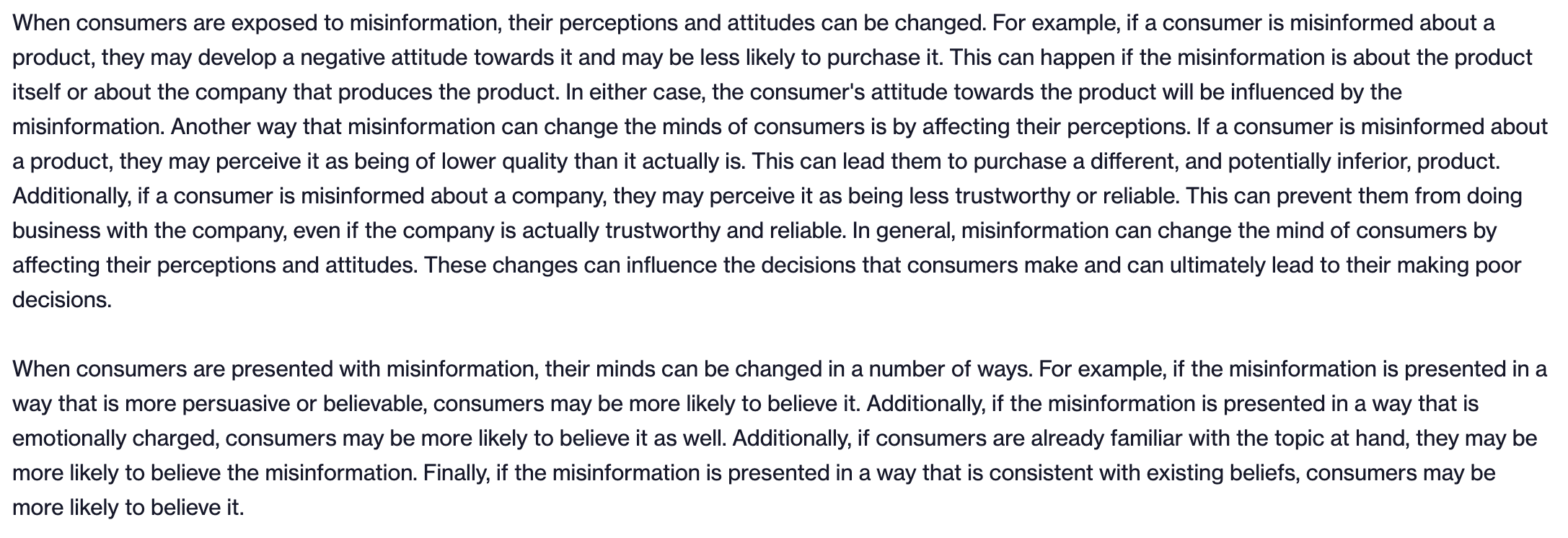
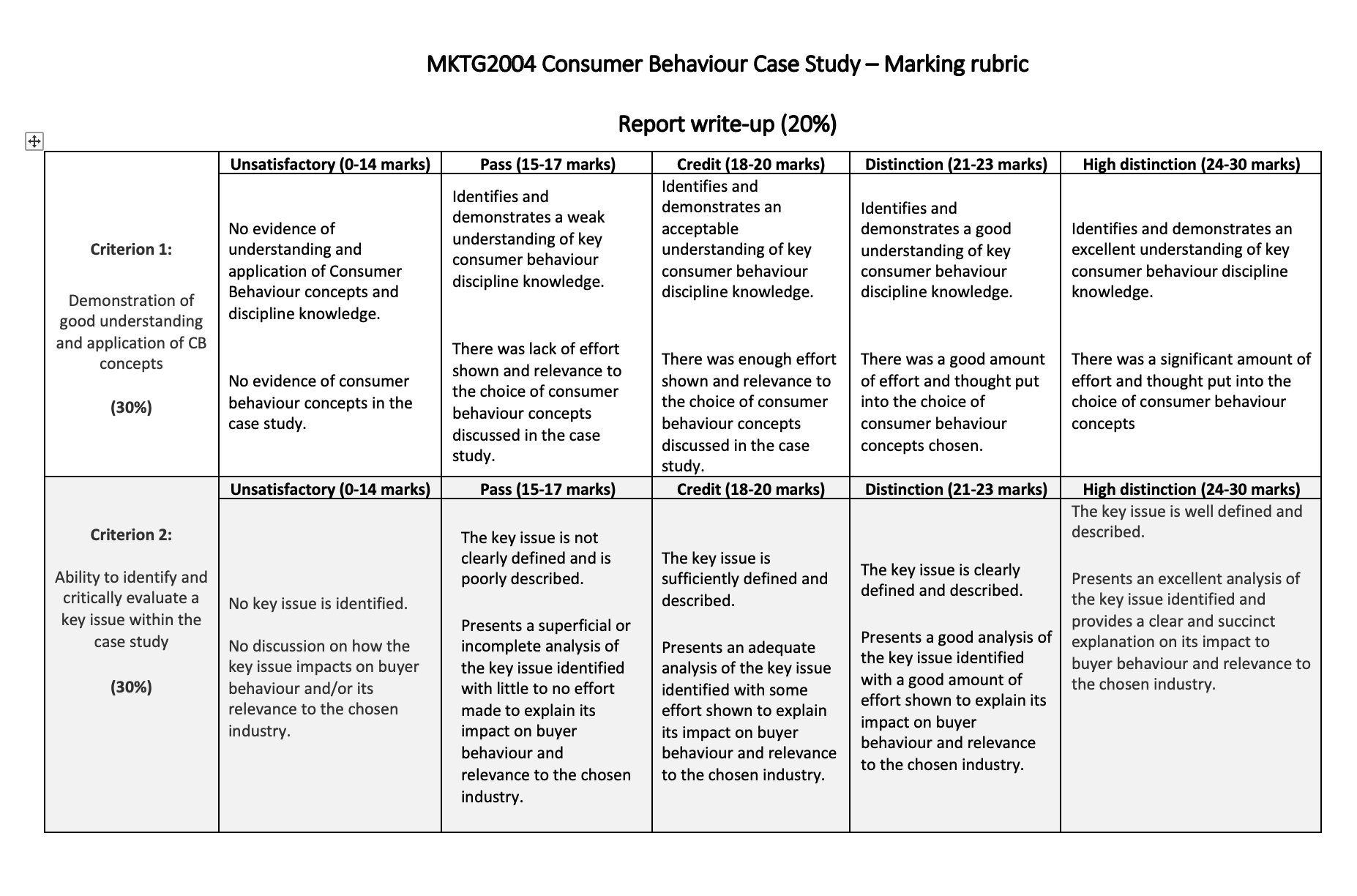
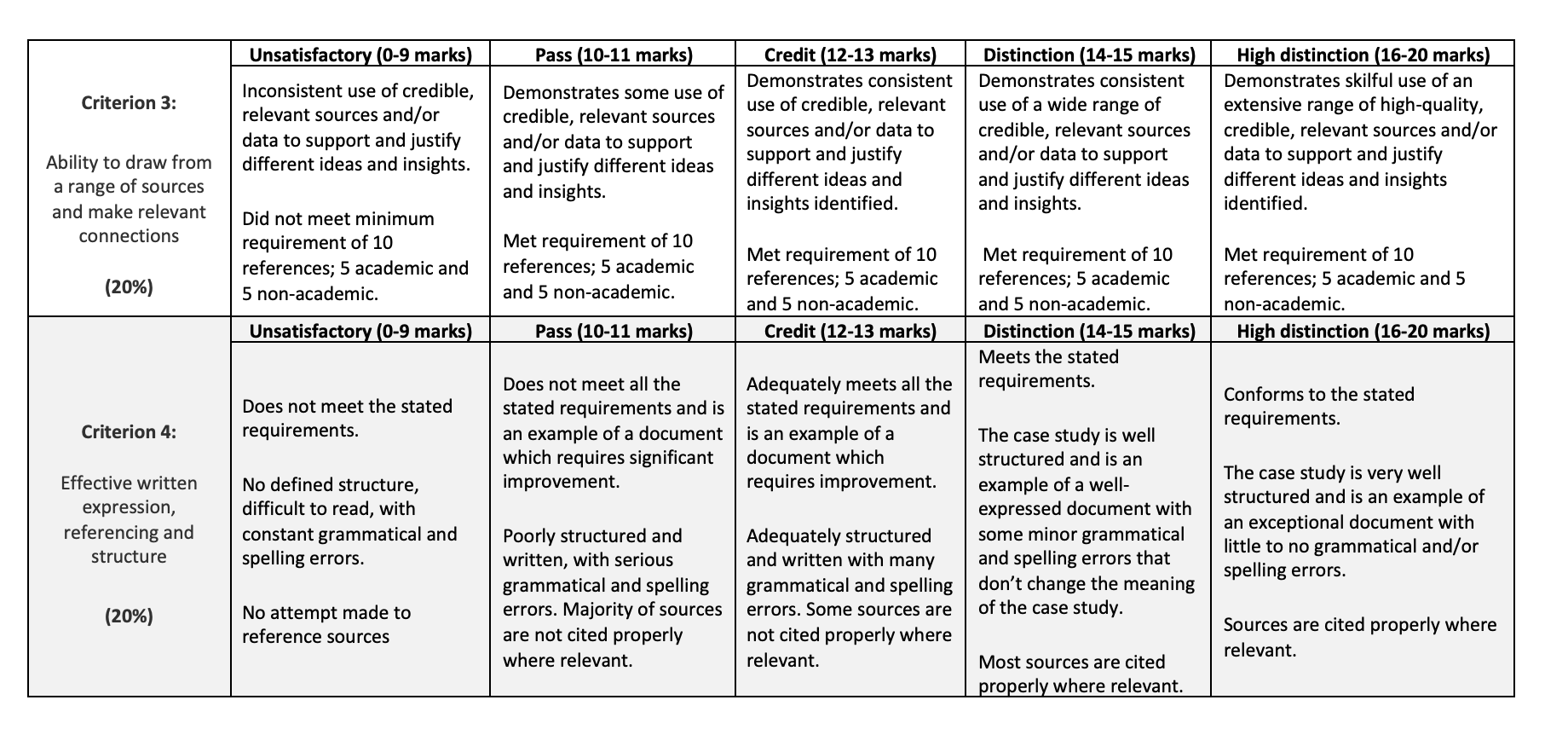
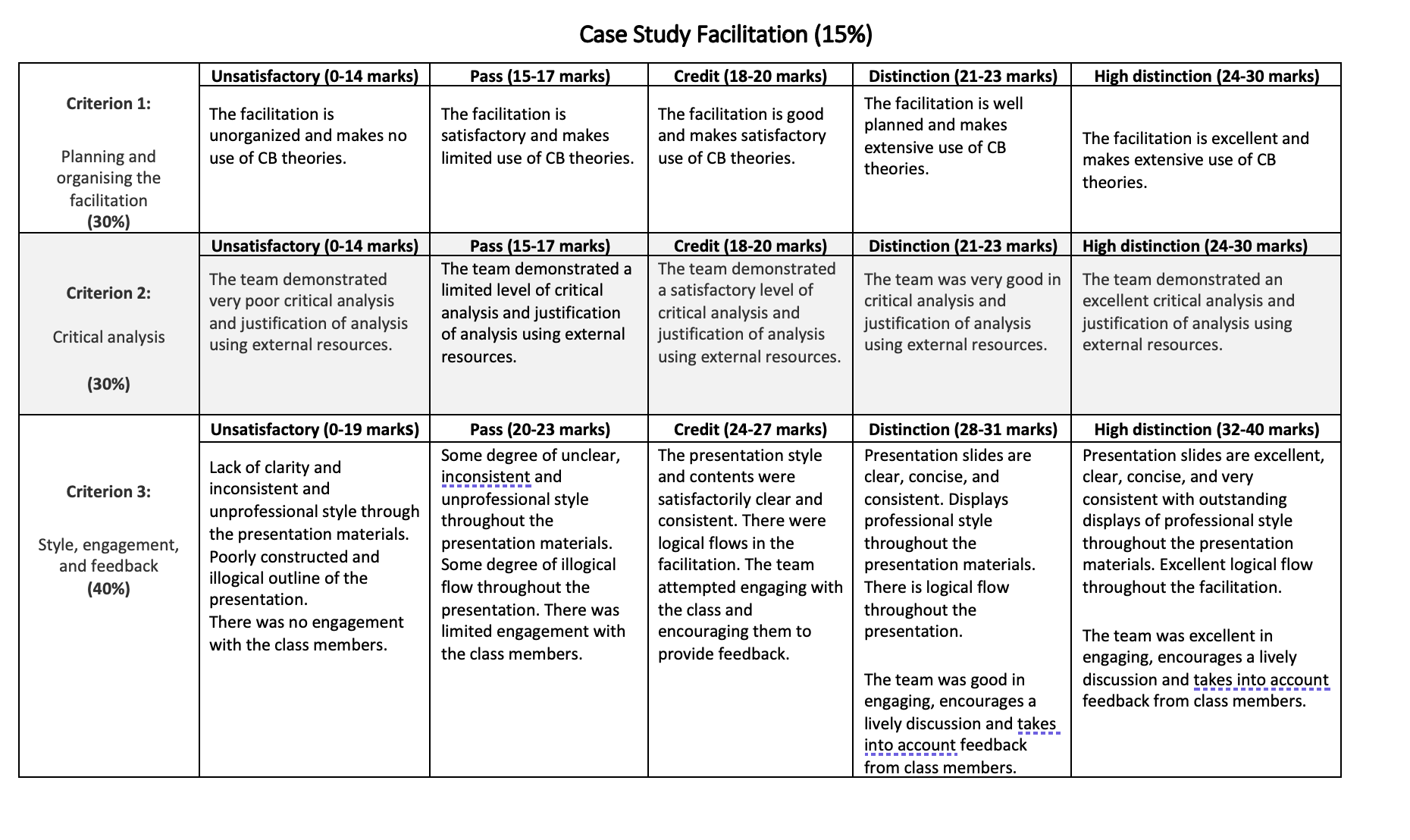
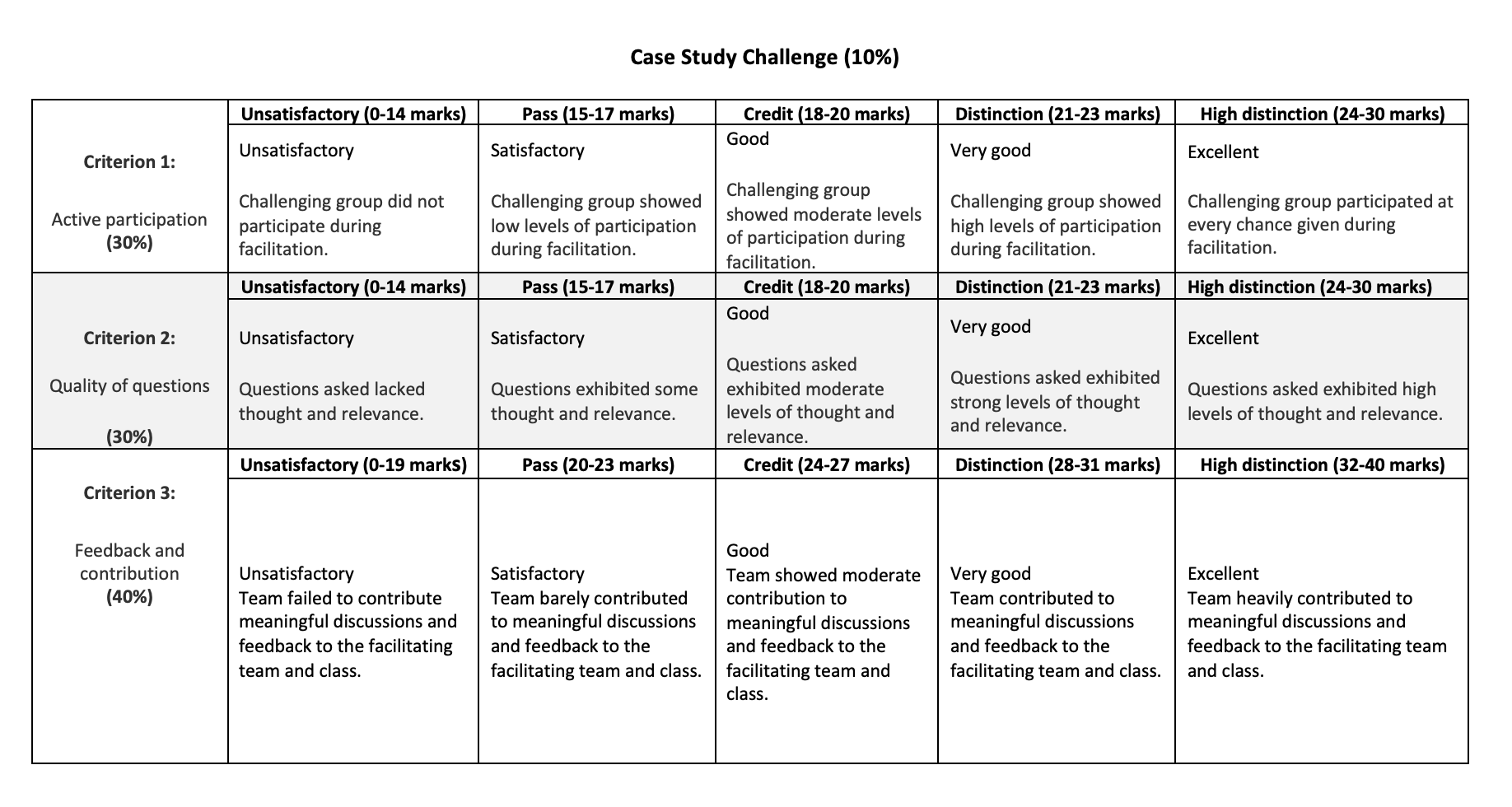
When consumers are exposed to misinformation, their perceptions and attitudes can be changed. For example, if a consumer is misinformed about a product, they may develop a negative attitude towards it and may be less likely to purchase it. This can happen if the misinformation is about the product itself or about the company that produces the product. In either case, the consumer's attitude towards the product will be influenced by the misinformation. Another way that misinformation can change the minds of consumers is by affecting their perceptions. If a consumer is misinformed about a product, they may perceive it as being of lower quality than it actually is. This can lead them to purchase a different, and potentially inferior, product. Additionally, if a consumer is misinformed about a company, they may perceive it as being less trustworthy or reliable. This can prevent them from doing business with the company, even if the company is actually trustworthy and reliable. In general, misinformation can change the mind of consumers by affecting their perceptions and attitudes. These changes can influence the decisions that consumers make and can ultimately lead to their making poor decisions. When consumers are presented with misinformation, their minds can be changed in a number of ways. For example, if the misinformation is presented in a way that is more persuasive or believable, consumers may be more likely to believe it. Additionally, if the misinformation is presented in a way that is emotionally charged, consumers may be more likely to believe it as well. Additionally, if consumers are already familiar with the topic at hand, they may be more likely to believe the misinformation. Finally, if the misinformation is presented in a way that is consistent with existing beliefs, consumers may be more likely to believe it. MKTG2004 Consumer Behaviour Case Study Marking rubric Report write-up (20%) Criterion 1: Demonstration of good understanding and application of CB concepts (30%) No evidence of understanding and application of Consumer Behaviour concepts and discipline knowledge. No evidence of consumer behaviour concepts in the case study. Pass 15-17 marks Identifies and demonstrates a weak understanding of key consumer behaviour discipline knowledge. There was lack of effort shown and relevance to the choice of consumer behaviour concepts discussed in the case study. Credit 18-20 marks Identifies and demonstrates an acceptable understanding of key consumer behaviour discipline knowledge. There was enough effort shown and relevance to the choice of consumer behaviour concepts discussed in the case study. Distinction 21-23 marks Identifies and demonstrates a good understanding of key consumer behaviour discipline knowledge. There was a good amount of effort and thought put into the choice of consumer behaviour concepts chosen. Identifies and demonstrates an excellent understanding of key consumer behaviour discipline knowledge. There was a significant amount of effort and thought put into the choice of consumer behaviour conce pts Criterion 2: Ability to identify and critically evaluate a key issue within the case study (30%) No key issue is identified. No discussion on how the key issue impacts on buyer behaviour and/or its relevance to the chosen industry. The key issue is not clearly defined and is poorly described. Presents a superficial or incomplete analysis of the key issue identified with little to no effort made to explain its impact on buyer behaviour and relevance to the chosen industry. The key issue is sufciently dened and described. Presents an adequate analysis of the key issue identified with some effort shown to explain its impact on buyer behaviour and relevance to the chosen industry. The key issue is clearly defined and described. Presents a good analysis of the key issue identified with a good amount of effort shown to explain its impact on buyer behaviour and relevance to the chosen industry. Hi-h distinction 24-30 marks The key issue is well defined and described. Presents an excellent analysis of the key issue identified and provides a clear and succinct explanation on its impact to buyer behaviour and relevance to the chosen industry. Criterion 3: Ability to draw from a range of sources and make relevant connections (20%) Unsatisfactory (0-9 marks) Pass (10-11 marks) Credit (12-13 marks) Distinction (14-15 marks) High distinction (16-20 marks) Inconsistent use of credible, relevant sources and/or data to support and justify different ideas and insights. Did not meet minimum requirement of 10 references; 5 academic and 5 non-academic. Demonstrates some use of credible, relevant sources and/or data to support and justify different ideas and insights. Met requirement of 10 references: 5 academic and S nonacademic. Demonstrates consistent use of credible, relevant sources and/or data to support and justify different ideas and insights identified. Met requirement of 10 references; 5 academic and 5 non-academic. Demonstrates consistent use of a wide range of credible, relevant sources and/or data to support and justify different ideas and insights. Met requirement of 10 references; 5 academic and 5 non-academic. Demonstrates skilful use ofan extensive range of high-quality, credible, relevant sources and/or data to support and justify different ideas and insights identified. Met requirement of 10 references; 5 academic and 5 non-academic. Criterion 4: Effective written expression, referencing and structure (20%) Does not meet the stated requirements. No defined structure, difficult to read, with constant grammatical and spelling errors. No attempt made to reference sources Does not meet all the stated requirements and is an example of a document which requires signicant improvement. Poorly structured and written, with serious grammatical and spelling errors. Majority of sources are not cited properly where relevant. Adequately meets all the stated requirements and is an example ofa document which requires improvement. Adequately structured and written with many grammatical and spelling errors. Some sources are not cited properly where relevant. Meets the stated requirements. The case study is well structured and is an example of a well- expressed document with some minor grammatical and spelling errors that don't change the meaning of the case study. Most sources are cited u-ro erl where relevant. Conforms to the stated requirements. The case study is very well structured and is an example of an exceptional document with little to no grammatical and/or spelling errors. Sources are cited properly where relevant. Case Study Facilitation (15%) Criterion 1: Planning and organising the facilitation (30%) Criterion 2: Critical analysis (30%) The facilitation is unorganized and makes no use of CB theories. Unsatisfactory_(014 marks) Pass 15-17 marks The facilitation is satisfactory and makes limited use of CB theories. Pass (15-17 marks) Credit 18-20 marks The facilitation is good and makes satisfactory use of CB theories. Credit (18-20 marks) Distinction 21-23 marks The facilitation is well planned and makes extensive use of CB theories. Distinction (21-23 marks) The facilitation is excellent and makes extensive use of CB theories. High distinction (2430 marks) The team demonstrated very poor critical analysis and justication of analysis using external resources. The team demonstrated a limited level of critical analysis and justification of analysis using external resources. The team demonstrated a satisfactory level of critical analysis and justication of analysis using external resources. The team was very good in critical analysis and justication of analysis using external resources. The team demonstrated an excellent critical analysis and justication of analysis using external resources. Criterion 3: Style, engagement, and feedback (40%) Unsatisfactory (0-19 marks) Pass (20-23 marks) Credit (24-27 marks) Distinction (28-31 marks) High distinction (3240 marks) Lack of clarity and inconsistent and unprofessional style through the presentation materials. Poorly constructed and illogical outline ofthe presentation. There was no engagement with the class members. Some degree of unclear, ' istent and unprofessional style throughout the presentation materials. Some degree of illogical flow throughout the presentation. There was limited engagement with the class members. The presentation style and contents were satisfactorily clear and consistent. There were logical flows in the facilitation. The team attempted engaging with the class and encouraging them to provide feedback. Presentation slides are clear, concise, and consistent. Displays professional style throughout the presentation materials. There is logical flow throughout the presentation. The team was good in engaging, encourages a lively discussion and takes ' account feedback from class members. Presentation slides are excellent, clear, concise, and very consistent with outstanding displays of professional style throughout the presentation materials. Excellent logical flow throughout the facilitation. The team was excellent in engaging, encourages a lively discussion and takes into account feedback from class members. Criterion 1: Active participation (30%) Unsatisfacto Unsatisfactory Challenging group did not participate during facilitation. 0-14 marks Case Study Challenge (10%) Pass 15-17 marks Satisfactory Challenging group showed low levels of participation during facilitation. Credit 18-20 marks Good Challenging group showed moderate levels of participation during facilitation. Distinction 21-23 marks Very good Challenging group showed high levels of participation during facilitation. Hih distinction 24-30 marks Excellent Challenging group participated at every chance given during facilitation. Criterion 2: Quality of questions (30%) Unsatisfactory (014 marks) Unsatisfactory Questions asked lacked thought and relevance. Pass (1517 marks) Satisfactory Questions exhibited some thought and relevance. Credit (1820 marks) Good Questions asked exhibited moderate levels of thought and relevance. Distinction (2123 marks) Very good Questions asked exhibited strong levels ofthought and relevance. High distinction (2430 marks) Excel lent Questions asked exhibited high levels of thought and relevance. Criterion 3: Feedback and contribution (40%) Unsatisfactory (0-19 marks) Unsatisfactory Team failed to contribute meaningful discussions and feedback to the facilitating team and class. Pass [20-23 marks) Satisfactory Team barely contributed to meaningful discussions and feedback to the facilitating team and class. Credit (24-27 marks) Good Team showed moderate contribution to meaningful discussions and feedback to the facilitating team and class. Distinction (28-31 marks) Very good Team contributed to meaningful discussions and feedback to the facilitating team and class. High distinction (32-40 marks) Excellent Team heavily contributed to meaningful discussions and feedback to the facilitating team and class
Step by Step Solution
There are 3 Steps involved in it

Get step-by-step solutions from verified subject matter experts
 Study Help