Question: Function Transformation The graph of f (ac) = 3:2 is sketched in black and it had undergone a series of translations to graphs of functions

Function Transformation
Function Transformation The graph of f (ac) = 3:2Function Transformation The graph of f (ac) = 3:2Function Transformation The graph of f (ac) = 3:2Function Transformation The graph of f (ac) = 3:2Function Transformation The graph of f (ac) = 3:2Function Transformation The graph of f (ac) = 3:2Function Transformation The graph of f (ac) = 3:2Function Transformation The graph of f (ac) = 3:2
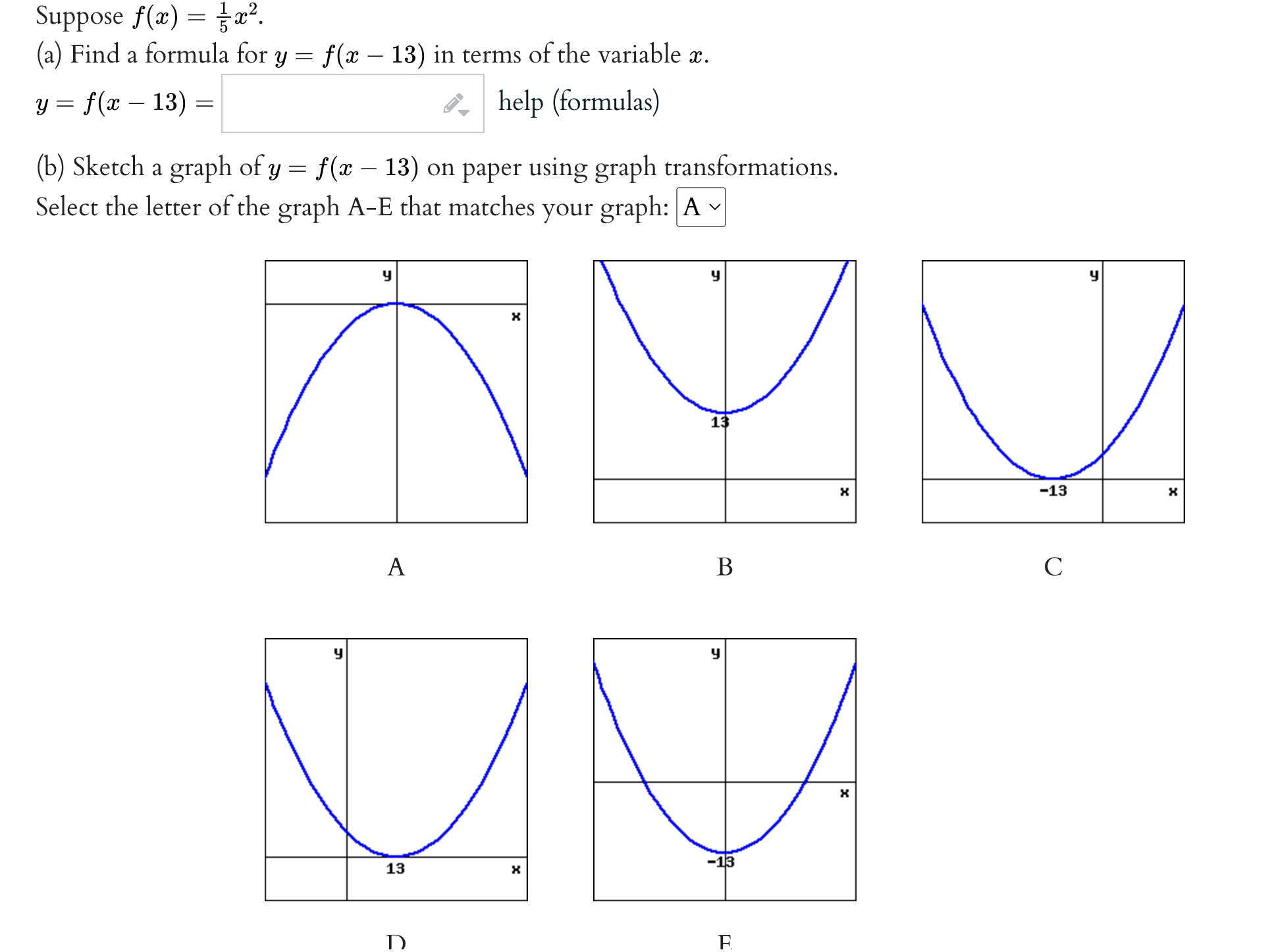
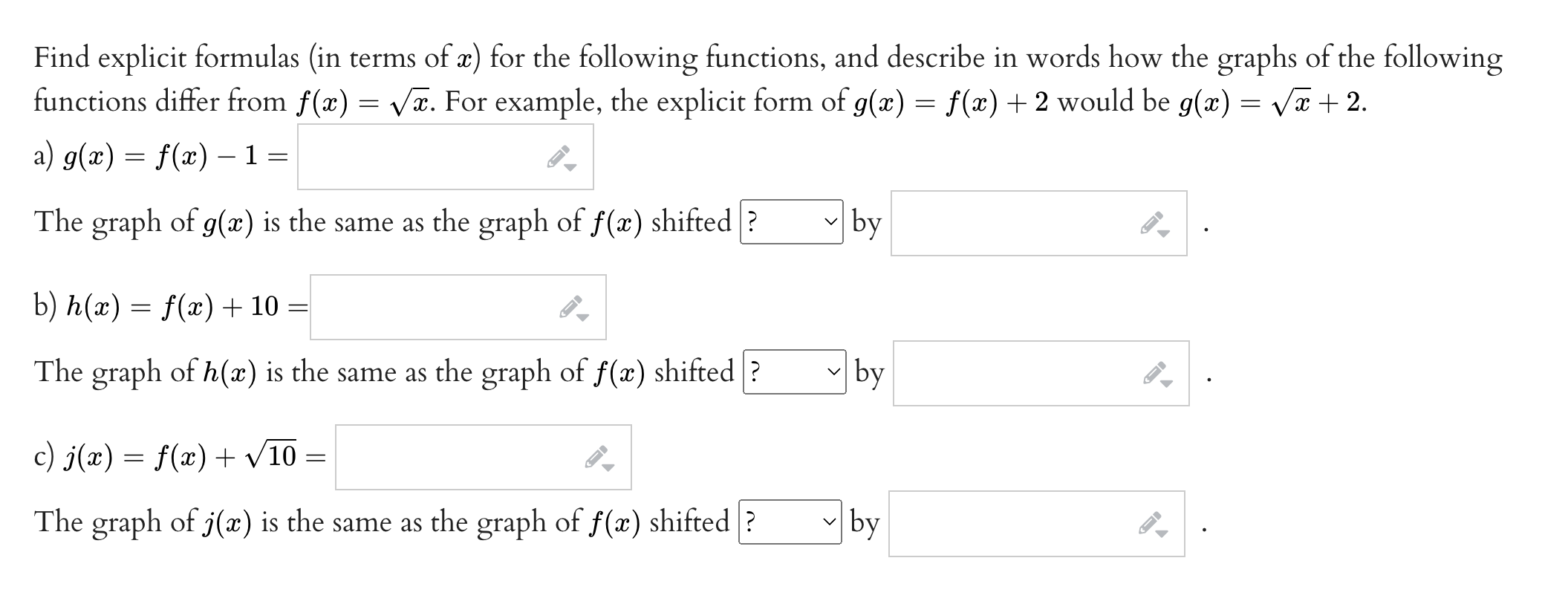
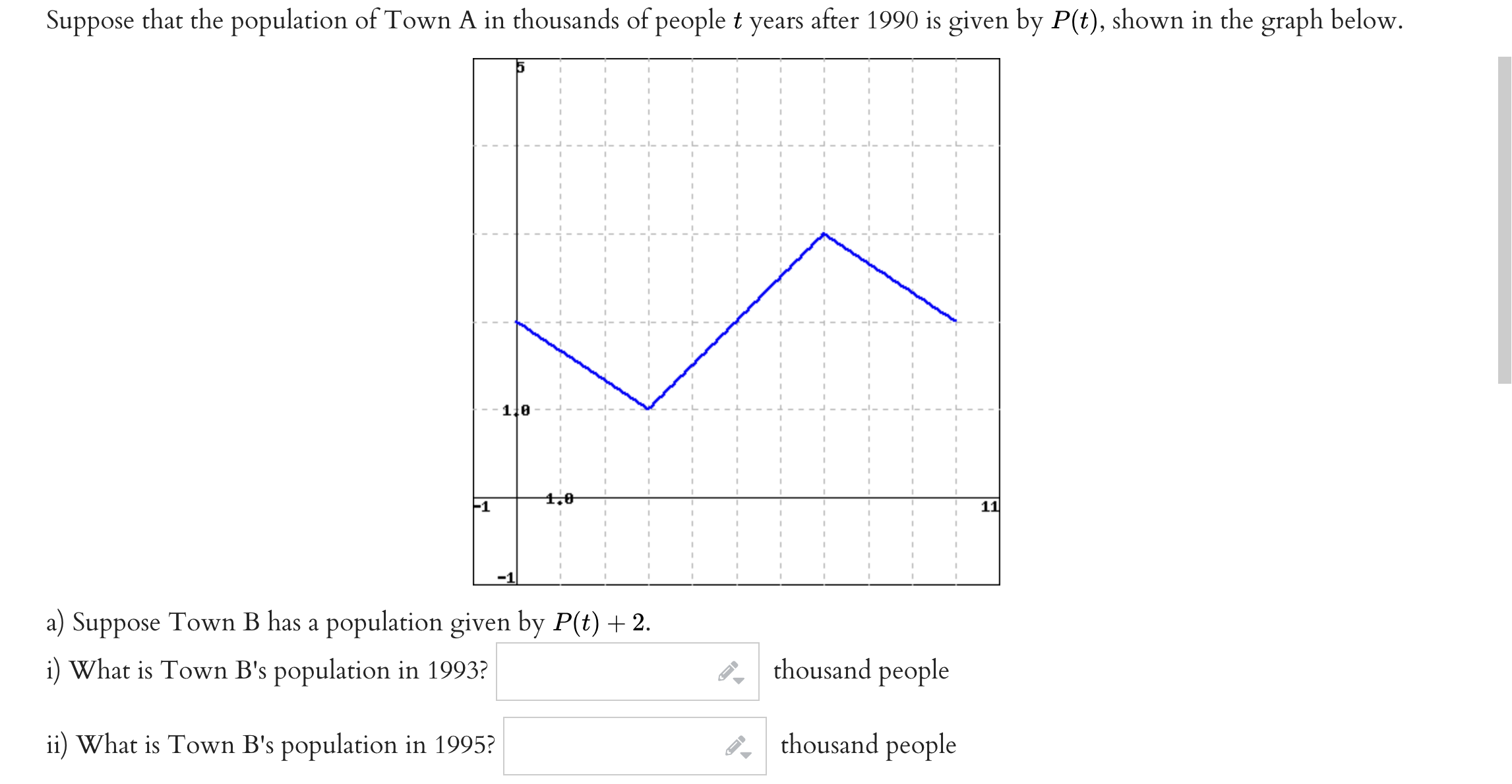
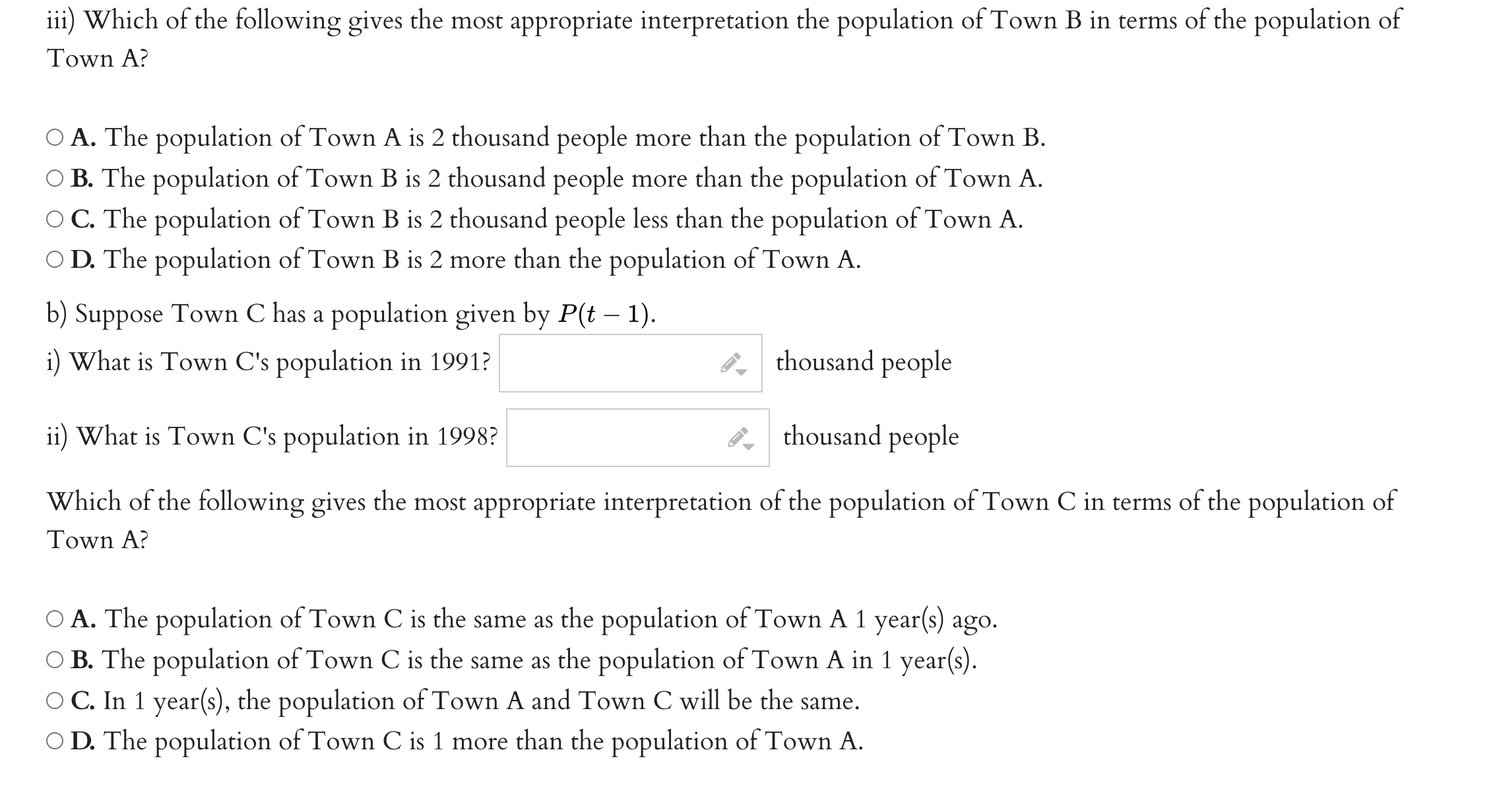
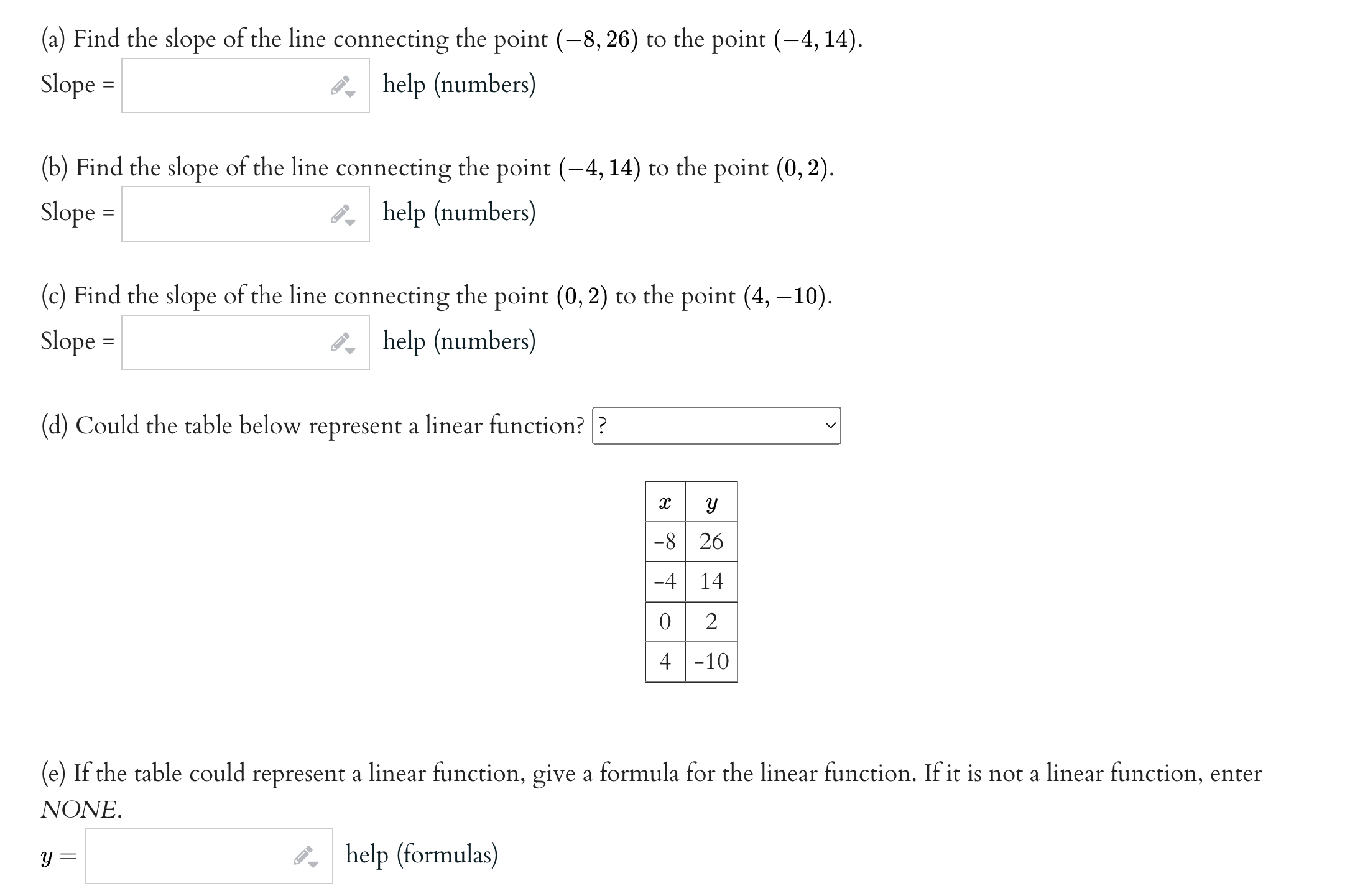
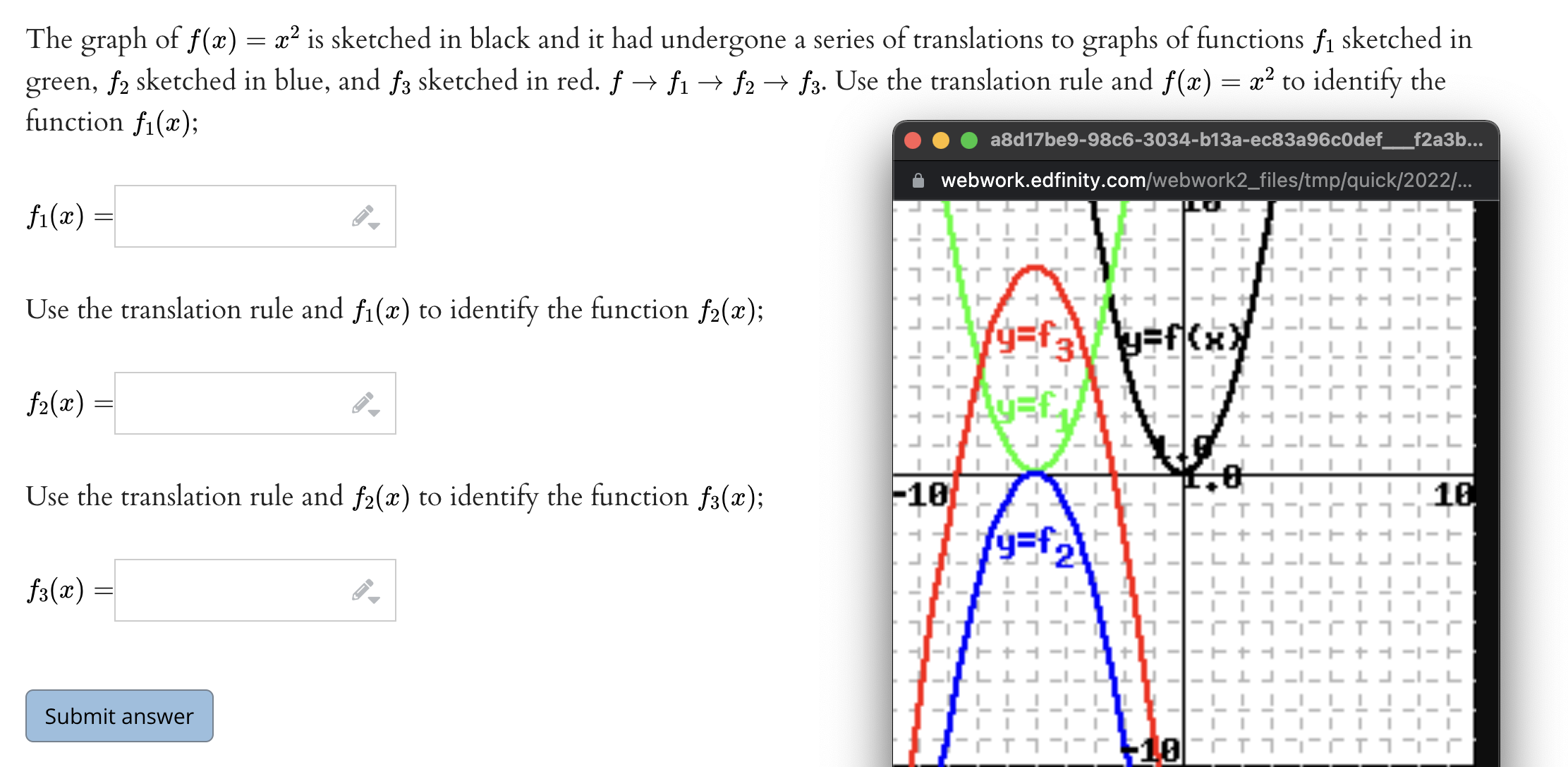
The graph of f (ac) = 3:2 is sketched in black and it had undergone a series of translations to graphs of functions f1 sketched in green, f2 sketched in blue, and f3 sketched in red. f > f1 > f2 > f3. Use the translation rule and f(m) = 3:2 to identify the function f1(a:); webwork.edfinity.com f1($) = '93 Use the translation rule and f1(ac) to identify the function f2(ac); _LJ f2($) = '3 Use the translation rule and f2(:c) to identify the function f3(:c); T. 1. L I f3($) = i. .1- .1- _.l_ Suppose f(m) = %zc2. (a) Find a formula for y = f(:c 13) in terms of the variable 33. y = f($ 13) = y; help (formulas) (1)) Sketch a graph of y - f (:c 13) on paper using graph transformations. Select the letter of the graph A E that matches your graph:- A v Find a formula for a function g(:c) whose graph is obtained from f(m) = 3:2 by shifting right 3 units and up 7 units. 9(13) = i. Find explicit formulas (in terms of :12) for the following functions, and describe in words how the graphs of the following functions diHer from at) = J; For example, the explicit form ofg(a:) = f(m) + 2 would be g(:v) = x/E + 2. 3) 9(93) = f($) 1 = y: The graph of g(m) is the same as the graph of f(:v) shifted by f, b) h(a:) = f(a:) + 10 = i. The graph of h(:c) is the same as the graph of f (at) shifted ? V by f. C)J'($)=f(93)+\\/1= f. The graph of 1(33) is the same as the graph of f(m) shifted P v by i. Suppose that the population of Town A in thousands of people t years after 1990 is given by P(t), shown in the graph below. a) Suppose Town B has a population given by P(t) + 2. i) What is Town B's population in 1993? a; thousand people ii) What is Town B's population in 1995? a; thousand people iii) Which of the following gives the most appropriate interpretation the population of Town B in terms of the population of Town A? O A. The population of Town A is 2 thousand people more than the population of Town B. O B. The population of Town B is 2 thousand people more than the population of Town A. O C. The population of Town B is 2 thousand people less than the population of Town A. O D. The population of Town B is 2 more than the population of Town A. b) Suppose Town C has a population given by P(t 1). i) What is Town C's population in 1991? A thousand people ii) What is Town C's population in 1998? A thousand people Which of the following gives the most appropriate interpretation of the population of Town C in terms of the population of Town A? O A. The population of Town C is the same as the population of Town A 1 year(s) ago. 0 B. The population of Town C is the same as the population of Town A in 1 year(s). O C. In 1 year(s), the population of Town A and Town C will be the same. 0 D. The population of Town C is 1 more than the population of Town A. \f(a) Find the slope of the line connecting the point (8, 26) to the point (4,14). Slope = 91 help (numbers) (b) Find the slope of the line connecting the point (4, 14) to the point (0,2). Slope = f, help (numbers) (c) Find the slope of the line connecting the point (0,2) to the point (4, 10). Slope = 9" help (numbers) (d) Could the table below represent a linear function? ? v :13 y -8 26 4 14 2 4 10 (e) If the table could represent a linear function, give a formula for the linear function. If it is not a linear function, enter NONE. y = 9" help (formulas)

Step by Step Solution

There are 3 Steps involved in it

1 Expert Approved Answer
Step: 1 Unlock blur-text-image

Question Has Been Solved by an Expert!

Get step-by-step solutions from verified subject matter experts

Step: 2 Unlock
Step: 3 Unlock

Students Have Also Explored These Related Mathematics Questions!