







Question: Given shell #include #include #include #include #include #include #include #include #define MAXLINE 80 #define MAXARGS 20 #define MAX_PATH_LENGTH 50 #define TRUE 1 /* function prototypes

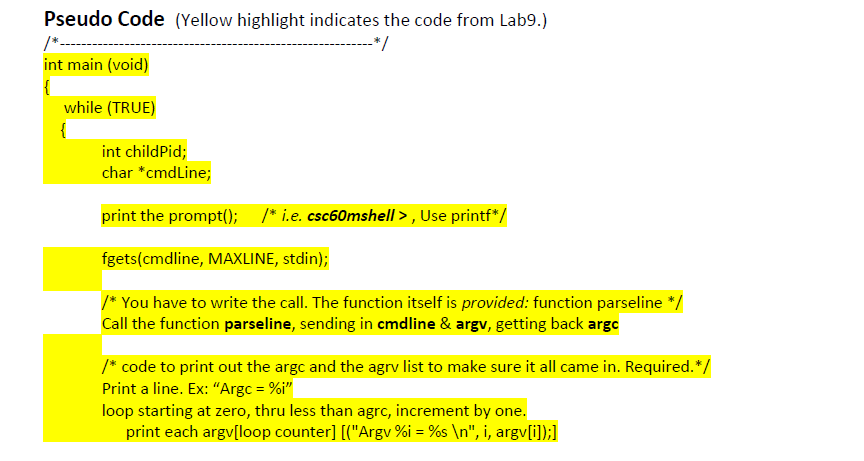
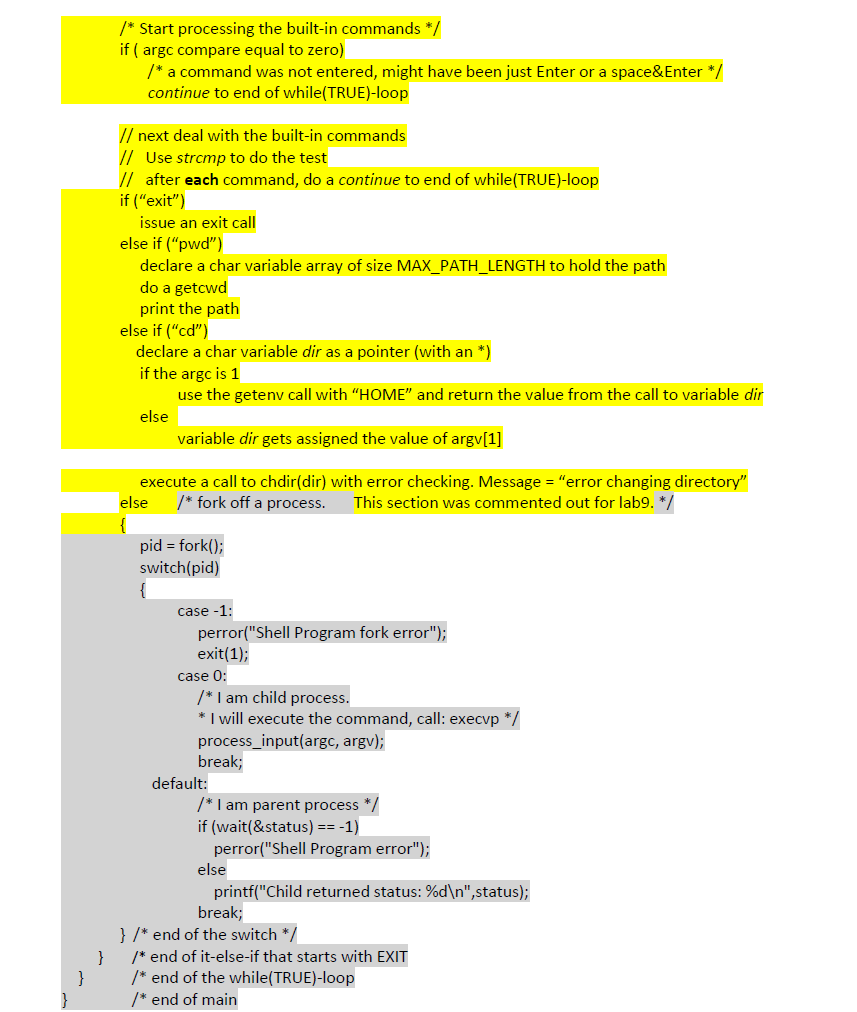
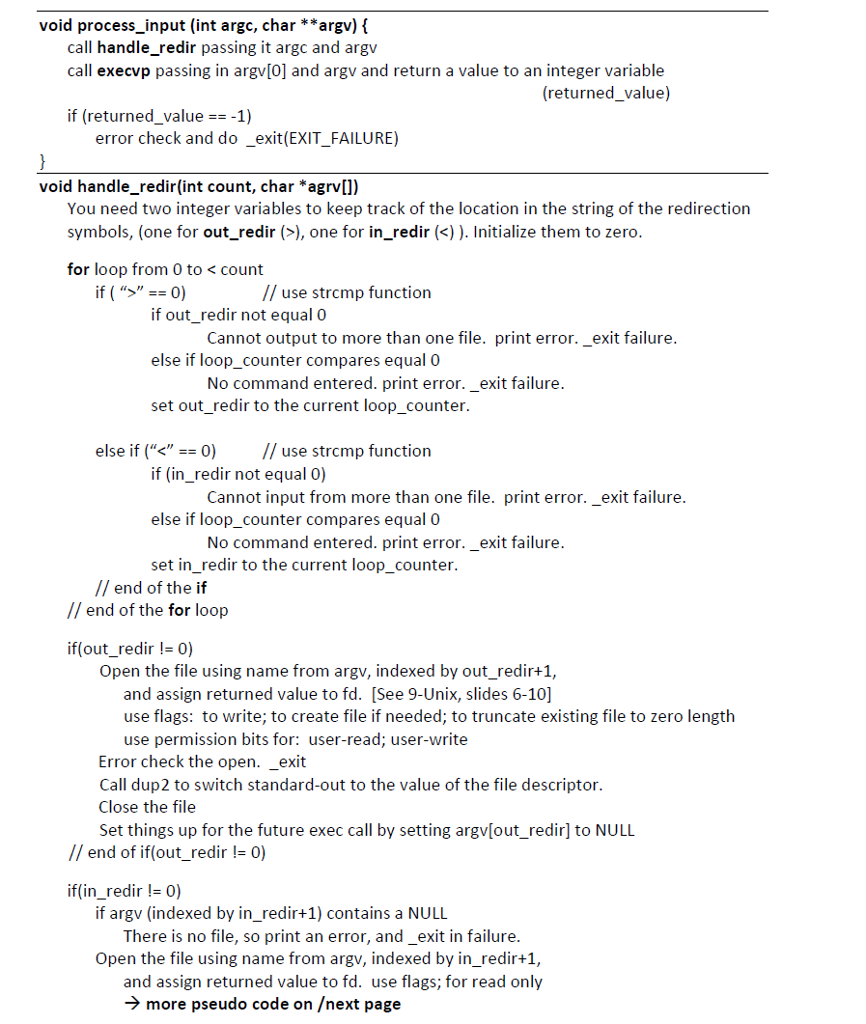
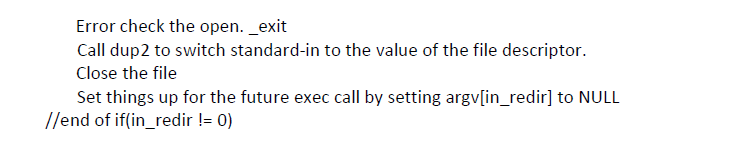
Given shell
#include
#include
#include
#include
#include
#include
#include
#include
#define MAXLINE 80
#define MAXARGS 20
#define MAX_PATH_LENGTH 50
#define TRUE 1
/* function prototypes */
int parseline(char *cmdline, char **argv);
//The two function prototypess below will be needed in lab10.
//Leave them here to be used later.
/* void process_input(int argc, char **argv); */
/* void handle_redir(int count, char *argv[]); */
/* ----------------------------------------------------------------- */
/* The main program starts here */
/* ----------------------------------------------------------------- */
int main(void)
{
char cmdline[MAXLINE];
char *argv[MAXARGS];
char path[MAX_PATH_LENGTH];
char* path1=(char*)malloc(50);
int argc;
int status;
pid_t pid;
/* Loop forever to wait and process commands */
while (TRUE) {
/* Print your shell name: csc60mshell (m for mini shell) */
printf("csc60msh> ");
/* Read the command line */
fgets(cmdline, MAXLINE, stdin);
/* Call parseline to build argc/argv */
argc=parseline(cmdline,argv);
/* If user hits enter key without a command, continue to loop */
/* again at the beginning */
/* Hint: if argc is zero, no command declared */
/* Hint: look up for the keyword "continue" in C */
if(argc == 0)
continue;
/* Handle build-in command: exit, pwd, or cd */
/* Put the rest of your code here */
if(strcmp(argv[0], "exit")==0){
exit(0);
}else if(strcmp(argv[0], "pwd")==0){
if(getcwd(path,MAX_PATH_LENGTH)==NULL){
printf("%s%s ",strerror(errno),path);}
printf("%s ",path);
}else if(strcmp(argv[0],"cd")==0){
if(argc==1){
path1=getenv("HOME");
if(path1!=NULL){
if(chdir(path1)!=0){
printf("%s%s ",strerror(errno),path1);
}
}
}else{
if(chdir(argv[1])!=0){
printf("%s%s ",strerror(errno),argv[1]);
}
}
//.......................IGNORE........................
// /* Else, fork off a process */
// else {
// pid = fork();
// switch(pid)
// {
// case -1:
// perror("Shell Program fork error");
// exit(EXIT_FAILURE);
// case 0:
// /* I am child process. I will execute the command, */
// /* and call: execvp */
// process_input(argc, argv);
// break;
// default:
// /* I am parent process */
// if (wait(&status) == -1)
// perror("Parent Process error");
// else
// printf("Child returned status: %d ",status);
// break;
// } /* end of the switch */
//...end of the IGNORE above.........................
} /* end of the if-else-if */
} /* end of the while */
} /* end of main */
/* ----------------------------------------------------------------- */
/* parseline */
/* ----------------------------------------------------------------- */
/* parse input line into argc/argv format */
int parseline(char *cmdline, char **argv)
{
int count = 0;
char *separator = " \t"; /* Includes space, Enter, Tab */
/* strtok searches for the characters listed in separator */
argv[count] = strtok(cmdline, separator);
while ((argv[count] != NULL) && (count+1
argv[++count] = strtok((char *) 0, separator);
return count;
}
/* ----------------------------------------------------------------- */
/* process_input */
/* ----------------------------------------------------------------- */
/*void process_input(int argc, char **argv) { */
/* Step 1: Call handle_redir to deal with operators: */
/* , or both */
/* Step 2: perform system call execvp to execute command */
/* Hint: Please be sure to review execvp.c sample program */
/* if (........ == -1) { */
/* fprintf(stderr, "Error on the exec call "); */
/* _exit(EXIT_FAILURE); */
/* } */
// }
/* ----------------------------------------------------------------- */
//void handle_redir(int count, char *argv[])
/* ----------------------------------------------------------------- */
UNIX Shell Now we need to implement a fork and an exec, and code to handle redirection. UNIX Shell Now we need to implement a fork and an exec, and code to handle redirection
Step by Step Solution
There are 3 Steps involved in it

Get step-by-step solutions from verified subject matter experts
 Study Help