







Question: Head & Shoulders case study using 4 steps 1. situation (who, what, when, where) who what when where 2. ethical standards (write the definitions and
 "Head & Shoulders" case study using 4 steps
1. situation (who, what, when, where)
who
what
when
where
2. ethical standards (write the definitions and relate actions in the case to the definition)
3. consequences (who was affected and how?)
- individual
- family
- organization
- employees
- customers
- shareholders
- suppliers
- competitors
- government
- society
4. Bible verses (write the verse and explain how the actions done relate directly to what God says)
1.
2.
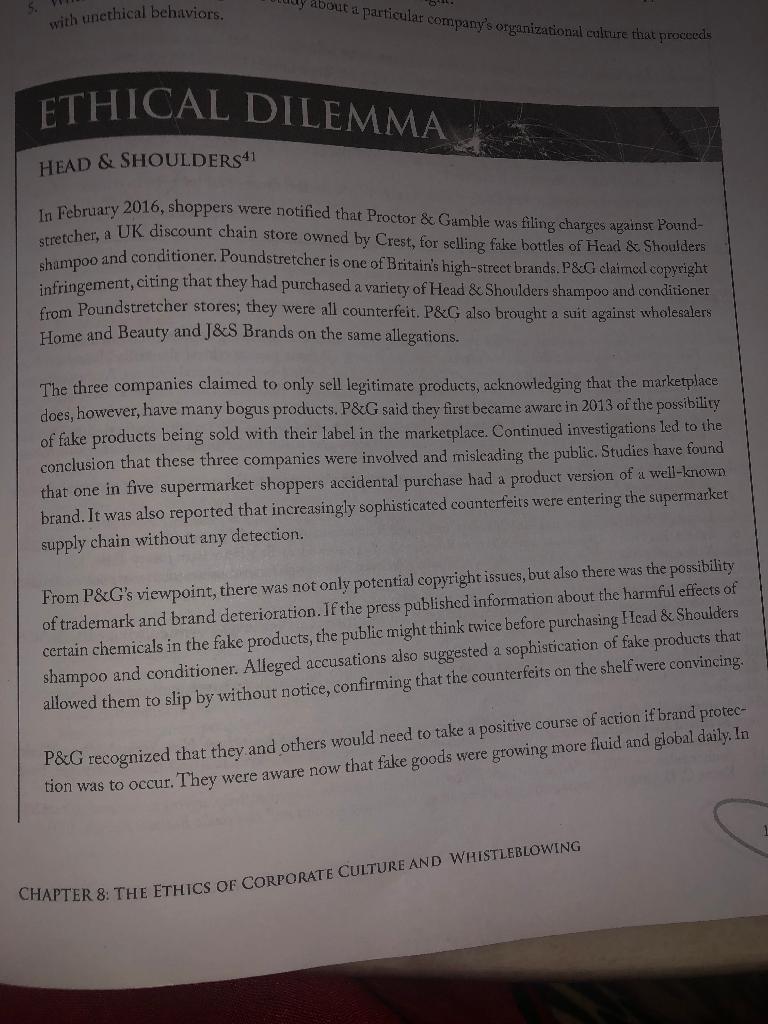
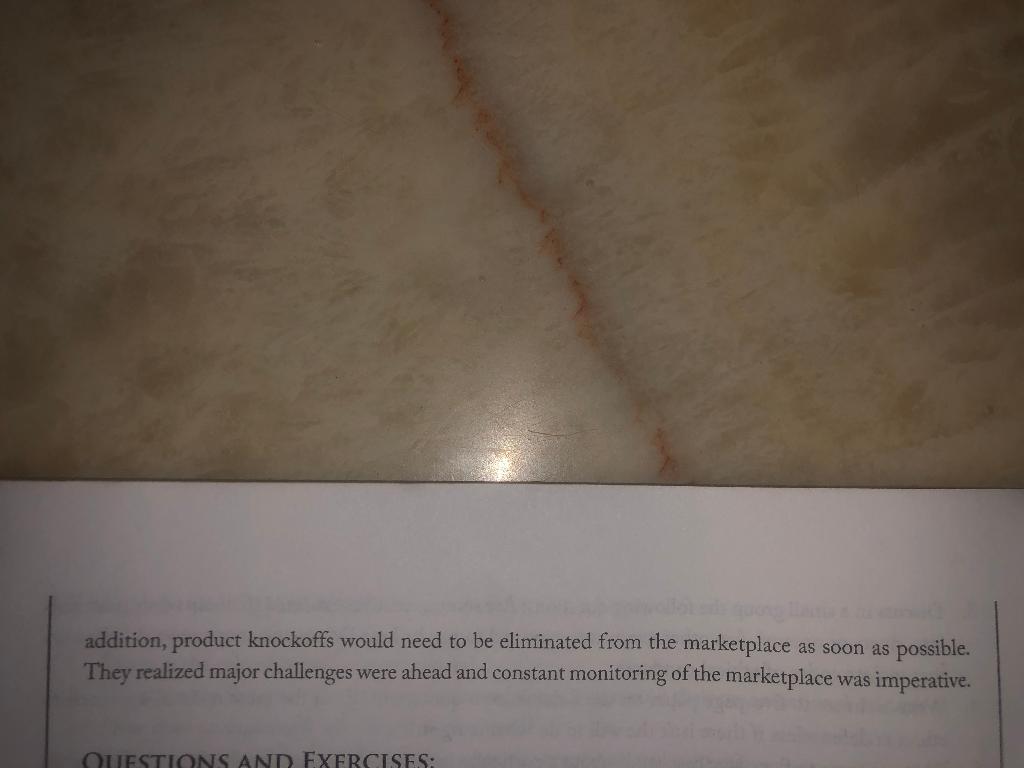
with unethical behaviors. about a particular company's organizational culture that proceeds ETHICAL DILEMMA HEAD & SHOULDERS41 In February 2016, shoppers were notified that Proctor & Gamble was filing charges against Pound- stretcher, a UK discount chain store owned by Crest, for selling fake bottles of Head & Shoulders shampoo and conditioner . Poundstretcher is one of Britain's high-street brands. P&C claimul copyright infringement, citing that they had purchased a variety of Head & Shoulders shampoo and conditioner from Poundstretcher stores; they were all counterfeit. P&G also brought a suit against wholesalers Home and Beauty and J&S Brands on the same allegations. The three companies claimed to only sell legitimate products, acknowledging that the marketplace does, however, have many bogus products. P&G said they first became aware in 2013 of the possibility of fake products being sold with their label in the marketplace. Continued investigations led to the conclusion that these three companies were involved and misleading the public. Studies have found that one in five supermarket shoppers accidental purchase had a product version of a well-known brand. It was also reported that increasingly sophisticated counterfeits were entering the supermarket supply chain without any detection. From P&G's viewpoint, there was not only potential copyright issues, but also there was the possibility of trademark and brand deterioration. If the press published information about the harmful effects of certain chemicals in the fake products, the public might think twice before purchasing Head & Shoulders shampoo and conditioner. Alleged accusations also suggested a sophistication of fake products that allowed them to slip by without notice, confirming that the counterfeits on the shelf were convincing. P&G recognized that they and others would need to take a positive course of action if brand protec- tion was to occur. They were aware now that fake goods were growing more fluid and global daily. In CHAPTER 8: THE ETHICS OF CORPORATE CULTURE AND WHISTLEBLOWING addition, product knockoffs would need to be eliminated from the marketplace as soon as possible. They realized major challenges were ahead and constant monitoring of the marketplace was imperative. OUESTIONS AND EXERCISESStep by Step Solution
There are 3 Steps involved in it
1 Expert Approved Answer
Step: 1 Unlock

Question Has Been Solved by an Expert!
Get step-by-step solutions from verified subject matter experts
Step: 2 Unlock
Step: 3 Unlock
 Study Help