







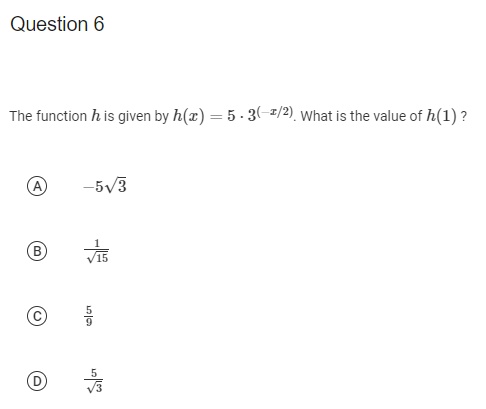
Question: Hello! I'm studying for a test for my Calculus! A thorough explanation would be appreciated ty! Question 6 The function h is given by h(x)
Hello! I'm studying for a test for my Calculus! A thorough explanation would be appreciated ty!
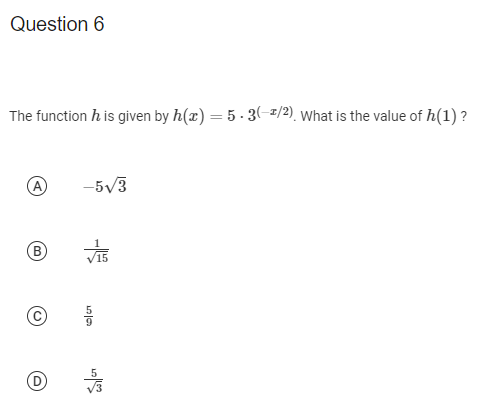
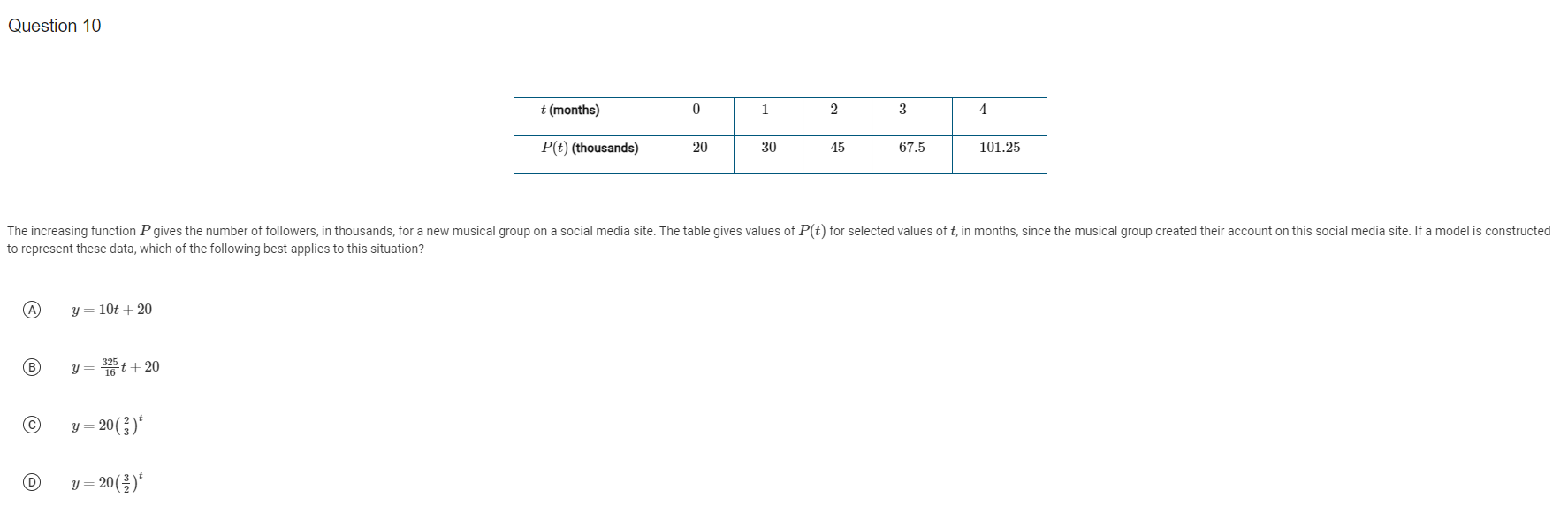
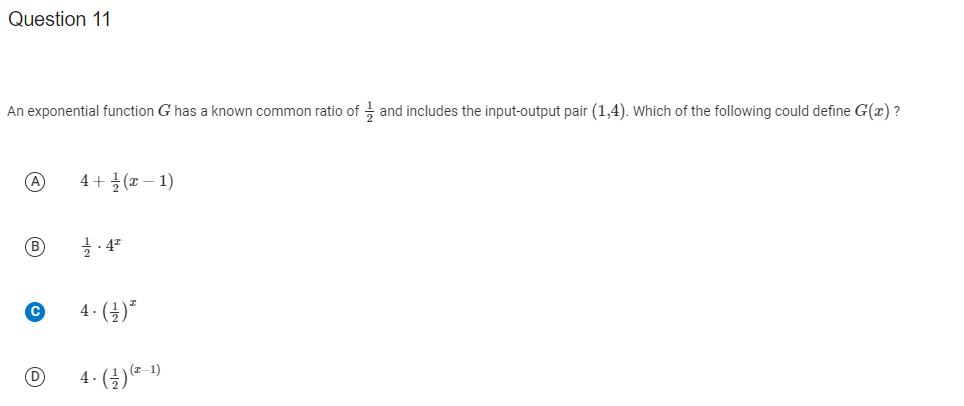
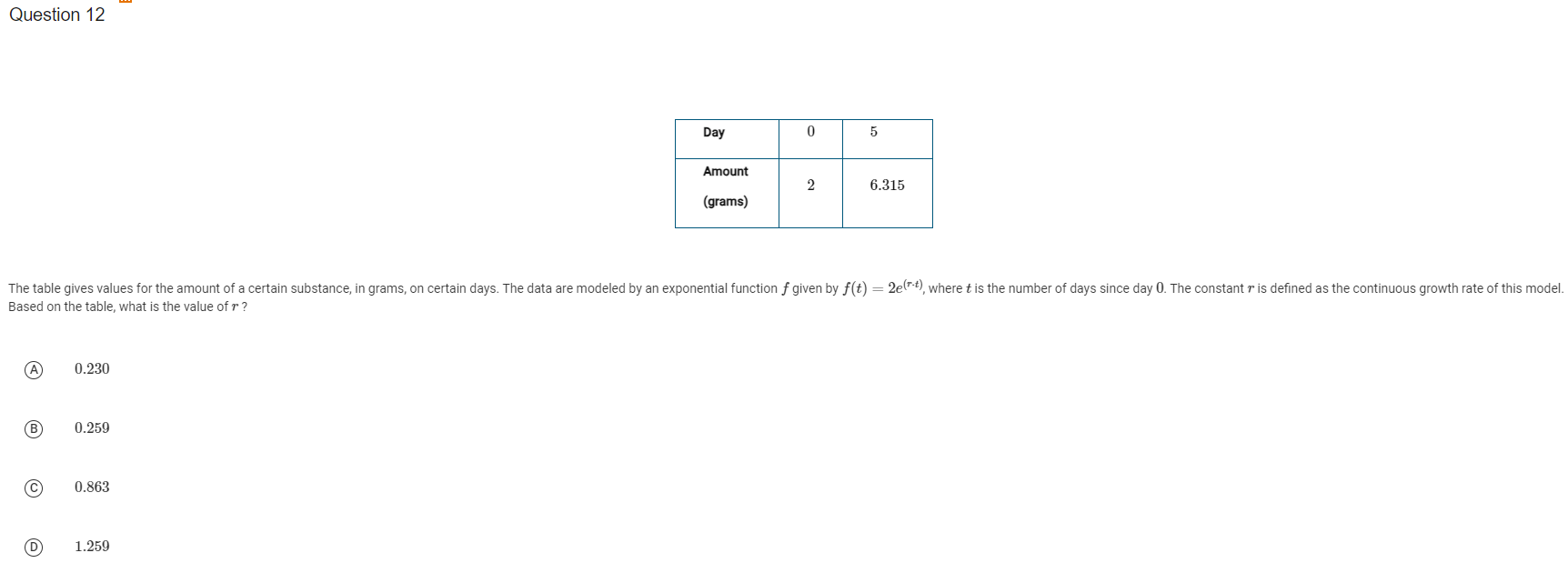
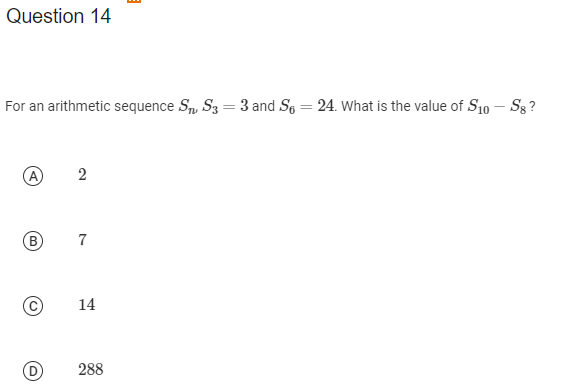
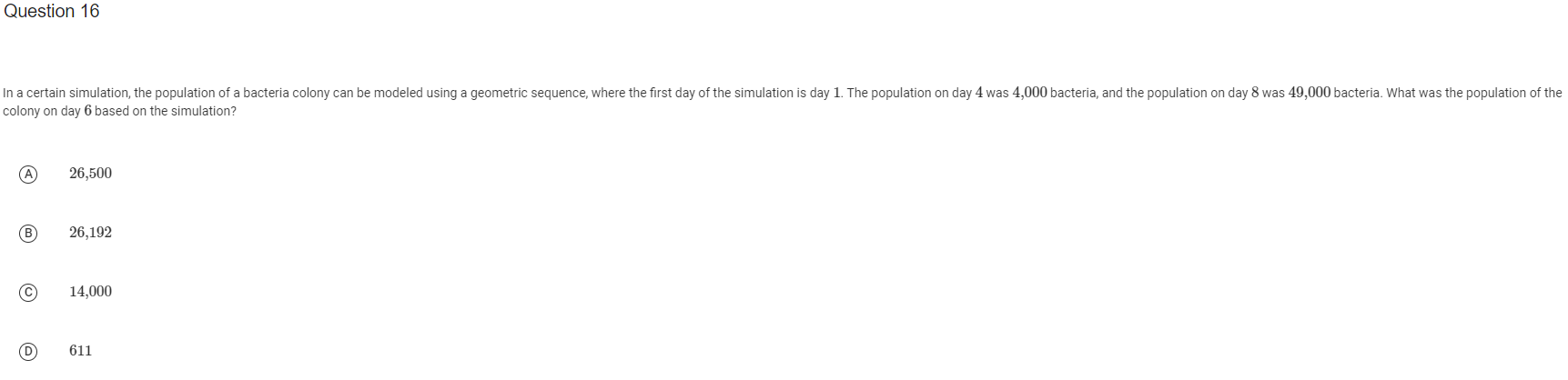
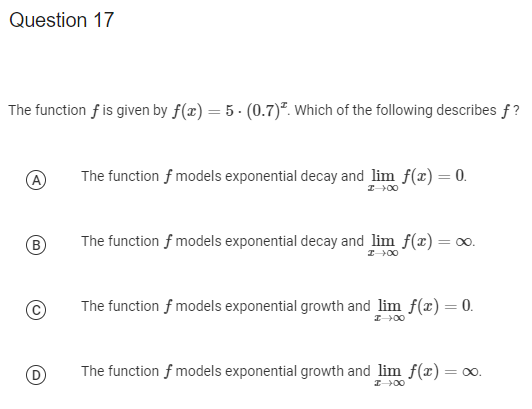
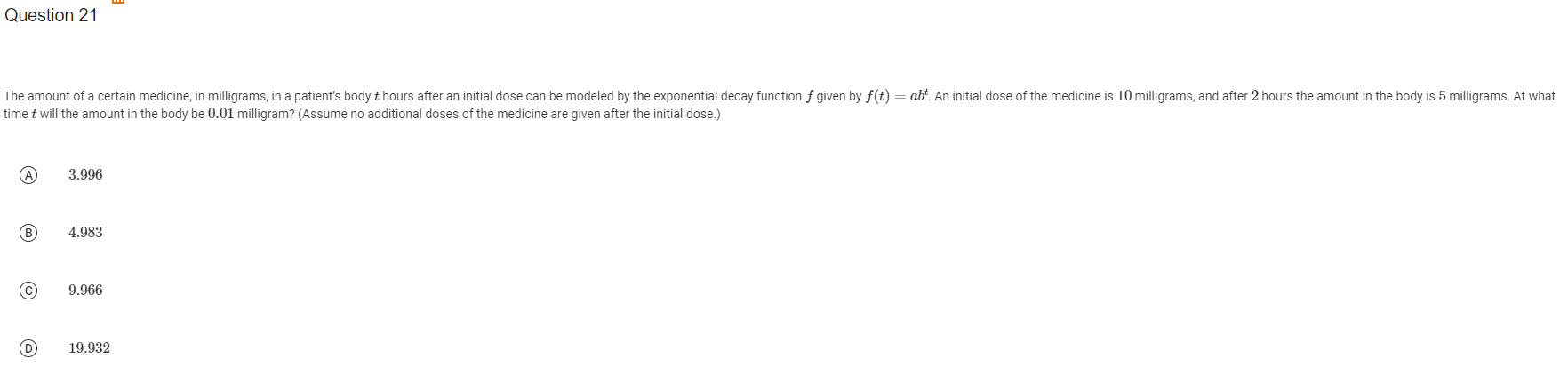
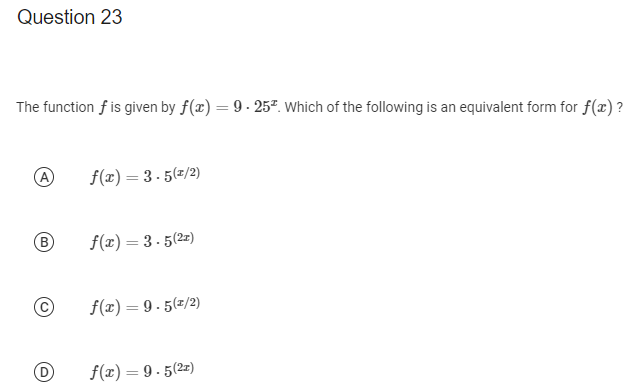
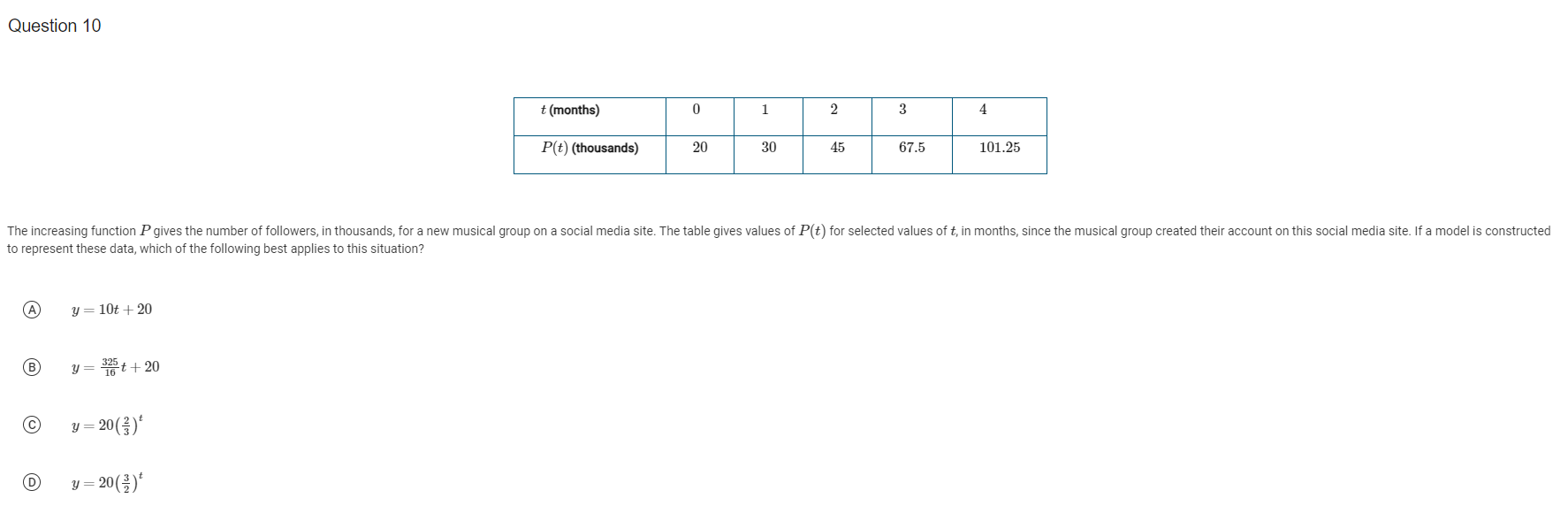
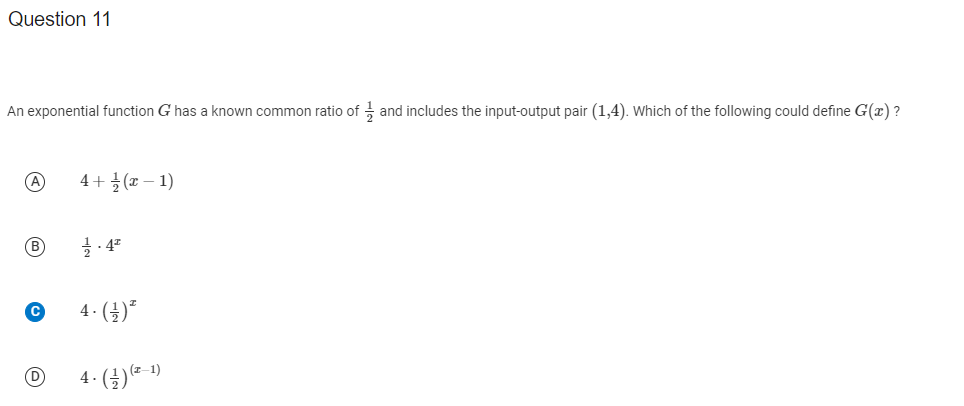
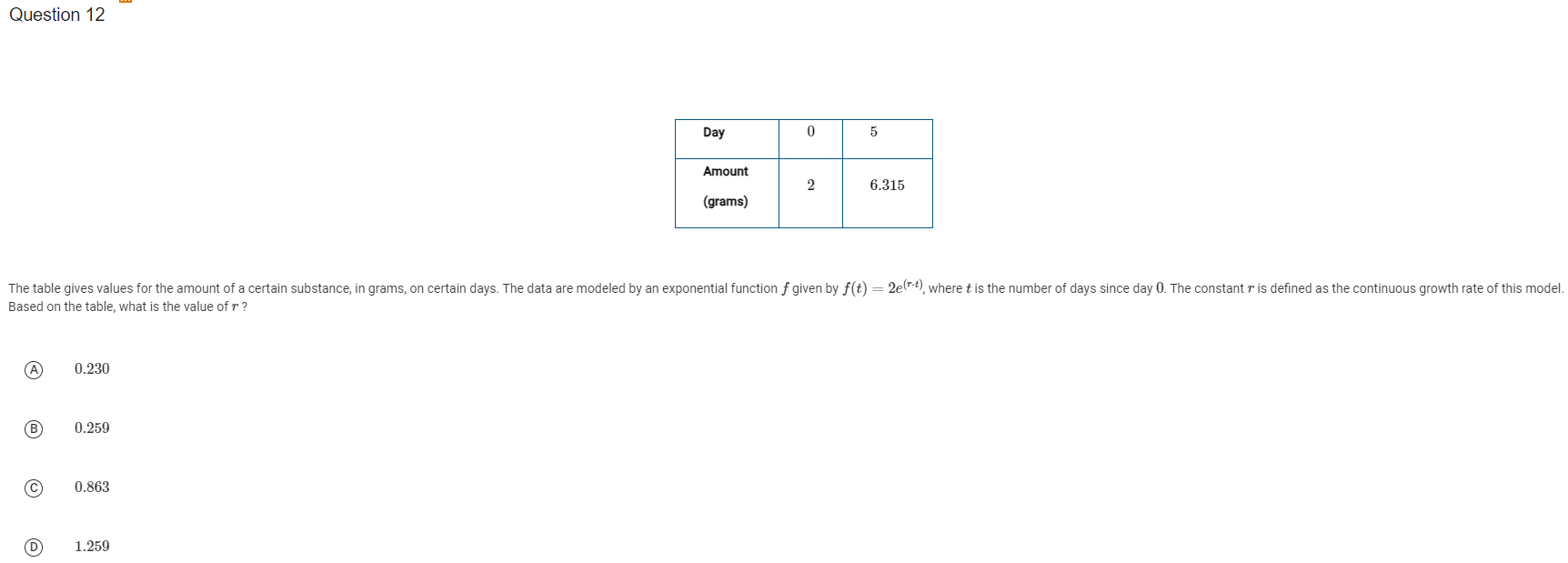
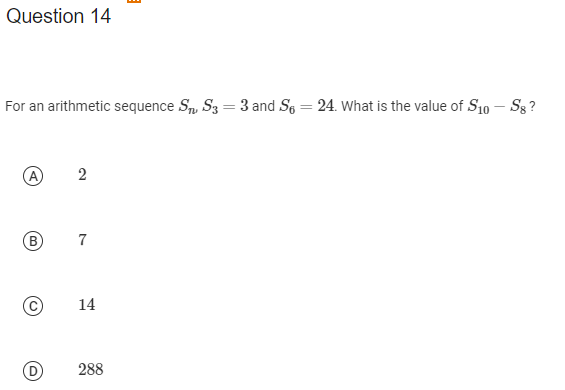
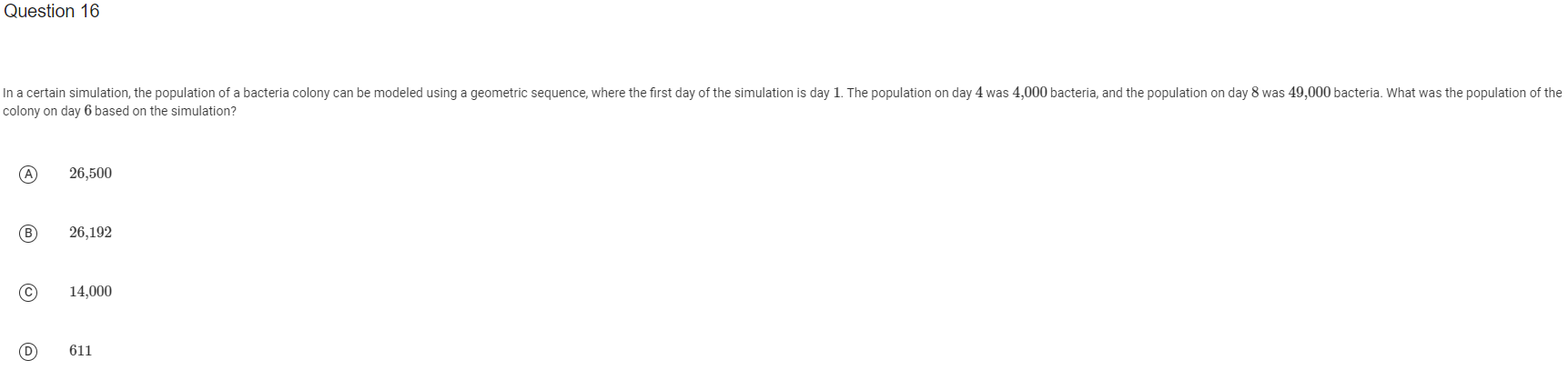
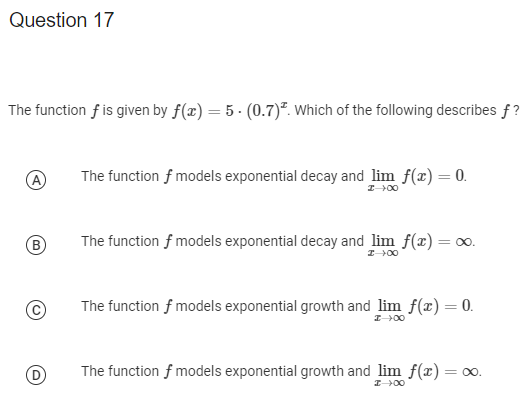
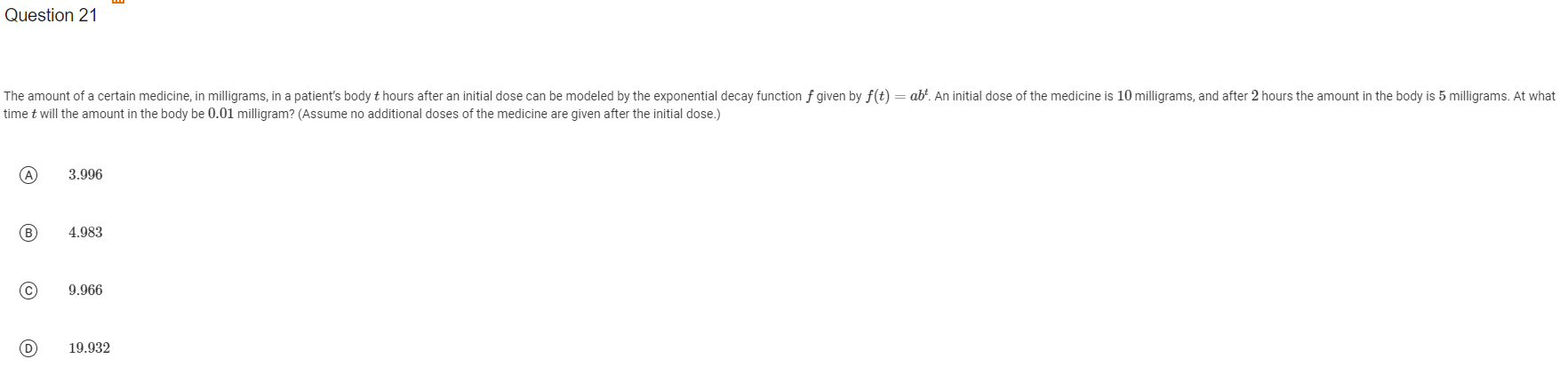
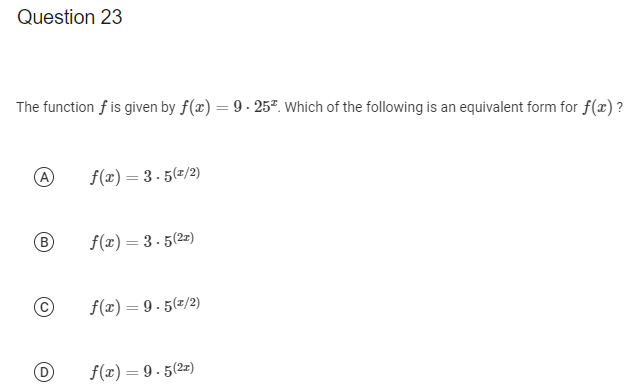
Question 6 The function h is given by h(x) = 5 - 3(z/2). What is the value of h(1) ? A -513 B V15 C DQuestion 10 t (months) 0 1 2 3 4 P(t) (thousands) 20 30 45 67.5 101.25 The increasing function P gives the number of followers, in thousands, for a new musical group on a social media site. The table gives values of P(t) for selected values of t, in months, since the musical group created their account on this social media site. If a model is constructed to represent these data, which of the following best applies to this situation? A y = 10t + 20 B yet + 20 C y = 20 (2)* D y = 20 ()Question 11 An exponential function G has a known common ratio of - and includes the input-output pair (1,4). Which of the following could define G() ? A 4+ -(x-1) B C 4 . (4)7 D 4 . (4) (2 1)Question 12 Day 0 5 Amount 2 6.315 (grams) Based on the table, what is the value of r ? The table gives values for the amount of a certain substance, in grams, on certain days. The data are modeled by an exponential function f given by f(t) = 2e(Tit), where t is the number of days since day 0. The constant r is defined as the continuous growth rate of this model. A 0.230 B 0.259 C 0.863 D 1.259Question 14 For an arithmetic sequence S, S; = 3 and So = 24. What is the value of S10 - Ss? A 2 B 7 C) 14 D 288Question 16 colony on day 6 based on the simulation? In a certain simulation, the population of a bacteria colony can be modeled using a geometric sequence, where the first day of the simulation is day 1. The population on day 4 was 4,000 bacteria, and the population on day 8 was 49,000 bacteria. What was the population of the A 26,500 B 26,192 C 14,000 D 611Question 17 The function f is given by f(a) = 5 . (0.7). Which of the following describes f? A The function f models exponential decay and lim f() = 0. I-+00 B The function f models exponential decay and lim f(x) = 00. I-+00 C The function f models exponential growth and lim f(I) = 0. D The function f models exponential growth and lim f(I) = 00.Question 21 The amount of a certain medicine, in milligrams, in a patient's body t hours after an initial dose can be modeled by the exponential decay function f given by f(t) = abt. An initial dose of the medicine is 10 milligrams, and after 2 hours the amount in the body is 5 milligrams. At what time t will the amount in the body be 0.01 milligram? (Assume no additional doses of the medicine are given after the initial dose.) A 3.996 B 4.983 C 9.966 D 19.932Question 23 The function f is given by f(@) = 9 - 257. Which of the following is an equivalent form for f(I) ? A f(x) = 3 . 5(1/2) B f(x) = 3 . 5(27) C f(x) = 9.5(1/2) D f(x) = 9.5(27)
Step by Step Solution
There are 3 Steps involved in it

Get step-by-step solutions from verified subject matter experts
 Study Help