







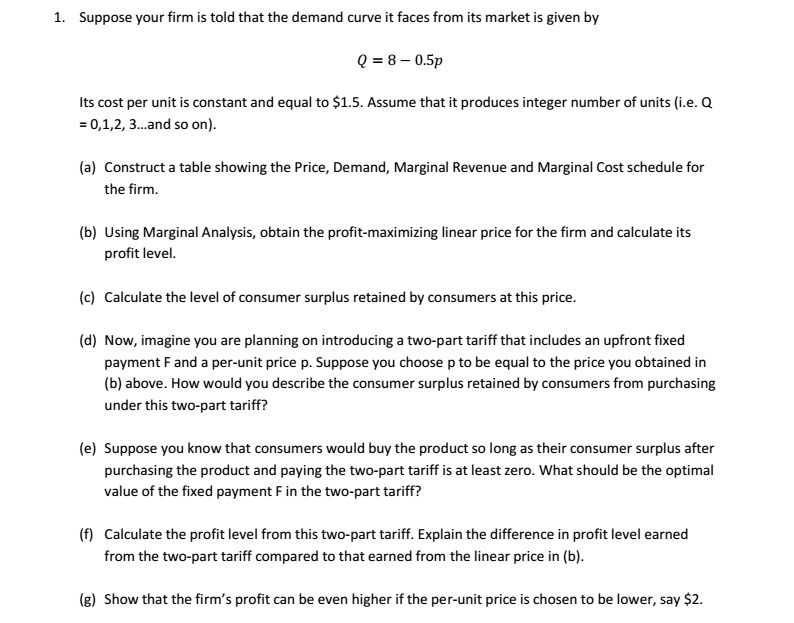
Question: ;;-Help me my assignment is confusing me. 1. Suppose your rm is told that the demand curve it faces from its market is given by
;;-Help me my assignment is confusing me.
![units [i.e. Q = 0,1,2, 3...and so on}. [a] Constmct a table](https://s3.amazonaws.com/si.experts.images/answers/2024/06/66756ca6a3033_55866756ca67eaf5.jpg)
![rm and calculate its prot level. [c] Calculate the level of consumer](https://s3.amazonaws.com/si.experts.images/answers/2024/06/66756ca8085ac_55966756ca7d8d5d.jpg)
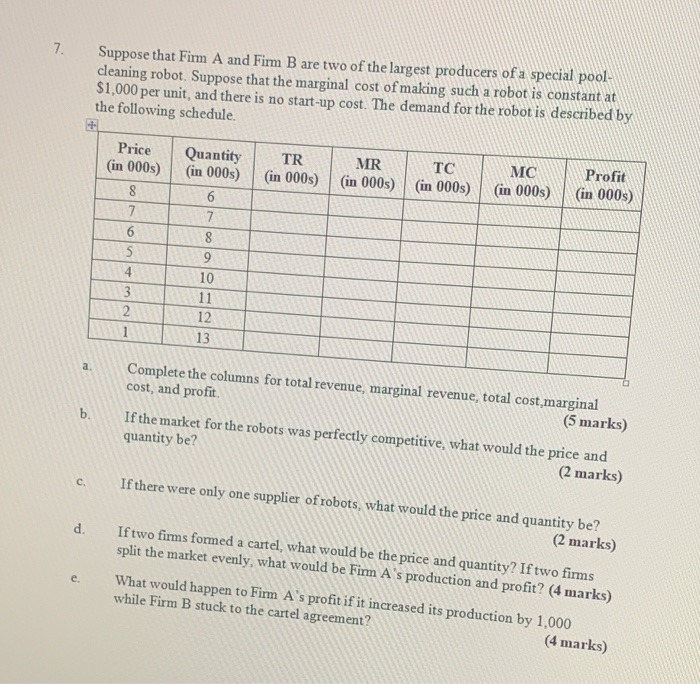
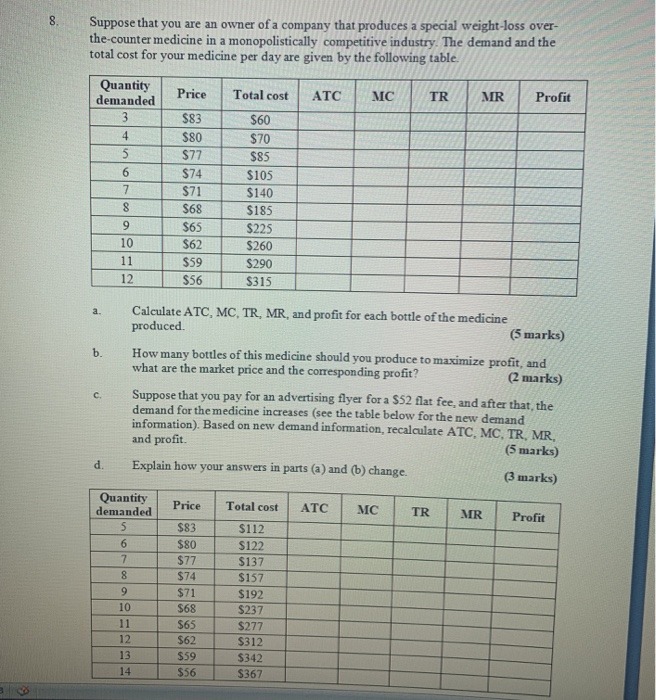
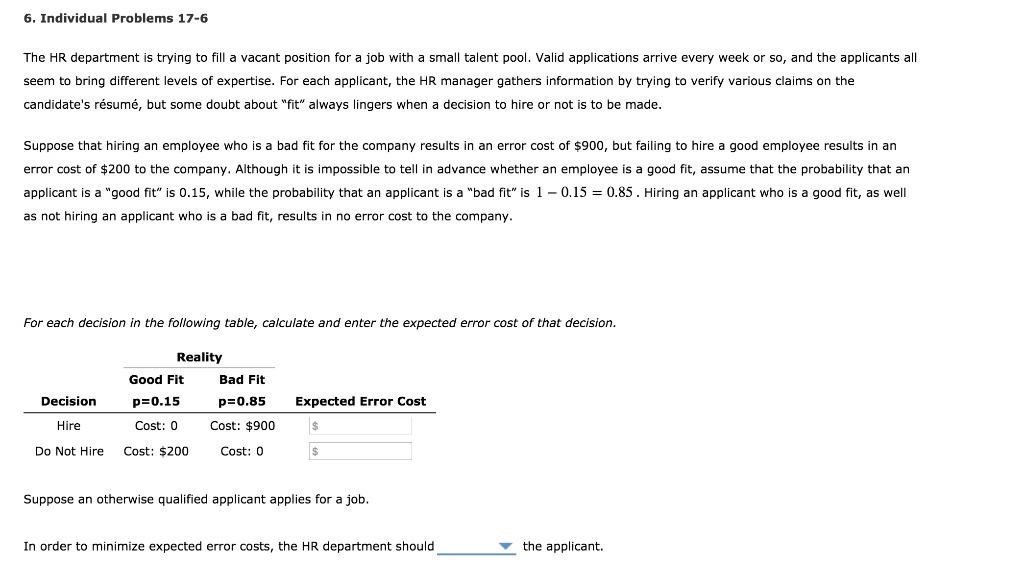
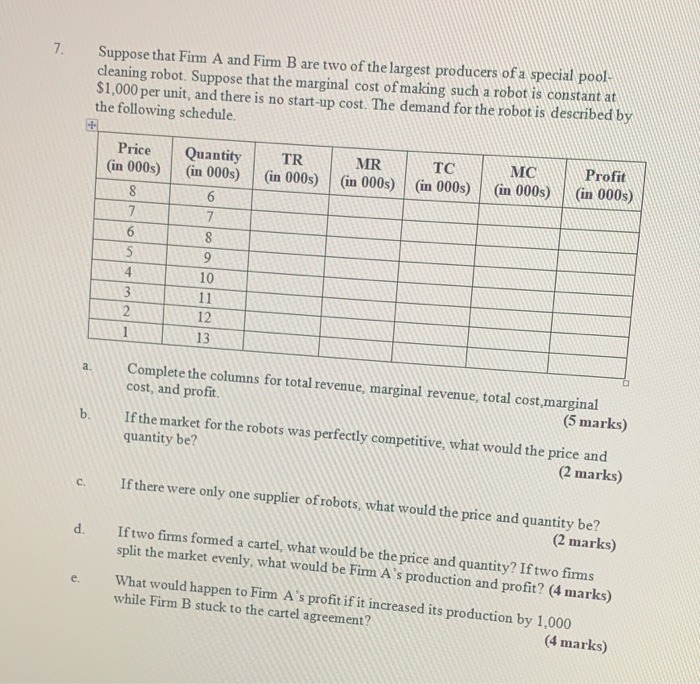
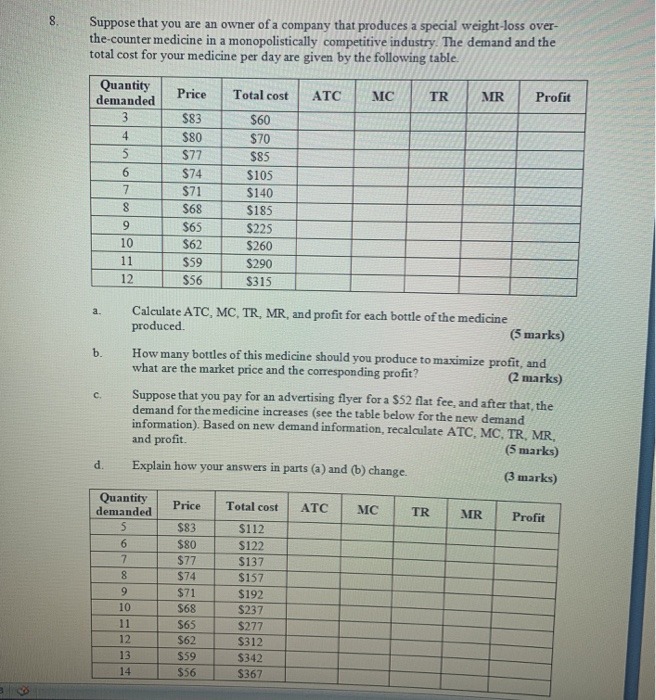
1. Suppose your rm is told that the demand curve it faces from its market is given by Q = 8 115;: Its cost per unit is consla nt and equal to $1.5. Assume that it produces integer number of units [i.e. Q = 0,1,2, 3...and so on}. [a] Constmct a table showing the Price, Demand, Marginal Revenue and Marginal Cost schedule for the rm. [b1 Using Marginal Analysis, obtain the prot-maximizing linear price for the rm and calculate its prot level. [c] Calculate the level of consumer surplus retained by consumers at this price. (d) Now, imagine you are planning on introducing a tavo-part tariff that includes an upfront xed payment F and a per-unit price p. Suppose you choose p to be equal to die price you obtained in [b] above. How would you describe the consumer surplus retained by consumers from purchasing under this two-part tariff? {e} Suppose you know that consumers would buy the product so long as their consumer surplus after purchasing the product and paying the mo-part tariff is at least zero. What should be the optimal value of the xed payment F in the two-part ta riff?I if} Calculate me prot level from this mo-part tariff. Explain the difference in profit level earned from the two-part tariff compared to that earned from the linear price in {b}. [g] Show that the firm's prot can be even higher if the per-unit price is chosen to be lower, say 52. 7 . Suppose that Firm A and Firm B are two of the largest producers of a special pool cleaning robot. Suppose that the marginal cost of making such a robot is constant at $1,000 per unit, and there is no start-up cost. The demand for the robot is described by the following schedule. Price Quantity TR MR TC MC Profit (in 000s) (in 000s) (in 000s) (in 000s) (in 000s) (in 000s) (in 000s) 8 6 7 7 6 8 5 9 4 10 3 11 12 - N 13 a Complete the columns for total revenue, marginal revenue, total cost, marginal cost, and profit. (5 marks) b. If the market for the robots was perfectly competitive, what would the price and quantity be? (2 marks) C. If there were only one supplier of robots, what would the price and quantity be? (2 marks) d If two firms formed a cartel, what would be the price and quantity? If two firms split the market evenly, what would be Firm A's production and profit? (4 marks) e. What would happen to Firm A's profit if it increased its production by 1,000 while Firm B stuck to the cartel agreement? (4 marks)8. Suppose that you are an owner of a company that produces a special weight-loss over- the-counter medicine in a monopolistically competitive industry. The demand and the total cost for your medicine per day are given by the following table. Quantity demanded Price Total cost ATC MC TR MR Profit 3 $83 $60 4 $80 $70 5 $77 $85 6 $74 $105 7 $71 $140 $68 $185 9 $65 $225 10 $62 $260 11 $59 $290 12 $56 $315 1. Calculate ATC, MC, TR, MR, and profit for each bottle of the medicine produced (5 marks) b How many bottles of this medicine should you produce to maximize profit, and what are the market price and the corresponding profit? (2 marks) C. Suppose that you pay for an advertising flyer for a $52 flat fee, and after that, the demand for the medicine increases (see the table below for the new demand information). Based on new demand information, recalculate ATC, MC, TR. MR. and profit. (5 marks) d. Explain how your answers in parts (a) and (b) change. (3 marks) Quantity demanded Price Total cost ATC MC TR MR Profit 5 $83 $112 6 $80 $122 7 $77 $137 8 $74 $157 9 $71 $192 10 $68 $237 11 $65 $277 12 $62 $312 13 $59 $342 14 $56 $3676. Individual Problems 17-6 The HR department is trying to fill a vacant position for a job with a small talent pool. Valid applications arrive every week or so, and the applicants all seem to bring different levels of expertise. For each applicant, the HR manager gathers information by trying to verify various claims on the candidate's resume, but some doubt about "fit" always lingers when a decision to hire or not is to be made. Suppose that hiring an employee who is a bad fit for the company results in an error cost of $900, but failing to hire a good employee results in an error cost of $200 to the company. Although it is impossible to tell in advance whether an employee is a good fit, assume that the probability that an applicant is a "good fit" is 0.15, while the probability that an applicant is a "bad fit" is 1 - 0.15 = 0.85 . Hiring an applicant who is a good fit, as well as not hiring an applicant who is a bad fit, results in no error cost to the company. For each decision in the following table, calculate and enter the expected error cost of that decision. Reality Good Fit Bad Fit Decision p=0.15 P=0.85 Expected Error Cost Hire Cost: 0 Cost: $900 $ Do Not Hire Cost: $200 Cost: 0 $ Suppose an otherwise qualified applicant applies for a job. In order to minimize expected error costs, the HR department should the applicant
Step by Step Solution
There are 3 Steps involved in it

Get step-by-step solutions from verified subject matter experts
 Study Help