







Question: How does severe hypoxia develop with lobar pneumonia and bronchopneumonia? Oxygen diffusion is impaired by formation of exudate in the alveoli. Infection reduces effective compensation
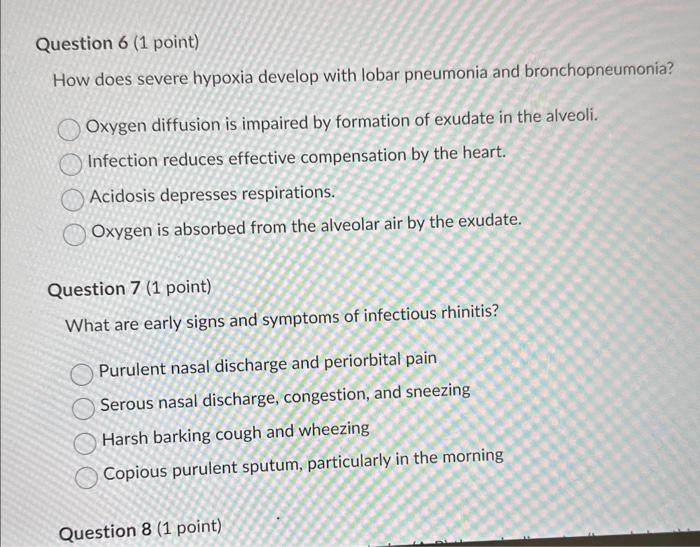
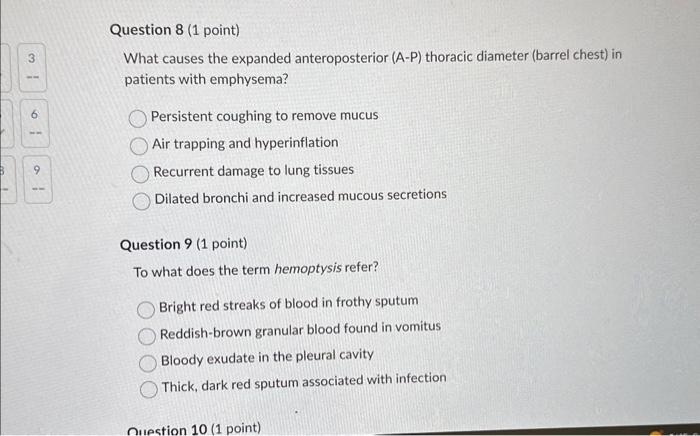
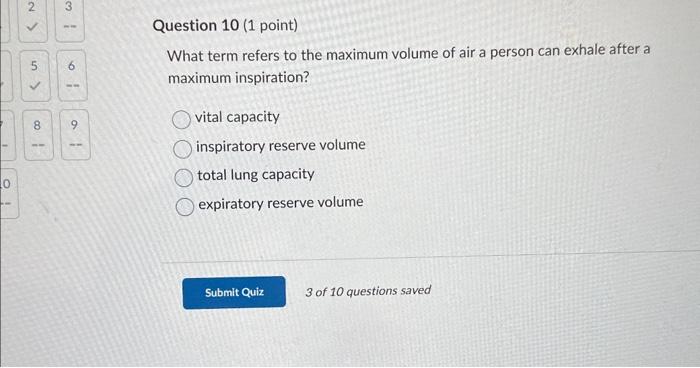
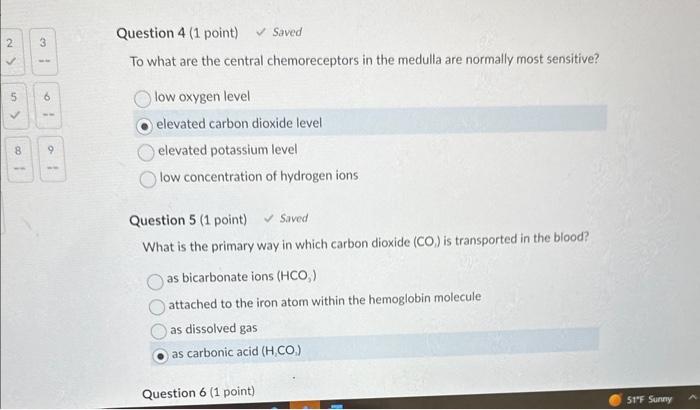
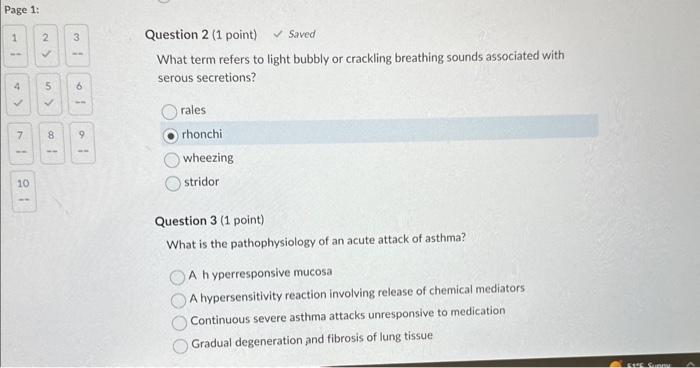
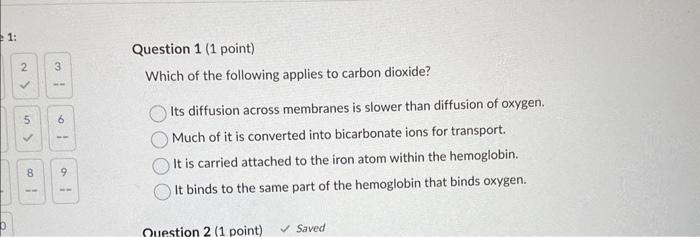
How does severe hypoxia develop with lobar pneumonia and bronchopneumonia? Oxygen diffusion is impaired by formation of exudate in the alveoli. Infection reduces effective compensation by the heart. Acidosis depresses respirations. Oxygen is absorbed from the alveolar air by the exudate. Question 7 (1 point) What are early signs and symptoms of infectious rhinitis? Purulent nasal discharge and periorbital pain Serous nasal discharge, congestion, and sneezing Harsh barking cough and wheezing Copious purulent sputum, particularly in the morning What causes the expanded anteroposterior (A-P) thoracic diameter (barrel chest) in patients with emphysema? Persistent coughing to remove mucus Air trapping and hyperinflation Recurrent damage to lung tissues Dilated bronchi and increased mucous secretions Question 9 (1 point) To what does the term hemoptysis refer? Bright red streaks of blood in frothy sputum Reddish-brown granular blood found in vomitus Bloody exudate in the pleural cavity Thick, dark red sputum associated with infection What term refers to the maximum volume of air a person can exhale after a maximum inspiration? vital capacity inspiratory reserve volume total lung capacity expiratory reserve volume To what are the central chemoreceptors in the medulla are normally most sensitive? low oxygen level elevated carbon dioxide level elevated potassium level low concentration of hydrogen ions Question 5 (1 point) saved What is the primary way in which carbon dioxide (CO1) is transported in the blood? as bicarbonate ions (HCO3) attached to the iron atom within the hemoglobin molecule as dissolved gas as carbonic acid (H,CO) What term refers to light bubbly or crackling breathing sounds associated with serous secretions? rales rhonchi wheezing stridor Question 3 (1 point) What is the pathophysiology of an acute attack of asthma? A h yperresponsive mucosa A hypersensitivity reaction involving release of chemical mediators Continuous severe asthma attacks unresponsive to medication Gradual degeneration and fibrosis of lung tissue Which of the following applies to carbon dioxide? Its diffusion across membranes is slower than diffusion of oxygen. Much of it is converted into bicarbonate ions for transport. It is carried attached to the iron atom within the hemoglobin. It binds to the same part of the hemoglobin that binds oxygen
Step by Step Solution
There are 3 Steps involved in it

Get step-by-step solutions from verified subject matter experts
 Study Help