



Question: I ONLY NEED THE INTRODUCTION (SEE EXAMPLE BELOW) You work as a communication specialist at Estee Lauder Companies. Think about the economic and social challenges
I ONLY NEED THE INTRODUCTION (SEE EXAMPLE BELOW)
You work as a communication specialist at Estee Lauder Companies. Think about the economic and social challenges we have experienced in the last few months. What adjustments should your organization make to be sustainable during these challenging times?
In groups 5-7 students, write a 3-4 page (single-spaced) internal proposal to address these concerns. Decide on your target audience and orient your proposal towards them. Use a memo format. Remember to include headings such as the introduction, background, solution, and recommendation. Use subheadings if applicable. Be creative in your response. If your group prefers, you are welcome to change the name of the company.
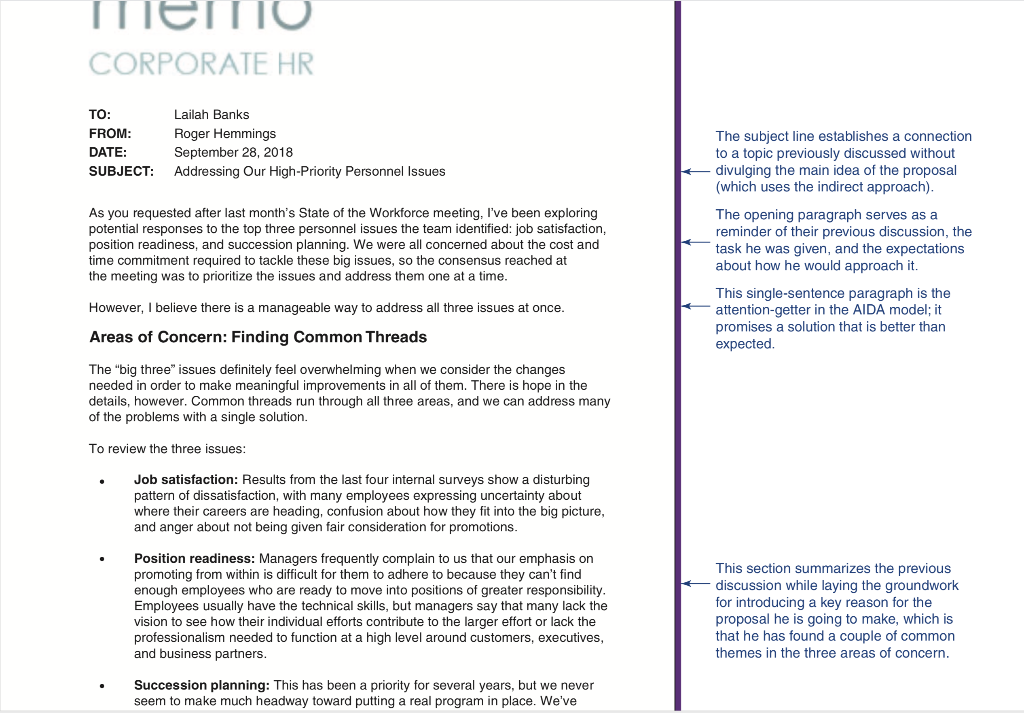
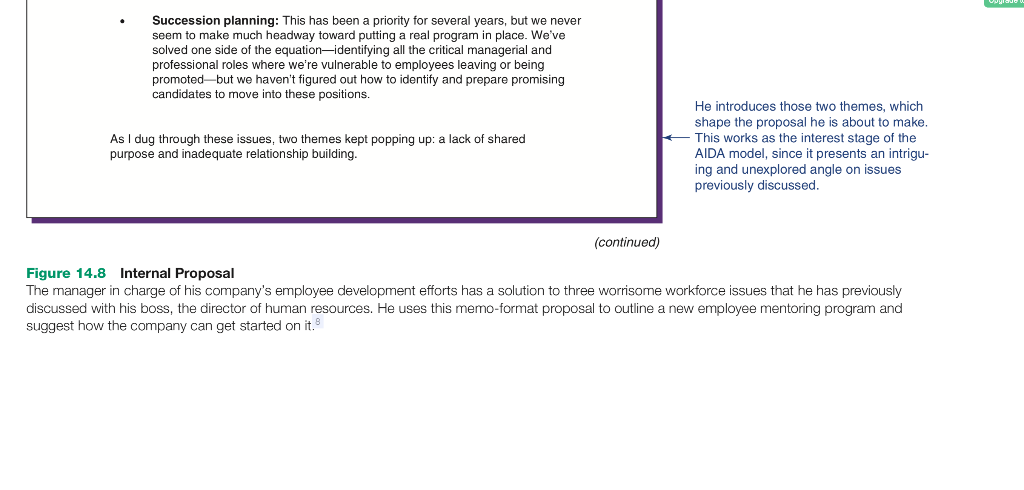
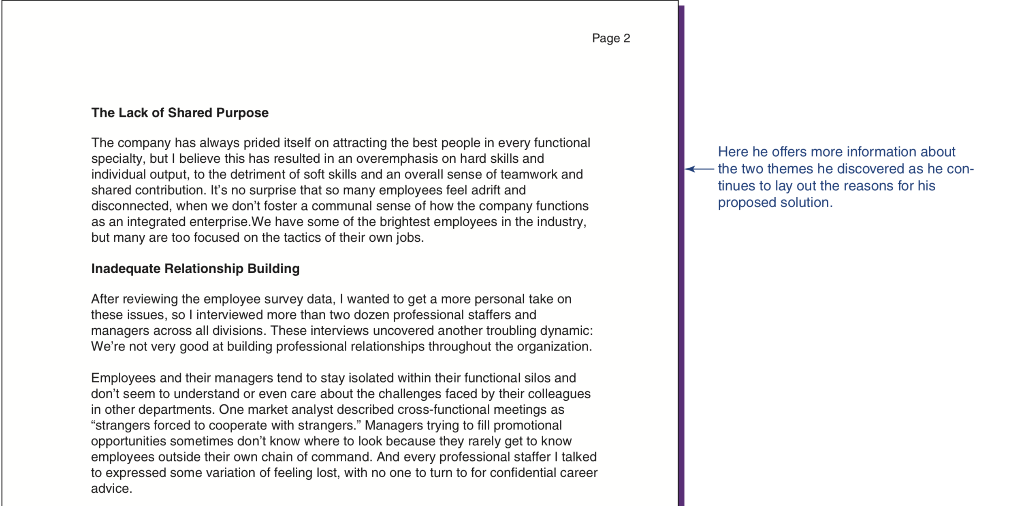
IN II CORPORATE HR TO: FROM: DATE: SUBJECT: Lailah Banks Roger Hemmings September 28, 2018 Addressing Our High-Priority Personnel Issues As you requested after last month's State of the Workforce meeting, I've been exploring potential responses to the top three personnel issues the team identified: job satisfaction, position readiness, and succession planning. We were all concerned about the cost and time commitment required to tackle these big issues, so the consensus reached at the meeting was to prioritize the issues and address them one at a time. The subject line establishes a connection to a topic previously discussed without divulging the main idea of the proposal (which uses the indirect approach). The opening paragraph serves as a reminder of their previous discussion, the task he was given, and the expectations about how he would approach it. This single-sentence paragraph is the attention-getter in the AIDA model; it promises a solution that is better than expected However, I believe there is a manageable way to address all three issues at once. Areas of Concern: Finding Common Threads The "big three" issues definitely feel overwhelming when we consider the changes needed in order to make meaningful improvements in all of them. There is hope in the details, however. Common threads run through all three areas, and we can address many of the problems with a single solution. To review the three issues: Job satisfaction: Results from the last four internal surveys show a disturbing pattern of dissatisfaction, with many employees expressing uncertainty about where their careers are heading, confusion about how they fit into the big picture, and anger about not being given fair consideration for promotions. Position readiness: Managers frequently complain to us that our emphasis on promoting from within is difficult for them to adhere to because they can't find enough employees who are ready to move into positions of greater responsibility. Employees usually have the technical skills, but managers say that many lack the vision to see how their individual efforts contribute to the larger effort or lack the professionalism needed to function at a high level around customers, executives, and business partners. This section summarizes the previous discussion while laying the groundwork for introducing a key reason for the proposal he is going to make, which is that he has found a couple of common themes in the three areas of concern. Succession planning: This has been a priority for several years, but we never seem to make much headway toward putting a real program in place. We've Succession planning: This has been a priority for several years, but we never seem to make much headway toward putting a real program in place. We've solved one side of the equation identifying all the critical managerial and professional roles where we're vulnerable to employees leaving or being promoted-but we haven't figured out how to identify and prepare promising candidates to move into these positions. As I dug through these issues, two themes kept popping up: a lack of shared purpose and inadequate relationship building. He introduces those two themes, which shape the proposal he is about to make. This works as the interest stage of the AIDA model, since it presents an intrigu- ing and unexplored angle on issues previously discussed. (continued) Figure 14.8 Internal Proposal The manager in charge of his company's employee development efforts has a solution to three worrisome workforce issues that he has previously discussed with his boss, the director of human resources. He uses this memo-format proposal to outline a new employee mentoring program and suggest how the company can get started on it. Page 2 The Lack of Shared Purpose The company has always prided itself on attracting the best people in every functional specialty, but I believe this has resulted in an overemphasis on hard skills and individual output, to the detriment of soft skills and an overall sense of teamwork and shared contribution. It's no surprise that so many employees feel adrift and disconnected, when we don't foster a communal sense of how the company functions as an integrated enterprise. We have some of the brightest employees in the industry, but many are too focused on the tactics of their own jobs. Here he offers more information about the two themes he discovered as he con- tinues to lay out the reasons for his proposed solution. Inadequate Relationship Building After reviewing the employee survey data, I wanted to get a more personal take on these issues, so I interviewed more than two dozen professional staffers and managers across all divisions. These interviews uncovered another troubling dynamic: We're not very good at building professional relationships throughout the organization. Employees and their managers tend to stay isolated within their functional silos and don't seem to understand or even care about the challenges faced by their colleagues in other departments. One market analyst described cross-functional meetings as strangers forced to cooperate with strangers." Managers trying to fill promotional opportunities sometimes don't know where to look because they rarely get to know employees outside their own chain of command. And every professional staffer I talked to expressed some variation of feeling lost, with no one to turn to for confidential career advice
Step by Step Solution
There are 3 Steps involved in it

Get step-by-step solutions from verified subject matter experts