







Question: Implement 2 minimum subsequence algorithms and show the execution result using 20 random integer numbers in the range of -100 to 100. here are the
Implement 2 minimum subsequence algorithms and show the execution result using 20 random integer numbers in the range of -100 to 100.
here are the example of 2 algorithms:(here is maximum but we are asked to find the minimum)
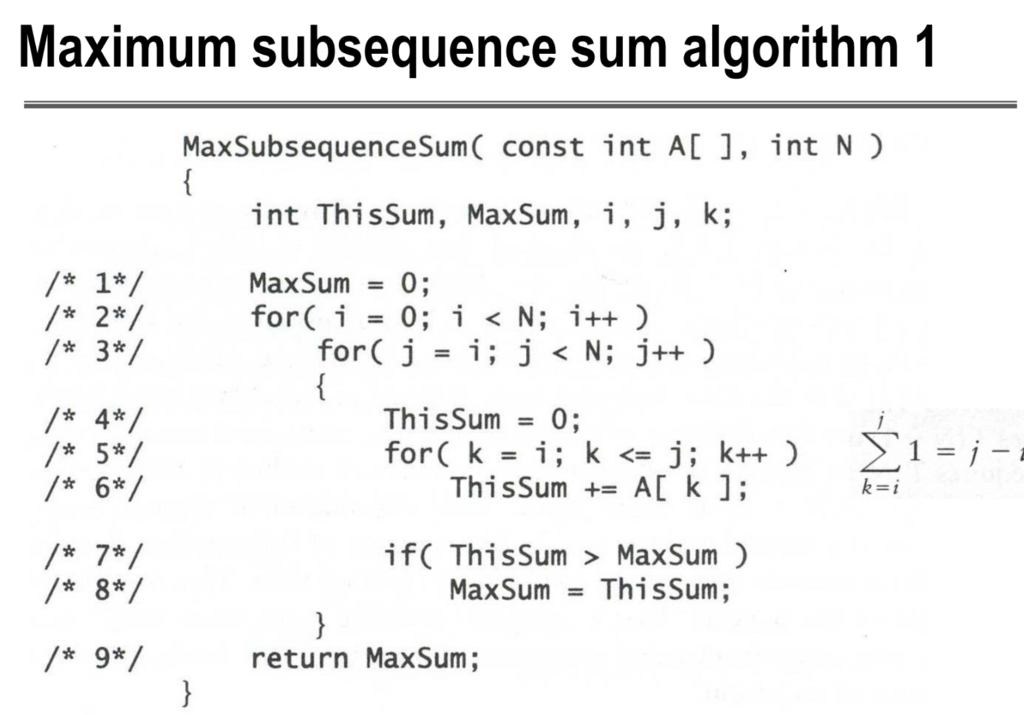
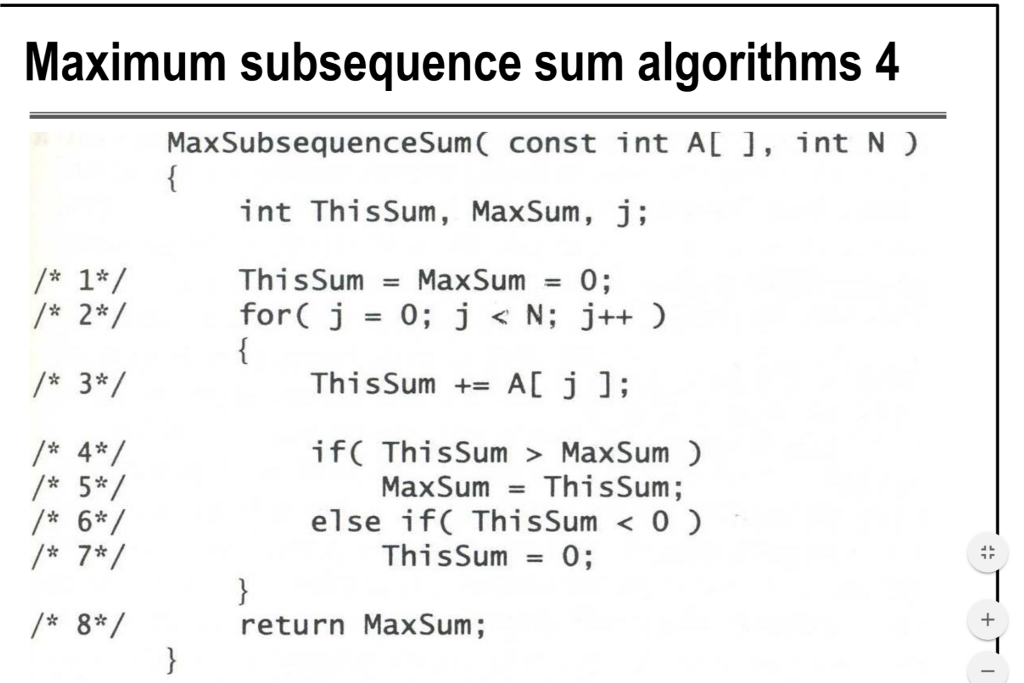
RULES:
1.Use int for data type of function
2.The parameters consist of four:
seq: array for input sequence
seq_length: length of the input sequence
Low: First node number of the minimum subsequence
High: Last node number of the minimum subsequence
3.Obtain the minimum sum found in the function as the return value
Calculate algorithm performance time:
Inputs: no. of sequences, length of each sequence
Creating an input sequence using a random number generator according to the value of length
Output- sequence itself , low , high , minimum sum, running time
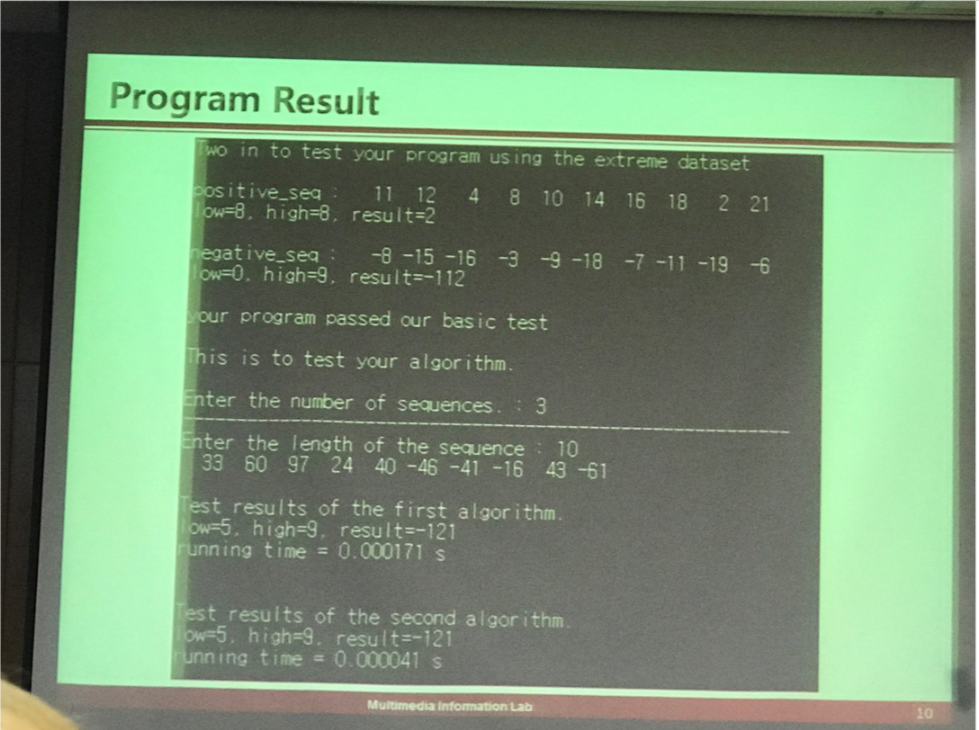
#include
#include
#include
#include
#include
int MinSubsequenceSum1(const int A[], int N, int *high, int *low)
{
int ThisSum = 0, MinSum = 10000;
for (int j = 0; j
{
//your code
}
return MinSum;
}
int MinSubsequenceSum2(const int A[], int N, int *high, int *low)
{
int ThisSum = 0, MinSum = 10000;
for (int j = 0; j
{
//your code
}
return MinSum;
}
int main()
{
LARGE_INTEGER start, end, time_unit;
int seq[1000];
int seq_count = 0;
int high = 0, low = 0;
int seq_length = 0;
int result = 0;
//Validation
printf("Two extreme dataset for testing your program ");
int positive_seq[10] = { 11,12,4,8,10,14,16,18,2,21 };
int negative_seq[10] = { -8,-15,-16,-3,-9,-18,-7,-11 ,-19,-6 };
result = MinSubsequenceSum2(positive_seq, 10, &high, &low);
printf(" positive_seq:");
for (int i = 0; i
{
printf("%4d", positive_seq[i]);
}
printf(" low=%d,high=%d,result=%d ", low, high, result);
high = 0, low = 0;
result = MinSubsequenceSum2(negative_seq, 10, &high, &low);
printf(" negative_seq:");
for (int i = 0; i
{
printf("%4d", negative_seq[i]);
}
printf(" low=%d,high=%d,result=%d ", low, high, result);
//repeat above steps for your second program
printf("your programs have passed our basic test ");
//*************************************************
high = 0; low = 0;
printf("Enter the number of sequences:");
scanf_s("%d", &seq_count,sizeof(seq_count));
fflush(stdin);
for (int i = 0; i
{
printf("Enter the length of the sequence in the incteasing order:");
scanf_s("%d", &seq_length,sizeof(seq_length));
fflush(stdin);
srand((unsigned)time(NULL));
for (int j = 0; j
{
int random = rand() % 200 - 100;
seq[j] = random;
printf("%4d", seq[j]);
}
printf(" ");
printf(" ******** Your first program *********** ");
QueryPerformanceFrequency(&time_unit);
QueryPerformanceCounter(&start);
result = MinSubsequenceSum1(seq, seq_length, &high, &low);
printf("low=%d,high=%d,result=%d ", low, high, result);
QueryPerformanceCounter(&end);
printf("running time=%f s ", (double)(end.QuadPart - start.QuadPart) / (double)time_unit.QuadPart);
printf(" ");
printf(" ******** Your second program ************ ");
QueryPerformanceFrequency(&time_unit);
QueryPerformanceCounter(&start);
result = MinSubsequenceSum2(seq, seq_length, &high, &low);
printf("low=%d,high=%d,result=%d ", low, high, result);
QueryPerformanceCounter(&end);
printf("running time=%f s ", (double)(end.QuadPart - start.QuadPart) / (double)(time_unit.QuadPart));
printf(" ");
}
_getch();
}
Maximum subsequence sum algorithm 1 MaxSubsequenceSum( const int AL ], int N) int ThisSum, MaxSum, i, j, k; MaxSum = 0; for(-0; i MaxSum) 8* MaxSum = Th sSum; return MaxSum
Step by Step Solution
There are 3 Steps involved in it

Get step-by-step solutions from verified subject matter experts
 Study Help