







Question: INSTRUCTIONS : 1. Using the measures (column 2) of the 4 generic perspectives of (exhibit 13-3), produce a strategy map of measures. I've provided a
INSTRUCTIONS :
1. Using the measures (column 2) of the 4 generic perspectives of (exhibit 13-3), produce a strategy map of measures. I've provided a strategy map of objectives.. 2. Label the 4 perspectives appropriately.
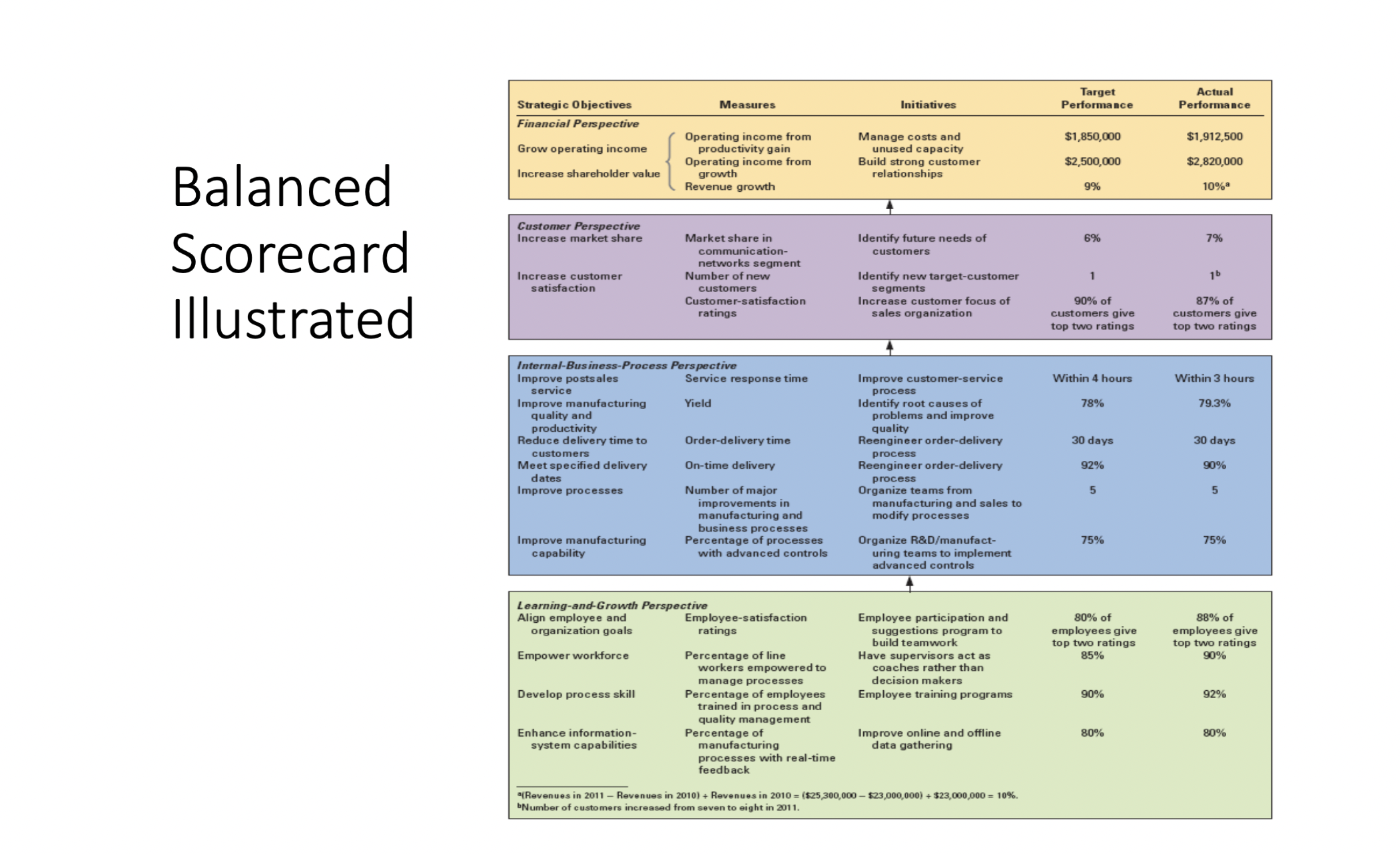
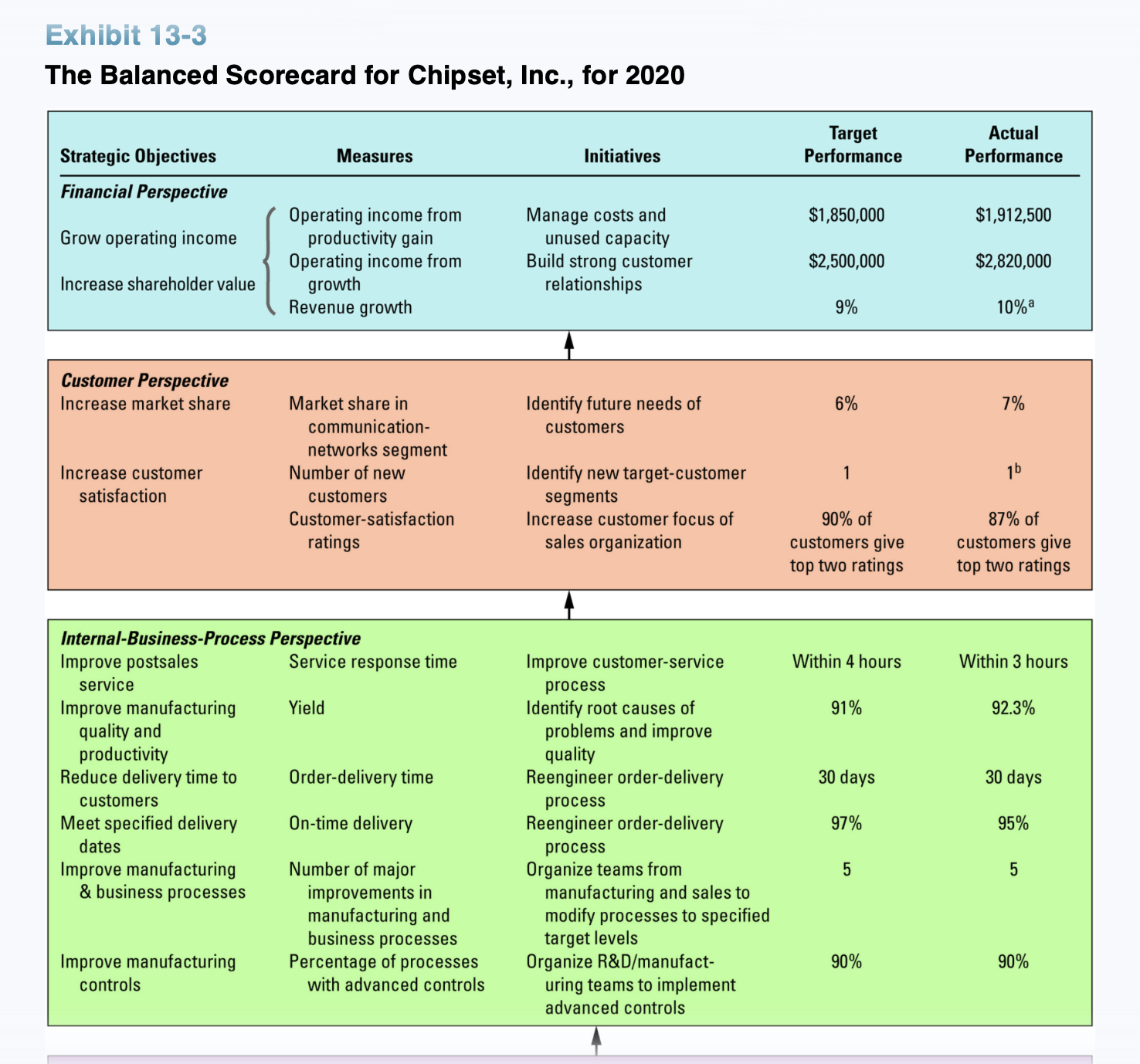
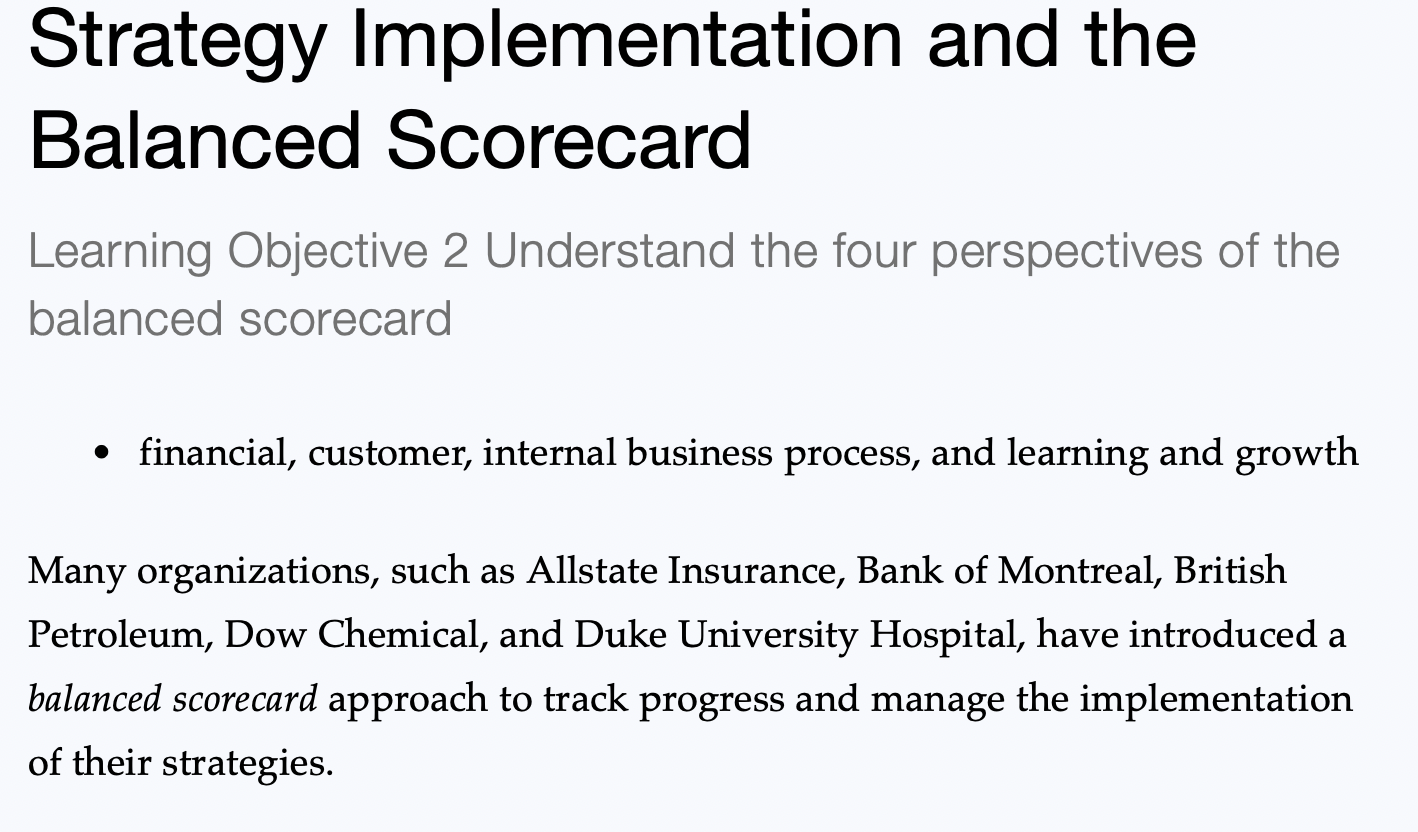
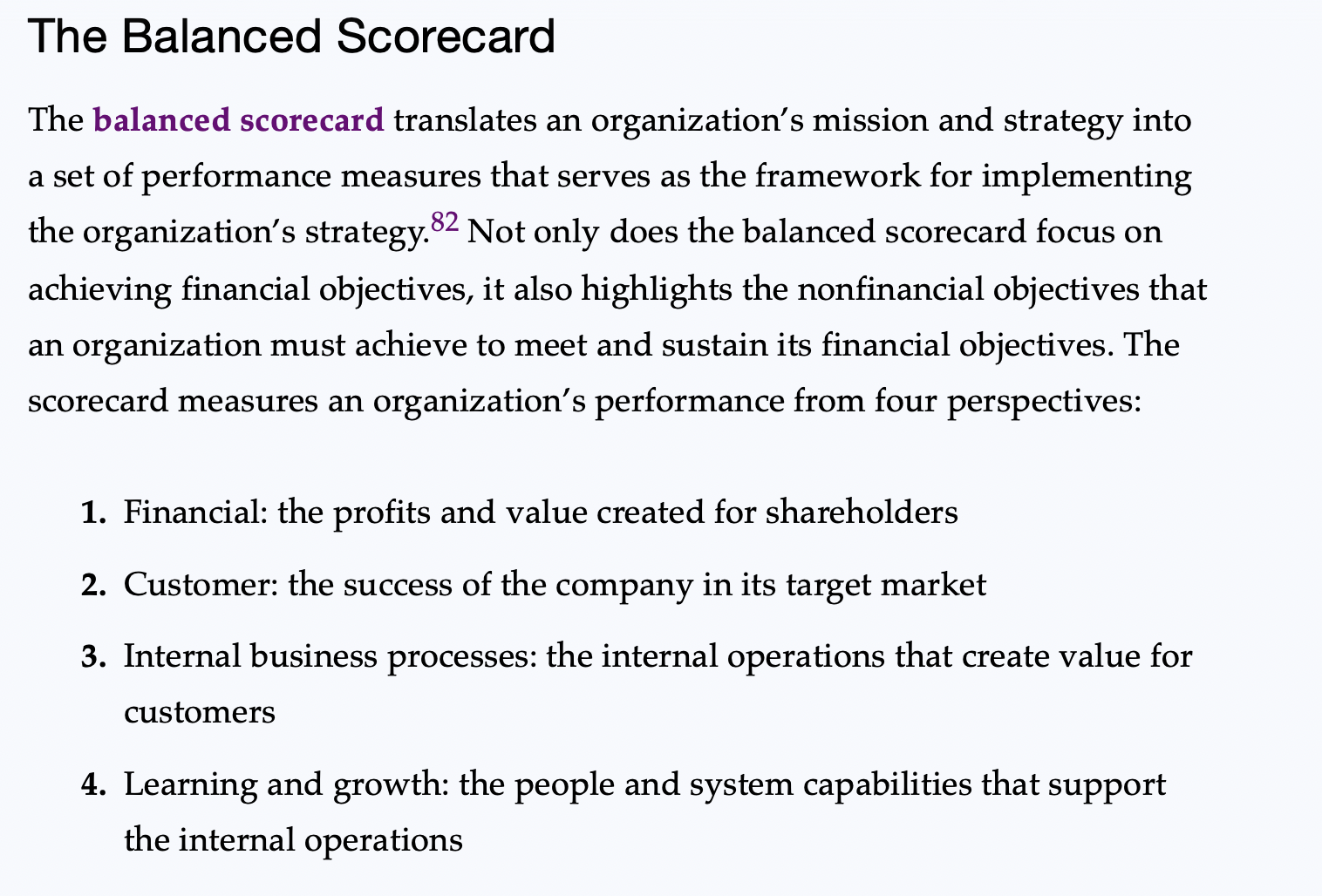
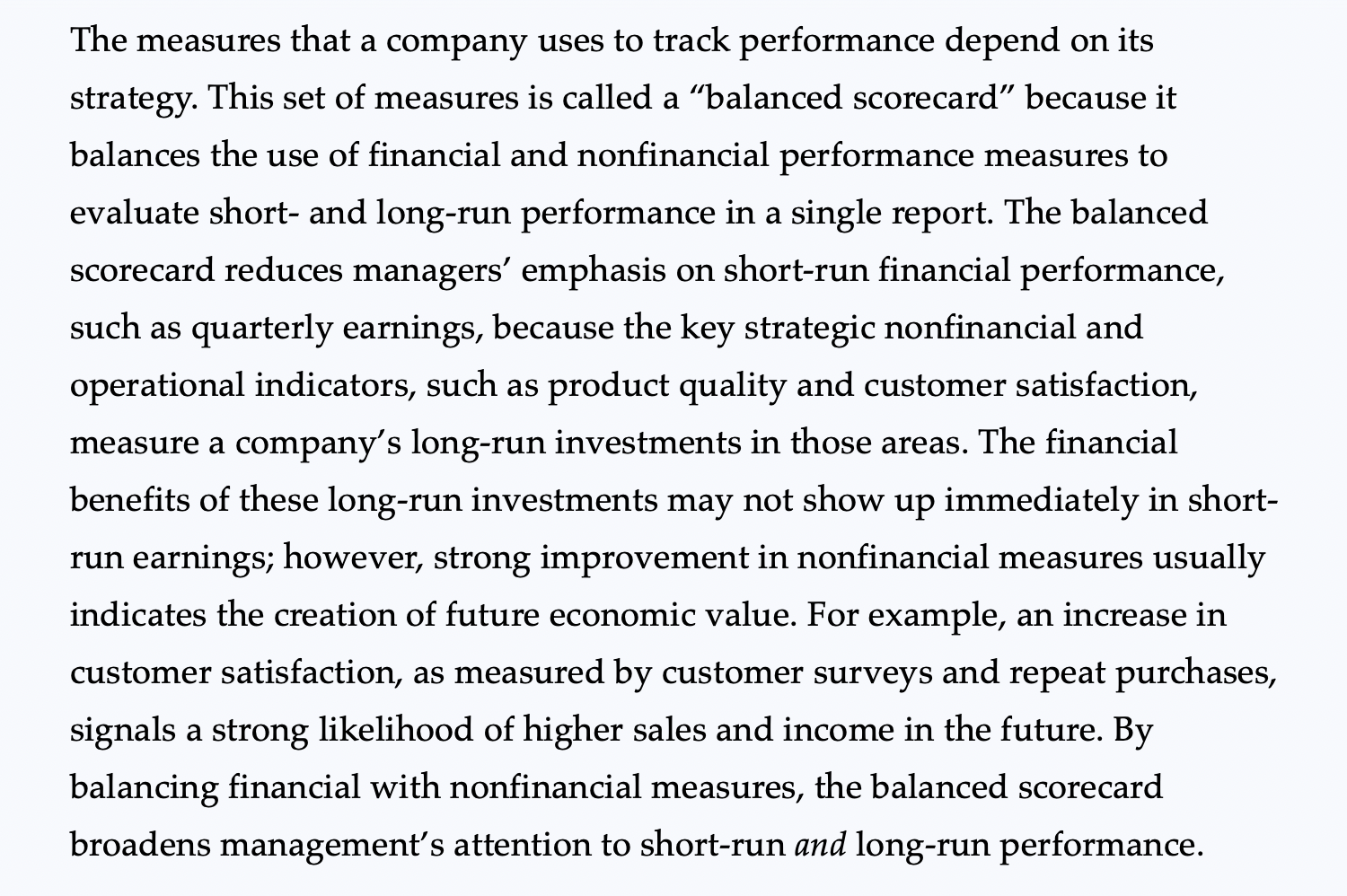
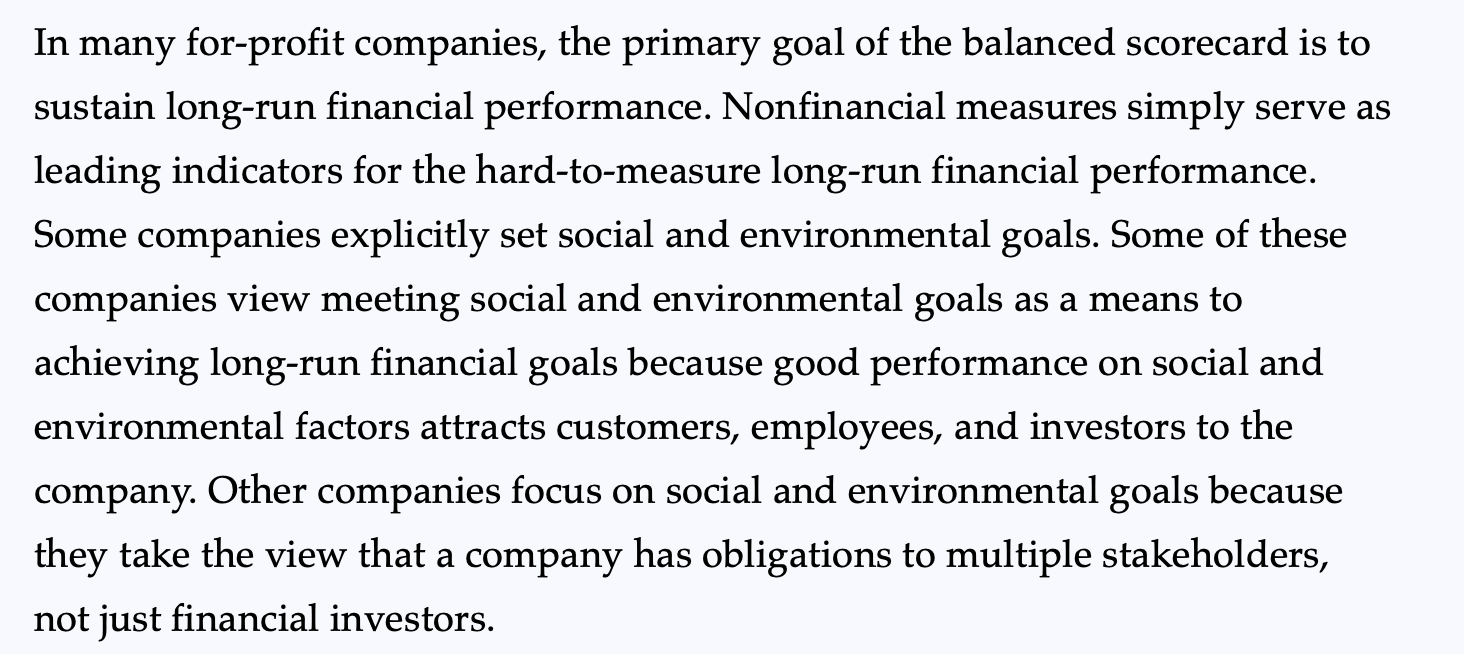
Balanced Scorecard Illustrated Exhibit 13-3 The Balanced Scorecard for Chipset, Inc., for 2020 Strategy Implementation and the Balanced Scorecard Learning Objective 2 Understand the four perspectives of the balanced scorecard - financial, customer, internal business process, and learning and growth Many organizations, such as Allstate Insurance, Bank of Montreal, British Petroleum, Dow Chemical, and Duke University Hospital, have introduced a balanced scorecard approach to track progress and manage the implementation of their strategies. The balanced scorecard translates an organization's mission and strategy into a set of performance measures that serves as the framework for implementing the organization's strategy. 82 Not only does the balanced scorecard focus on achieving financial objectives, it also highlights the nonfinancial objectives that an organization must achieve to meet and sustain its financial objectives. The scorecard measures an organization's performance from four perspectives: 1. Financial: the profits and value created for shareholders 2. Customer: the success of the company in its target market 3. Internal business processes: the internal operations that create value for customers 4. Learning and growth: the people and system capabilities that support the internal operations The measures that a company uses to track performance depend on its strategy. This set of measures is called a "balanced scorecard" because it balances the use of financial and nonfinancial performance measures to evaluate short- and long-run performance in a single report. The balanced scorecard reduces managers' emphasis on short-run financial performance, such as quarterly earnings, because the key strategic nonfinancial and operational indicators, such as product quality and customer satisfaction, measure a company's long-run investments in those areas. The financial benefits of these long-run investments may not show up immediately in short run earnings; however, strong improvement in nonfinancial measures usually indicates the creation of future economic value. For example, an increase in customer satisfaction, as measured by customer surveys and repeat purchases signals a strong likelihood of higher sales and income in the future. By balancing financial with nonfinancial measures, the balanced scorecard broadens management's attention to short-run and long-run performance. In many for-profit companies, the primary goal of the balanced scorecard is to sustain long-run financial performance. Nonfinancial measures simply serve as leading indicators for the hard-to-measure long-run financial performance. Some companies explicitly set social and environmental goals. Some of these companies view meeting social and environmental goals as a means to achieving long-run financial goals because good performance on social and environmental factors attracts customers, employees, and investors to the company. Other companies focus on social and environmental goals because they take the view that a company has obligations to multiple stakeholders, not just financial investors. Balanced Scorecard Illustrated Exhibit 13-3 The Balanced Scorecard for Chipset, Inc., for 2020 Strategy Implementation and the Balanced Scorecard Learning Objective 2 Understand the four perspectives of the balanced scorecard - financial, customer, internal business process, and learning and growth Many organizations, such as Allstate Insurance, Bank of Montreal, British Petroleum, Dow Chemical, and Duke University Hospital, have introduced a balanced scorecard approach to track progress and manage the implementation of their strategies. The balanced scorecard translates an organization's mission and strategy into a set of performance measures that serves as the framework for implementing the organization's strategy. 82 Not only does the balanced scorecard focus on achieving financial objectives, it also highlights the nonfinancial objectives that an organization must achieve to meet and sustain its financial objectives. The scorecard measures an organization's performance from four perspectives: 1. Financial: the profits and value created for shareholders 2. Customer: the success of the company in its target market 3. Internal business processes: the internal operations that create value for customers 4. Learning and growth: the people and system capabilities that support the internal operations The measures that a company uses to track performance depend on its strategy. This set of measures is called a "balanced scorecard" because it balances the use of financial and nonfinancial performance measures to evaluate short- and long-run performance in a single report. The balanced scorecard reduces managers' emphasis on short-run financial performance, such as quarterly earnings, because the key strategic nonfinancial and operational indicators, such as product quality and customer satisfaction, measure a company's long-run investments in those areas. The financial benefits of these long-run investments may not show up immediately in short run earnings; however, strong improvement in nonfinancial measures usually indicates the creation of future economic value. For example, an increase in customer satisfaction, as measured by customer surveys and repeat purchases signals a strong likelihood of higher sales and income in the future. By balancing financial with nonfinancial measures, the balanced scorecard broadens management's attention to short-run and long-run performance. In many for-profit companies, the primary goal of the balanced scorecard is to sustain long-run financial performance. Nonfinancial measures simply serve as leading indicators for the hard-to-measure long-run financial performance. Some companies explicitly set social and environmental goals. Some of these companies view meeting social and environmental goals as a means to achieving long-run financial goals because good performance on social and environmental factors attracts customers, employees, and investors to the company. Other companies focus on social and environmental goals because they take the view that a company has obligations to multiple stakeholders, not just financial investors
Step by Step Solution
There are 3 Steps involved in it

Get step-by-step solutions from verified subject matter experts
 Study Help